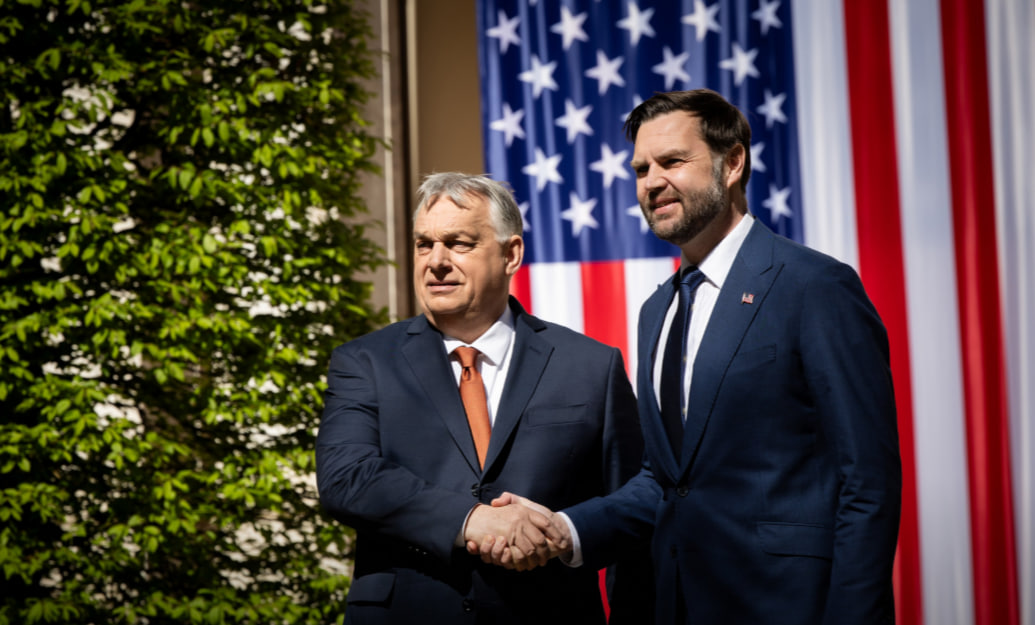


US Vice President J. D. Vance met Hungarian Prime Minister Viktor Orbán in Budapest on April 7. They discussed Hungary’s upcoming elections, Iran, and the Russia–Ukraine war.
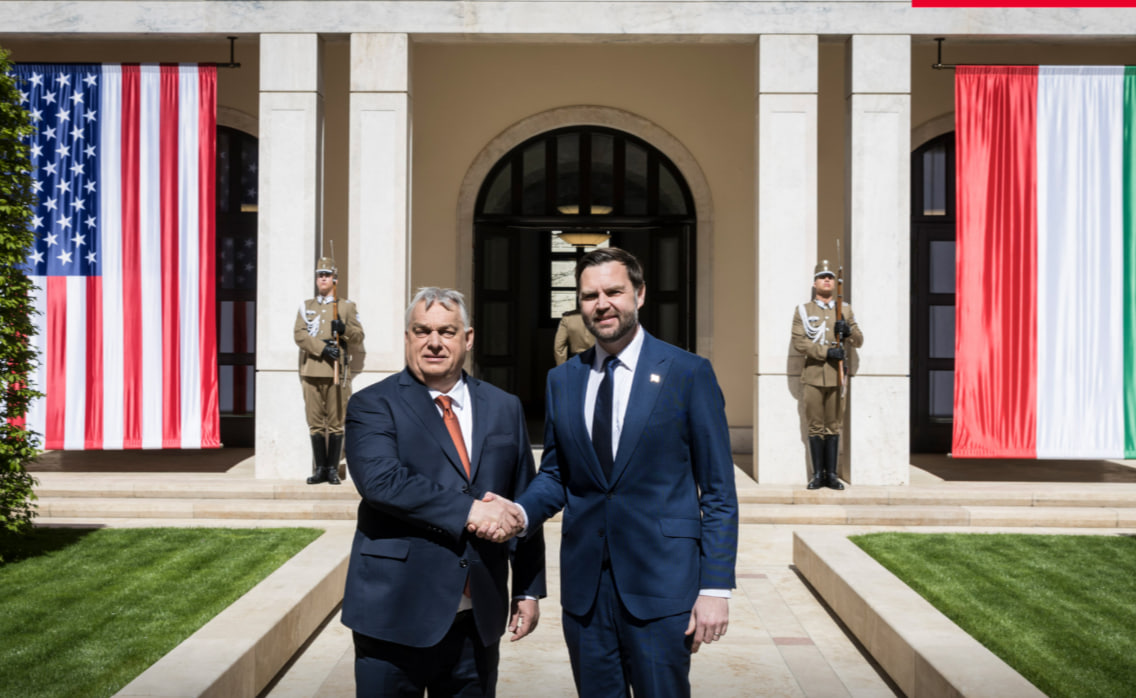
Support for Orbán
Vance openly backed Orbán ahead of the vote, according to Reuters, citing remarks from a joint press conference. He criticized the European Union for alleged interference in Hungary’s elections and called Brussels’ actions “disgraceful.”
According to Vance, European institutions tried to weaken Hungary’s economy over political disagreements.
“The bureaucrats in Brussels have tried to destroy the economy of Hungary. They have tried to make Hungary less energy-independent. They have tried to drive up costs for Hungarian consumers, and they’ve done it all because they hate this guy,” Vance said, referring to Orbán.
He added that one reason for his visit was to support Orbán amid what he described as EU interference.
Russia–Ukraine war
Vance also addressed the war in Ukraine. He said Orbán “has been better than anybody at helping us understand what it is the Ukrainians need and what it is that the Russians need in order to achieve peace.” He further accused Ukraine of allegedly trying to influence elections in both the U.S. and Hungary.
“The seeds of this conflict were actually planted well before the fighting started. And they were planted when European leaders decided that they were going to go so deep into a particular energy economy that they were going to cut themselves off from oil and natural gas that came from the East,” Vance said.
Orbán also commented on Russia’s full-scale invasion of Ukraine. He said Budapest is ready to host a potential peace summit between the U.S. and Russia. According to Orbán, Europe’s strategy of supporting Ukraine has failed, while everything that Russia had “has gained in value”.
“And suddenly they have found themselves in a much more favorable position than ever before, and the European pro‑war, pro‑Ukraine strategy has collapsed,” Orbán said.
He added that his current priority is not Brussels, but the elections in Hungary. After the vote, he expects a “completely new situation.”
Iran and the Strait of Hormuz
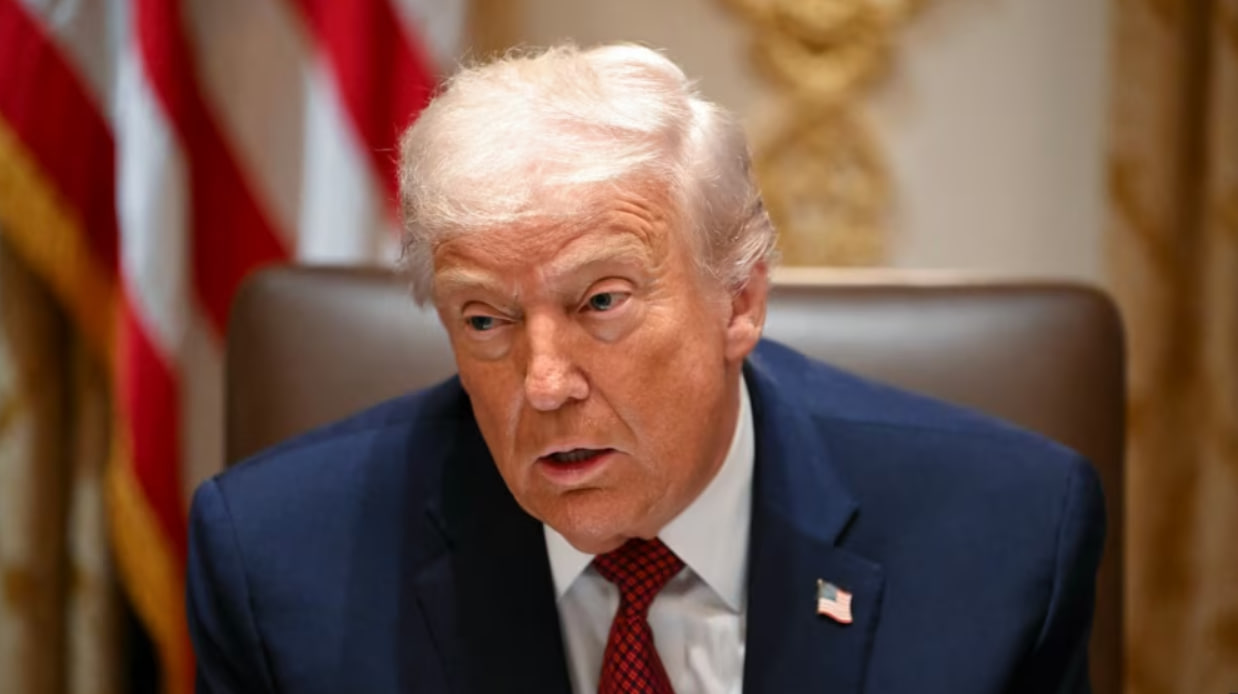
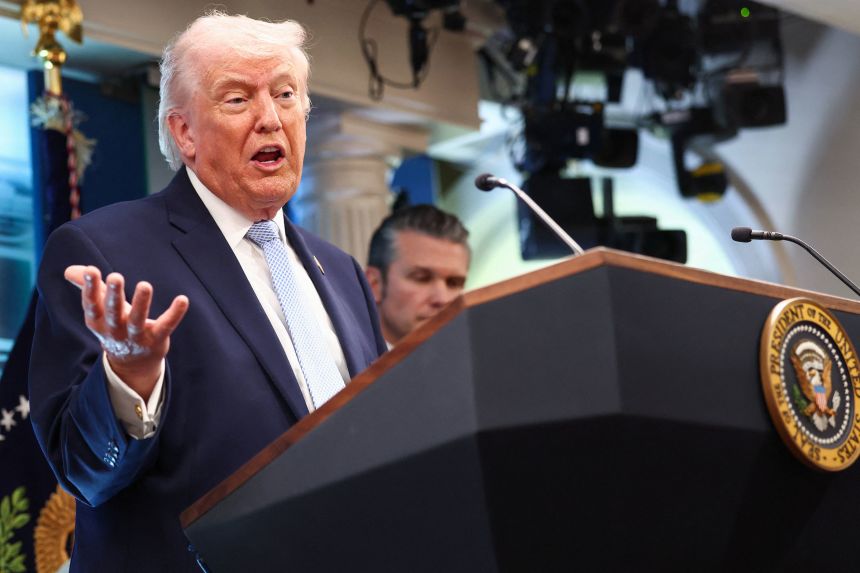
Vance also highlighted the ideological alignment between the administration of Donald Trump and Orbán’s government. He commented on the U.S. campaign against Iran, saying Washington has “largely accomplished its military objectives.”
He outlined two possible paths for Iran. First, Tehran could stop supporting terrorism and integrate into the global economy. Alternatively, it could continue its current course and refuse negotiations.
“Option B is if the Iranians don’t come to the table and they stay committed to terrorism, to terrorising their neighbours, not just Israel, but of course their Arab neighbours too, then the economic situation, Iran, is going to continue to be very, very bad,” Vance said.
The meeting comes amid escalating tensions with Iran. The Trump administration is demanding that Tehran reopen the Strait of Hormuz, a key global oil route. At the same time, the U.S. continues military pressure, including strikes on Iranian targets.
Earlier, The Ukrainian Review reported that Trump issued a new threat, saying that a “whole civilization” could be destroyed overnight.