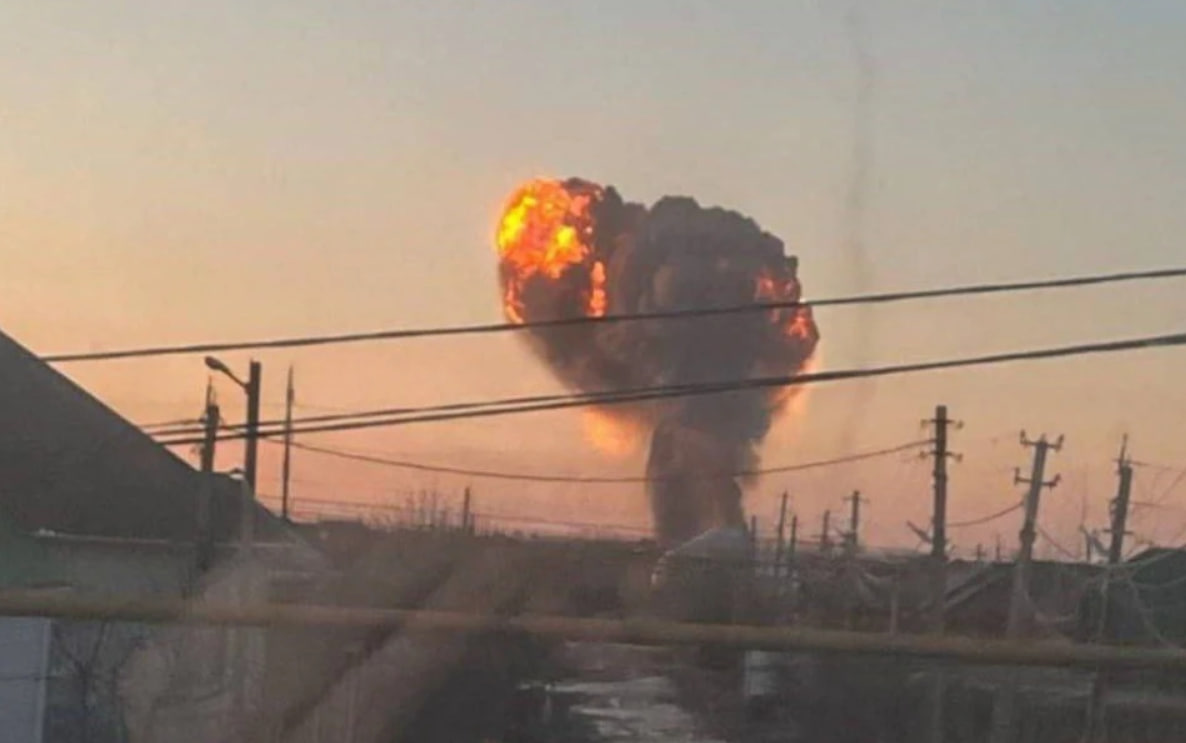
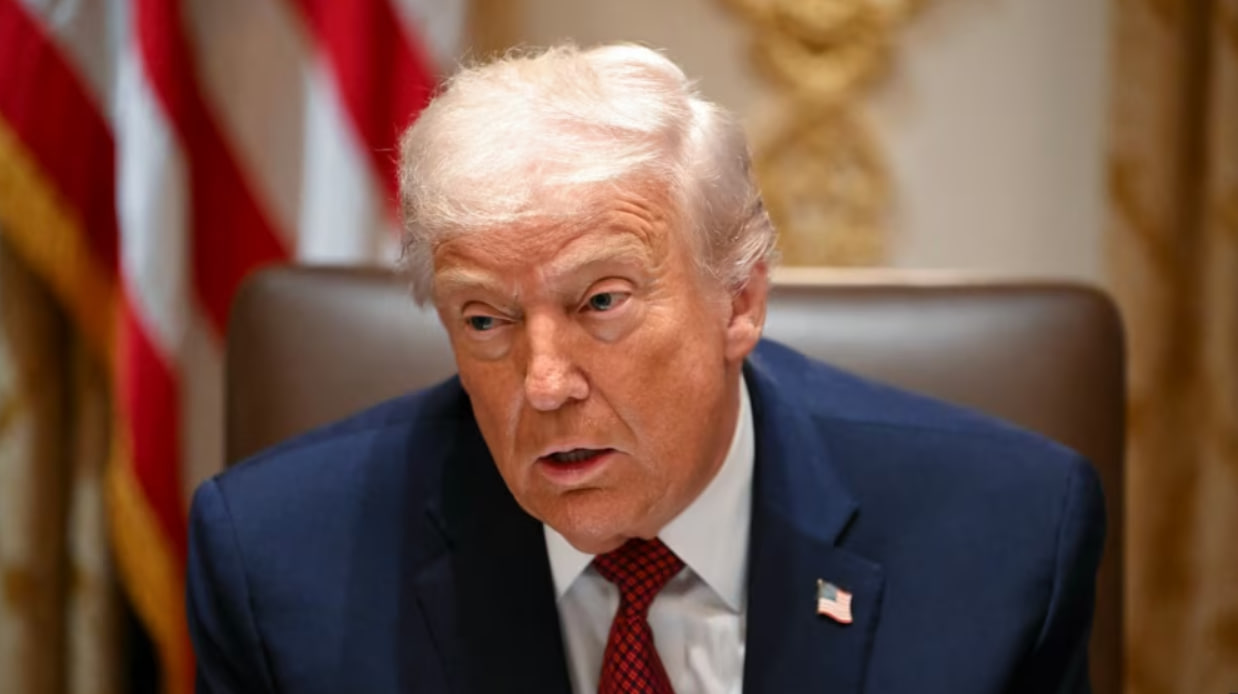


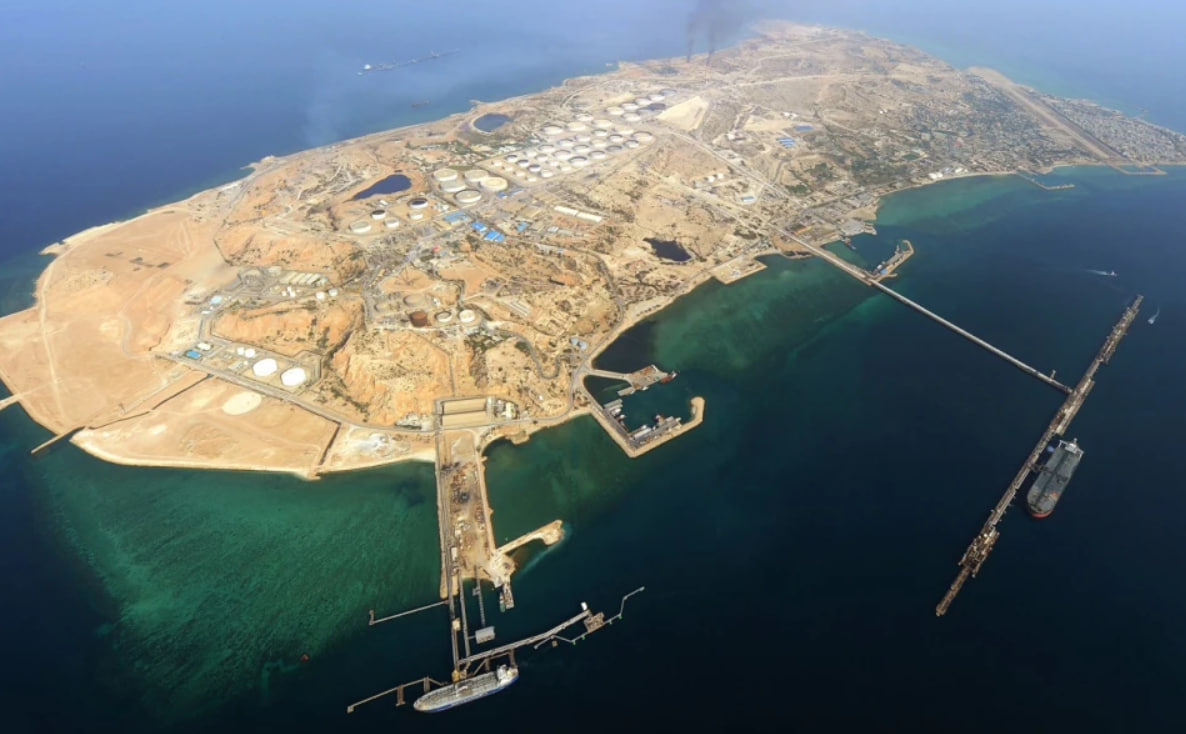
U.S. President Donald Trump issued a new threat against Iran, saying that “a whole civilization will die tonight.” The US attacked Iran, deliberately not hitting the island of Kharg.
Trump’s latest threat
In a post on Truth Social on April 7, Trump wrote that “a whole civilization will die tonight, never to be brought back again.” He was referring to Iran. He added that he doesn’t “want that to happen, but it probably will.”
“We will find out tonight, one of the most important moments in the long and complex history of the World. 47 years of extortion, corruption, and death, will finally end. God Bless the Great People of Iran!” Trump said.
Earlier, on Sunday, April 5, Trump gave Iranian authorities a deadline until the end of Tuesday to agree to a deal. The goal is to force Tehran to reopen the Strait of Hormuz, a key global oil route. This is not the first time Trump has used such rhetoric. He previously threatened to strike Iran’s infrastructure and even said he could send Iran back to the Stone Ages if it refuses to comply.
Vance tone
U.S. Vice President J. D. Vance addressed Trump’s earlier statement during a press conference on April 7. A day before, Trump claimed that God was on the side of the United States in its conflict with Iran.
Vance offered a more cautious view. He said the U.S. should instead pray to be on God’s side. According to him, the U.S. goal is justified: to prevent a nuclear war that Iran could potentially trigger.
“We’re doing this because we don’t want a regime that has committed acts of terrorism to have the world’s most dangerous weapon, because that would mean a lot of innocent people die. I certainly hope that God agrees with the decision that Iran shouldn’t have a nuclear weapon, but I’ll keep praying about it,” Vance said.
At the same time, he stressed that while he supports the administration’s actions, he cannot claim that strikes on Iran, especially those affecting civilians, reflect God’s will.
April 7 strikes
Military actions are ongoing. On April 7, the U.S. struck Iranian military targets on Kharg Island, according to Reuters. At the same time, Washington deliberately avoided energy infrastructure.
“We’re not going to strike energy and infrastructure targets until the Iranians either make a proposal that we can get behind or don’t make a proposal,” Vance said during the April 7 briefing.
He also stressed that this does not signal a shift in U.S. strategy. Instead, Washington is waiting for Iran’s official response to its demands by 8:00 p.m. on April 7.
Earlier, The Ukrainian Review reported that Iran had sent a 10-point plan via Pakistan on April 6, proposing an end to the war with the U.S. and Israel. The proposal does not include a temporary ceasefire and instead focuses on ending the war on Iran’s terms.