

An Interview with Dovydas Vitkauskas’ various consultant roles in Ukraine include a Team Leader of EU-funded governance and rule of law reform projects since 2016. He has also been acting as advisor to two consecutive administrations of the President of Ukraine.
In this interview we focus on issues related to the so-called “Mineral Deal” as well as economic issues related to the possible use of “frozen” Russian funds.
Stanislav Kinka: The signing of the Mineral Deal was and is one of the main topics in bilateral Ukrainian-American relations. Can we already talk about specific points of the agreement and what are unconditional “red lines” for Ukraine?
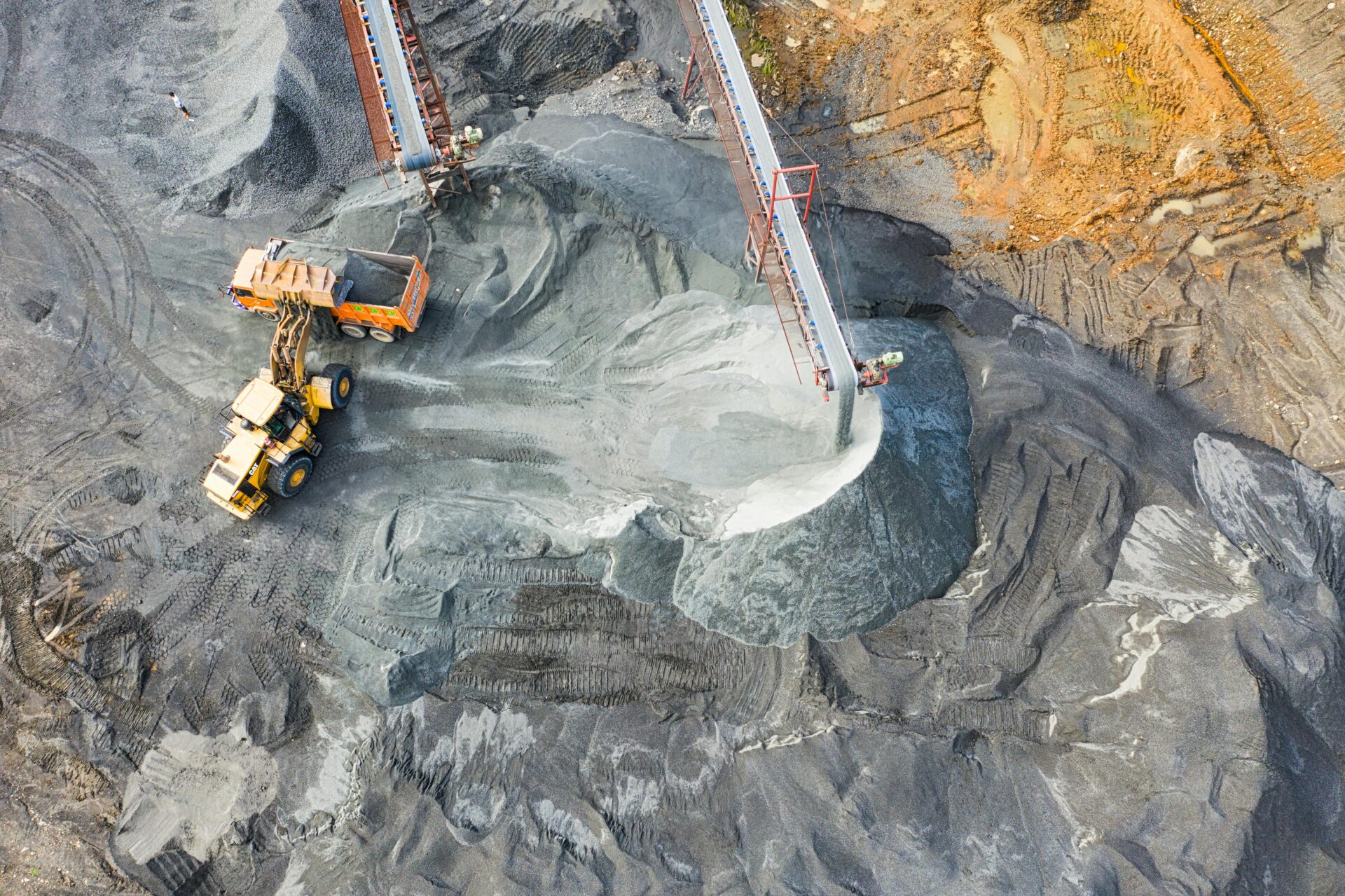
Dovydas Vitkauskas: I do not believe any of the two parties are taking the rare earths agreement as a serious practical endeavour. It is a matter of political PR. The risks related to the amount of additional investment required for extraction far outweigh any foreseeable financial benefit for both sides. But the proposed deal – however unrealistic in practice – will result in signatures being put on paper. And that means a very viable risk of prosecution – following a possible political change after the forthcoming elections – for members of the Ukrainian government who signed on a relinquishment of such national resources to foreigners. Former Prime Minister Iuliia Tymoshenko was imprisoned on far lighter charges just a decade ago. This is why it can be suspected that the Ukrainian government will be dragging their feet on the proposed deal. Even if it eventually succumbs to the American pressure, a signature will be put by a more minor member of the Ukrainian government… The only player who has a strategic willingness, patience and logic to do similar long-term projects in Ukraine is China. Just check what Chinese investors are currently doing in Afghanistan, where President Trump signed a very similar rare earths deal during his first presidency in 2017.
S.K.: Can this agreement in any version be considered a condition for further cooperation between Ukraine and the USA, including in the sense of receiving financial assistance, non-lethal and lethal weapons?
D.V.: The new US government has very clearly indicated its strategic pivot to Asia, and gradual disengagement from Europe. This, together with the announced trade tariffs, will cause various problems of military and economic cooperation between the US and Europe as a whole. Ukraine will not be the only loser of such policy, in case it materialises.
S.K.: What is Ukraine’s position on including in the text of the agreement not only the issue of minerals, but also a list of infrastructure facilities. Even before the start of the great war in Ukraine, preparations were underway for the privatisation of ports. Can this practice be scaled up and will the “Minerals Agreement” not get in the way?
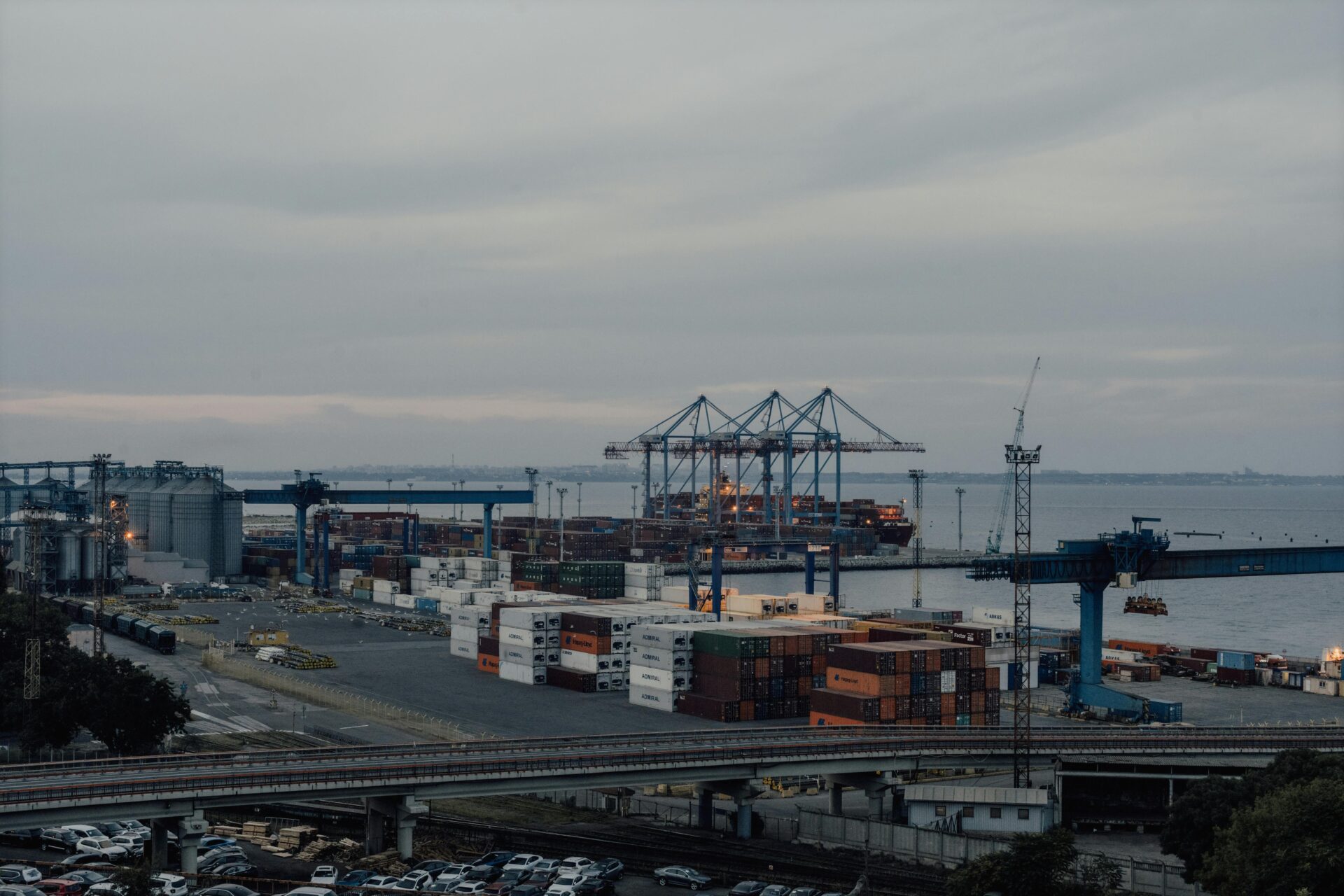
D.V.: Unfortunately, Ukraine has very limited regulatory and administrative capacity to properly privatise a minor port worth USD 5 million. The history of independent Ukraine in the last 34 years has generally been a history of discouragement of foreign investment, to the benefit of local financial and political groups. Can the country be realistically expected to manage much bigger and more complex infrastructure privatisation projects? Secondly, Ukraine currently has 13 seaports. This is a rather excessive figure for an economy worth only USD 160 billion in annual GDP. What volume and type of goods will each of these ports carry within 10 years? Will Ukraine be a manufacturing powerhouse then, or remain largely a commodities’ producer – as a result, will infrastructure investment be needed more for container, bulk, other traffic? These strategic questions of any potential investor are still unanswered, some for the objective reasons of the war. The neighbouring Romania produces almost double GDP than Ukraine but has only 8 ports, including on the Danube delta. Ukraine needs to consolidate its logistics infrastructure, rather fragment it further by way of case-by-case privatisations. This means decommissioning some of the heritage ports with the Soviet era infrastructure. It will not be an easy task either politically, or economically.
S.K.: Frozen Russian assets: under what conditions can they be transferred to Ukraine and what is the Ukrainian side’s position on their possible use for the “reconstruction” of the territories of Ukraine occupied by Russia? (I know your position on this issue, but it can be expanded with specific examples and the position of specific countries/or country speakers).
D.V.: There has been a lot of confusion on the issue of “frozen Russian assets”, where illusions and political manoeuvring – especially from Brussels bureaucrats – frequently outpaced the reality. First, Ukraine will not get any benefit from billions of dollars in sanctioned private Russian assets, except for “peanuts” in cases of criminal offences committed in the West by sanctioned oligarchs (see the Malofeyev case, for instance). Second, contrary to the impression created by some EU officials, Ukraine is not getting a portion of sanctioned sovereign Russian assets, such as the holdings of the Russian Central Bank in Belgium. Ukraine will only get a part of the income (coupon) generated from these Russian investments. This means a couple of billions of USD per year, at best. Ukrainian government might possibly also get more guaranteed loans against the Russian sovereign holdings-linked collateral. But these will not be gifts but rather financial obligations on the Ukrainian taxpayer.
S.K.: During 2024, Ukraine’s total public debt increased by $20.7 billion. But at the same time, in 2024, Ukraine’s public debt was restructured. Is it possible to predict the dynamics of changes in public debt and how does it depend on US policy? What are the repayment terms of the loans that Ukraine took out during the war, and is it possible to restructure them and/or repay them with frozen Russian assets?
D.V.: Ukraine already owes more than its annual GDP, or USD 160 billion, to foreign investors. The figure will likely be 125% of GDP in public debt by the end of this year. Ukraine has also been in selective default to its creditors since 2022. Unfortunately, the no-strings-attached behaviour of EU and other donors is only exacerbating the position. Different types of maturity of Ukrainian government debt are now selling between 50 to 70 cents on the dollar, and might even decrease, if the market’s early hopes for a ceasefire are fading. Having said that, the US policy on the Russia-Ukraine conflict can provide a significant boost to the market and thus the sustainability of Ukrainian public finances. But to what extent that US policy is realistic and productive – it is a much harder question to answer.
S.K.: What are the possible ways to obtain funds for Ukraine: further loans, agreements with the transfer of part of the profit from the exploitation of natural resources, infrastructure facilities, concessions or large-scale privatisation?
D.V.: Proper privatisation of all types of land, including allowing its foreign ownership. Land is the only hard resource of Ukraine which is of uncontested value. Most of the other assets discussed by the Ukrainian government and its Western Partners as tools to reboot the economy – including the State-owned companies or rare minerals – are essentially worthless, or inaccessible without billions of dollars in additional investment. Allowing full private land ownership is also a key psychological and society-building factor, if Ukraine truly wants to be part of the Western rules-based society. The current State control of land is a landmark of the Soviet past in Ukraine’s political and legal systems and business culture, which have dragged Ukraine down for decades.
Interviewed by Stanislav Kinka