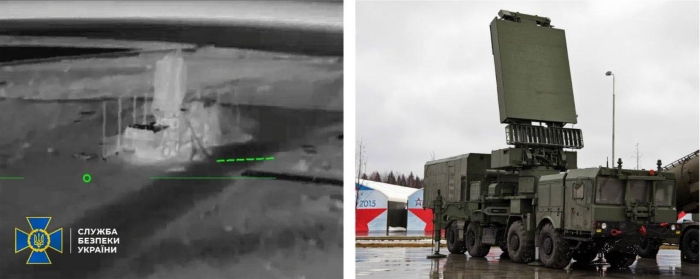


Ukraine’s Security Service has struck Russian military assets worth hundreds of millions of dollars at Belbek airfield in occupied Crimea. According to Ukrainian assessments, several high-value systems were destroyed or disabled during the attack.
The reported losses include a MiG-31 fighter aircraft loaded with full ammunition. Its estimated value ranges between $30 and $50 million. The strike also hit two Nebo-SVU long-range radar detection systems, which are valued at $60–100 million in total.
In addition, Ukrainian forces reportedly destroyed a 92N6 radar, a key component of the S-400 Triumph air defense system. Its estimated price is $30 million for the domestic market and up to $60 million for export. A Pantsir-S2 air defense system was also hit. Its value is estimated at $12 million domestically and up to $19 million for export.
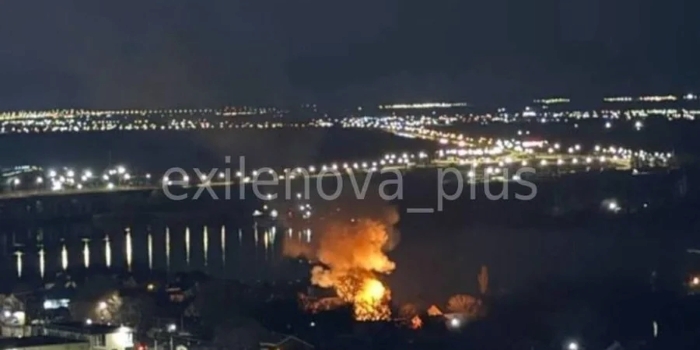
That same night, Ukrainian forces also carried out an attack against Russia’s so-called “shadow fleet” in the Rostov-on-Don region.
In recent months, and particularly in December, Ukraine has conducted a series of successful strikes deep inside Russian territory. The Security Service has played a central role in these operations. Such events demonstrate that Ukraine possesses cost-effective and asymmetric capabilities to respond to Russian terror.
Recent Successful Attacks
On 15 December, Ukraine’s Security Service and the Ukrainian Navy reported the first known successful use of underwater strike drones. The drones, known as “Sub Sea Baby,” targeted a Russian Project 636.3 Varshavyanka-class submarine. The attack took place in the submarine’s home port of Novorossiysk.
During the same night, Ukrainian drones attacked several Russian regions. The main strikes targeted Belgorod, where damage to critical energy infrastructure was confirmed. Drones also reached Moscow and the Moscow region. The UAV raid caused temporary disruptions at major airports.
Earlier, on the night of 11 December, Russia reported one of the largest drone attacks in recent times. The scale of the raid highlighted the growing coordination of Ukrainian long-range operations.
The Shadow Fleet as an Achilles’ Heel
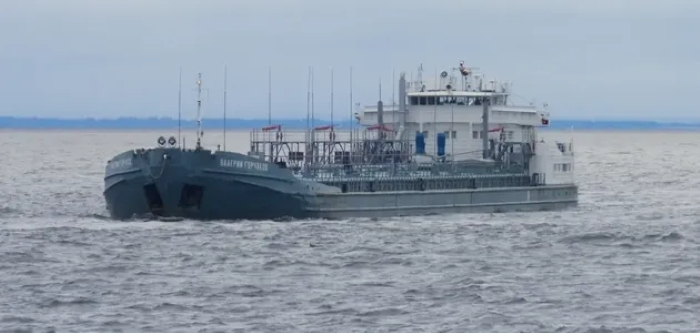
On 18 December, Reuters reported that Ukrainian drone strikes targeted the Rostov-on-Don region. The attacks affected both the port city itself and nearby Bataysk. One of the confirmed targets was the tanker Valery Gorchakov.
The vessel belongs to Russia’s so-called shadow fleet.
As a result of the attack, the tanker sustained damage to the wheelhouse and hull. Holes were recorded in the engine and rudder compartments. A fire also broke out onboard. Importantly, no oil spill occurred. It again demonstrates that Ukrainian strikes are carefully calibrated. Even when targeting energy-related assets, Ukraine seeks to avoid large-scale environmental damage.
Moreover, according to The Atlantic, the United States has given Ukraine unofficial permission to strike Russia’s shadow fleet. The administration did not attempt to restrain such actions. In some cases, it reportedly provided intelligence support for their execution.
Conclusion
Ukraine has intensified deep strikes inside Russian territory. This development is both strategically and symbolically important. It comes amid peace-plan discussions, economic pressure on both sides, and rising energy-security risks.
These attacks also illustrate a broader point. Ukraine needs partners assistance, which would be used effectively. The objective is deterrence and the eventual establishment of a just peace.