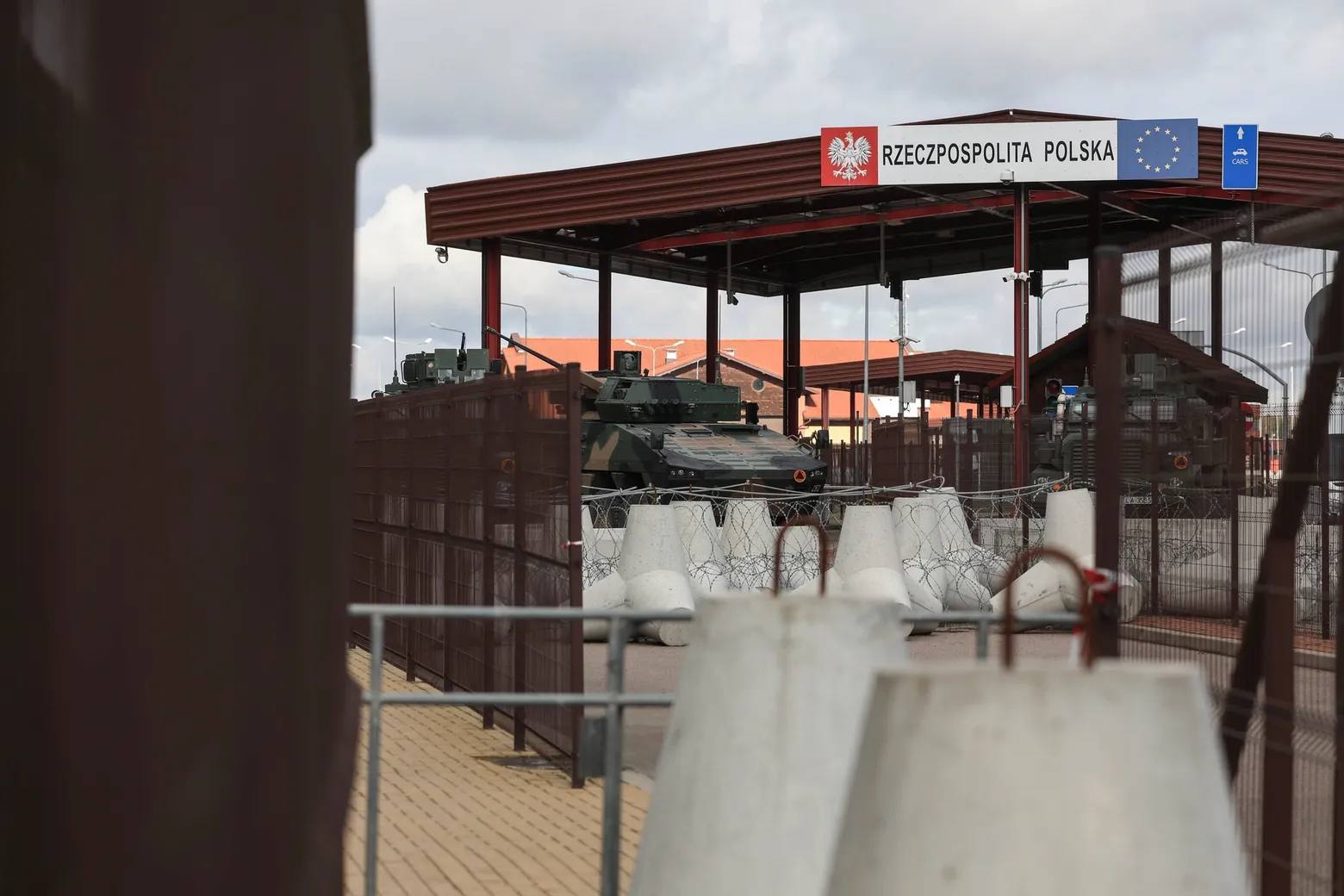


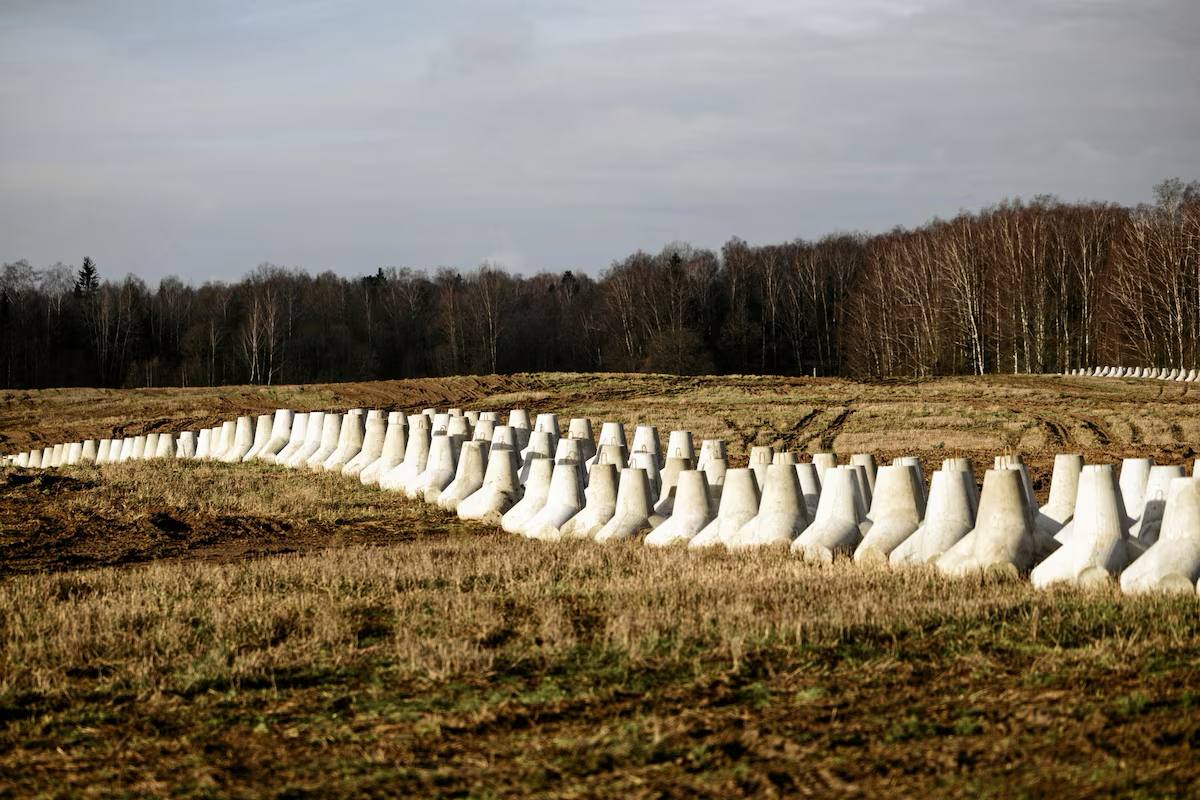
In 2024–2025, Poland significantly intensified efforts to strengthen its borders with Belarus and Russia as part of the large-scale defense program known as “East Shield”. This is not merely about traditional fortifications or symbolic barriers—Warsaw is constructing a network of critical defense infrastructure capable of deterring Eastern threats and increasing the army’s operational response speed. Among the latest developments is the completion of another warehouse for equipment and materials necessary for deploying “dragon’s teeth” and other engineering obstacles along the border, with a plan to create over 100 such sites—one in every border municipality. While these sites are not visible front lines, they serve as the foundation for deploying fortification elements in the event of a security escalation.
This program itself is Poland’s multi-faceted response to rising regional tensions following Russia’s full-scale invasion of Ukraine, which prompted Warsaw to overhaul its defense strategies. Simultaneously, the government has decided to resume the production of anti-personnel mines—for the first time since the Cold War—and potentially deploy them along the eastern frontiers, sparking a new wave of discussion and criticism. All of this indicates that Poland is fundamentally rethinking its defense policy in the face of evolving threats on its borders with Belarus and Russia.
Strategies, Materials, and Logistics of “East Shield”
Under the East Shield program, Poland is not just building isolated facilities; it is creating an extensive network of warehouses and staging grounds for fortification materials along its eastern and northern borders. According to the General Staff of the Polish Armed Forces, several such warehouses have already been completed, more than a dozen are under construction, and over 100 depots are planned for completion by the end of the project cycle.
These facilities are designed to store a wide range of equipment—from concrete “dragon’s teeth” and other barriers to concertina wire, trench-digging materials, and technical border engineering tools. The goal is to ensure rapid access to resources in every municipality bordering Belarus or Russia, so that in the event of a threat, engineering units can instantly deploy defenses on-site.
This approach moves away from the classic “permanent masonry barrier” and more closely resembles a concept of mobile defense, where resource warehouses and logistical support for rapid deployment play a key role. Additionally, the project includes logistics hubs and coordination nodes intended to work with local services and civilian agencies for coordinated action during a crisis.
Anti-Personnel Mines: A Strategic Decision
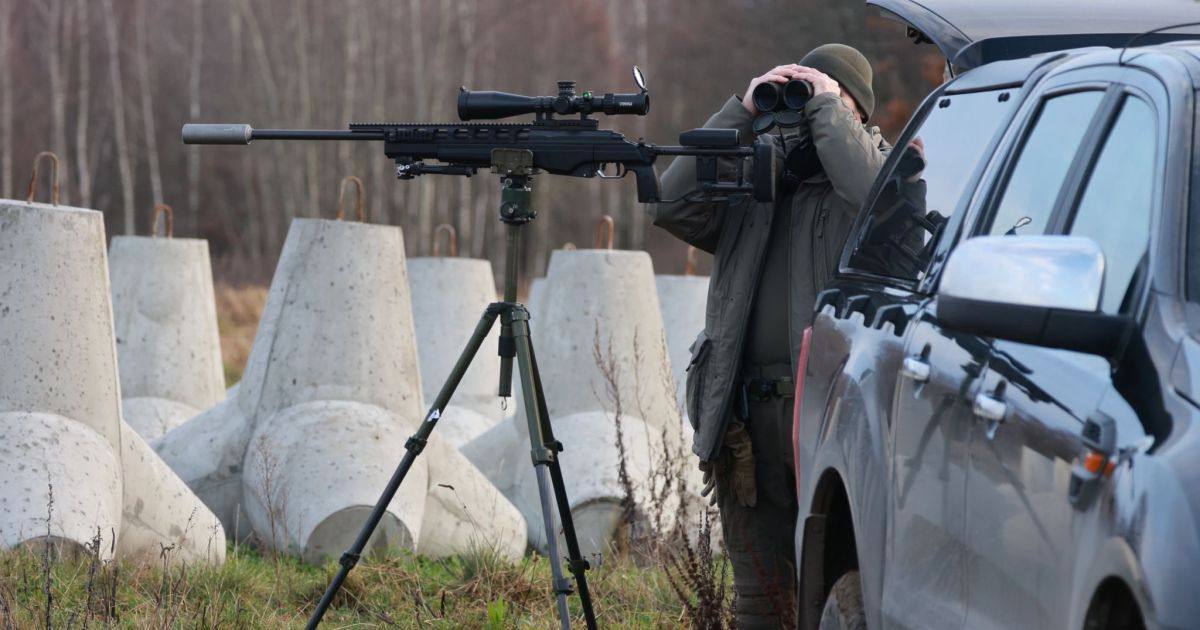
While Poland builds “warehouses and beacons” for fortification materials, the government has simultaneously approved a return to the production of anti-personnel mines—a decision causing widespread international debate. According to official data, Poland plans to begin producing such mines for the first time since the Cold War and deploy them along the eastern border, including Belarus and Russia, as part of the same East Shield program.
A vital role in implementing the mine component of East Shield will be played by the state-owned company Belma, which already supplies several types of mines to the Polish army. According to its leadership, the scale of potential production reflects the seriousness of Warsaw’s intentions. Belma expects that under the program, Poland could be equipped with millions of mines to protect the 800-kilometer eastern border.
“We are preparing for Polish demand … to amount to 5-6 million mines of all types,” stated Belma’s CEO, Jaroslaw Zakrzewski.
At the same time, he clarified that although the Polish Ministry of Defense has not yet placed an official order, the company is already capable of significantly increasing production. According to him, by 2026, Belma could manufacture up to 1.2 million mines per year, including anti-personnel ones, whereas current production volumes stand at approximately 100,000 units annually. These figures demonstrate that the mine component of “East Shield” is viewed not as a temporary measure, but as a long-term element of Poland’s new defense architecture.
This move became possible after Warsaw began the process of withdrawing from the Ottawa Convention, which imposed international obligations not to produce or use such weapons; formally, this withdrawal will take effect in February 2026.
Polish high-ranking officials argue this is necessary to “effectively protect national borders to the maximum extent” amid hybrid threats. However, the move has drawn criticism from human rights organizations, international humanitarian law experts, and sections of the public. They emphasize the potential danger to civilians and the long-term risks associated with minefields, even when intended for defensive purposes.
Conclusion
The “East Shield” program has become the central component of Poland’s new security vision for its borders with Belarus and Russia. It combines physical infrastructure, logistical storage, and now the production of anti-personnel mines into one massive defense mechanism aimed at creating a flexible system of deterrence against potential aggression.
The resumption of production for previously banned mine systems indicates that Poland is ready to resort to unconventional solutions to bridge technological or strategic gaps in its defense capabilities. This decision will undoubtedly impact not only national security but also regional discussions regarding the role of defense and humanitarian obligations in the 21st century.