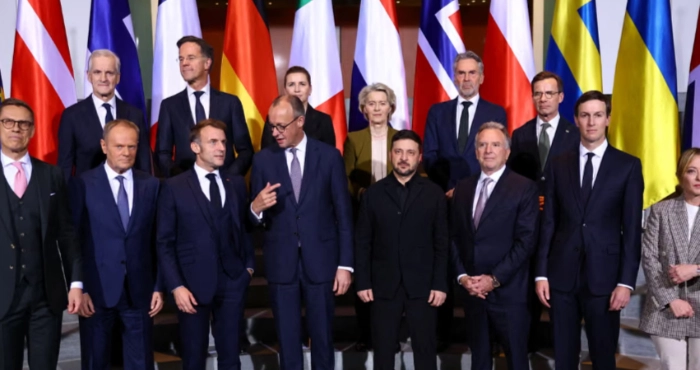


After almost four years of war, there is renewed talk of an agreed peace plan that could put an end to the conflict and lay the foundations for reconstruction. The last few weeks of negotiations between Kyiv, Washington, and leading European capitals have shown how difficult the path to agreement is — and how delicately the issues of security, territory, and political guarantees intersect.
What exactly is being proposed
The Ukrainian side has sent Washington an updated 20-point framework for a peace plan, which combines issues of security, reconstruction, and control over territories. The proposal must take into account both the preservation of Ukraine’s independence and compromises on the front lines.
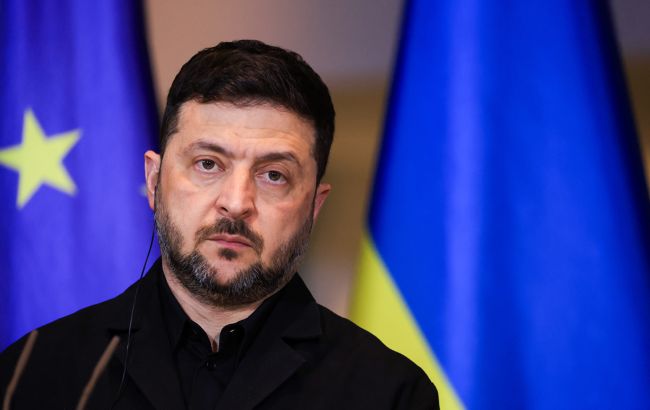
Ukrainian President Volodymyr Zelenskyy has repeatedly emphasized that “this document must be reliable and worthy of Ukraine” and that only the Ukrainian people can approve any territorial changes through elections or a referendum — a position that reflects the tough “red lines” in Kyiv.
In a conversation with journalists, Zelenskyy also noted:
“Today’s agenda includes a conversation with the American side regarding a document that will detail the process of Ukraine’s post-war reconstruction and economic development.”
Western positions
The role of the US in shaping the proposal remains key. According to reports, the American side is considering the creation of a “free economic zone” in parts of Donbas as a compromise format that provides for demilitarization, but without the direct entry of Russian regular troops. This has drawn criticism, as many see it as a risk to control and security.
US President Donald Trump, who is actively promoting the peace plan, insists that “Russia has the upper hand today” and criticizes the Ukrainian leadership for allegedly delaying consideration of the proposals.
In particular, Trump said:
“We were very close to a peace agreement, but Zelenskyy does not like the concept.”
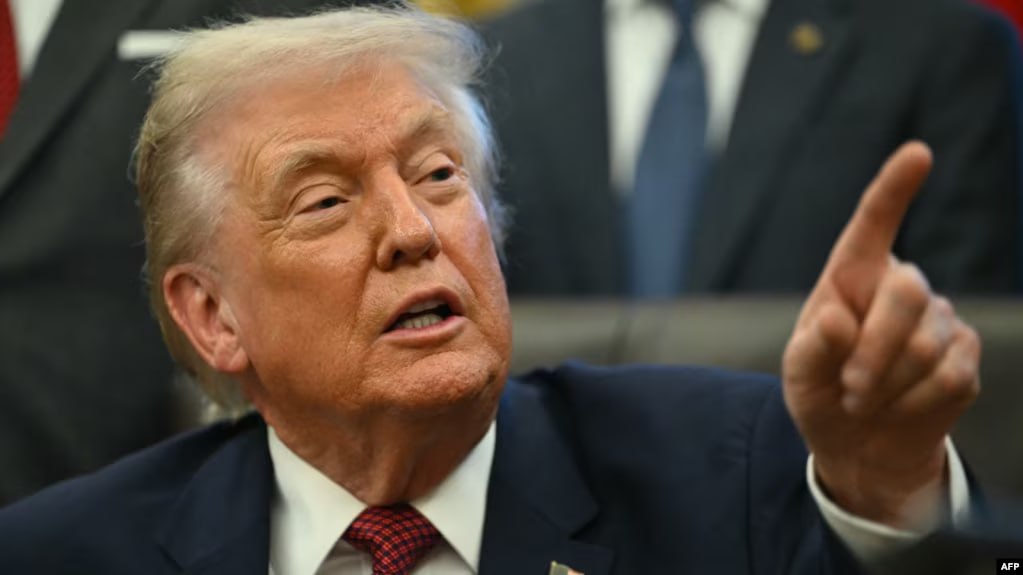
According to the US president, both the Ukrainian population and Zelenskyy’s entourage are enthusiastic about the plan, and only the Ukrainian leader is dissatisfied with it.
On the subject of guarantees for Ukraine, Meaghan Mobbs, president of the R.T. Weatherman Foundation and director of the Center for American Security and Defense at the Independent Women’s Forum, says:
“These guarantees are not designed to secure Russia’s consent. They are designed to make Russian refusal costly, bounded, and ultimately self-defeating. The real risk is not Russian rejection. The real risk is Western hesitation – watering these measures down in the hope of buying Russian cooperation in advance. That guarantees failure. Russia exploits ambiguity, not firmness. So if Russia accepts these terms, it will not be because they are fair. It will be because the alternative is worse.”
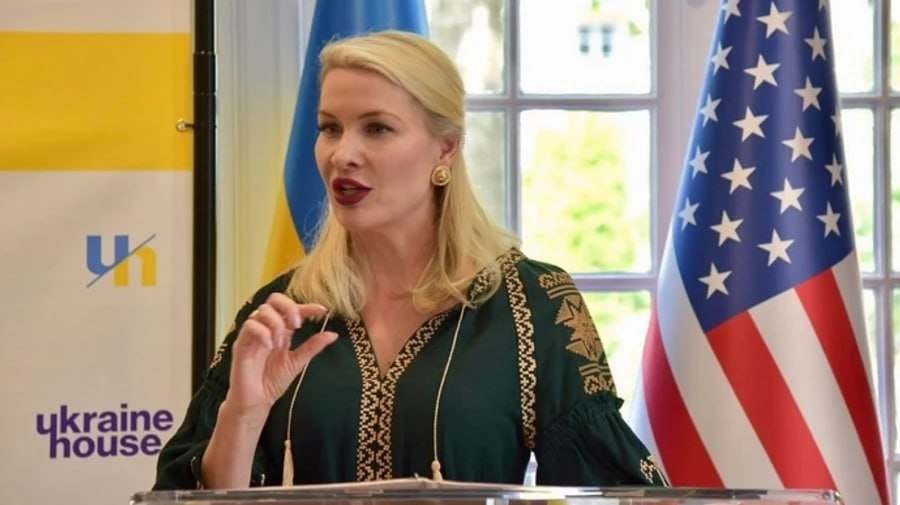
According to her, historically, Russia accepts unfavorable security agreements under three conditions:
- When escalation worsens its strategic position rather than improving it.
- When the results become predictable and limited.
- When time ceases to work in its favor.
Putin is not interested in peace unless that “peace” takes the form of Ukraine’s surrender.
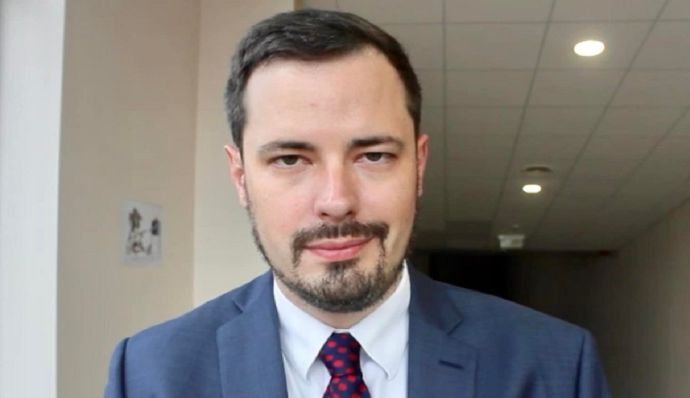
Jason Jay Smart, special correspondent for the Kyiv Post, echoes this sentiment:
“Russia is clearly not interested in peace. Russia is interested in creating conditions that will improve its chances in the next phase of the war.”
At the same time, experts generally agree that guarantees for Ukraine could be modeled on Article 5 of the NATO treaty, and that the number of Ukrainian Armed Forces personnel should be increased to 800,000 with modern equipment so that they can serve as a powerful deterrent to Russia.
European “red lines”
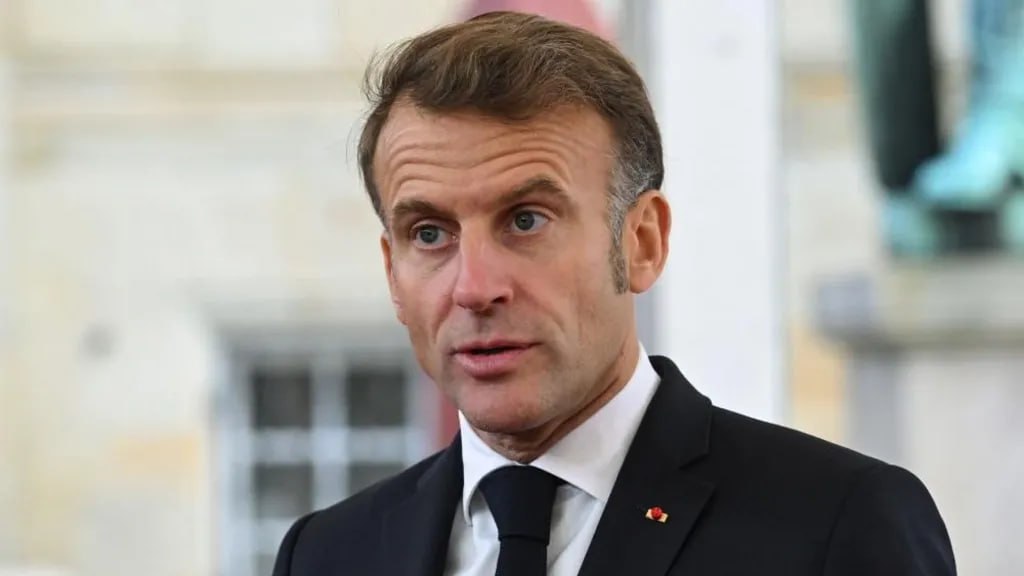
French President Emmanuel Macron has previously emphasized that peace should not come at the price of surrender:
“This plan is good in that it offers peace, but it must be agreed with European partners, as some of its provisions are unacceptable from the point of view of Ukraine’s sovereignty and European security.”
There are also calls in Brussels to support Kyiv without weakening its defense capabilities, and any changes to the status of territories must be made in accordance with international law — without coercion or external ultimatums.
Russia’s position
Vladimir Putin stated that Russia had received the American “peace plan” and that this document “could form the basis for a peaceful settlement.” However, at the same time, there have been no concrete steps or agreements from Moscow yet. This confirms once again that any peace process will be non-linear and will depend on the parties’ willingness to compromise.
In turn, Putin’s aide Yuri Ushakov said:
“Moscow is strongly opposed to changes in the peace plan, especially regarding the ‘territorial issue’.
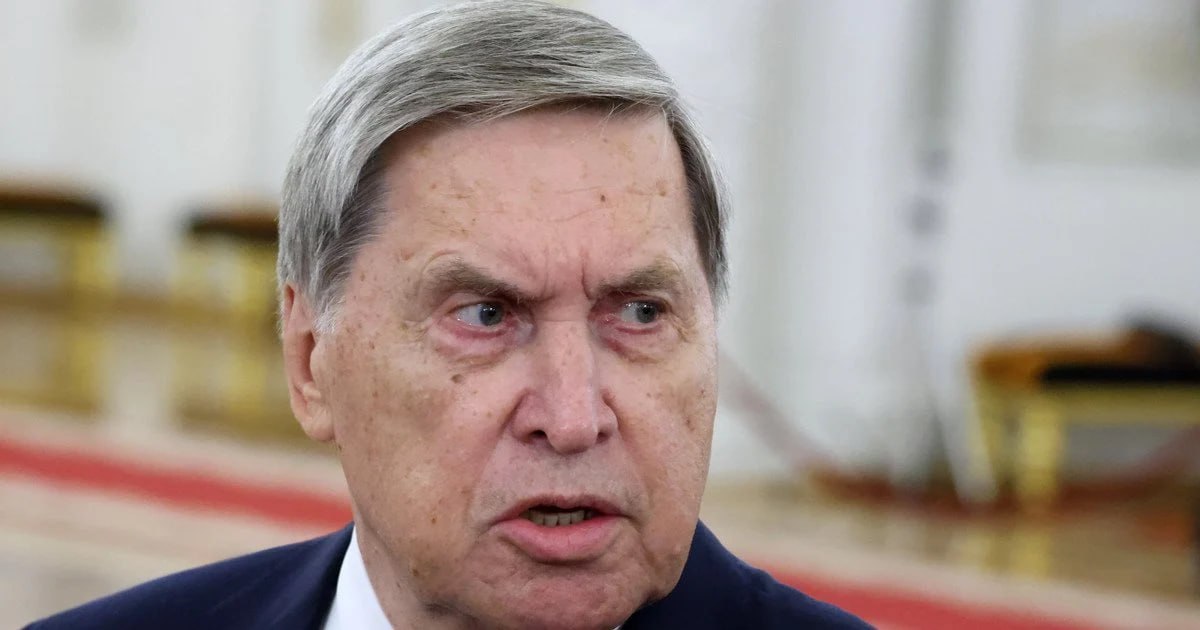
According to him, the Kremlin has not yet seen any changes in the documents proposed by the US, but will still oppose them.
What’s next
The peace plan currently being discussed in Washington, Brussels, and Paris is more of a roadmap
– clear security guarantees for Ukraine;
– an international monitoring and control mechanism;
– the legitimate expression of the will of the Ukrainian people regarding any changes.
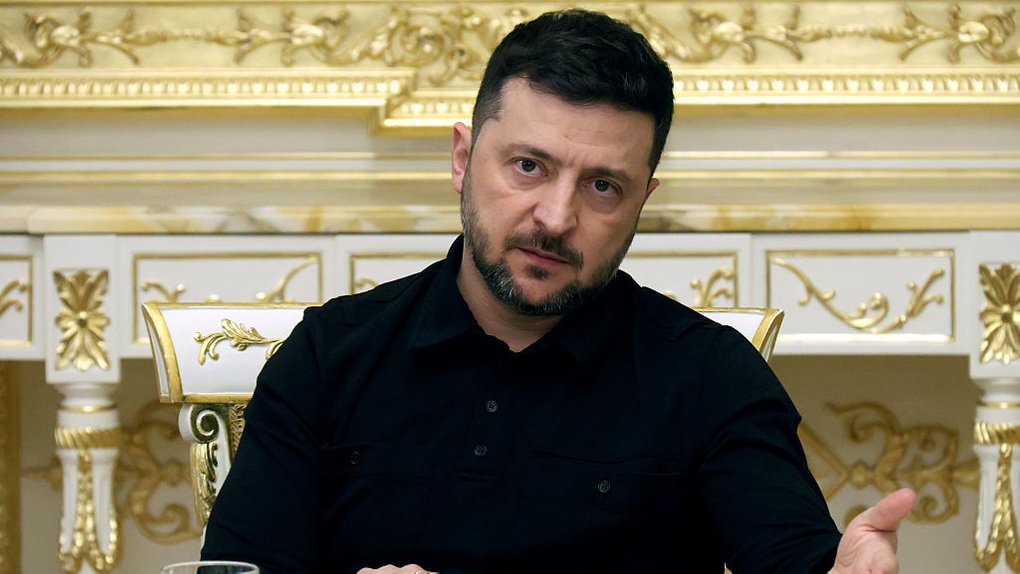
President Zelenskyy puts it this way:
“We will work constructively with all partners, but a dignified peace must be fair to Ukraine.”
Conclusion
Today’s discussions about a peace plan for Ukraine are not just diplomacy, but also a test of the world’s ability to defend the principles of international law in an era of global instability. In this process, every word spoken by leaders, every detailed formula, and every agreed page of the document matters, because the future security architecture of Europe depends on them. The peace offered to Ukraine cannot be a peace of coercion or exhaustion — only a peace based on justice, responsibility, and real guarantees. Therefore, the key task for the coming months is to translate the political will of our partners into concrete mechanisms that will protect the state and ensure that a new war never becomes a possibility.