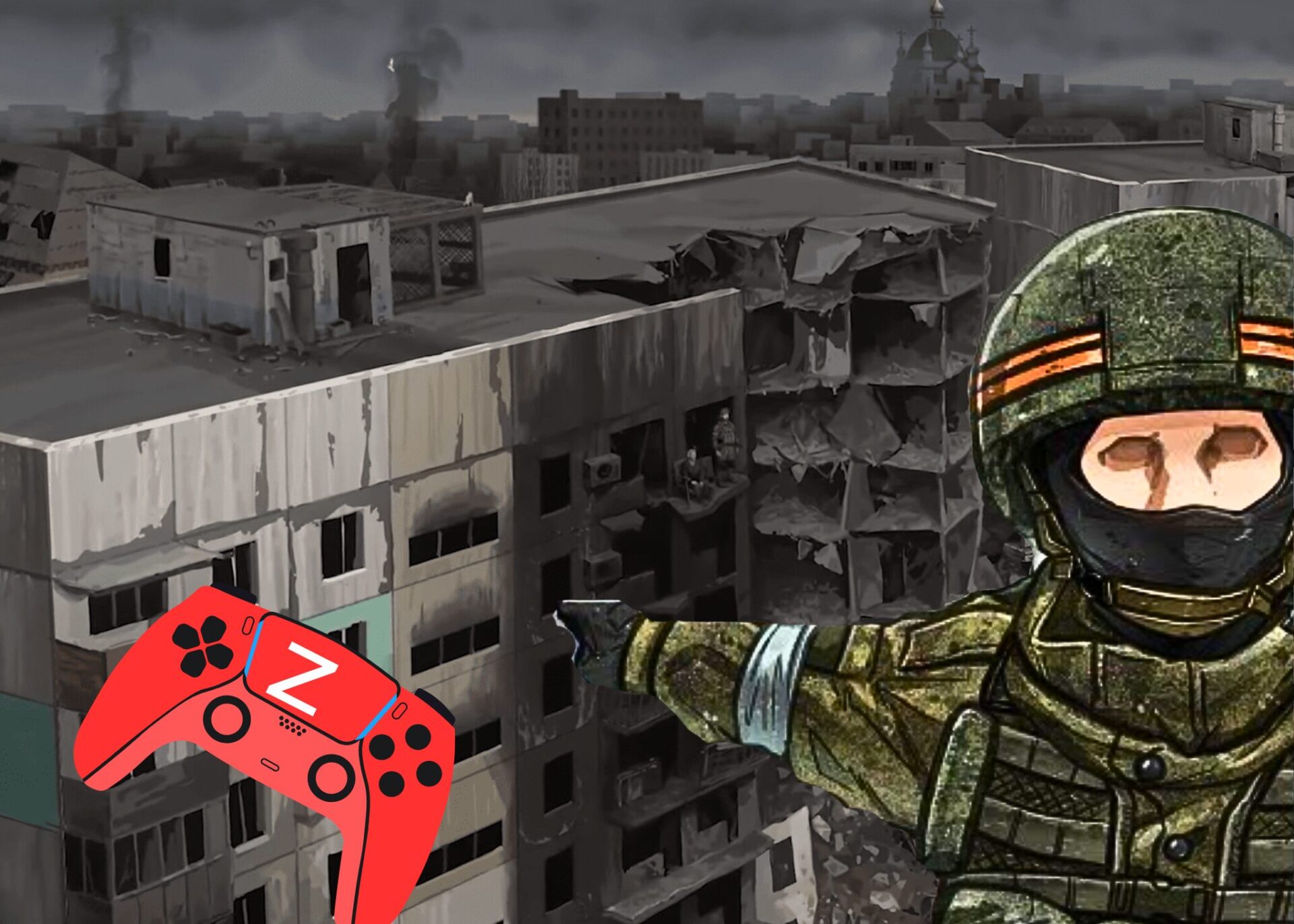


Russia systematically uses video games as a tool for state propaganda, youth militarization, and gamer recruitment. This is highlighted in a study by the NGO LingvaLexa, which analyzes the role of Russia’s gaming industry in spreading the Kremlin’s ideological narratives.
According to analysts, Russian game development is increasingly integrated into the state propaganda system. Content is promoted both “from above” – through state grants, market regulation, and censorship – and “from below” – via gaming communities, streams, esports, and fan clans. Video games allow propaganda to spread subtly, massively, and more effectively than traditional media.
Scale and Elements of Russian Propaganda
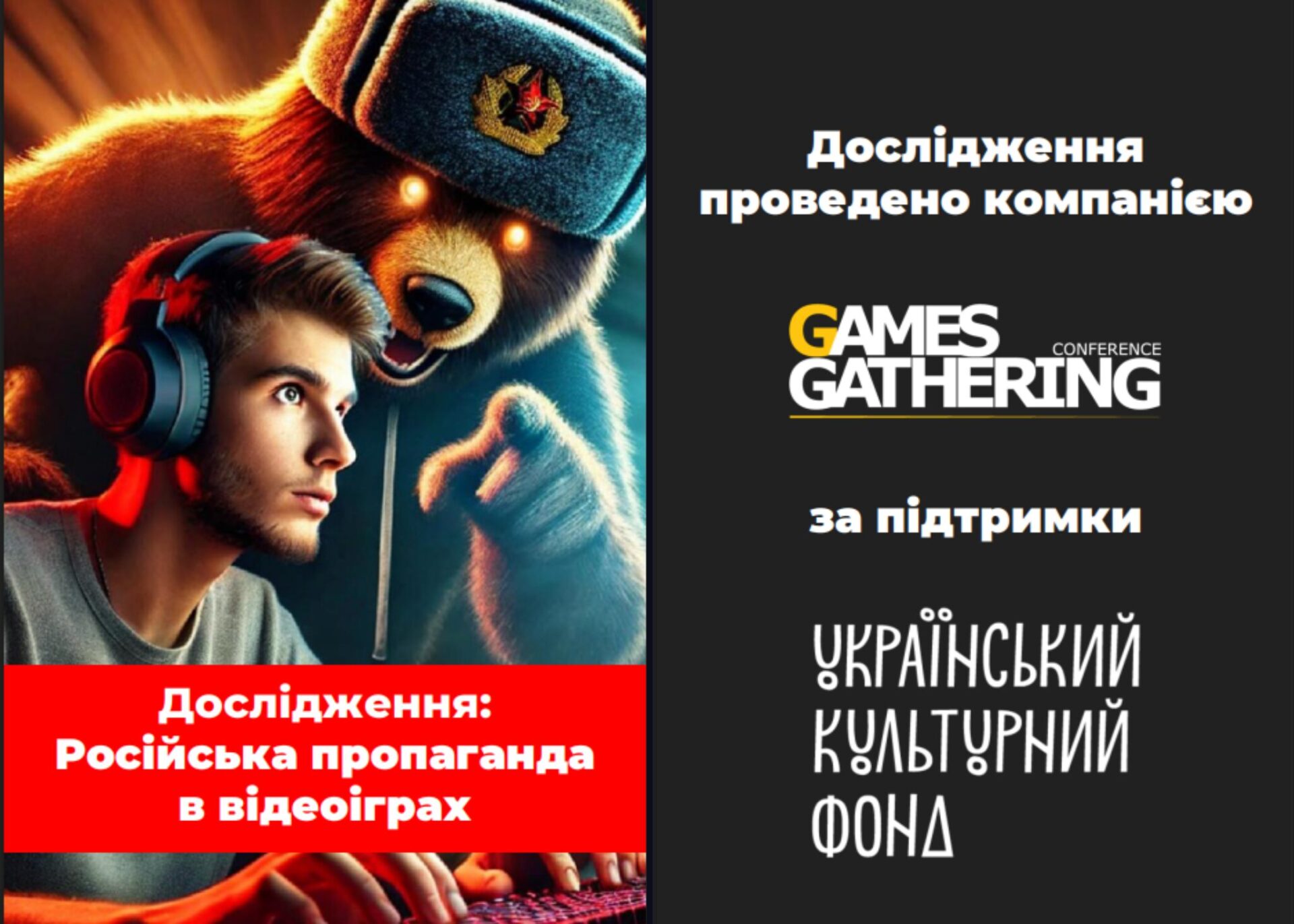
In 80% of video games included in the study “Russian Propaganda in Video Games”, conducted with support from the Ukrainian Cultural Foundation and prepared for the Games Gathering Conference, Russian propaganda narratives were identified. Researchers analyzed 50 gaming projects of various genres – from shooters and strategies to mobile games – and concluded that in 40 of them, propaganda is systemic.
The most common elements include:
-
Positive portrayal of the Russian army and security forces
-
Dehumanization of Ukrainians and justification of the war against Ukraine
-
Distortion of history and rhetoric about “fighting Nazism”
-
Anti-Western messages
-
Use of the Z symbol and other attributes of the “Russian world”
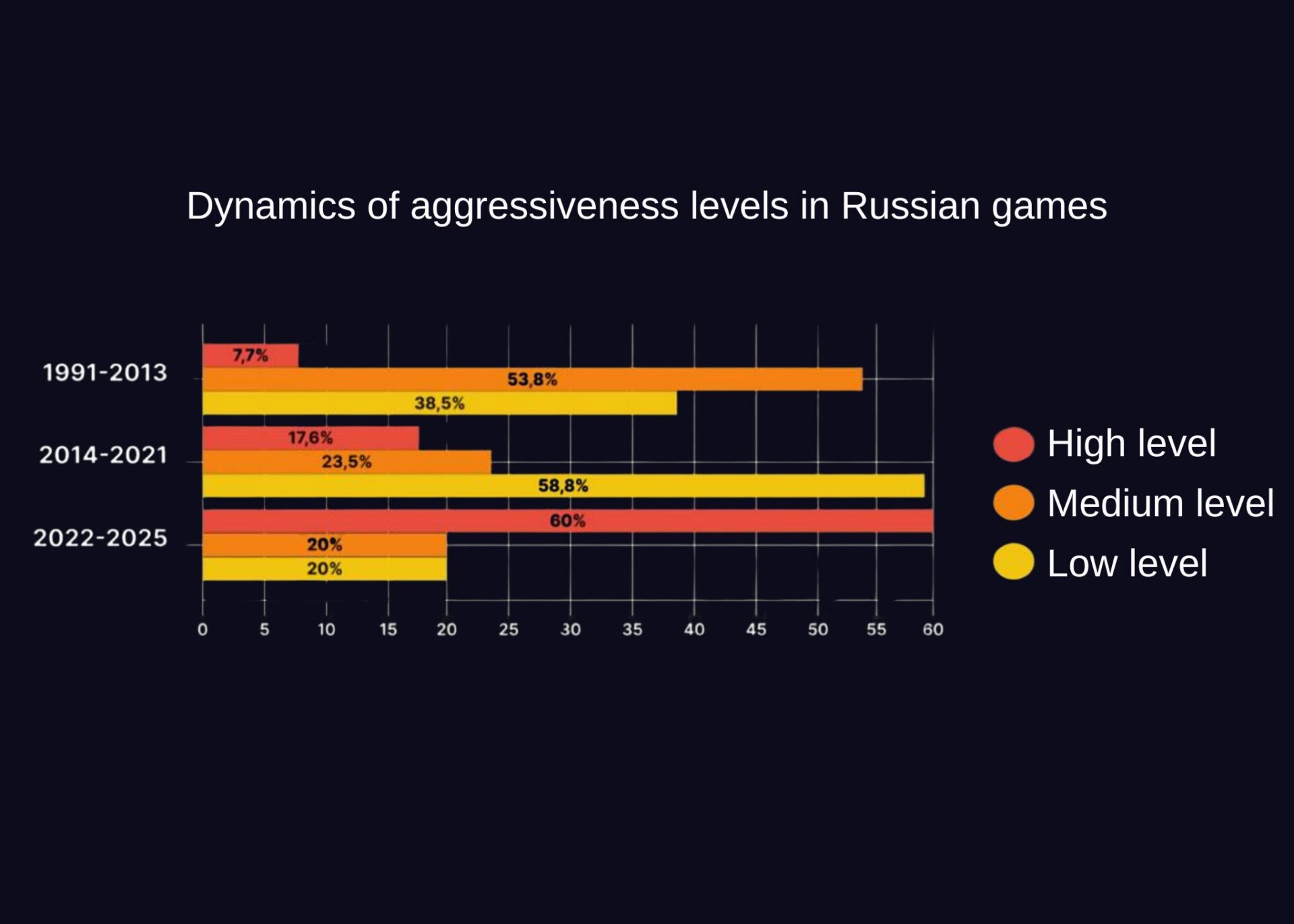
Researchers emphasize that Russian gaming propaganda developed in stages: isolated cases before 2013, growth after the occupation of Crimea, and systemic centralized funding after 2022, involving state structures, including the Russian Institute for Internet Development.
LingvaLexa focused on war-themed games that evolved from simple arcades to realistic simulators with deep emotional engagement of players. These games shape a distorted perception of war, normalize violence, reduce empathy for the “enemy,” and can serve as an environment for radicalization.
The Russian Video Game Market and Its Decline
According to Mykhailo Fedorov, Ukraine’s Minister of Digital Transformation, the Russian video game market ranked 8th in the world in 2021, with revenues of $2.7 billion and a share of active gamers reaching 53% of the population. During the large-scale war, the market shrank by 80%, and many companies, including EA Games, Minecraft, GTA, and CS:GO, left Russia and stopped sales.
Despite the market decline and sanctions, Russia continues to create its own propaganda games, while Russians pirate foreign products and spread their agenda even on inaccessible platforms.
Examples of Propaganda Games
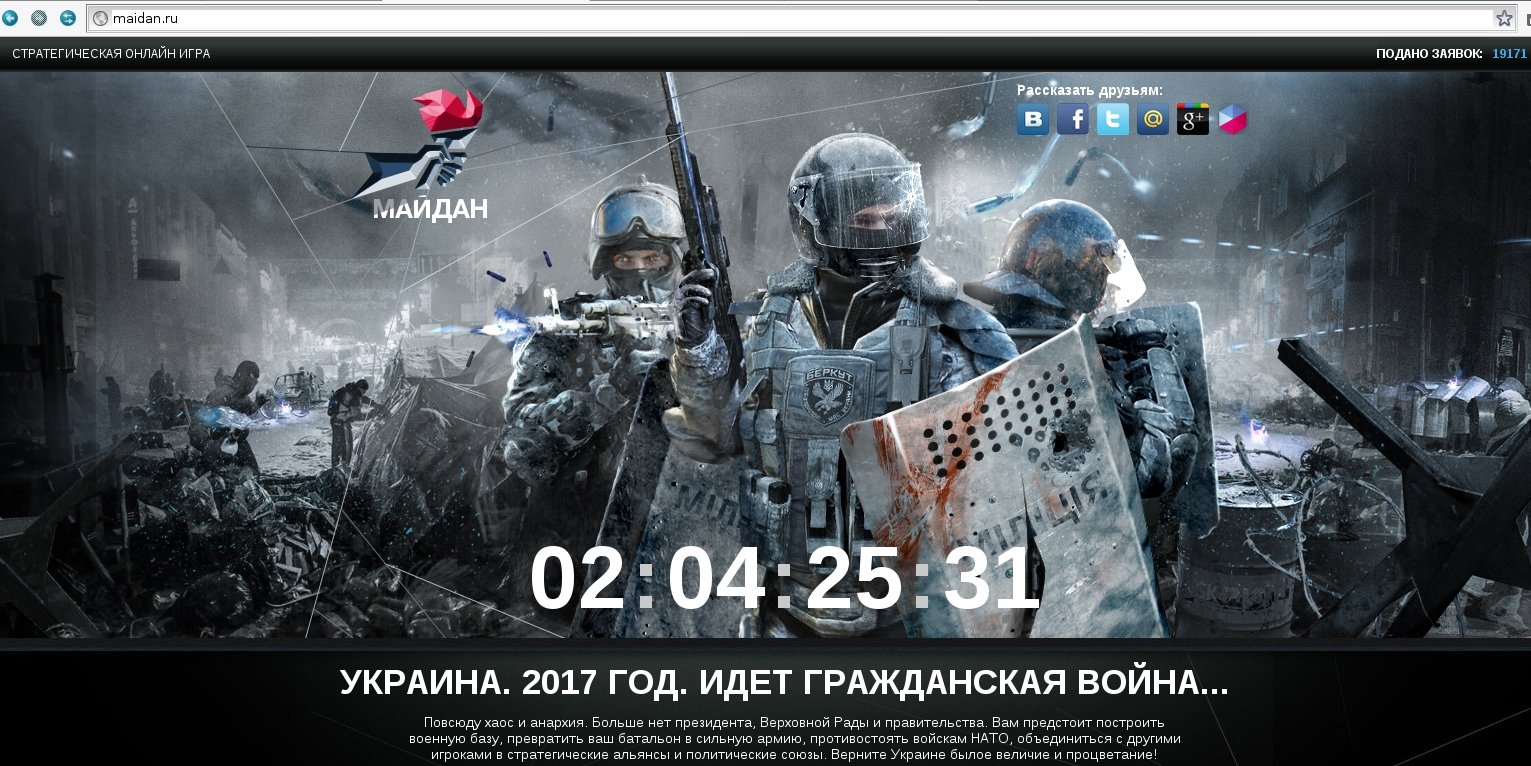
“Maidan.Ru” – depicts Ukraine during the Euromaidan period as a chaotic police state without a president or government, embroiled in a civil war.
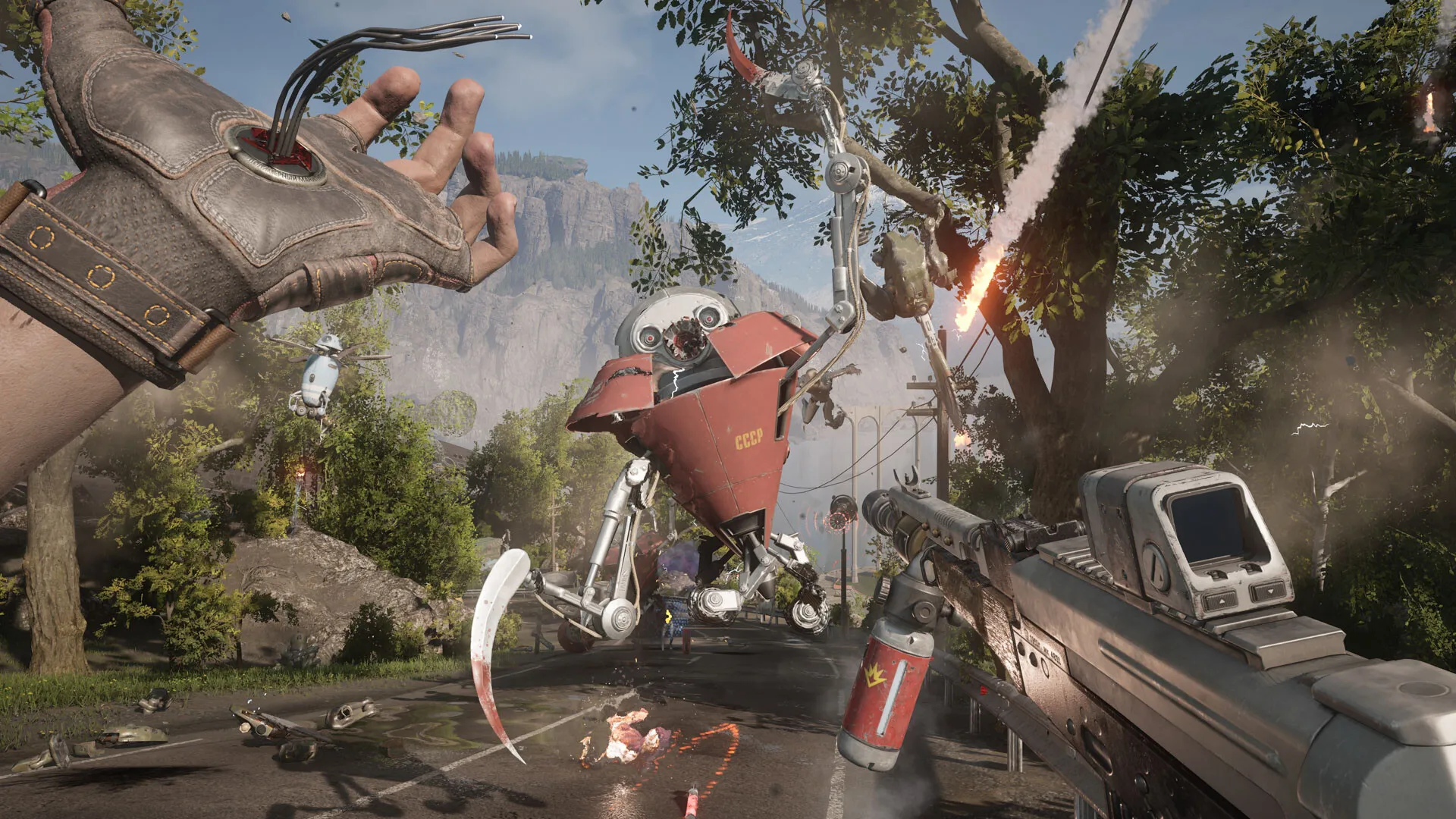
“Atomic Heart” – a game in the USSR-style retro-futuristic setting, where the Soviet past is romanticized, and Ukrainians are portrayed in humiliating ways (“Nazi pigs”), with references to kamikaze drones and the occupation of Ukrainian cities.
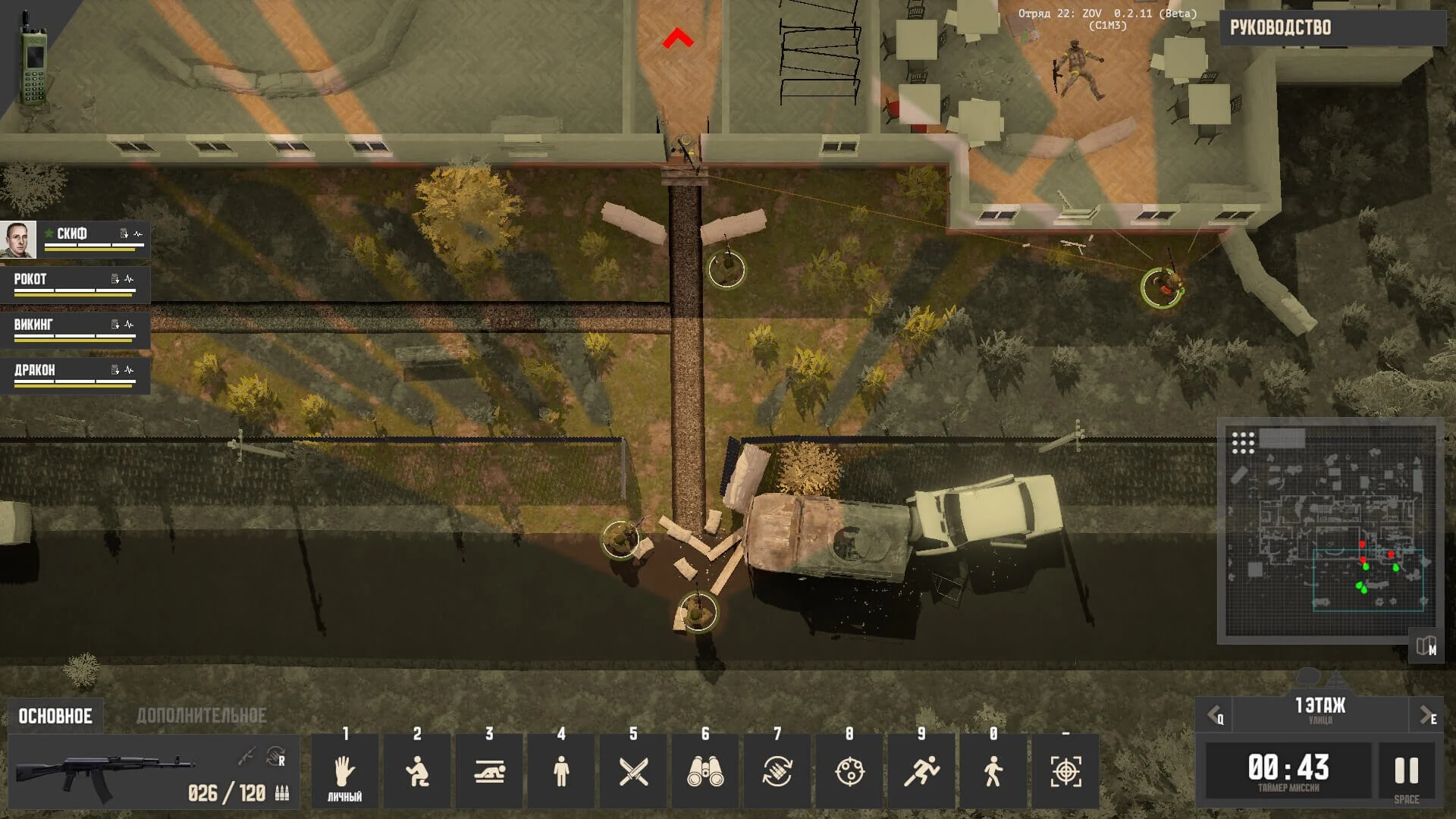
An analysis of the ownership structure of the developer LLC “Braindev” revealed links to the Russian government, Gazprom, Mail.ru Group, Channel One, the political party United Russia, and the terrorist groups L/DPR.
Propaganda narratives are also spread by players themselves: in Minecraft, Roblox, World of Tanks, World of Warships, War Thunder, Russians independently recreate Kremlin scenarios, promoting a positive image of the USSR and a negative image of Ukraine.
Impact of Gaming Communities
Researchers paid special attention to the role of gamer communities. Through a sense of “their own” and high levels of trust within groups, propaganda messages are received less critically. Game series that people play for years can reinforce certain ideological models and perceptions of conflict.
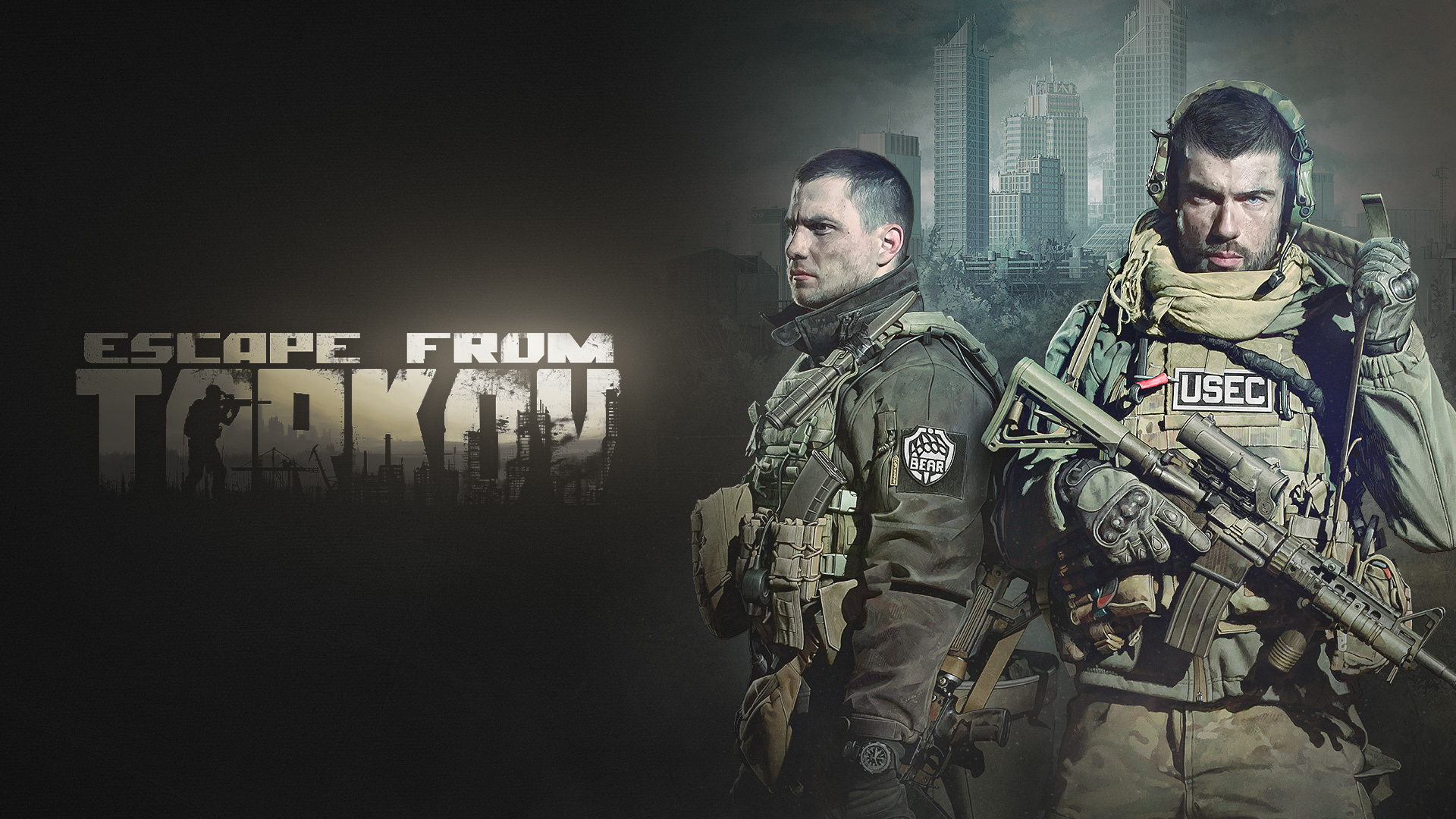
The report provides examples of the use of game symbolism by Russian military and affiliated studios. In particular, researchers mention Escape from Tarkov and its developers’ links to the Russian military-industrial complex, as well as in-game elements that demean Ukrainians and transmit Kremlin narratives.
The authors note that while most of these games are of low quality, commercially successful projects like Atomic Heart demonstrate the potential threat of global dissemination of Russian narratives.
State Censorship and Control
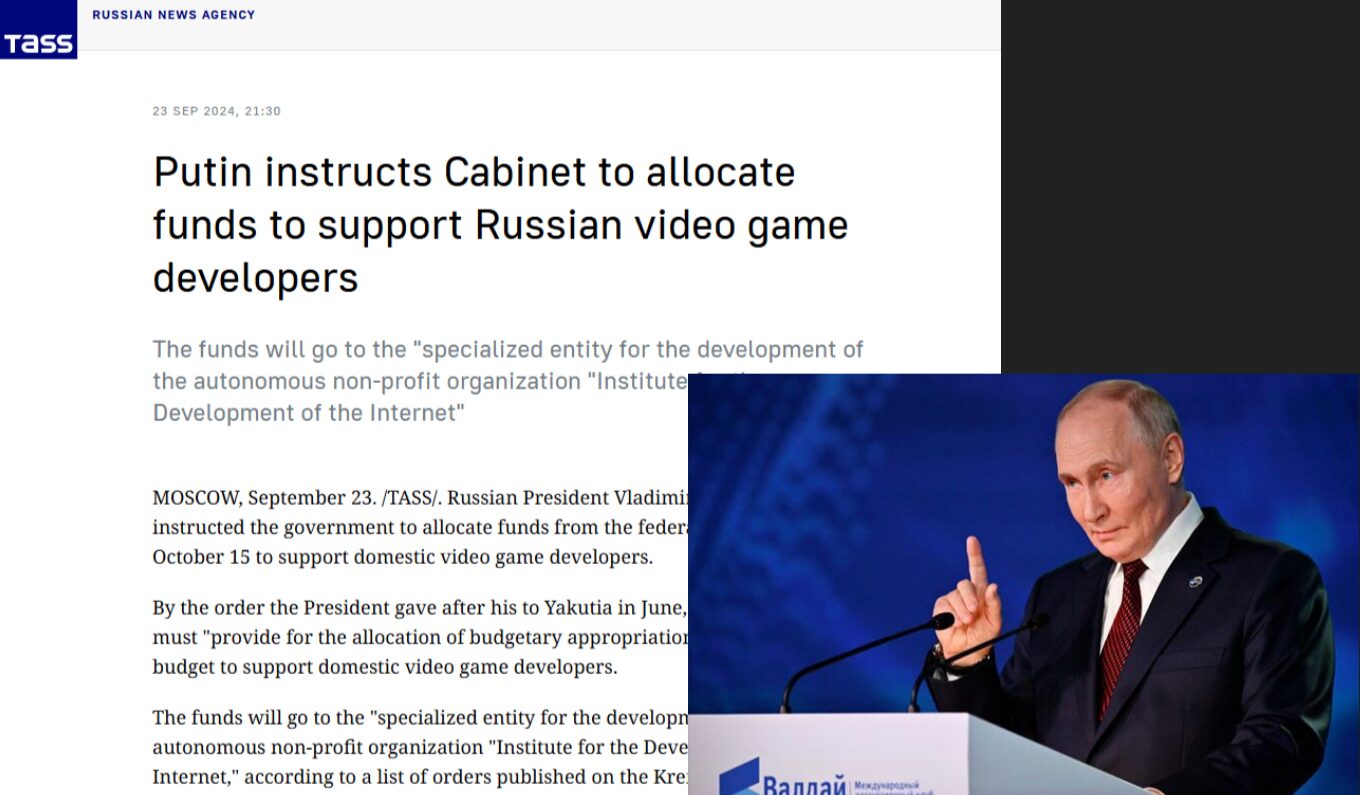
A separate part of the study is dedicated to state censorship. In 2024, Vladimir Putin signed a decree on centralized historical education policy, which includes control over games with “incorrect” interpretations of history. This effectively enshrines state censorship in Russia’s gaming industry. Previously, games showing Russian forces as aggressors were already banned.
Such decisions at the presidential and government level show that video games with propaganda content are no longer the “initiative of individual enthusiasts.” This is already part of a centralized state policy: separate budget lines are established, authorized funds operate as “operators,” and game development is included in the list of information influence tools.
Funding is distributed not to supposedly neutral or cultural projects, but primarily to those that reinforce the desired narratives: glorification of the Russian army, legitimization of the war against Ukraine, and demonization of the West. For studios, this creates a direct incentive to tailor content to the expectations of the funder, as the “correct” ideological stance guarantees access to money.
Militarization of Children Through Games
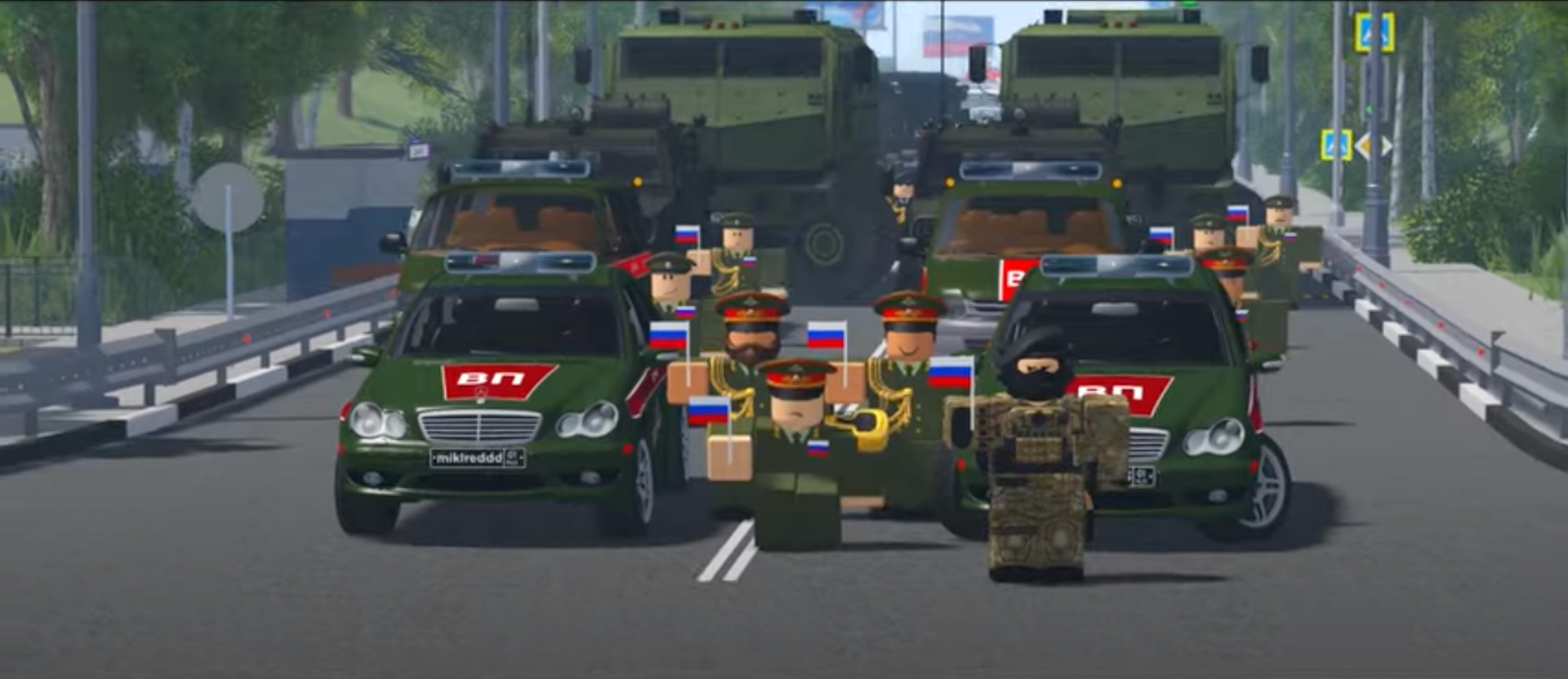
Analysts recorded examples of direct militarization of children through gaming. This includes esports tournaments involving the “Yunarmiya” organization, the use of video games as “manuals” for tactical training, and Minecraft modifications that recreate the war against Ukraine and contain elements of dehumanization of Ukrainians.
Recruitment Through Online Platforms
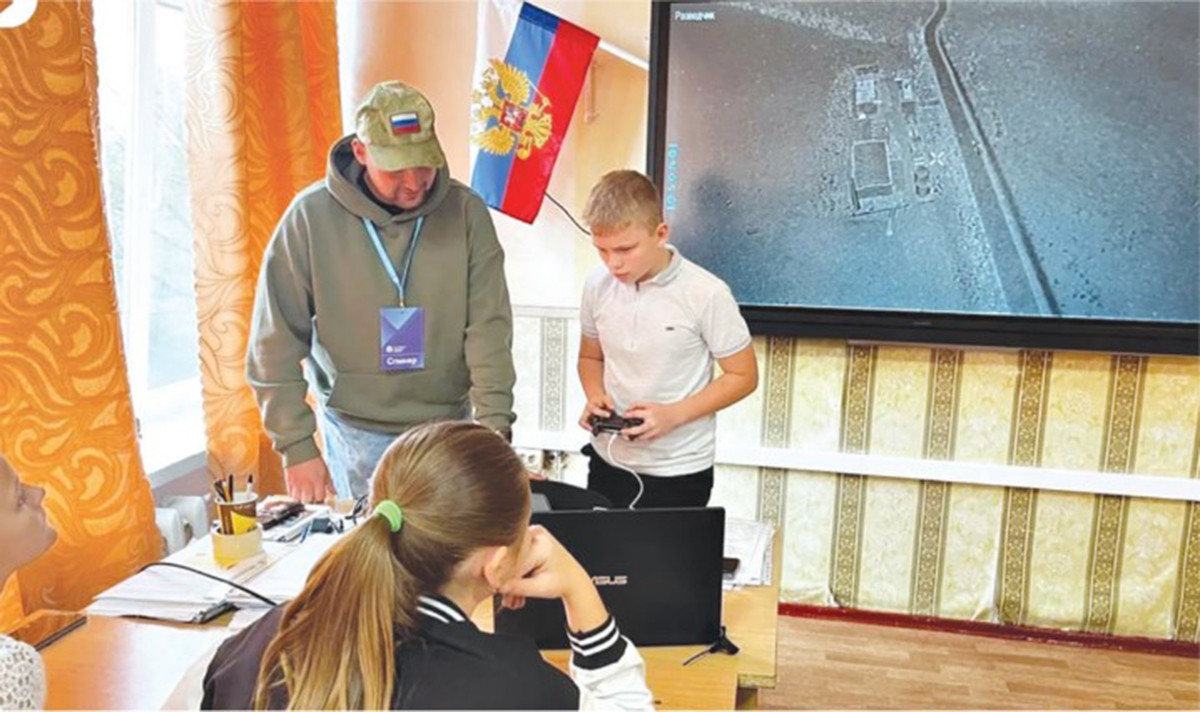
The study also documents recruitment through gaming platforms. In chats of popular games and social networks, there are proposals to join the Russian army on a contract basis and recruitment of gamers with drone-operating skills. Manipulations, out-of-game quests, and gifts in the form of in-game currency are used to engage teenagers.
On the Steam platform, pro-Russian and extremist content spreads: users massively create nicknames, groups, and materials with military symbolism and glorification of aggression against Ukraine.
Why Researching Russian Propaganda in Video Games Matters
The initiative of Games Gathering and the support of the Ukrainian Cultural Foundation show that the influence of Russian propaganda through video games is significant, though often unnoticed. Modern children, teenagers, and youth form their worldview through media, among which video games play a key role. That is why research and systematization of propaganda narratives are critically important to understand potential risks and minimize them.
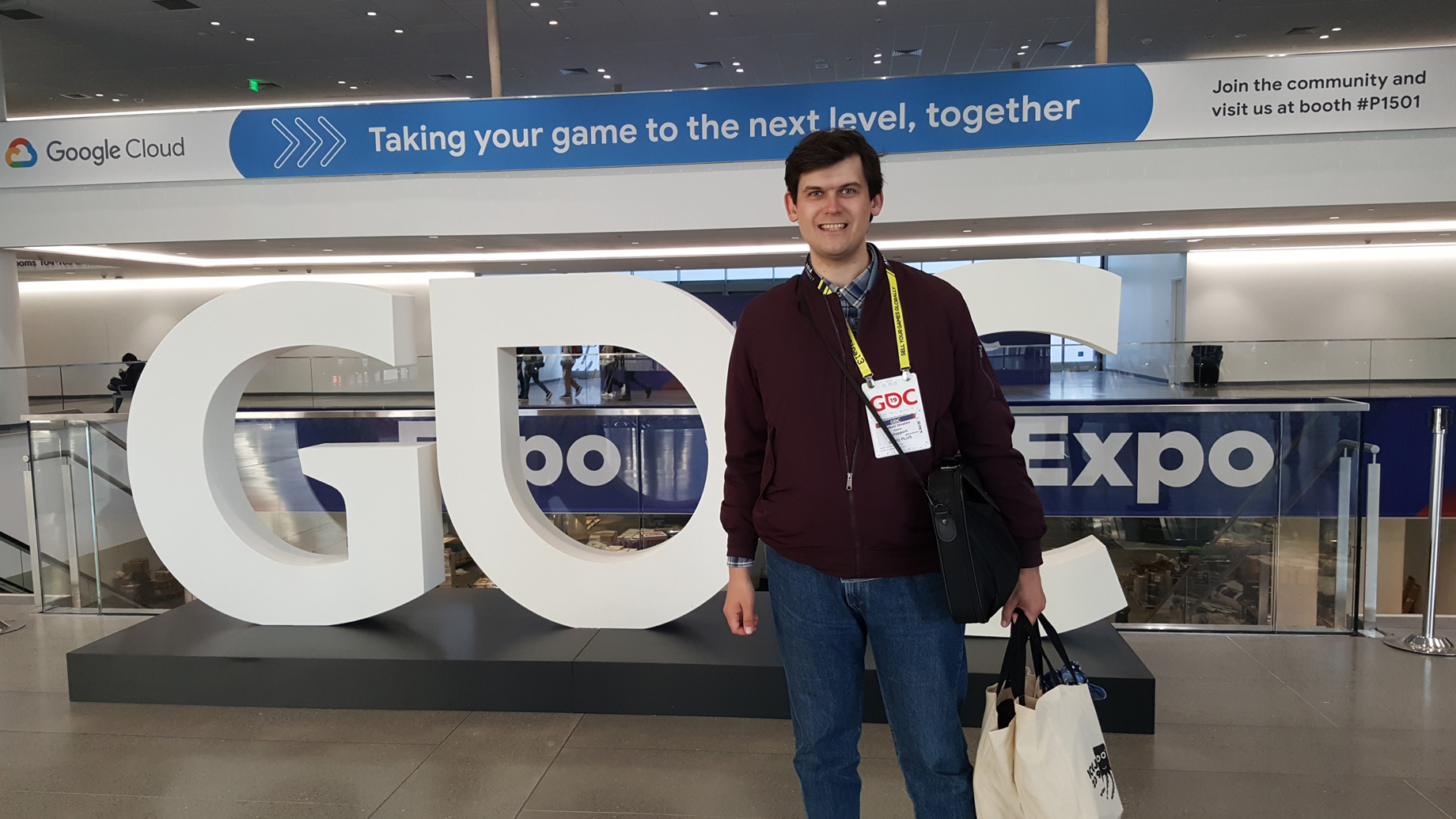
Oleksiy Izvalov, GGJ regional coordinator, emphasizes that video games are a powerful tool for shaping worldview, especially at the subconscious level. In hybrid wars, they act as a “soft power,” forming loyalty to the aggressor and devaluing the values of democratic systems.
Analyst Serhiy Syrbu adds that an important aspect is the infrastructure for game distribution – marketplaces, online communities, and mods. Without participation of state institutions and international platforms, it is difficult to control pro-Russian content, but cooperation with experts and stakeholders allows the creation of effective mechanisms to counter propaganda.
Conclusion
LingvaLexa’s research and analysis of 50 video games show that Russia systematically uses the gaming industry as a tool for propaganda, militarization, and youth recruitment.
Video games have become an effective channel for spreading ideological narratives, normalizing violence, and shaping a distorted perception of war. Particularly dangerous is the combination of state support, censorship, and the influence of gaming communities, which allows propaganda to penetrate subtly and become ingrained in players’ minds.
Given the widespread popularity of games and gamer culture, researchers urge users to critically assess content, pay attention to ideological messages, and avoid radical communities.
At the same time, international platforms and states are advised to strengthen content monitoring, ensure funding transparency, and develop educational programs for safe game use. Only a comprehensive approach can minimize the risks of using video games as a mechanism for propaganda and recruitment.
Anna Romaniv