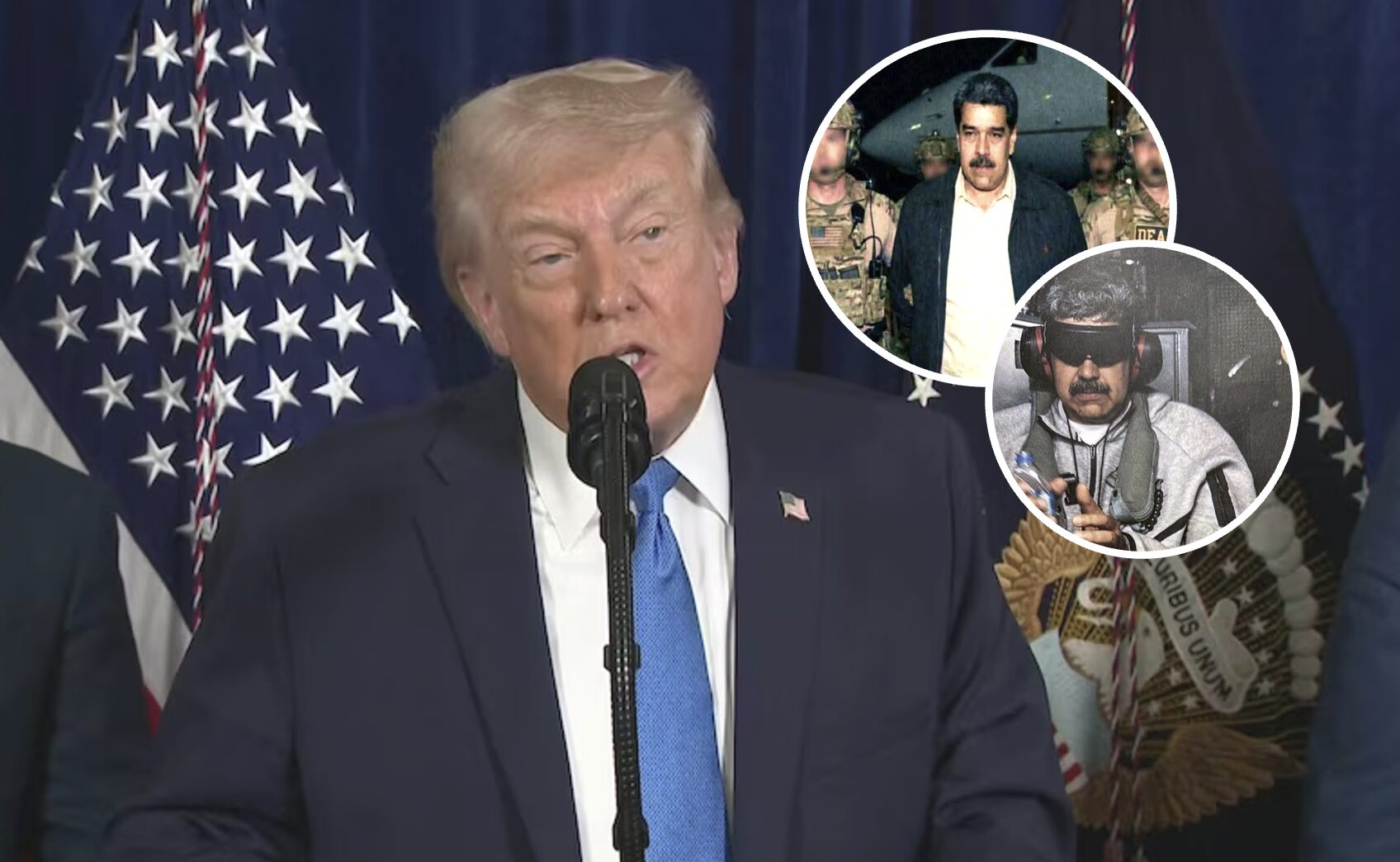


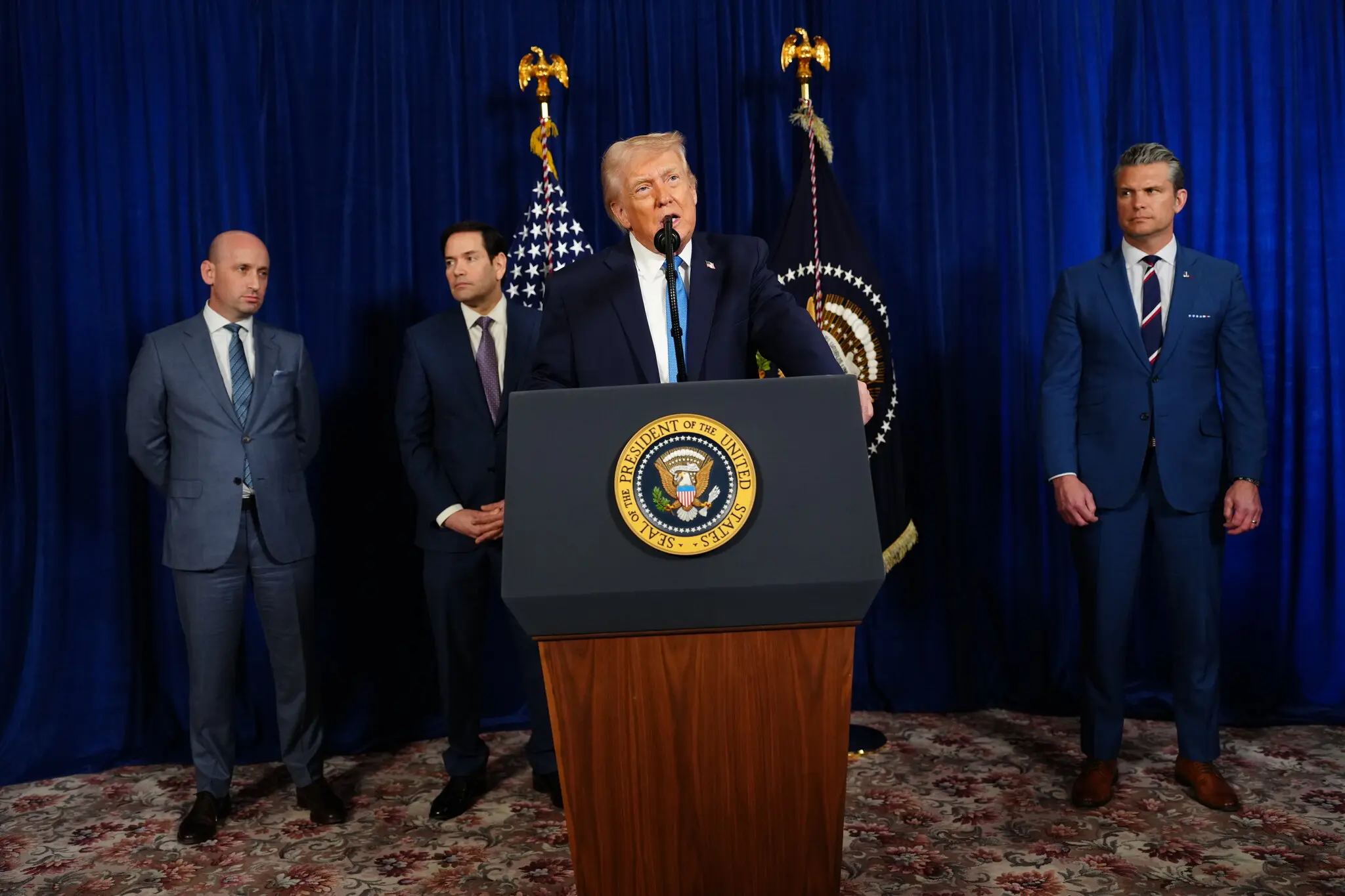
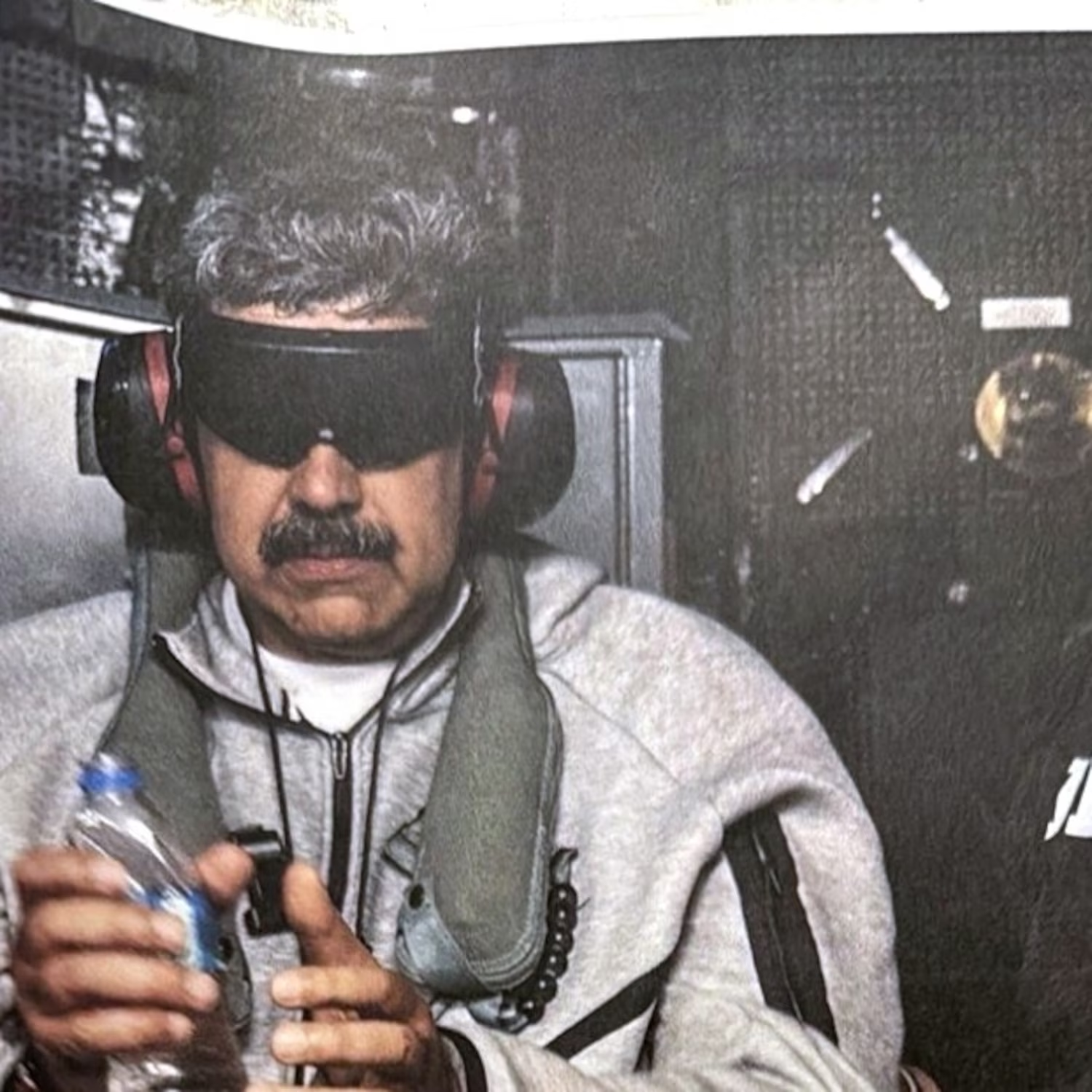
Donald Trump said that the United States removed Nicolás Maduro from power, took control of Venezuela, and is ready to “run the country” until “the proper transition can take place.” He made these remarks during a press conference at Mar-a-Lago in Florida on Saturday, January 3, 2026. Speaking alongside top officials from U.S. security agencies, he called the operation “people have not seen since World War II.”
Venezuela: Force, Oil, and Direct Control
Trump’s statement marks a clear shift in the U.S. approach to Venezuela. The country has moved from years of sanctions, diplomatic pressure, and support for the opposition to direct military intervention. The arrest of Nicolás Maduro and Washington’s plan to temporarily manage the situation shows that the U.S. is ready to act as a kind of external administrator until a so-called “controlled transfer of power.”
In practice, this describes a model of temporary administrative (or controlling) authority without a formal mandate from international institutions.
So we are going to run the country until such time as we can do a safe, proper, and judicious transition. And it has to be judicious because that’s what we’re all about. We want peace, liberty, and justice for the great people of Venezuela, Trump said.
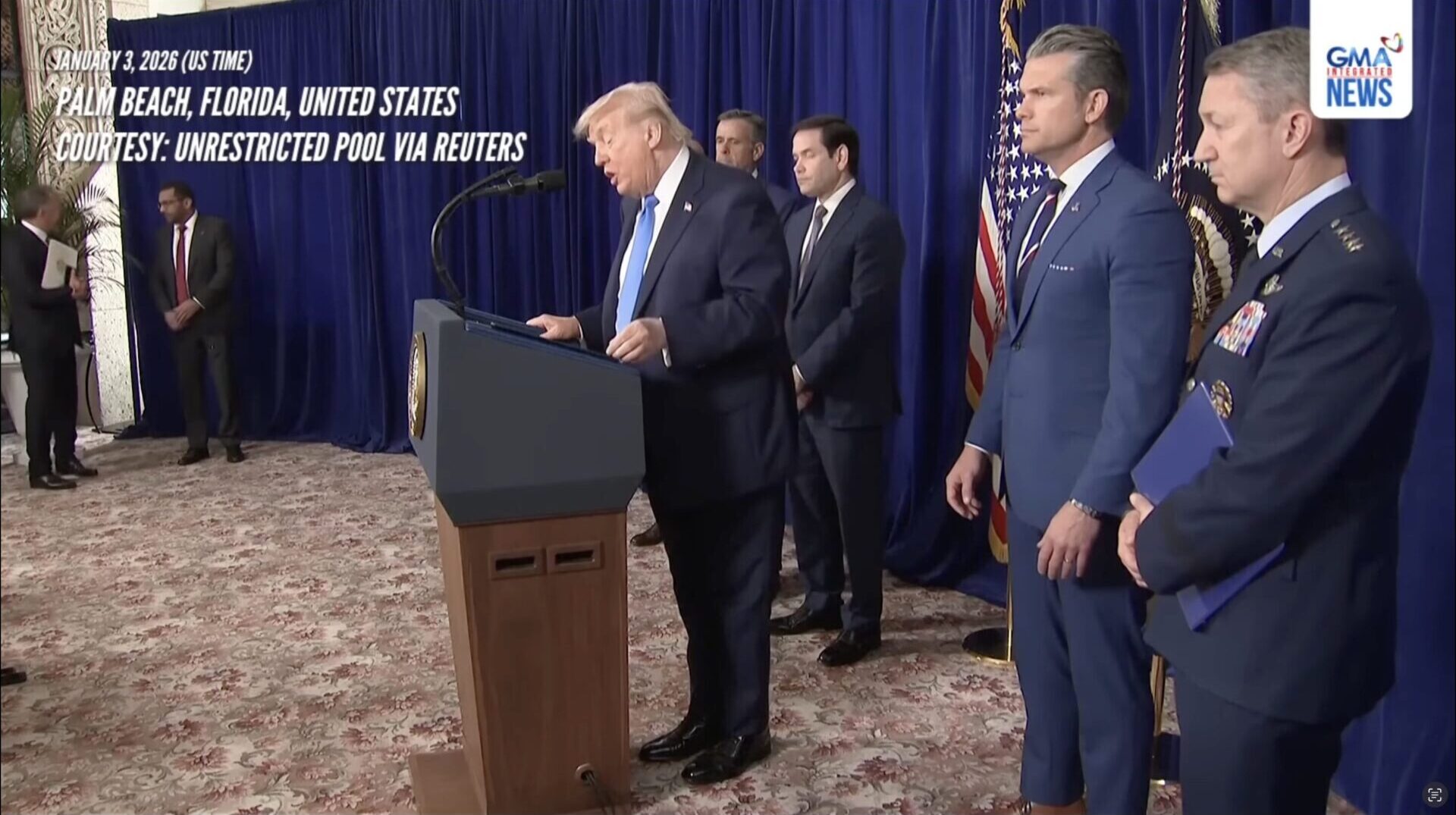
He directly linked the operation to oil. According to him, U.S. companies will “spend billions of dollars” to restore Venezuela’s energy and transport infrastructure. The profits will go to the “people of Venezuela” and to reimburse U.S. costs. Trump emphasized that the operation “cost America nothing,” noting that no American service members were killed and no equipment was lost during the mission. He did not rule out the possibility of similar large-scale operations in the future.
Dictator, Cartels, and “Threat to the West”
Trump framed the operation in a wider security context. He said Venezuela had become a hub for drug trafficking, transnational criminal groups, and a base for “hostile regimes” in the Western Hemisphere. He described “the illegitimate dictator Maduro as the kingpin of a vast criminal network responsible for trafficking deadly drugs into the United States” and linked his regime to cartels operating directly in the U.S..
In this way, the operation was presented as part of U.S. domestic security.
Ukraine and Russia: War He “Inherited”
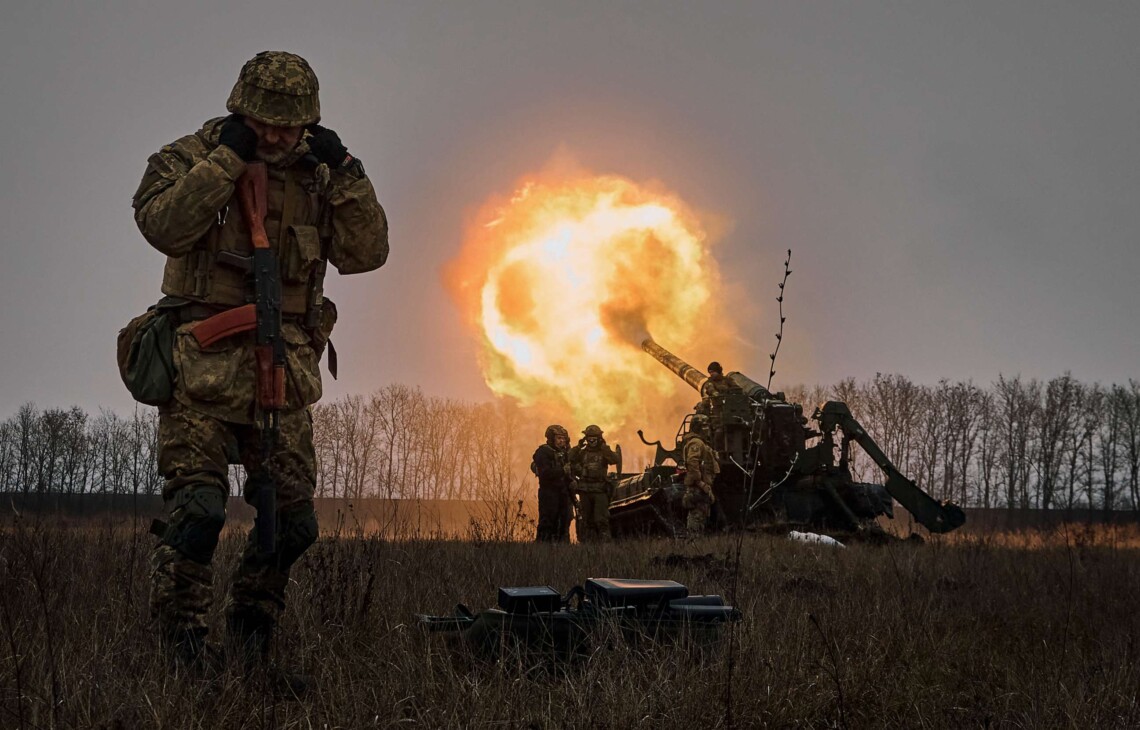
Trump spoke less about Ukraine, but his remarks were still revealing. He repeated that Russia’s full-scale war against Ukraine is a conflict he “inherited from Biden, Zelensky, and Putin.” At the same time, he said he is “not thrilled with Putin” because, in his words, the Russian leader “kills too many people.”
Trump mentioned the number of casualties and said he wants to end the war. However, he admitted the situation has been harder than he expected.
I thought the war between Russia and Ukraine would be one of the easier ones to solve. It’s not, he said.
He also stressed that the U.S. continues to supply Ukraine with weapons and missiles through NATO, but “does not lose money.”
Russia as Factor, Not Enemy
In Trump’s rhetoric, Russia does not appear as an existential enemy of the West. Instead, it is a problem “to manage” through agreements, pressure, and resources. He avoids strong statements about the Kremlin and its leader. He does not talk about defeating Russia as a goal. Instead, the focus is on “realism” and the need to end the war without clearly defining the aggressor’s responsibility or security guarantees for Ukraine.
Conclusions
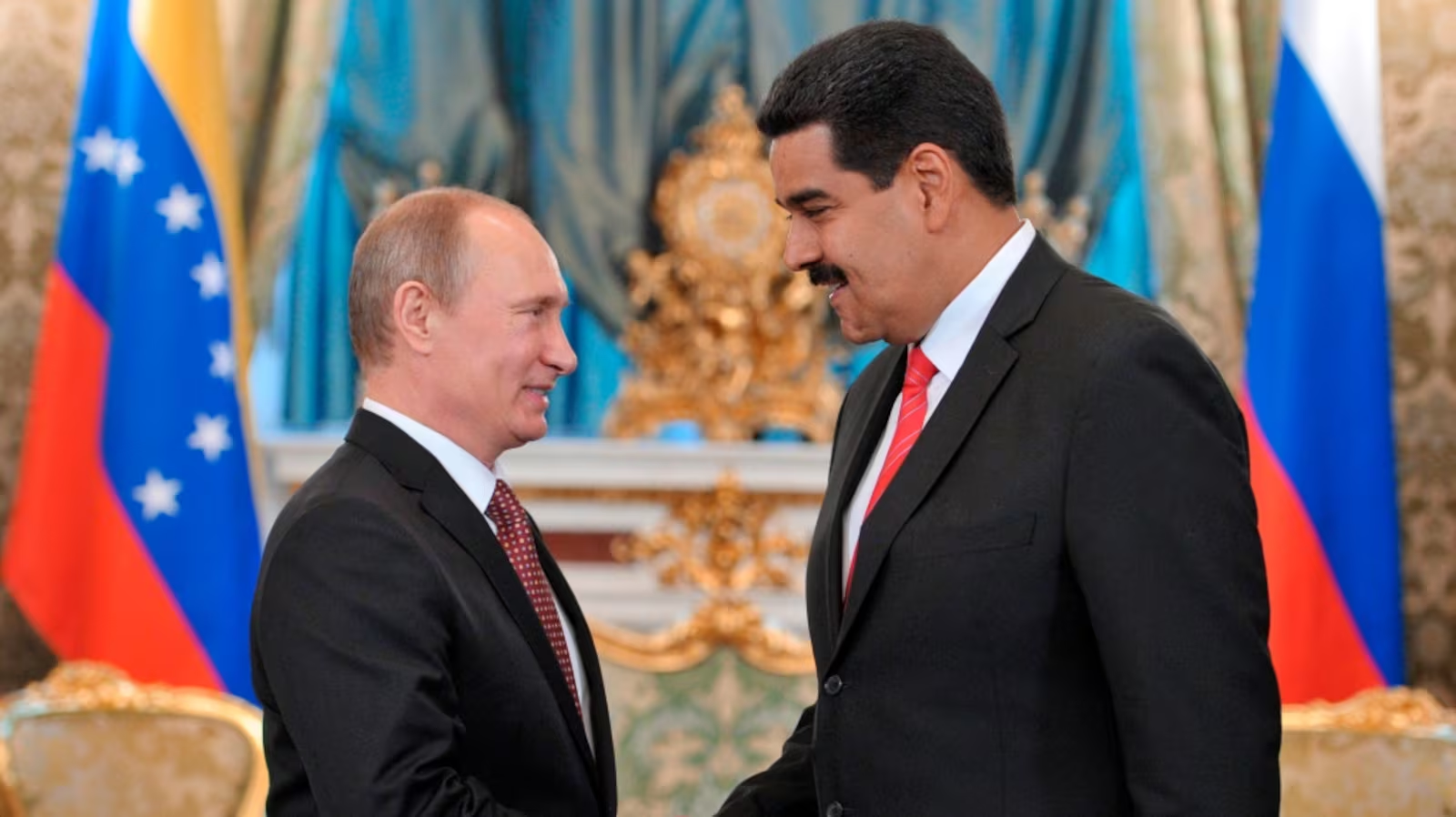
At the Mar-a-Lago press conference, Trump said the U.S. took control of Venezuela after removing Maduro and is ready to temporarily run the country. He said American companies will invest in infrastructure restoration, and the U.S. will continue supplying Ukraine with weapons. In this situation, Russia appears as a factor for negotiations rather than a target for coercion. At the same time, the changes in Venezuela may be unwelcome for Moscow because of Maduro’s friendly ties with Putin. How events unfold from here will depend on how the situation develops.