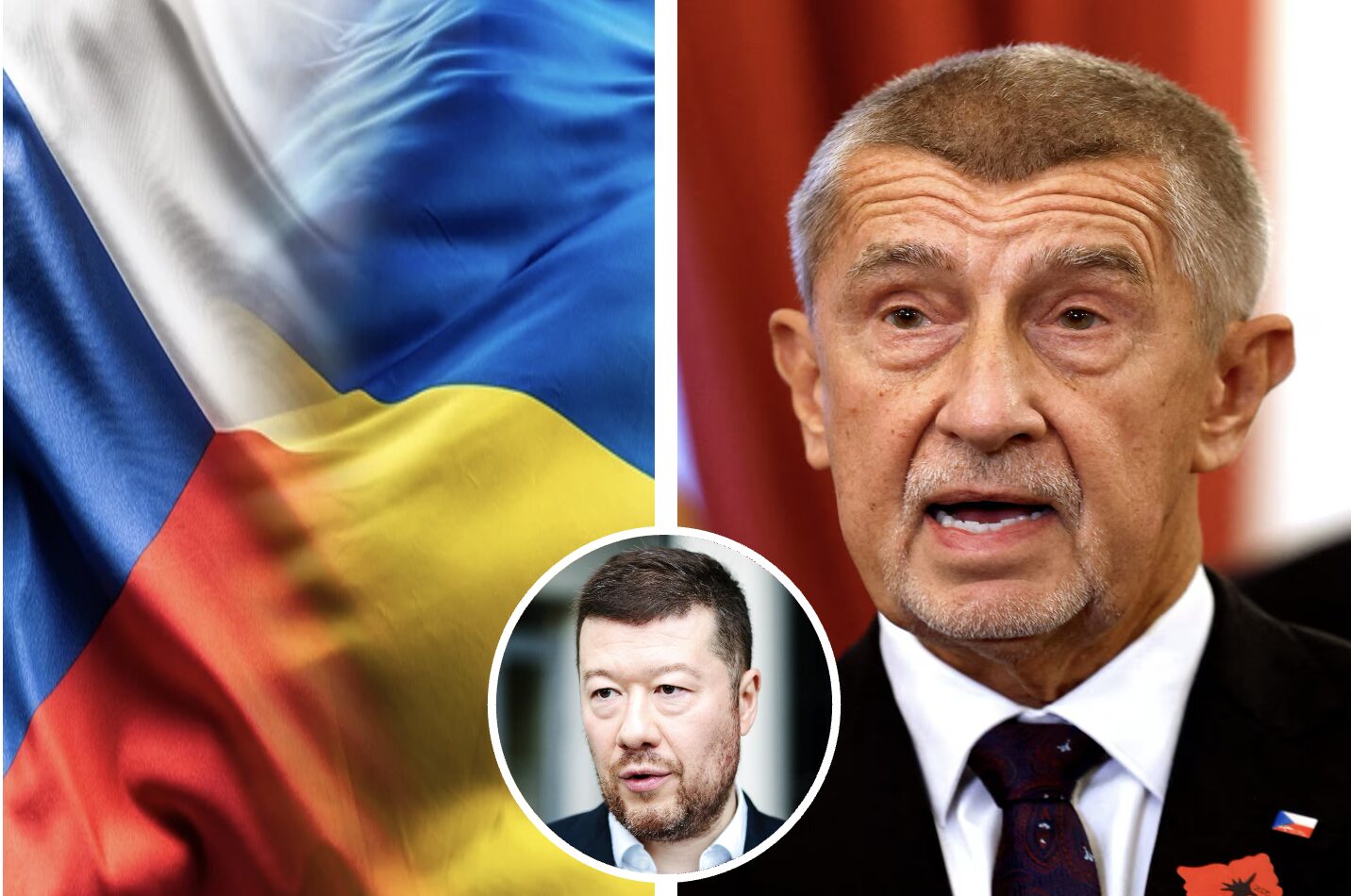


The Czech Republic remains one of the countries supporting Ukraine. However, the new government is not ready to guarantee loans for Kyiv. Prime Minister Andrej Babiš openly stated this in an interview with the newspaper Deník.
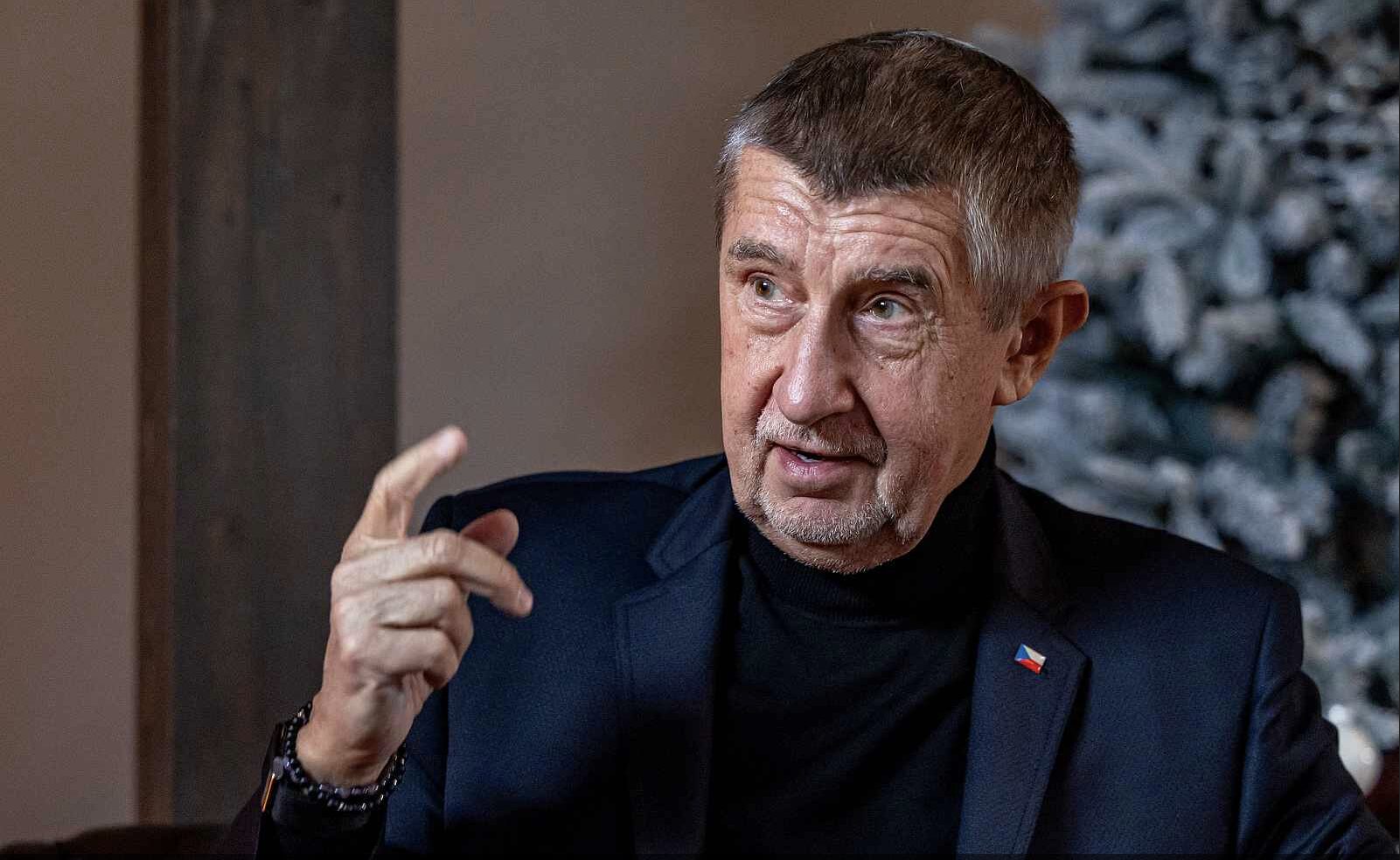
Babiš’s Return and a New Political Tone
Andrej Babiš’s victory in the October elections and his appointment as prime minister in December changed not only the government but also the political tone.
His slogan, “Czech Republic First,” mentioned in the Deník interview, became a framework for all his subsequent statements. According to this approach, Ukraine increasingly appears as an external issue competing with voters’ domestic needs. This does not mean a full break with Kyiv, but it signals a certain cooling of the rhetoric.
Babiš also clearly states that the new government no longer plans to base its policies on the war.
Unlike the previous government, we will not scare people with war and constantly talk about other countries. We will focus on on the Czech Republic, he emphasized.

Ukraine: Support Without New Guarantees
At the EU summit in December, Czechia supported a resolution on aid to Ukraine but refused to guarantee loans for Kyiv. Babiš explained this with economic limitations, stressing that the national budget is not ready for new risks.
We can no longer give money to Ukraine from the budget because we do not even have enough for school cooks. A guarantee is basically a debt, since it is obvious that Ukraine will never be able to pay it back, the prime minister said.
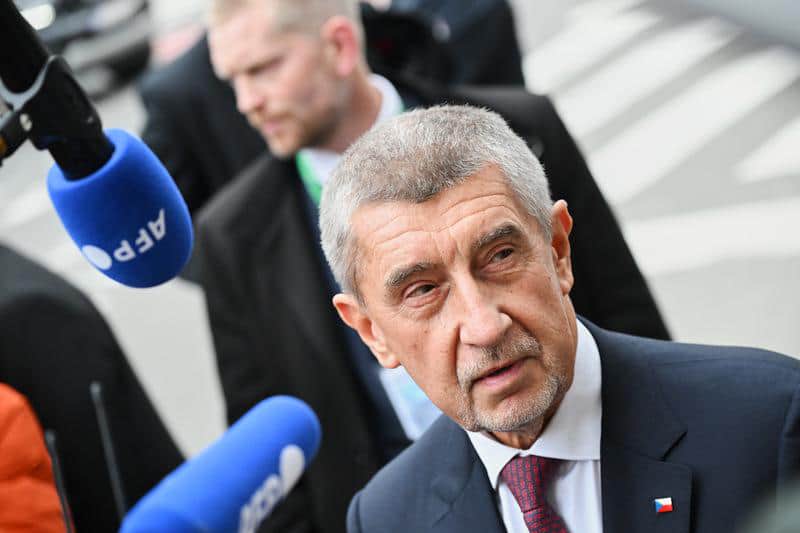
Babiš reminded that Ukraine has already received significant support through European mechanisms, with the Czech contribution mainly coming via EU funding. Therefore, responsibility for further assistance effectively shifts to the “collective Europe.” According to him, Ukraine has already received €187 billion, another €100 billion is planned in the new multiannual EU budget, and an additional €90 billion comes in loans.
In total, that is €377 billion. We contribute 60 to 62 billion crowns to the EU budget every year. So we are helping through this, he explained.
Peace as an Argument — Without Conditions
Babiš pays special attention to the topic of peace. He criticizes European leaders for, in his view, talking too little about ending the Russo-Ukrainian war. He publicly presents his own initiatives—from a “Christmas truce” to a “symbolic date” for the war’s end in 2026.
However, these statements lack the main element—discussion of conditions. Peace is presented as an end in itself, separate from the aggressor’s responsibility. Even when acknowledging that some points of the plan proposed by Donald Trump were “practically capitulatory” and were not accepted, Babiš insists on “realism” and repeats that victory over Russia is impossible.
We must be realistic: if someone claims we will defeat Russia, experts say—no, the prime minister said.
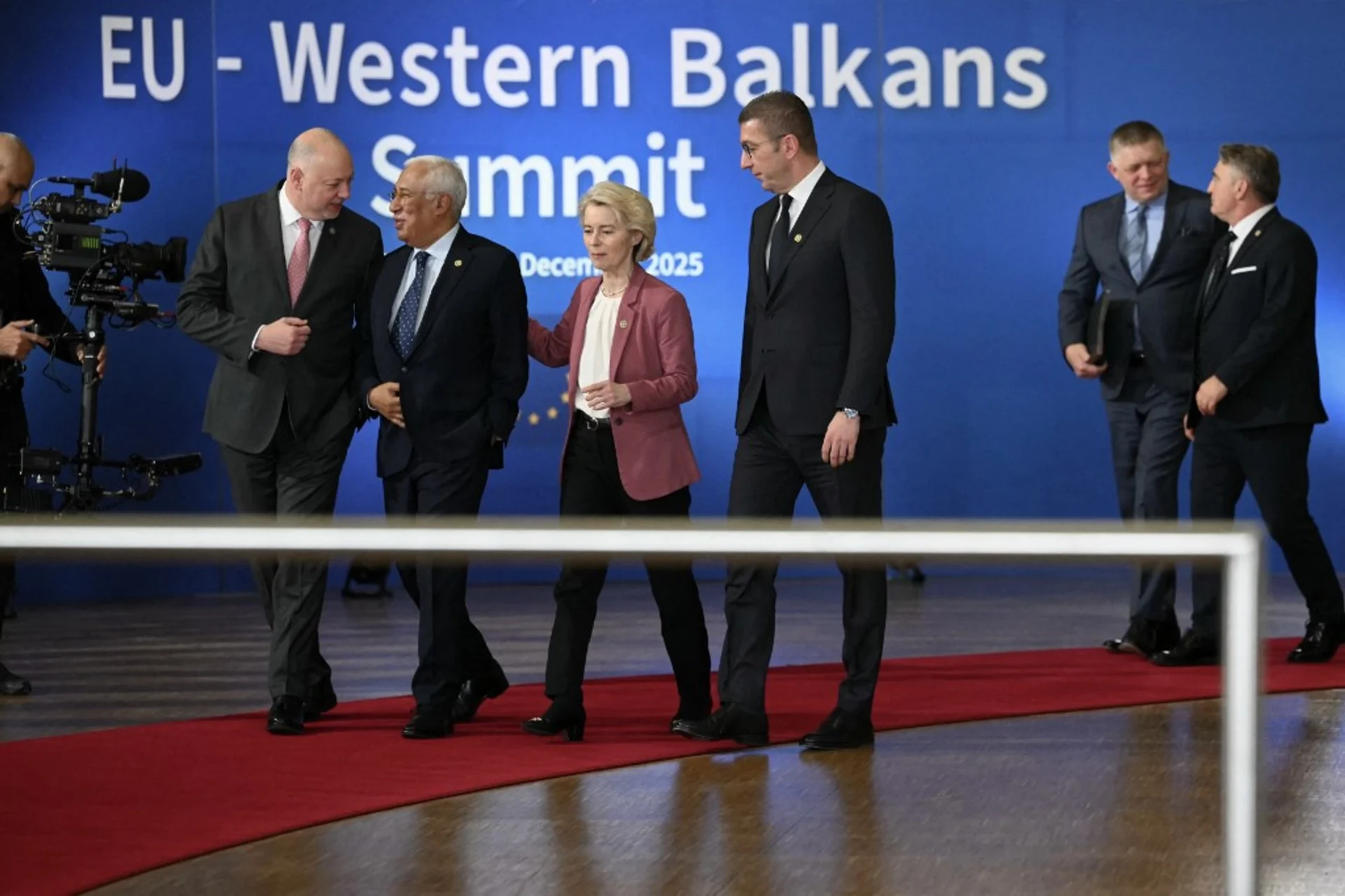
Babiš also expressed frustration that, at the EU summit in December, according to him, “there was almost no talk about peace.” He said he proposed the idea of a “Christmas truce” to French President Emmanuel Macron, and February 24, 2026, as a date to end the war.
Let the big leaders finally organize this, because 50,000 soldiers die there every month, he stated.
In reality, however, the situation is different. Any “peace initiative” without clear accountability for the aggressor means only one thing—a postponed war.
Anti-Ukraine Rhetoric and Resistance Within the Czech Republic
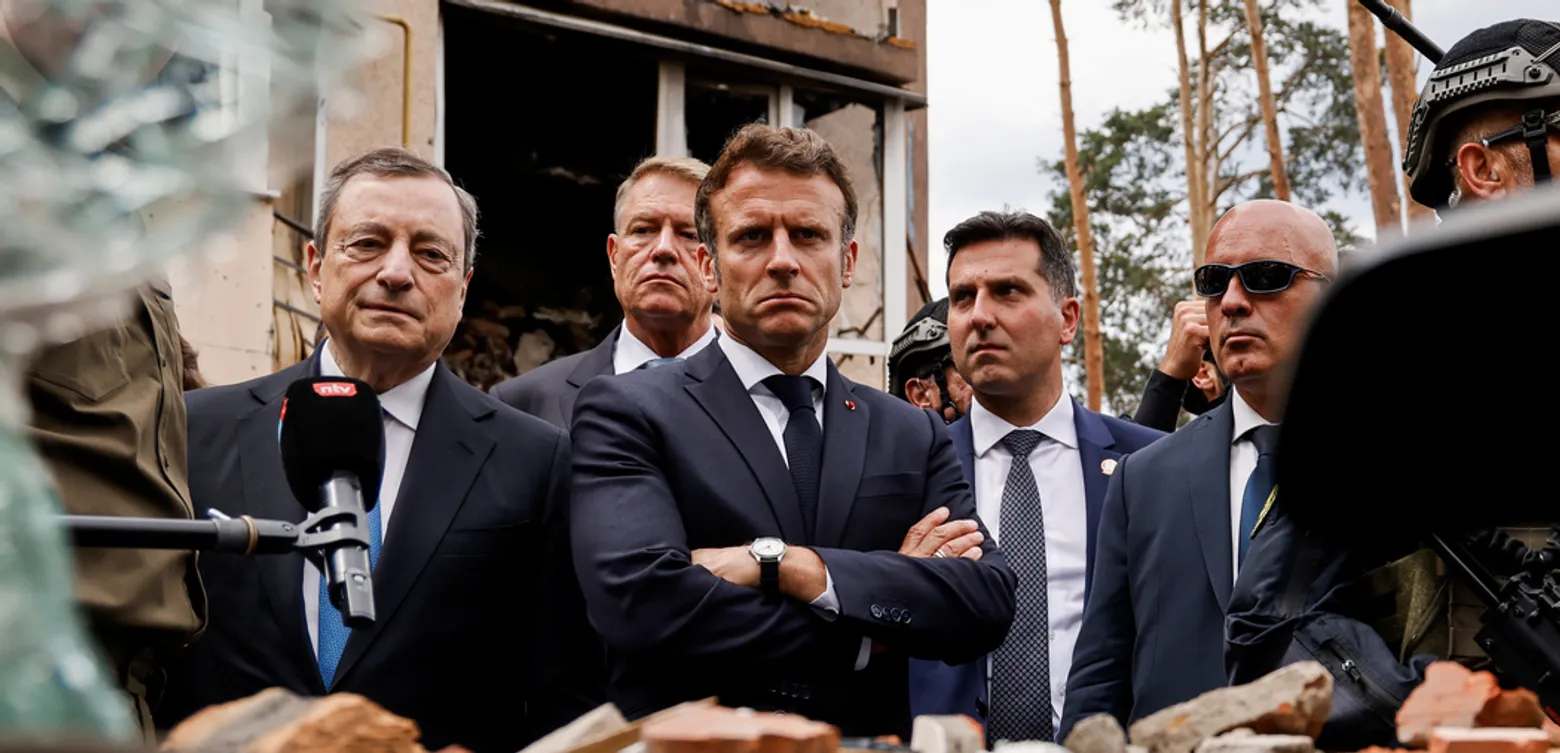
At the same time, it would be wrong to reduce the Czechia’s position to a single person. A notable example was the reaction to the New Year speech of Chamber of Deputies Speaker Tomio Okamura. His speech contained sharply anti-Ukrainian statements and sparked outrage among the opposition.
It is impossible to use money that belongs to pensioners, disabled people, and families with children to buy weapons and send them to continue a completely senseless war. We cannot give our citizens’ money to foreign citizens just because pro-war propaganda wants it, Okamura said.
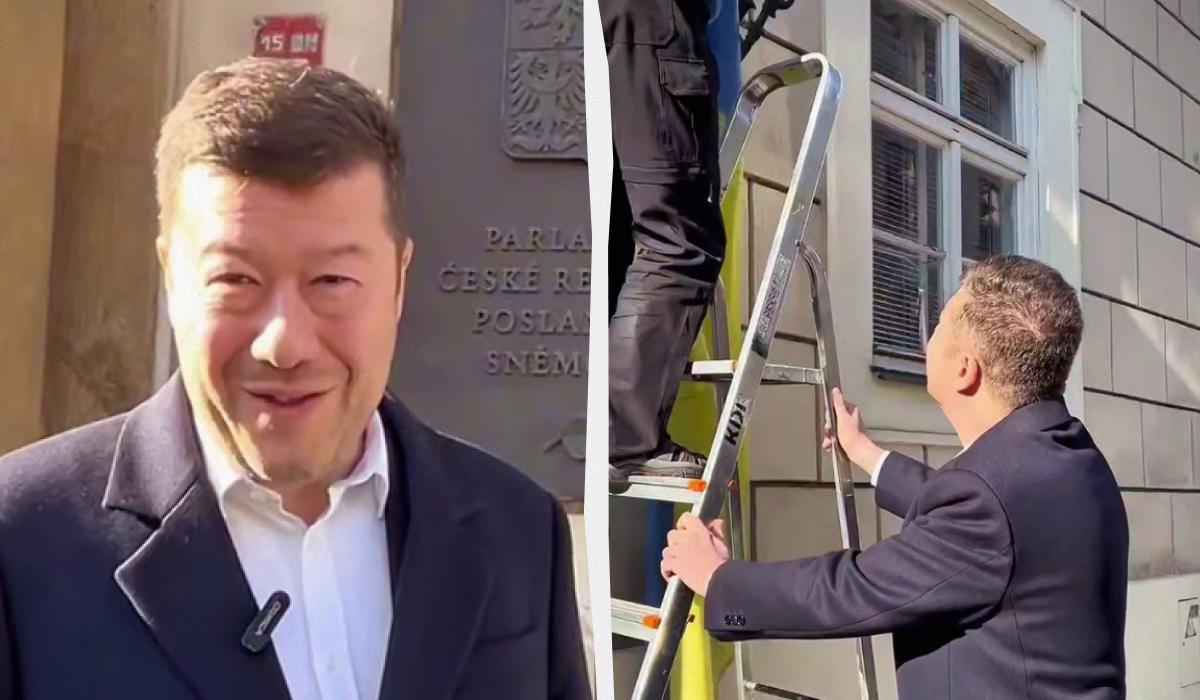
After this “loud” statement, according to České Noviny, leading democratic parties announced they were ready to initiate the speaker’s dismissal. They called his statements unacceptable for an EU member and a “disgrace for the country.”
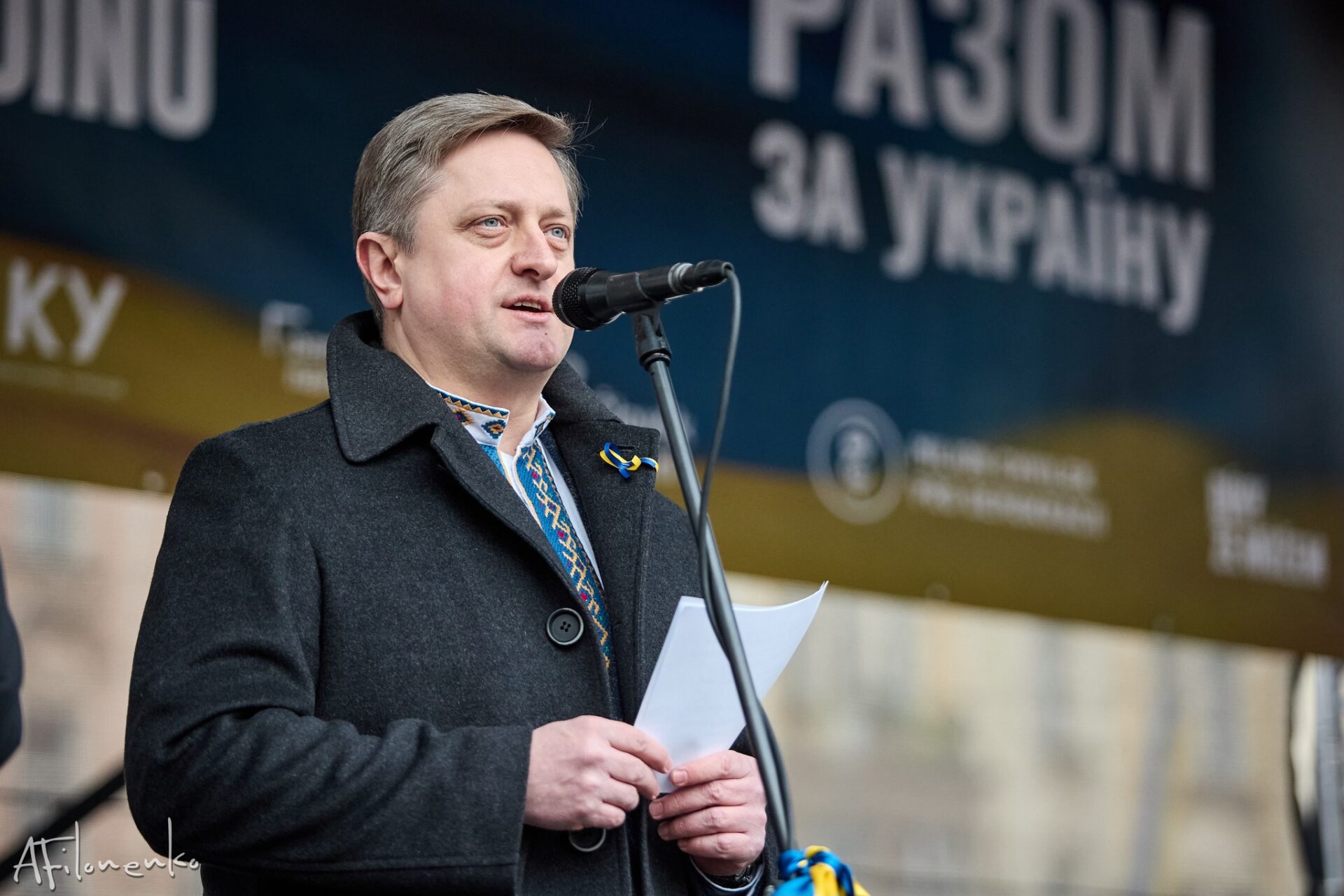
The Ukrainian side also reacted. Ukraine’s ambassador in Prague Vasyl Zvarych believes that the speaker’s position is “evidently shaped under the influence of Russian propaganda.”
The offensive and hate-filled statements made by Tomio Okamura about Ukraine and Ukrainians in his New Year’s speech are regarded as his personal position, evidently shaped under the influence of Russian propaganda. The words he allowed himself regarding Ukrainians, particularly about the democratically elected leadership of Ukraine, are unworthy and completely unacceptable. They contradict the principles of a democratic society and the values on which the Czech Republic is founded as part of the European community, Zvarych wrote.
Conclusions
The situation around Ukraine in Czechia shows a diversity of approaches. Babiš’s government focuses on domestic issues and is cautious about new financial commitments, while a significant part of parliament and the political elite continues to support Ukraine.
The Czech Republic remains an important and reliable partner, though the new government brings some nuances. Babiš’s position means formal support continues, but Ukraine gradually moves out of the center of foreign policy priorities.
However, the question is no longer who provides what. The question is who is ready not to turn away when the war stops being “media-friendly.”
For Kyiv, it is important to strengthen interaction with several centers of influence in the Czech Republic—the government, parliament, and public opinion. The longer the war continues, the more important it becomes to explain that supporting Ukraine is not a burden but a strategic investment in Europe’s security.