

Uncertainty surrounding the prospects of a peace agreement between Ukraine and Russia has led to an increase in the share prices of European defense companies. Investors are increasingly skeptical about the possibility of a swift end to the war, which is boosting interest in arms manufacturers’ stocks. This was reported by the German outlet Tagesspiegel.

The market reaction was triggered by new statements from the Kremlin, including accusations that Ukraine allegedly carried out a drone attack on the residence of Vladimir Putin. In the West, these moves were viewed as an attempt to derail or complicate peace initiatives previously associated with plans by former US President Donald Trump.
Against this backdrop, the sectoral index of European defense companies rose by nearly 3%. Investors are factoring in a scenario of a prolonged conflict, which implies consistently high demand for military equipment and defense technologies.
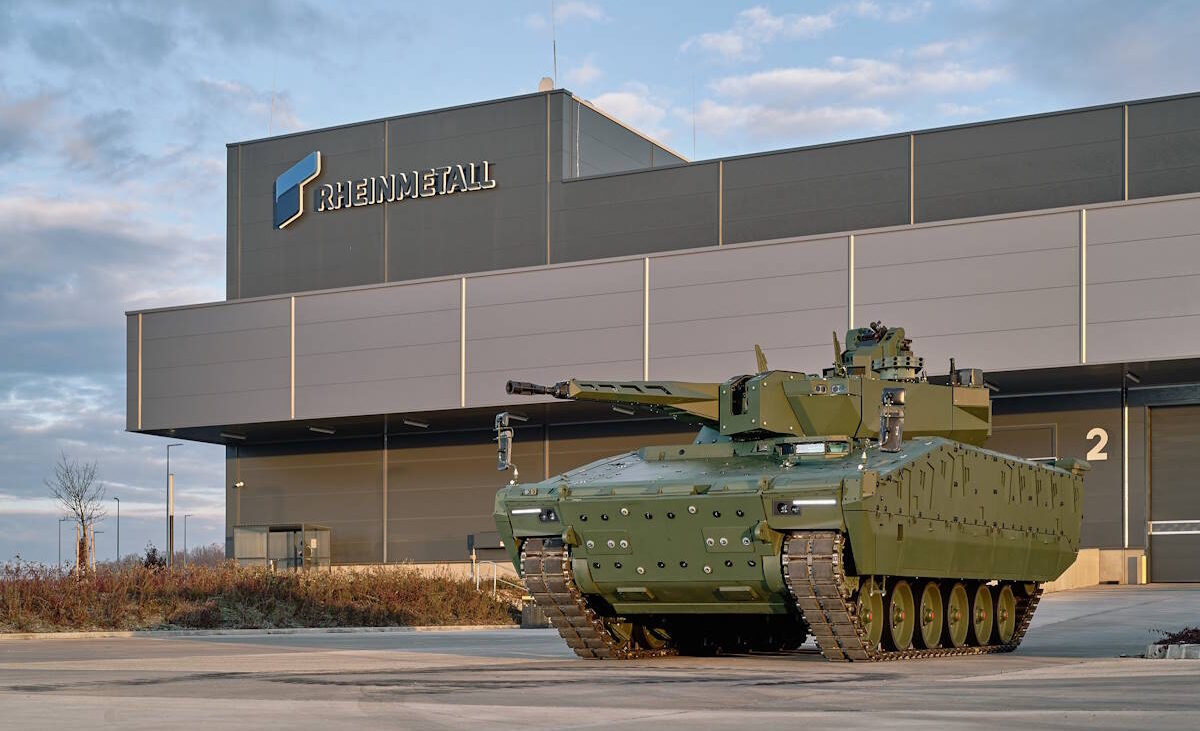
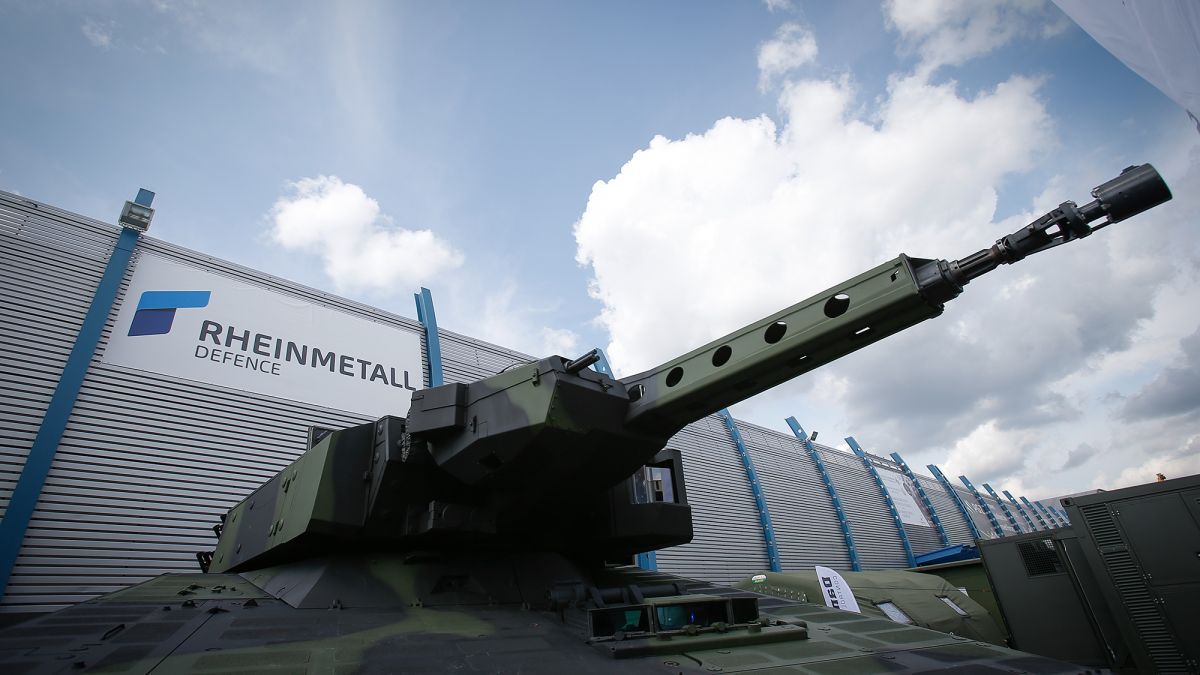
In particular, within Germany’s DAX index, shares of Rheinmetall—one of the largest manufacturers of armored vehicles and ammunition—rose by around 2%, continuing their upward trend amid large-scale rearmament across European countries.
How shares of other companies changed
Other defense-sector companies also recorded gains. In the MDAX index, shares of radar systems and avionics producer Hensoldt climbed by more than 3%, while shares of Renk, a manufacturer of transmissions for heavy military equipment, added around 2.5%.
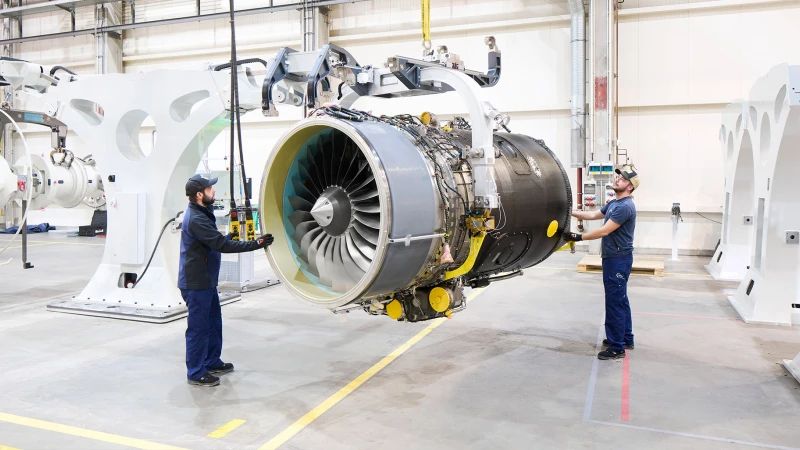
Companies in the aviation industry linked to military programs also showed positive dynamics. Shares of Airbus and MTU Aero Engines rose by about 2.6%, making them among the leaders of the trading day in Germany.
Analysts note that any escalation or disruption of diplomatic initiatives is perceived by markets as a signal for increased defense spending in Europe. According to their assessments, as long as the war continues and negotiations remain unstable, the defense sector will retain high investment appeal.
Conclusion
The rise in shares of European defense companies reflects market expectations of a prolonged war and the absence of a rapid diplomatic breakthrough. Amid geopolitical uncertainty, investors are betting on stable and long-term demand for weapons and defense technologies, which is likely to continue supporting the strong position of this sector on European stock markets.