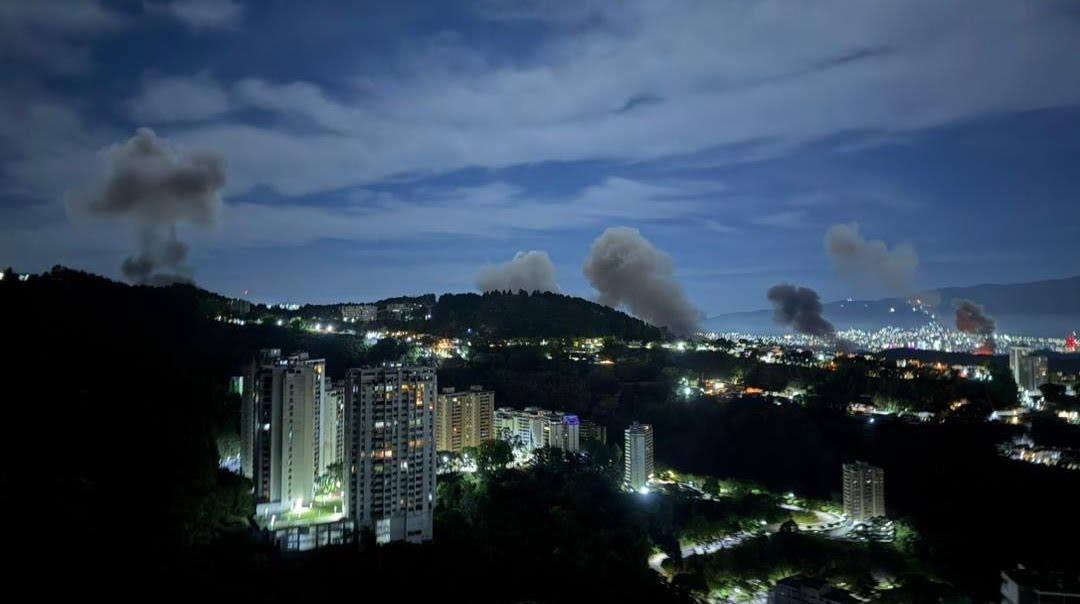


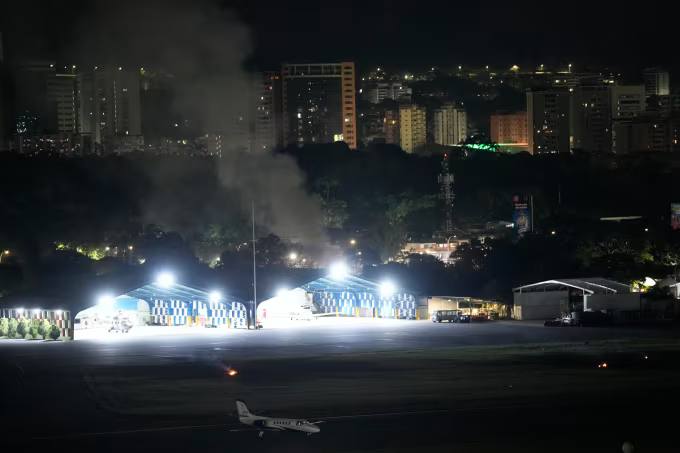
On the morning of January 3, 2026, numerous explosions rocked Caracas, leaving parts of the city without electricity. Eyewitnesses reported the sounds of aircraft, plumes of black smoke, and panic among residents who anxiously captured the events on video. The Venezuelan government, led by Nicolas Maduro, accused the United States of America of large-scale military aggression, allegedly targeting both military and civilian sites. These events mark the latest manifestation of a long-standing escalation in relations between Washington and Caracas, which has been characterized by sanctions, military pressure, and harsh rhetoric in recent months.
Background of the Conflict
Tensions between the U.S. and Venezuela have been mounting for a long time. The administration of Donald Trump repeatedly accused the Nicolas Maduro regime of election fraud, systemic human rights violations, and cooperation with drug cartels. In response, Washington imposed extensive economic sanctions that struck the country’s oil sector and financial system.
In parallel, the U.S. bolstered its military presence in the Caribbean region, deploying warships, aircraft, and a carrier strike group near Venezuelan borders. American authorities stated that these moves were aimed at deterring illegal activities, specifically drug trafficking. As noted by Reuters, until this point, strikes had been limited to actions outside Venezuela’s sovereign territory or against specific vessels linked to smuggling.
The morning explosions in Caracas represent the first instance of large-scale kinetic force directly on the country’s territory, altering the nature of the confrontation.
Explosions in Caracas and Regional Reaction
The explosions occurred at approximately 2:00 a.m. local time in the southern part of Caracas, where strategic and military facilities are located. According to eyewitnesses, the attacks lasted about an hour and a half, accompanied by bright flashes, the sounds of aviation, and power outages. Reuters reports that explosions were recorded not only in the capital but also in the states of Miranda, Aragua, and La Guaira, indicating a wide geographical scope of the strikes.
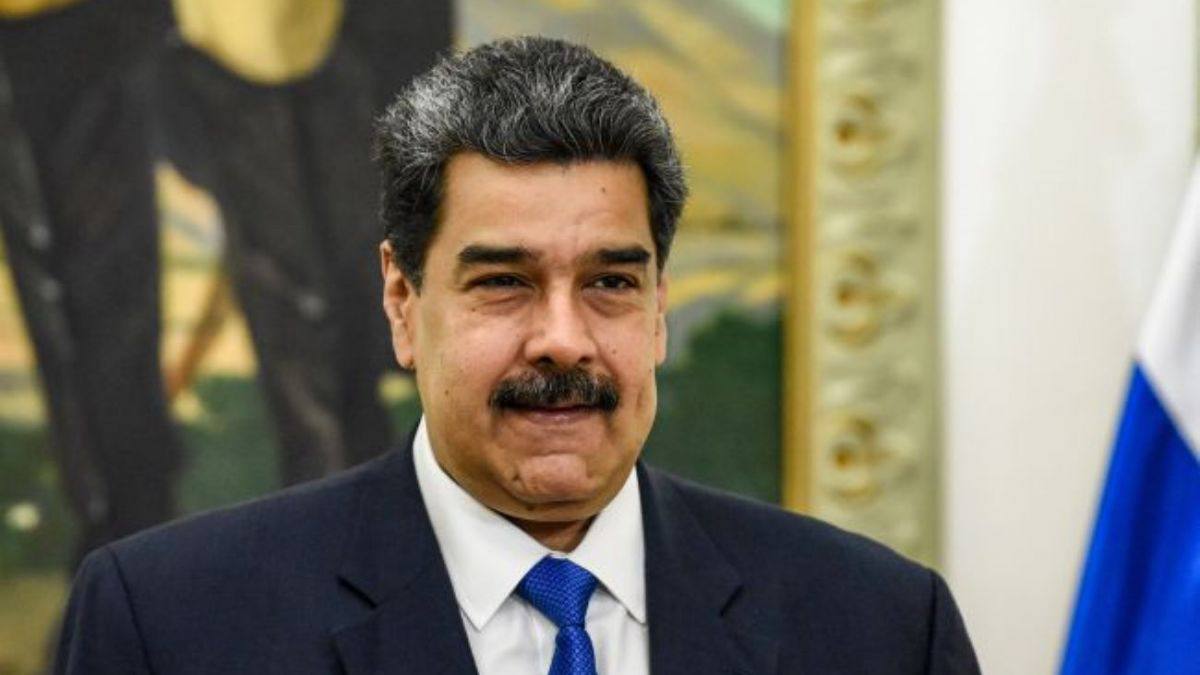
Venezuelan President Nicolas Maduro declared a state of emergency and called the events “blatant U.S. military aggression,” claiming a violation of international law and the UN Charter. Caracas has called on international organizations to provide an immediate assessment of Washington’s actions.
The President of Colombia, Gustavo Petro, has already reacted to the attack, stating:
“Right now they are bombing Caracas. Alert to the whole world, they have attacked Venezuela. They are bombing with missiles. The OAS and the UN must meet immediately.”
Furthermore, according to Petro, the U.S. struck the Venezuelan parliament building and attacked at least 11 sites across the country.
Statement by Donald Trump
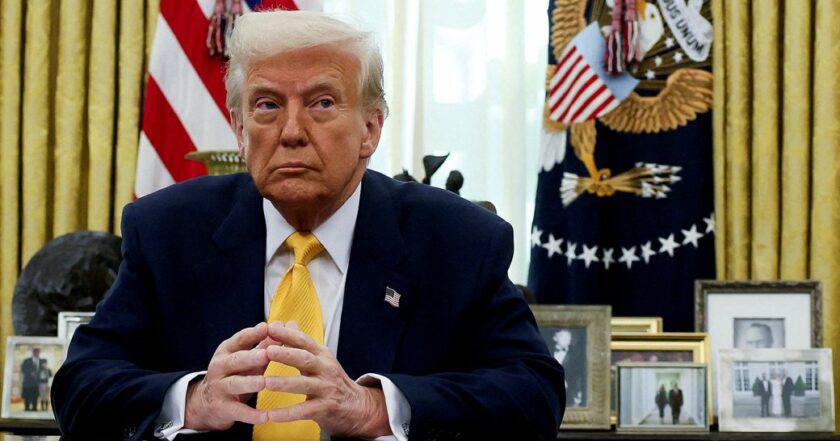
Later, the situation received official confirmation from the United States. U.S. President Donald Trump released a statement regarding the events in Venezuela on his social media platform, Truth Social, effectively acknowledging the execution of an American military operation.
“The United States of America has successfully carried out a large-scale strike against Venezuela and its leader, President Nicolas Maduro, who has been, along with his wife, captured and flown out of the Country,” Trump stated.
Thus, Trump’s statement served as public confirmation of U.S. involvement in the events previously reported by Venezuelan authorities and international media. Furthermore, Trump promised to provide more details at a later time.
Conclusion
The events in Caracas on January 3 have demonstrated a sharp escalation in relations between the U.S. and Venezuela following a prolonged period of sanctions and military-political pressure. Reports of large-scale explosions, strikes on multiple facilities, and power outages were initially accompanied by mutual accusations and regional reactions. Subsequently, Donald Trump’s statement became the first public confirmation of U.S. involvement in the operation against Venezuela. The response of international organizations and the further actions of the parties involved will determine the consequences of this event for regional stability. The situation remains dynamic and requires ongoing international monitoring.