
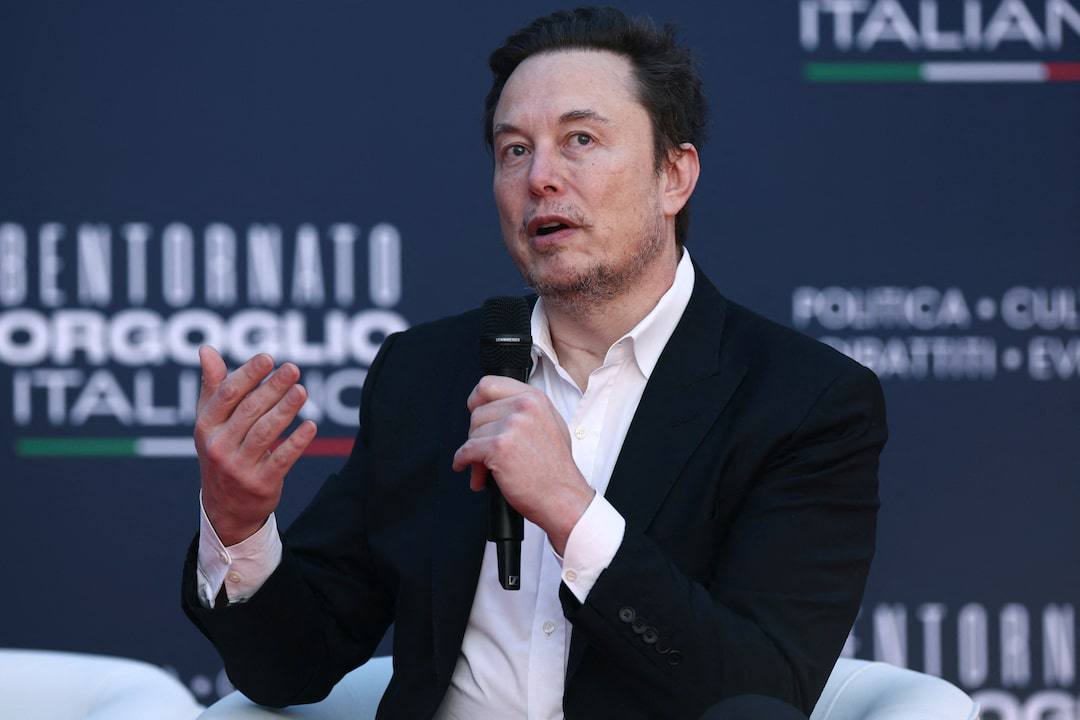


Rising oil prices are once again pushing the world towards electric vehicles, and this is directly affecting Tesla, Inc. and Elon Musk’s fortune. In March 2026, energy markets are experiencing sharp volatility due to the war in the Middle East and the threat of blocking the Strait of Hormuz, through which about 20% of world oil supplies pass. Against this background, the price of Brent temporarily rose above $100 per barrel, and at times almost to $120, before stabilizing in the $80–90 range.
Each such increase in fuel prices stimulates demand for electric vehicles, because for millions of drivers, electric vehicles are becoming a more economically viable alternative to gasoline cars, and it is this global trend that already makes Tesla one of the main beneficiaries of energy instability.
Elon Musk’s fortune
Today, Elon Musk’s fortune, according to Forbes, is already estimated at approximately $840–850 billion, which is an absolute record for a private individual in history. The basis of his capital remains shares of Tesla, Inc., where he owns about 12% of the company, as well as a stake in SpaceX. Over the past few years, his wealth has grown from $300 billion in 2021 to more than $800 billion in 2026, the fastest growth in capital in the history of modern business.
If Tesla shares add just 15-20%, and SpaceX’s valuation continues to grow, Musk’s personal capital could exceed $1 trillion as early as this summer. This will not just be a record for one person – it is a symbol of a changing economy: for the first time in history, an entrepreneur whose main business is built not on oil or banks, but on electric cars, space technology and energy of the future can become a trillionaire.

TED Conferences, LLC/AFP via Get
Oil prices
This is not the first time that rising oil prices have become a catalyst for technological changes in the global economy. After the oil crises of 1973 and 1979, when OPEC countries sharply reduced supplies and oil prices soared, Western economies began to invest heavily in energy efficiency. It was then that the automotive industry experienced a major turning point: Japanese manufacturers, including Toyota and Honda, focused on fuel-efficient cars and became global market leaders within a few decades.
Today, the world may be experiencing a similar moment. Each new jump in oil prices makes electric vehicles a more economically viable alternative, and companies that invest in new energy sources gain a strategic advantage. If the history of the 1970s created new leaders in the automotive industry, the current energy crisis may make electric vehicle manufacturers leaders.
Earlier, The Ukrainian Review reported that global oil prices have crossed the $100 per barrel threshold for the first time since 2022 due to the intensifying conflict between the US, Israel, and Iran. Markets fear prolonged energy supply disruptions if the Strait of Hormuz is blocked.