

What is a shadow fleet?
The “Russian shadow fleet” is a term that emerged in the context of the occupier’s invasion of Ukraine. However, the term itself is not entirely accurate, since, according to S&P, half of the shadow tanker fleet carries only Russian oil and products, and a fifth carries only Iranian oil and products. At the same time, the number of ships serving not one but several countries is growing, and now every fifth tanker in the shadow fleet does not have a clear affiliation with any country.
Nevertheless, this does not prevent the shadow fleet from serving Russian interests, as it transports 80% of Russian oil in circumvention of Western sanctions.
Overall, the size of the shadow fleet in the world is also growing and currently accounts for 19% of the number of active tankers. According to various expert estimates, there are between 1,000 and 1,300 such vessels.
Sabotage activities
In addition to the purely economic aspect of the issue, another challenge for the civilized world is that shadow fleet tankers have been repeatedly detained on suspicion of illegal activities in Europe against NATO countries.
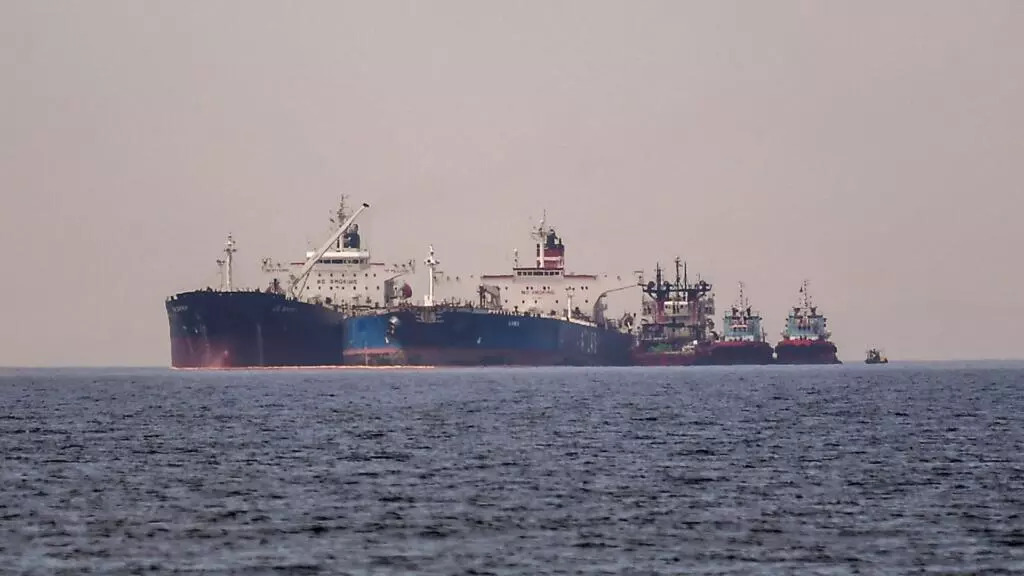
These are old tankers and auxiliary vessels with opaque registration, which regularly turn off their transponders, change their names, flags, and route data, making them difficult to track.
Security experts have warned that such vessels could conduct reconnaissance or sabotage submarine cables, gas pipelines, and energy facilities in NATO countries’ territorial waters.
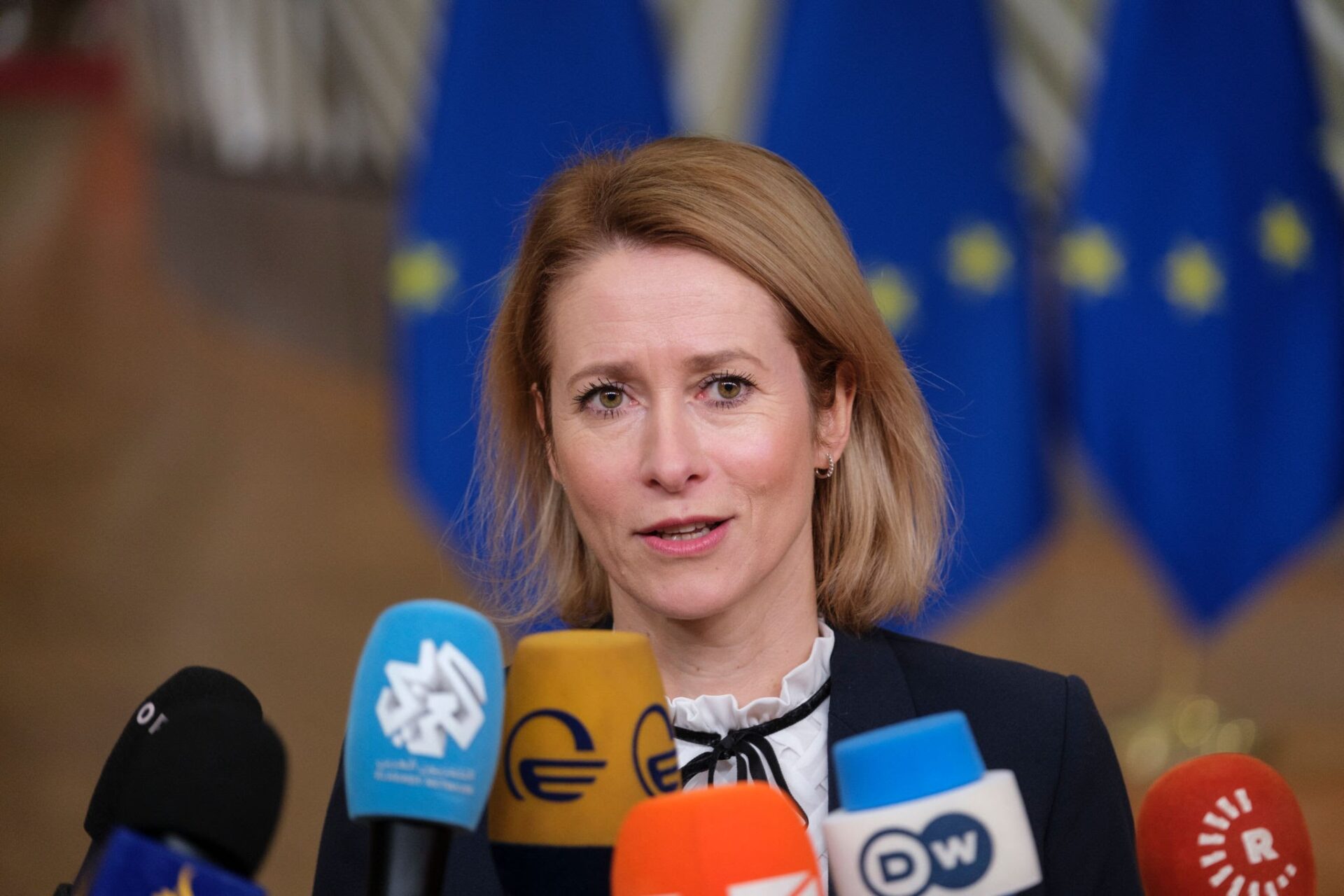
European Commission Vice President Kaja Kallas expressed her concerns about this issue:
“These vessels not only contribute to Russia’s military economy, but also pose a serious threat to the environment and the safety of shipping.”
Although the authorities say there is no direct evidence of deliberate sabotage by the shadow fleet, its very nature, with its lack of transparency and violation of safety rules, poses a threat that cannot be ignored.
Thus, the shadow fleet not only has economic consequences but can also pose a significant security threat, requiring constant monitoring and international response.
What can the West do to counter this threat?
The EU, the UK, the US, and their partners are expanding their sanctions lists, adding dozens of ships, operators, and intermediary companies. The restrictions deny them access to insurance, brokerage services, and European ports, effectively making such shipments legally and financially risky.
For example, Keir Starmer said in a government statement in May 2025:
“The threat from Russia to our national security cannot be underestimated, so we will do everything in our power to destroy its shadow fleet, deprive its military machine of oil revenues, and protect the underwater infrastructure on which our daily lives depend.”

At the same time, EU countries are tightening controls on maritime routes: inspections of ships with dubious registration, dangerous technical characteristics, and a history of transponder shutdowns are being stepped up. Some countries, notably Denmark and Germany, have increased patrols in their waters and are closely monitoring tankers suspected of violating sanctions.
In addition, the EU is preparing additional measures against suppliers of “flags of convenience” and fictitious registration schemes that allow the shadow fleet to conceal its origins and routes. The West’s task is to deprive these vessels of the infrastructure without which circumventing sanctions becomes impossible.
What is Ukraine’s role?
Ukraine has also not remained on the sidelines of sanctions against the Russian shadow fleet.
In 2025, our country imposed sanctions, in particular, against tanker captains and companies that transported Russian oil in circumvention of restrictions.
In his address, President Zelensky emphasized that Ukraine is preparing several sanction packages:
“We are imposing sanctions against the captains of the Russian shadow fleet, and we will synchronize them with our partners so that the pressure works in most jurisdictions.”
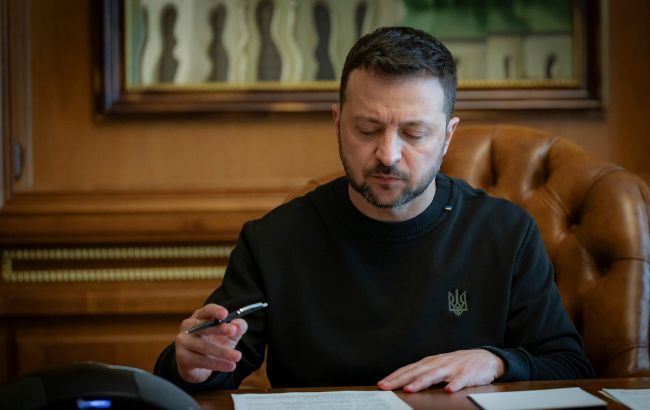
Thanks to this coordination between Ukraine and its Western partners, it has become more difficult for Russia to circumvent sanctions by changing ship flags, transshipping oil at sea, or using shell companies. This has increased international pressure and limited Russia’s ability to finance the war through illegal oil exports.
The destruction of Russian tankers as a demonstration of force
The critical damage caused by Ukrainian Sea Baby naval drones in the Black Sea to two tankers of the Russian shadow fleet, Kairos and Virat, which took place on November 28-29, was a logical continuation of the events of September 2025, when the SBU already damaged two ships in the port of Primorsk on the Baltic Sea with drones.
This time, the strike on empty ships demonstrated that even the sale of Russian oil after transshipment and transportation is no guarantee of safety.
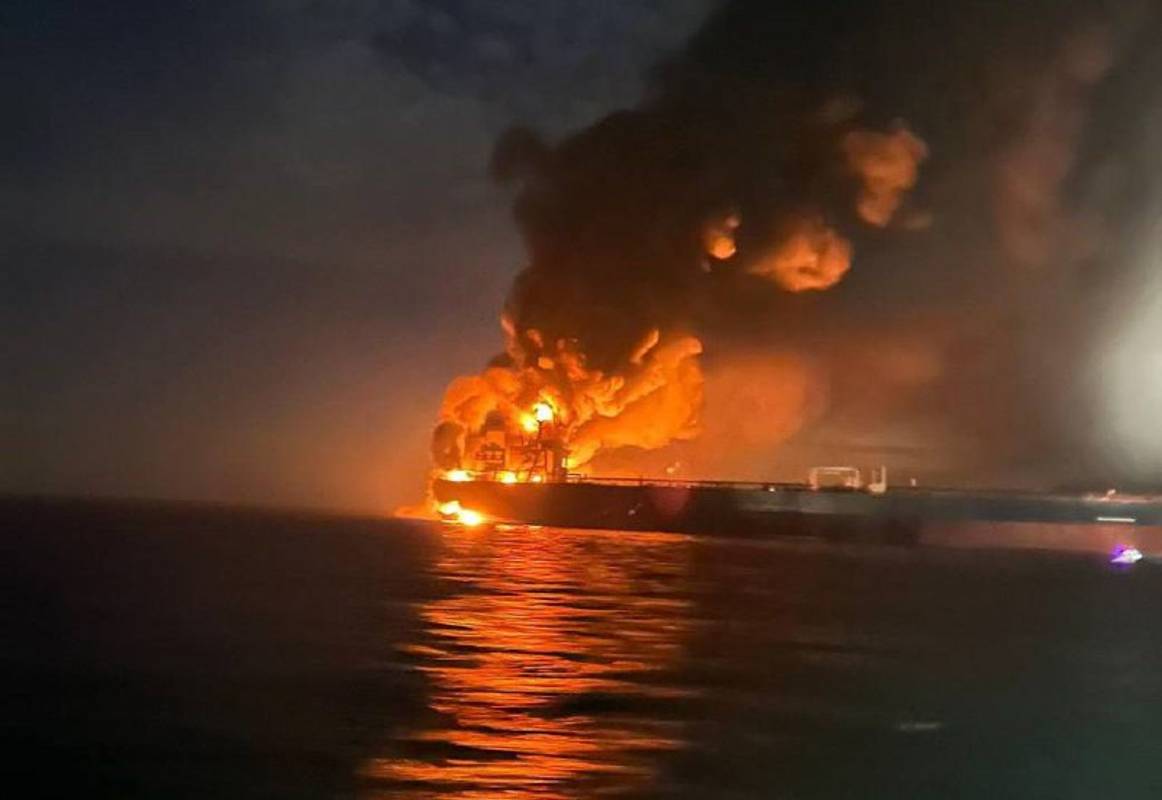
This event is significant not only in terms of tactics, but also in terms of its symbolism. It is a signal that the shadow fleet is not an unattainable goal, but a vulnerable mechanism, as well as a message to Western countries that sanctions and bans are necessary but insufficient; physical action against key elements of this system is also needed.
At the same time, Russia’s loss of part of its fleet undermines confidence in schemes to circumvent sanctions and forces the Russian side to spend more resources on insurance, logistics, and transshipment. This increases the risks and costs for the Kremlin, thus making the shadow fleet less attractive.
This event could significantly change the rules of the game, as it has shown that even long-established sea routes are not safe, and those who risk working with the shadow fleet face a real threat.
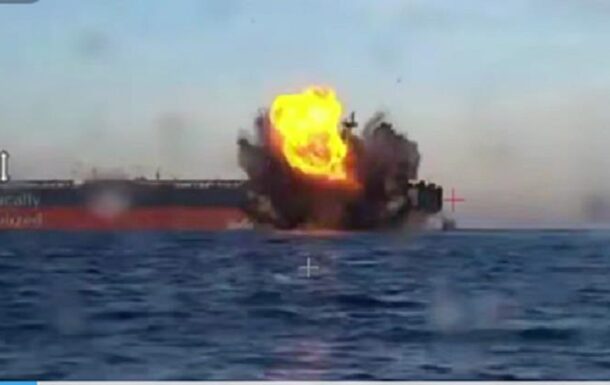
If such operations continue — and especially if international coordination is expanded — the shadow fleet may become too unstable and risky an instrument for Russia. Damage to some of the tankers, fear of new strikes, and declining confidence could all reduce its effectiveness.
For Ukraine, this tactic is another tool to put pressure on the aggressor, working in parallel with sanctions, diplomacy, and investigations. Without the “shadow fleet,” the Kremlin will lose an important part of its channels for financing the war.
Taken together, these steps prove that while Russia is trying to hide its schemes in the darkness of the sea, transparency, determination, and joint action are significantly reducing the influence of the shadow fleet and, as a result, may ultimately deprive the aggressor of its last refuge.