

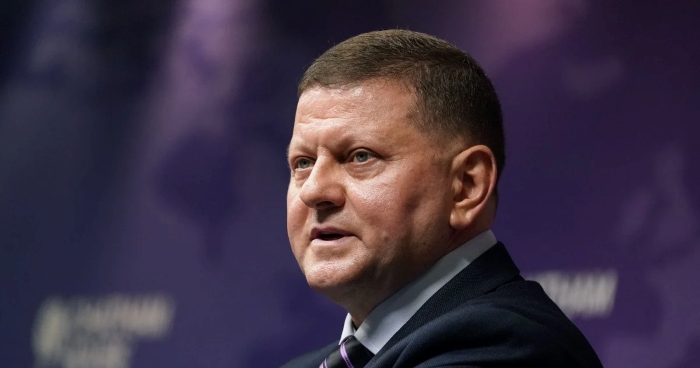
Conditions remain difficult, and the situation continues to deteriorate. Valerii Zaluzhnyi believes that the most realistic way the war may end is a multi-year freeze, and he stresses that clear victories rarely conclude modern wars and the WW2 is rather an exception.
Despite this, Russia still refuses to sign even the peace proposals that its own diplomats helped formulate. Moscow avoids responsibility, rejects compromise, and tries to dictate new terms. What are the prospects for a freeze and continuation of the war?
A frozen war
Neither Ukraine nor Russia currently demonstrates the ability to conduct major offensive breakthroughs. European leaders, in contrast to the U.S. administration, insist that negotiations must rely strictly on the current frontline and cannot include additional territorial concessions to Russia. German Chancellor Friedrich Merz argued that Putin must accept that he has no option to leave the war in Ukraine successfully.
Ukraine also does not possess enough resources to liberate large territories at this stage, though with partners help the defeat of Russia is still achievable.
Mykhailo Podoliak, Advisor to the Head of the Presidential Office, admitted in September that realistically speaking, yes, one possible scenario is a freeze along the front line.
One year earlier, President Volodymyr Zelenskyy sharply rejected all ideas of freezing the war. He insisted that Ukraine must ensure justice, accountability, and long-term security. He also warned partners that any freeze would give Russia time to regroup. Yet the political landscape shifted, and what Kyiv once considered the worst possible option now appears less catastrophic under increasing U.S. pressure to show readiness for dialogue.
Russia’s unwillingness to stop
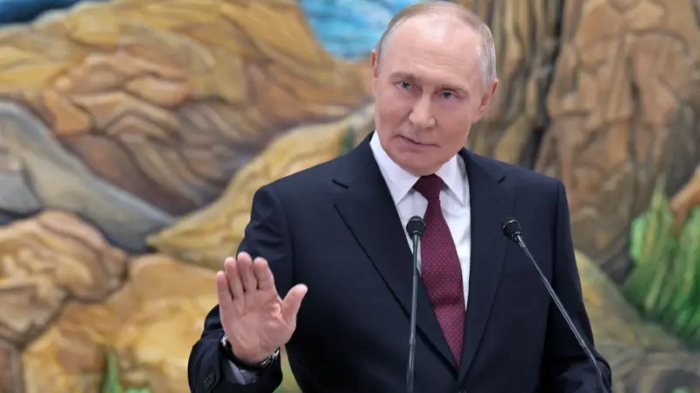
Putin repeated during his recent press conference that Russia is ready to fight until the last Ukrainian. His statement demonstrates that he remains confident in its long-term capacity and still believes it can reach its imperial objectives.
At the same time, The Wall Street Journal reported that the Kremlin secretly discusses potential post-war business cooperation with Washington. U.S. officials reportedly view these ideas with interest, yet the talks may serve only as a tactical distraction. Russia seeks to imitate a willingness for peace to avoid stricter sanctions.
The French Foreign Minister Jean-Noël Barrot emphasized:
Putin must agree to a ceasefire or be prepared to subject Russia to new sanctions that will deplete its economy, as well as to increased support for Ukraine from the Europeans
However, the final outcome depends heavily on the United States and its readiness to enforce real costs if Russia refuses to stop its terror. Moscow has already ignored many warnings and avoided serious punishment.
Conclusion
Moscow still rejects peace proposals and demands additional concessions because it seeks strategic advantages, not compromise. A freeze without strong security guarantees would create a long-term threat for Ukraine, especially if Western governments loosen restrictions on Russian business or financial flows.
There is little evidence that Russia would stop after a freeze. Moscow continues to pursue imperial goals, and its leaders openly discuss future domination. Even if the war enters a static phase, the underlying conflict will persist, and the long-term outcome will likely include either internal destabilization in Russia or the destruction of the Ukrainian state.