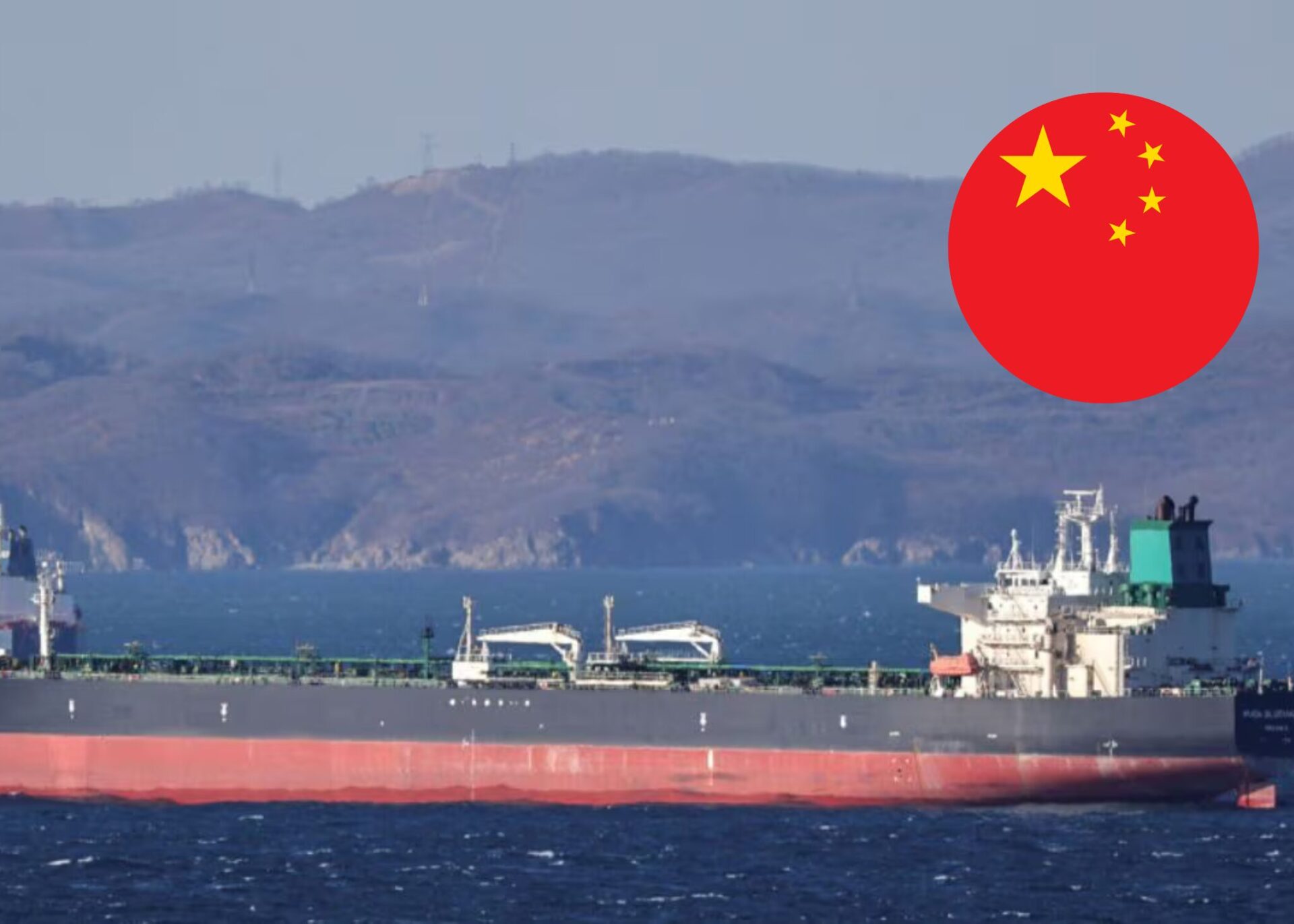


In January 2026, China increased its imports of sanctioned Russian oil, while India significantly reduced them.
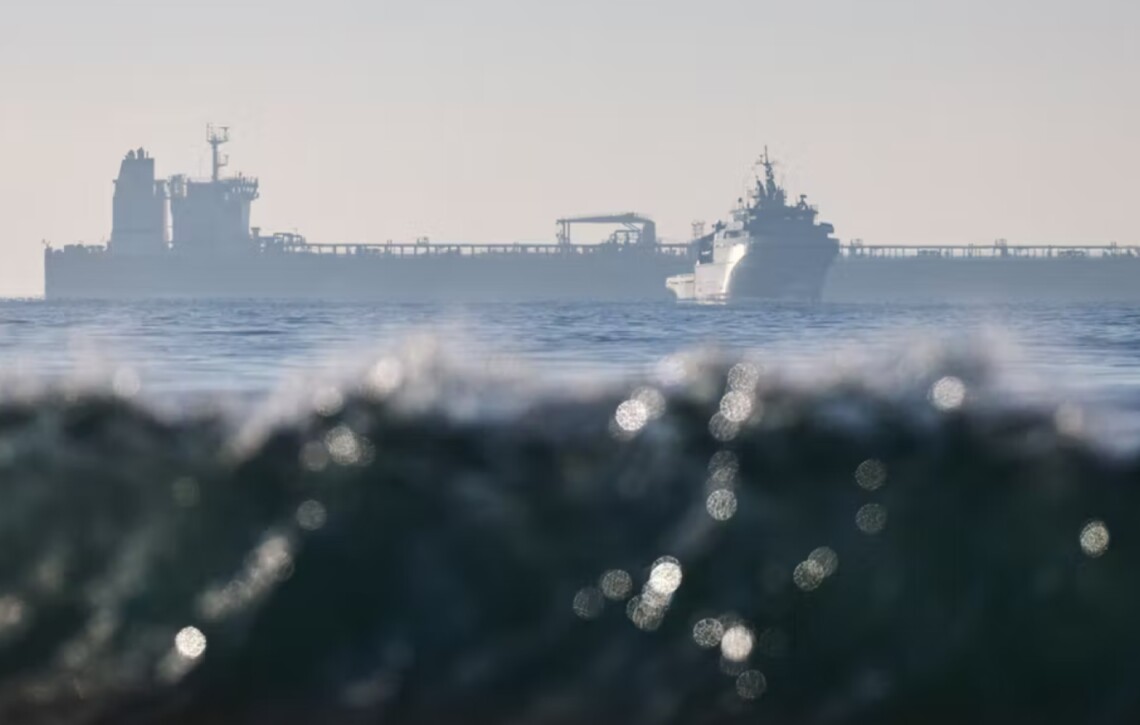
The Foreign Intelligence Service of Ukraine reported this.
Supply Details
According to intelligence data, “shadow fleet” tankers delivered 4.99 million tons of oil to China in January over 51 voyages, 0.398 million tons more than in December. At the same time, oil volumes arriving in India fell to 3.222 million tons over 29 voyages, 2.271 million tons less than the previous month.
The “shadow fleet” also supplied oil to Turkey (0.904 million tons, +0.107 million tons), Syria, and Georgia (0.391 million tons, +0.093 million tons). Additionally, 45 voyages were made to unspecified countries (4.813 million tons, +0.256 million tons). The largest share of exports went through ports in the Baltic Sea and Russia’s Far East.
Since the beginning of the year, the number of active “shadow fleet” tankers decreased by nine vessels. Currently, authorities track 138 ships, 96 of which are under sanctions. They also detected four new vessels that were previously untracked.
In January, 18 STS (ship-to-ship) operations were recorded in the Sea of Japan and the South China Sea, as well as near the coasts of Malaysia, followed by delivery to China.
Context
Russia’s shadow fleet plays a key role in the country’s ability to continue financing the war. Moscow uses these tankers to circumvent sanctions, hide ownership structures, and redirect oil via alternative routes.
Fourteen European countries have agreed to strengthen monitoring in the Baltic Sea and restrict navigation for Russia’s shadow fleet. This applies to tankers without proper documentation or those that change flags to bypass international sanctions.
Following this, Nikolai Patrushev, assistant to the Russian president, stated that Russia might deploy its naval fleet to prevent EU countries from seizing its vessels.
Earlier, The Ukrainian Review reported that Russia’s oil and gas sector suffered losses exceeding 1 trillion rubles in 2025. Systematic Ukrainian drone attacks on refineries caused direct infrastructure damage and significant profit losses. Continuous strikes have turned Russia’s energy sector into a high-risk zone for investors and insurers.