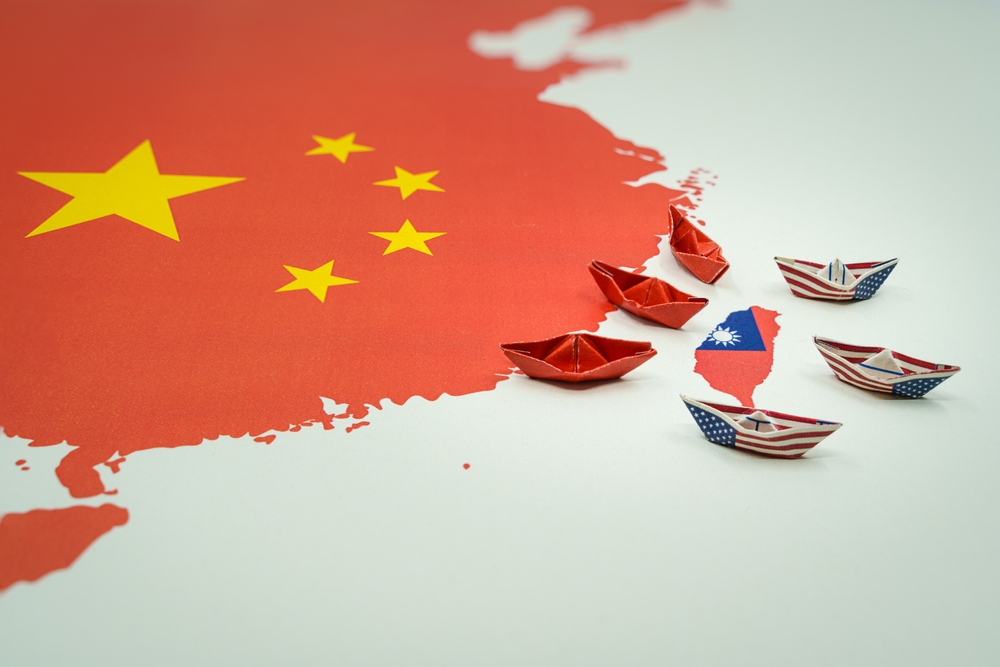


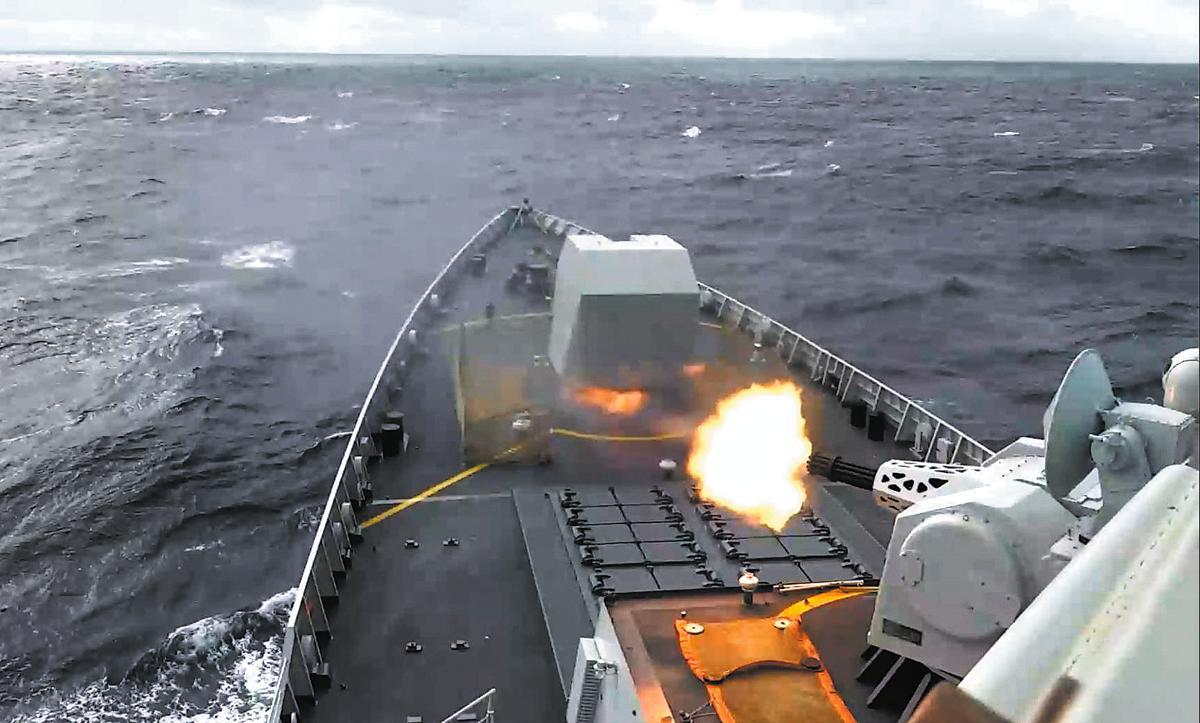
On December 29, 2025, China’s People’s Liberation Army (PLA) launched large-scale military exercises around Taiwan. The maneuvers, codenamed “Justice Mission 2025,” included live-fire drills simulating a blockade of the island’s key ports.
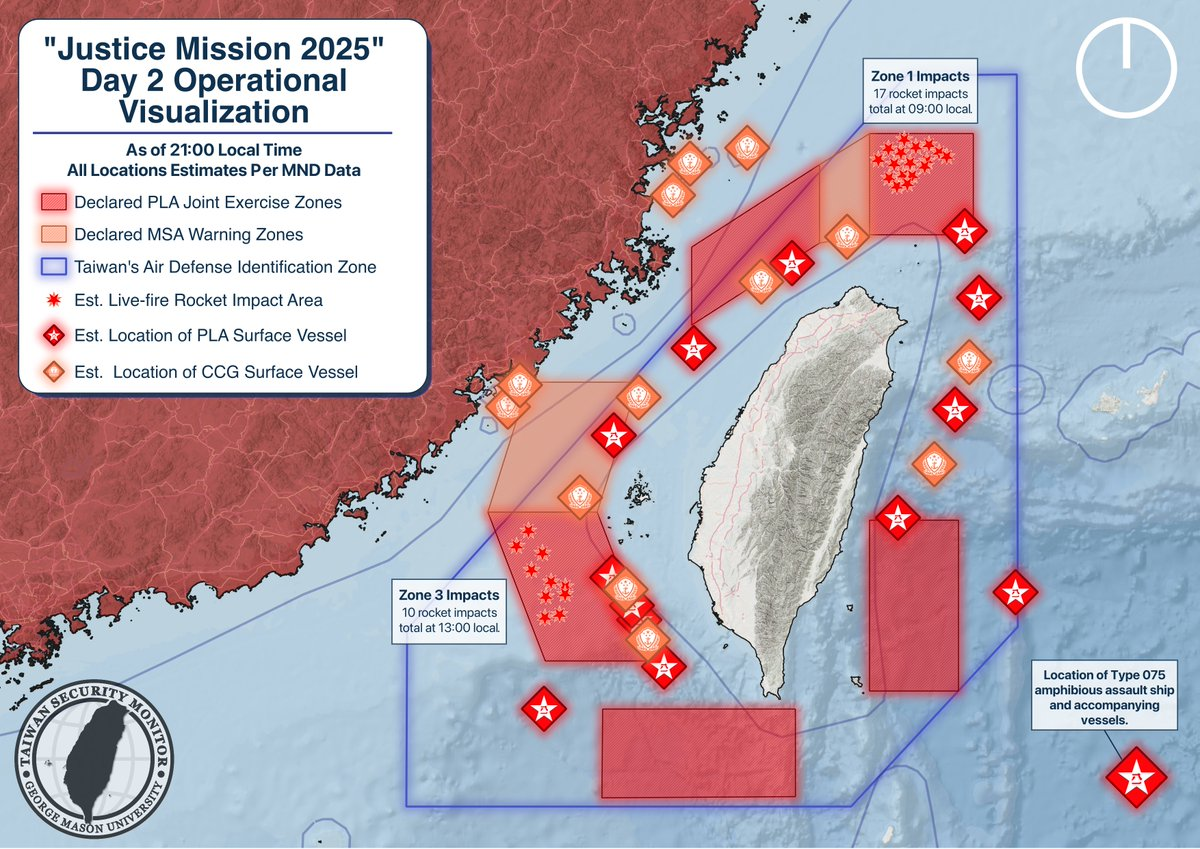
The exercises involved both China’s naval and air forces, including missile-carrying aircraft and heavy multiple rocket launchers. The military tested its capacity for joint operations, patrolling maritime and air borders, blocking key ports, and conducting multidimensional deterrence.
According to the Chinese state news agency Xinhua, the drills serve as a “stern warning” against Taiwanese separatists and foreign interference.
These are the seventh prolonged exercises China has conducted around Taiwan since 2022, following the visit of then-U.S. House Speaker Nancy Pelosi.
Beijing’s Rhetoric
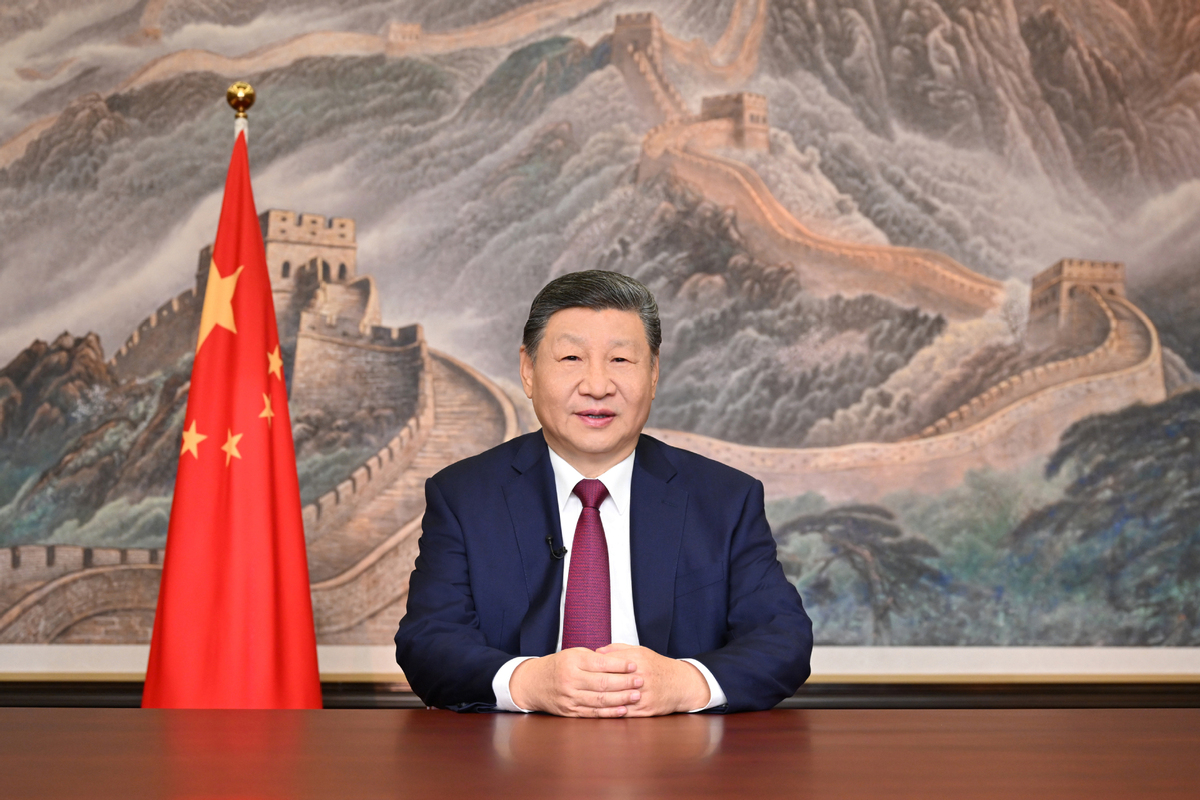
In his New Year’s address on December 31, 2025, Chinese President Xi Jinping declared that the reunification of Chinese people on both sides of the Taiwan Strait “is inevitable.” The speech was broadcast on the state-run CGTN channel, with the full text published by China Daily.
Xi stated that “only a strong Communist Party of China can make our country strong” and ensure national reunification. His remarks came amid earlier military exercises that included missile launches toward the Taiwan Strait.
Reaction from Taiwan and the U.S.
Taipei condemned China’s actions as “irrational” and urged Beijing not to destabilize the region. Taiwan’s Ministry of Defense established an emergency response center and deployed forces to prepare for possible countermeasures.
Tensions were further heightened by comments from Japan’s new Prime Minister Sanae Takaichi, who suggested Japanese forces might intervene if China took aggressive actions against Taiwan.
The U.S. responded to China’s large-scale exercises around Taiwan, calling on Beijing to exercise restraint and engage in open dialogue.
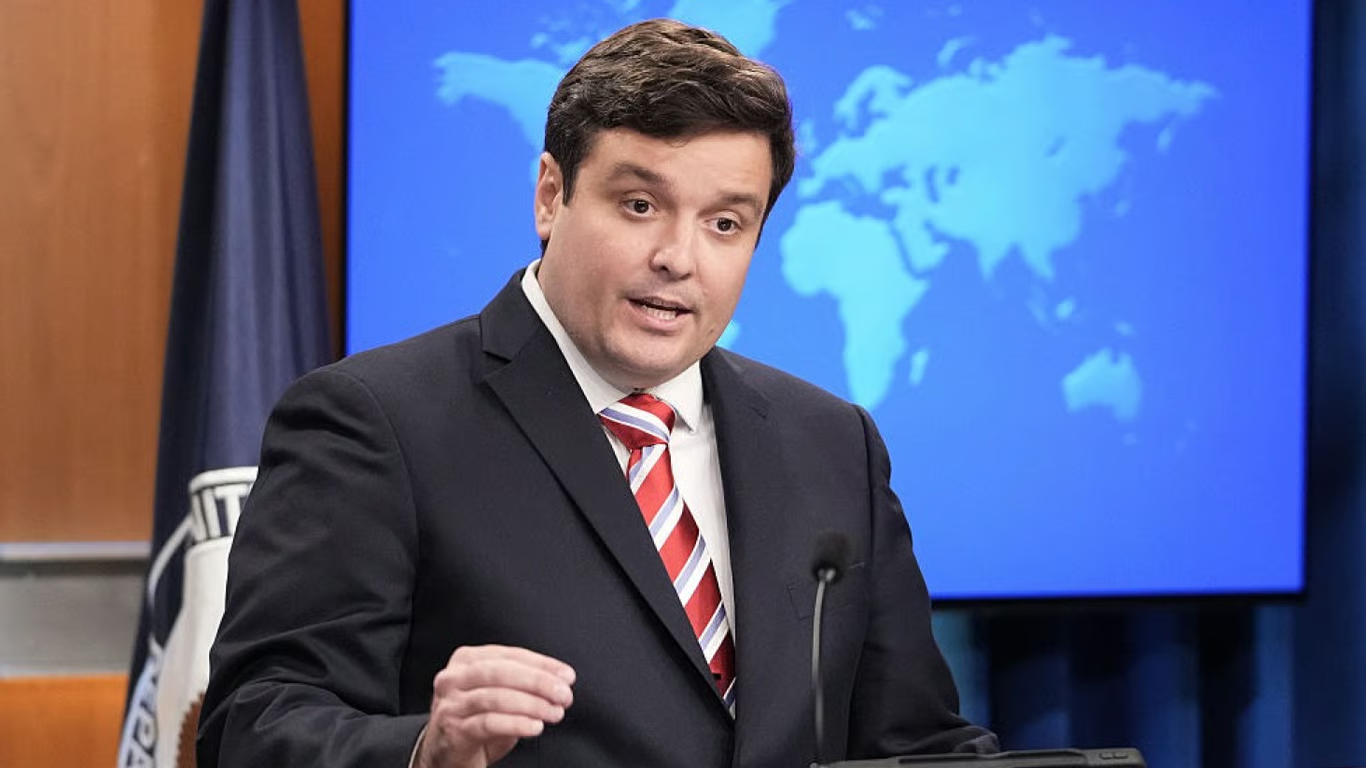
According to Thomas Piggott, Principal Deputy Spokesperson for the U.S. State Department, China’s military actions and rhetoric toward Taiwan and other countries in the region “unjustifiably escalate tensions.” The U.S. stressed the need to end military pressure on the island and prioritize constructive negotiations. Washington supports peace in the Taiwan Strait and opposes the use of force to alter the status quo.
Expert Assessments and Purpose of the Exercises
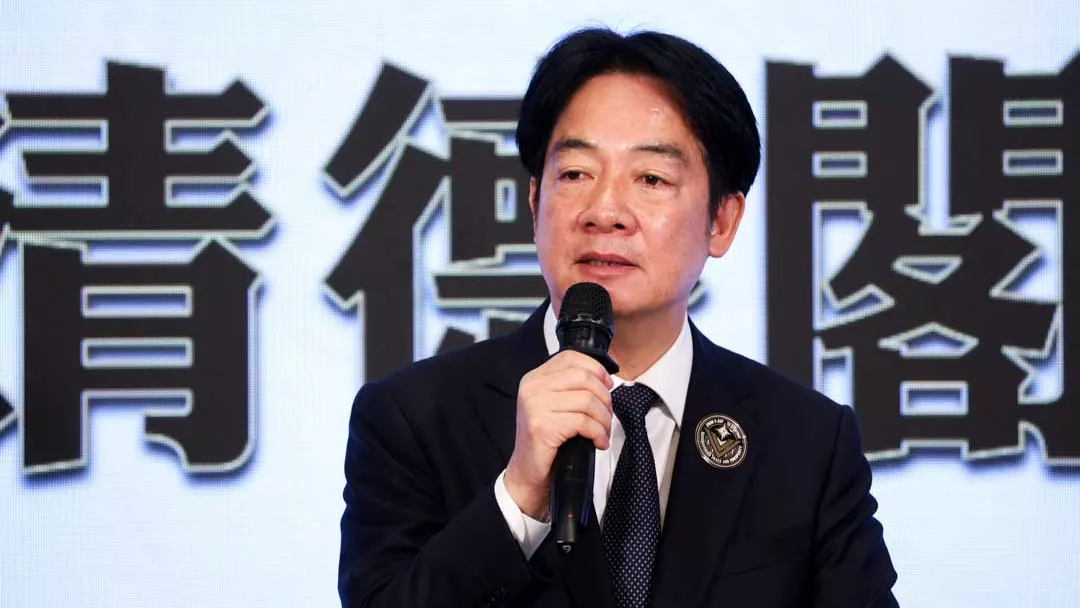
Analysts note that the drills demonstrate the PLA’s readiness for rapid deployment and aim to test the reactions of the U.S. and Taiwan to potential military threats. William Young of the International Crisis Group said that such Taiwan blockade exercises are becoming “routine” in China’s military operations.
The exercises may also be a response to a potential U.S. arms sale to Taiwan worth $11.1 billion—the largest in history if approved by Congress. Beijing previously imposed sanctions on U.S. defense companies, but these measures remain largely symbolic.
According to Su Zi-yun, a national defense expert from Taiwan, the exercises show China’s intent to gain superiority in the air and at sea while limiting Taiwan’s external military support.
Beijing may also be using the maneuvers to gauge Taiwan’s reaction to the domestic political split in its legislature, where opposition parties are blocking the president’s proposals to increase the defense budget.