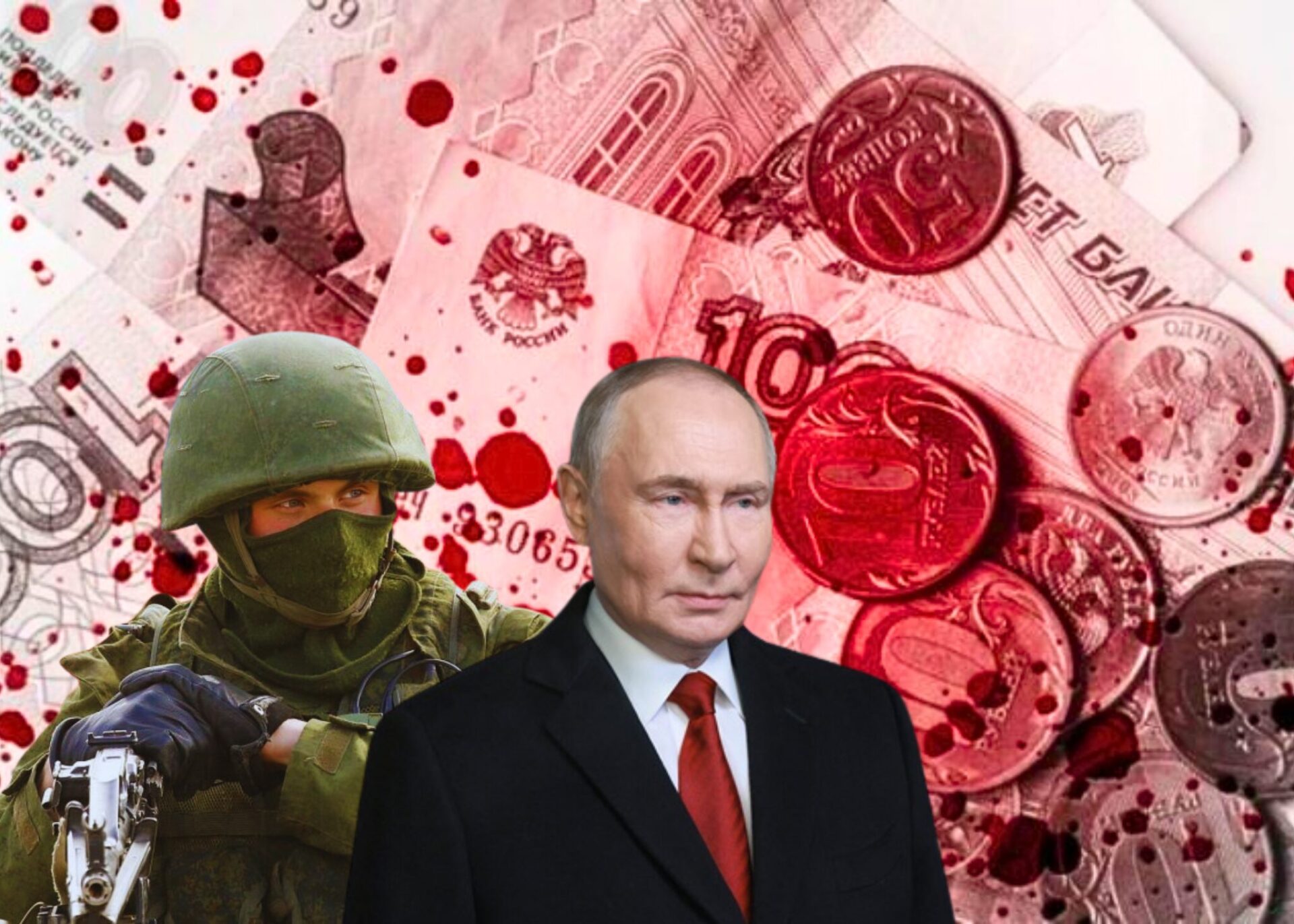


The war against Ukraine since early 2022 has cost Russia approximately $550 billion, according to data released by the Foreign Intelligence Service of Ukraine (FISU).
Intelligence estimates indicate that this amount is equivalent to 24 annual Russian budgets for higher education or 22 budgets for healthcare. At the same time, 59% of war expenditures are classified.
In the first three quarters of 2025, “open” budget items accounted for 4.816 trillion rubles (≈$61.2 billion), while “closed” expenditures reached 7.038 trillion rubles (≈$89.4 billion), with the classified portion increasing by 39% year-on-year.
FISU explains that the Kremlin shifts the cost of the war onto the population through new taxes and constant price increases, while anti-war criticism is punished as “treason.”
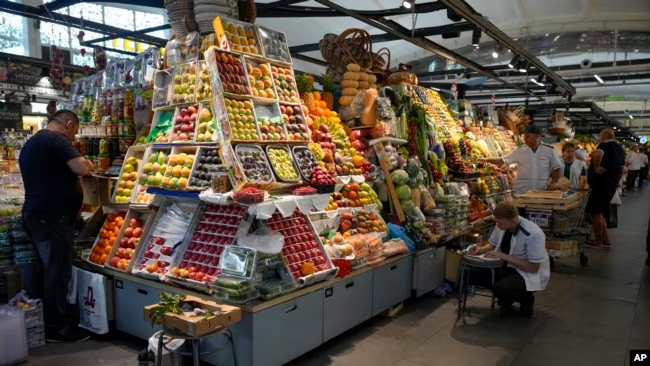
According to intelligence data, prices for Russians rose continuously between 2022 and 2025. Utilities, fuel, real estate, and food saw significant increases: the average cost of communal services grew by 43%, fuel prices rose by 29–35%, and housing increased by 50% — with an additional rise expected in 2026, reaching up to 20% in Moscow.
Food prices increased most sharply: dairy products rose by 62%, meat by 41%, and forecasts for the next year predict further growth by tens of percent.
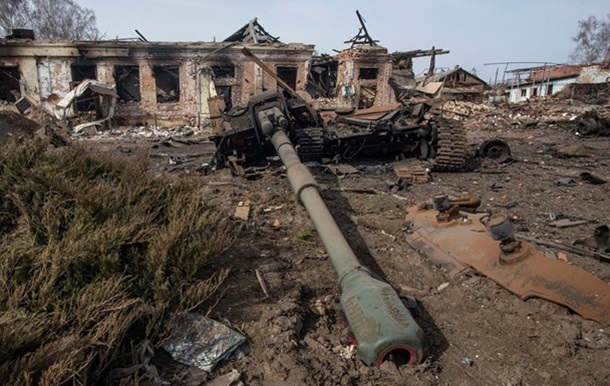
FISU also reports that Russia spends about 1.32 trillion rubles (≈$16.6 billion) on the war each month, accounting for 39% of total budget expenditures. The country’s military-industrial complex has effectively become a “black hole” for the budget, producing no economic return.
As a result, funds that would be needed for Russia’s economic development continue to be redirected to finance the war against Ukraine, while the population bears the main burden of these costs.