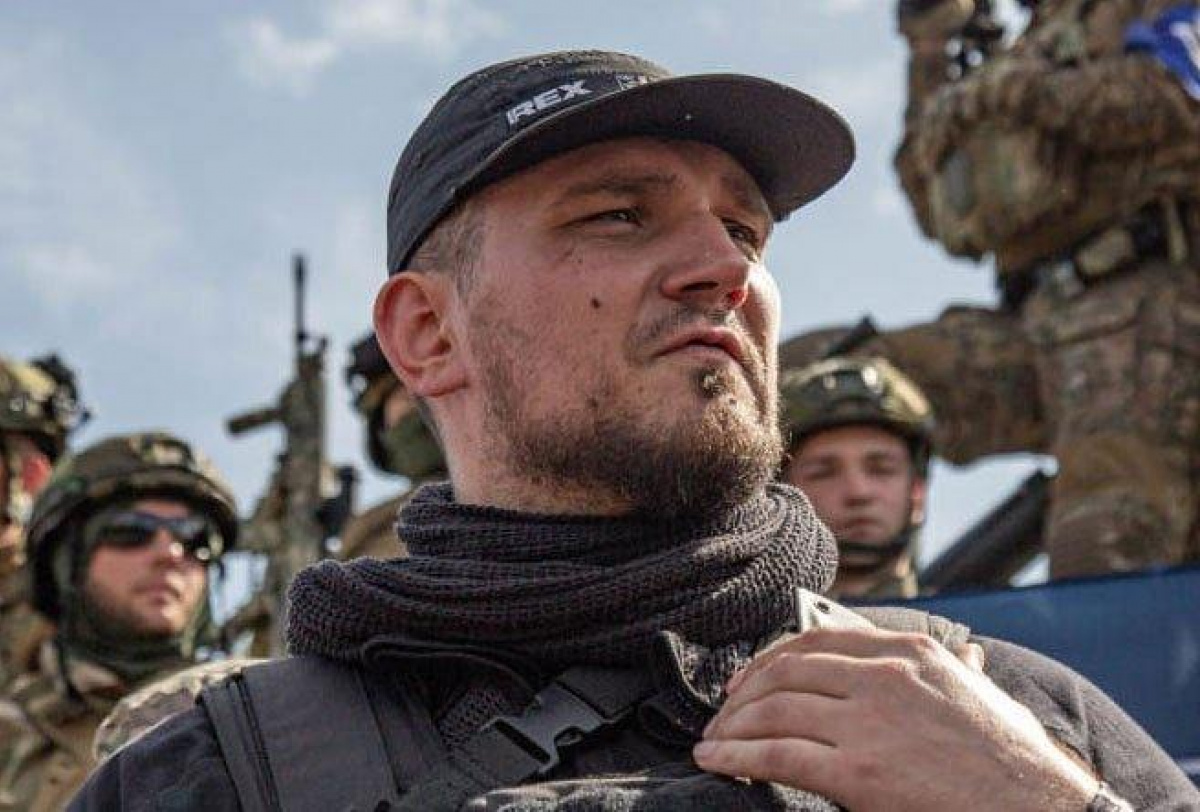


It sounds almost like a movie plot. Yet behind these words is a real special operation that lasted over a month. It saved the life of one of the most well-known and effective commanders of Russian volunteers fighting for Ukraine, while dealing a major reputational blow to Kremlin intelligence services.
Kremlin’s Plan Backfired
The Defence Intelligence of Ukraine reported that enemy intelligence services ordered the assassination of RVC commander Denis Kapustin and allocated $500,000 for it. According to the Ukrainian side, the funds eventually came under the control of the DIU.
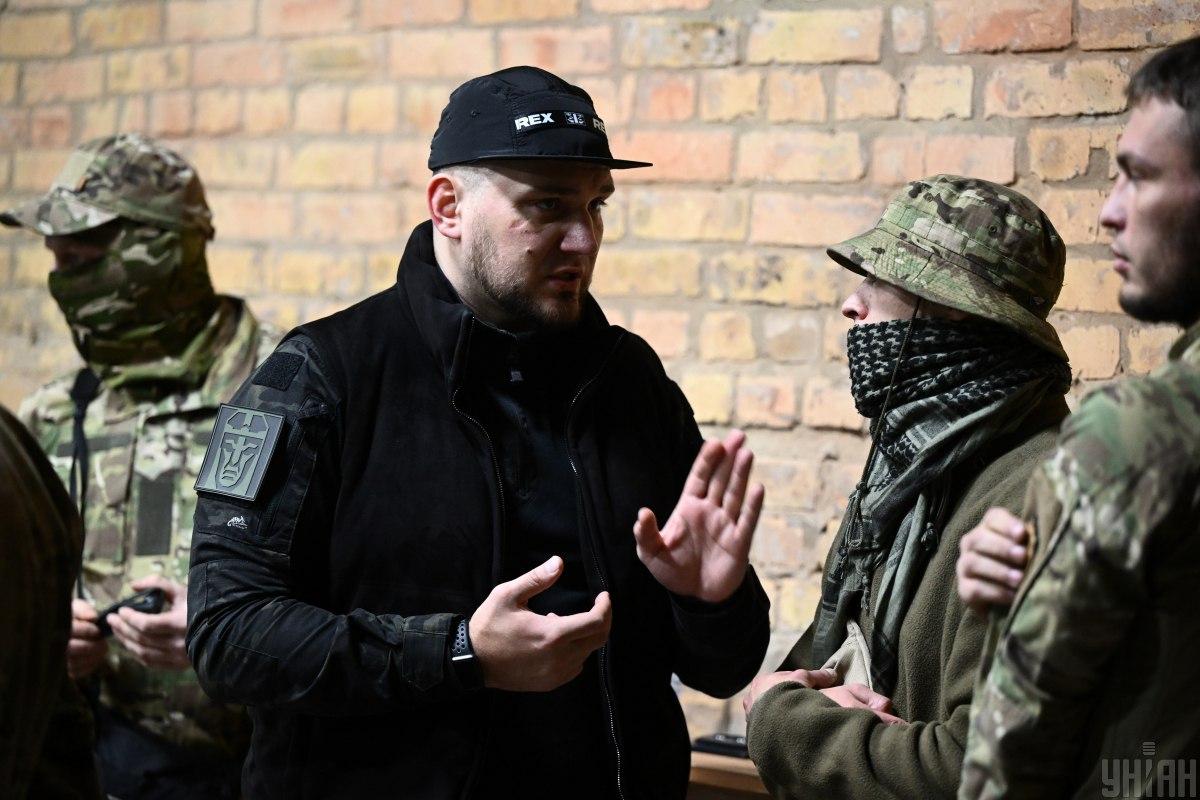
During a report to Budanov, the commander of the “Timur Special Unit” said the operation was complex and lasted more than a month. As a result, the team not only prevented the assassination but also identified the people behind the plot.
Our side received the funds that Russian intelligence allocated for this crime. Currently, Commander Kapustin is on Ukrainian territory and is preparing to continue his missions, he said.
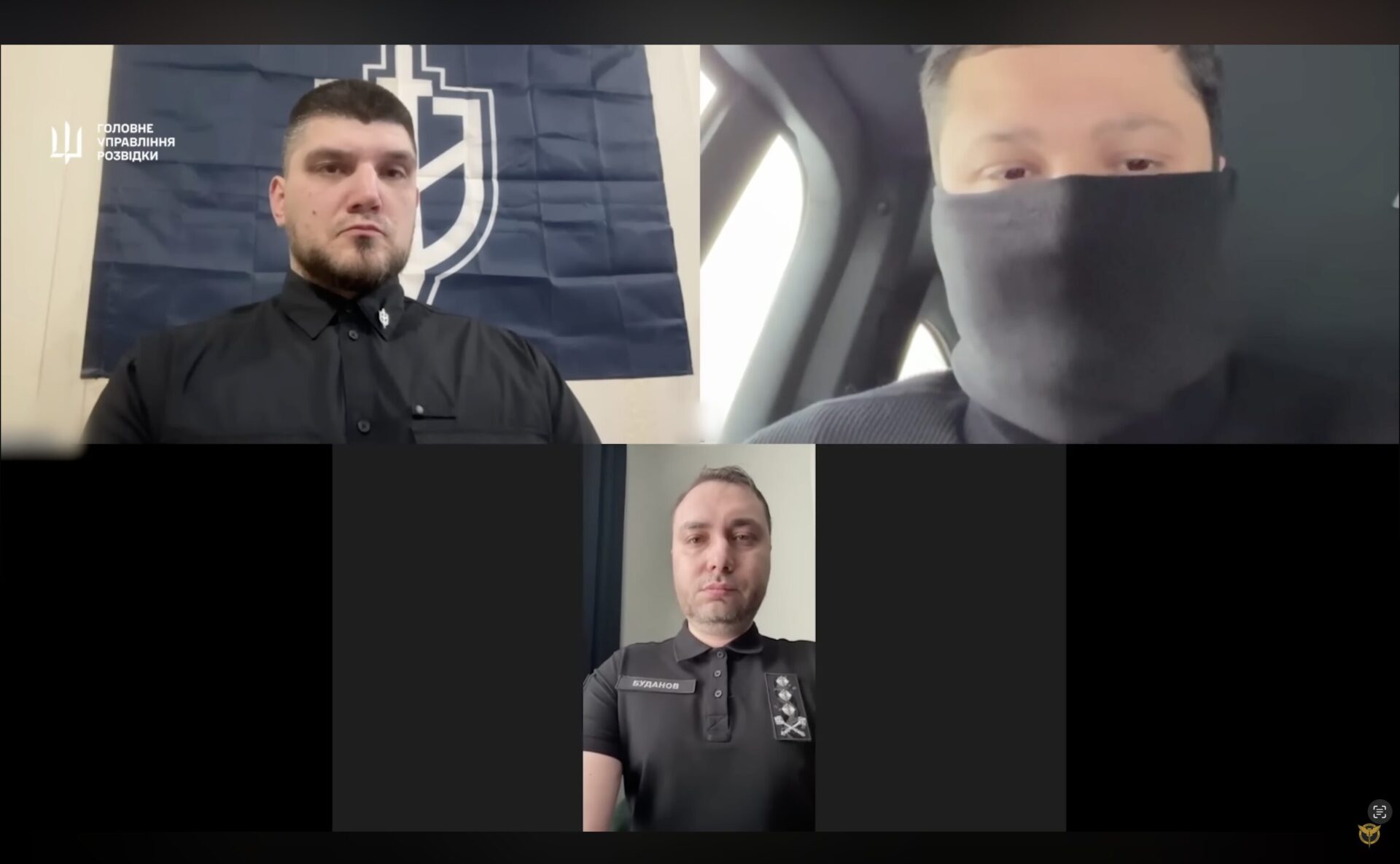
This confirmed that the earlier reports of Kapustin’s death were part of a carefully planned operation.
“Back to Life”
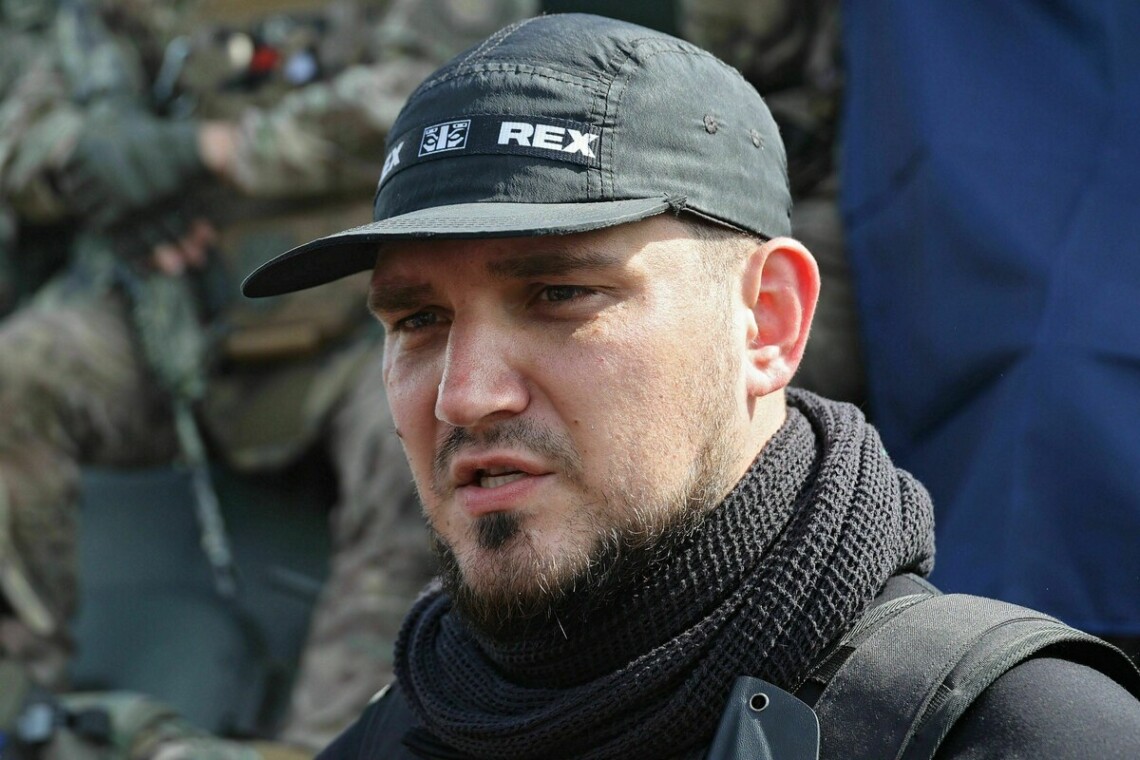
During a video link, Denis Kapustin joined the conversation himself. His presence proved that the “assassination” story was a trap. His calm tone and confidence emphasized that his unit remained operational and that Russia’s attempt to remove him had failed.
My temporary absence did not affect the quality of our combat missions. I am ready to move to the operational area and continue leading my unit, Kapustin said.
In response, Kyrylo Budanov welcomed Kapustin “back to life.”
First of all, Mr. Denis, welcome back to life. That is always a pleasure. I am glad that the funds paid for the order of your elimination are now being used to support our fight. I wish success to all of us and to you personally, he said.
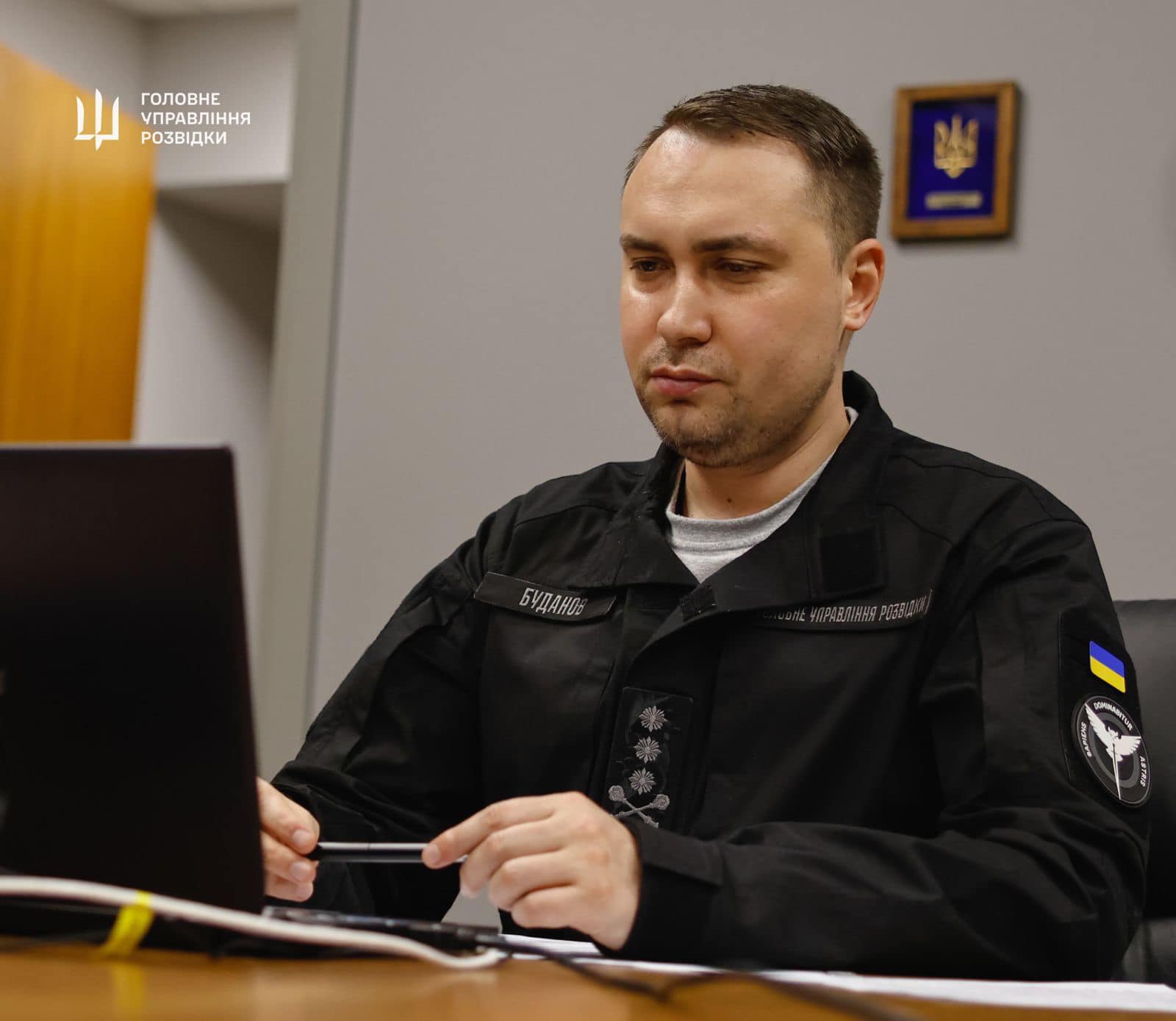
Budanov’s ironic remark shows how far modern warfare has gone beyond the conventional battlefield. It is not only about physical confrontation but also about anticipating the enemy, managing information, trust, and control over reality. Success depends on cold calculation and staying several steps ahead.
Background
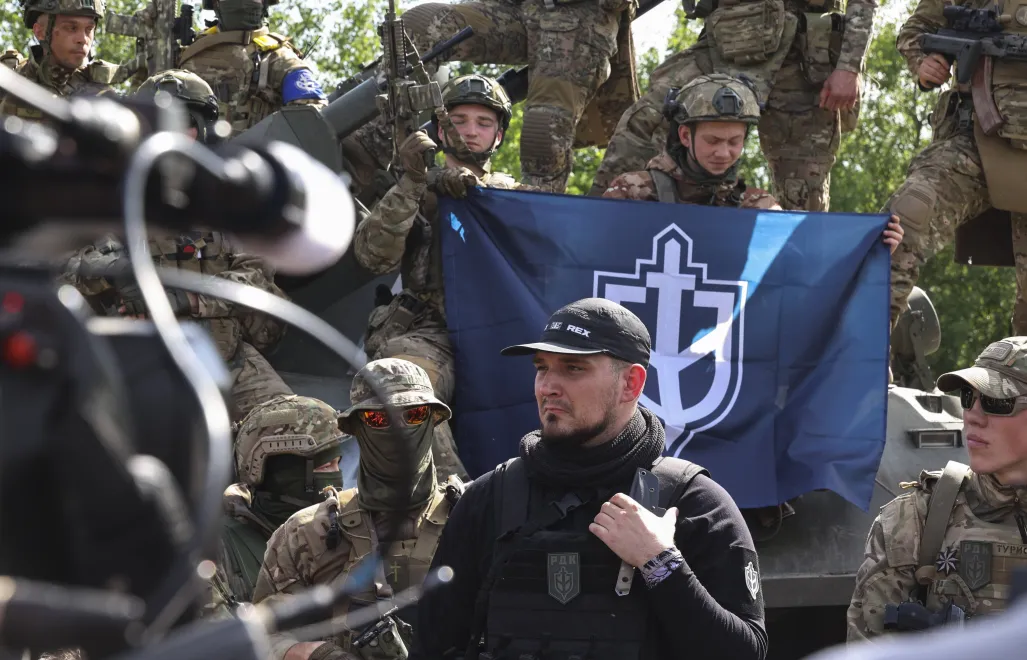
A few days earlier, on 27 December 2025, reports appeared online claiming that Kapustin had died. The RVC said he had been killed on the Zaporizhzhia front by an FPV drone strike. The news spread quickly and shocked many Ukrainians.
Hundreds of posts appeared on social media, expressing support and grief. Journalists, military personnel, public figures, and opinion leaders all reacted. For many, Kapustin symbolized resistance to the Russian regime from inside Russia itself. People accepted the news as a real loss, and few doubted its authenticity.
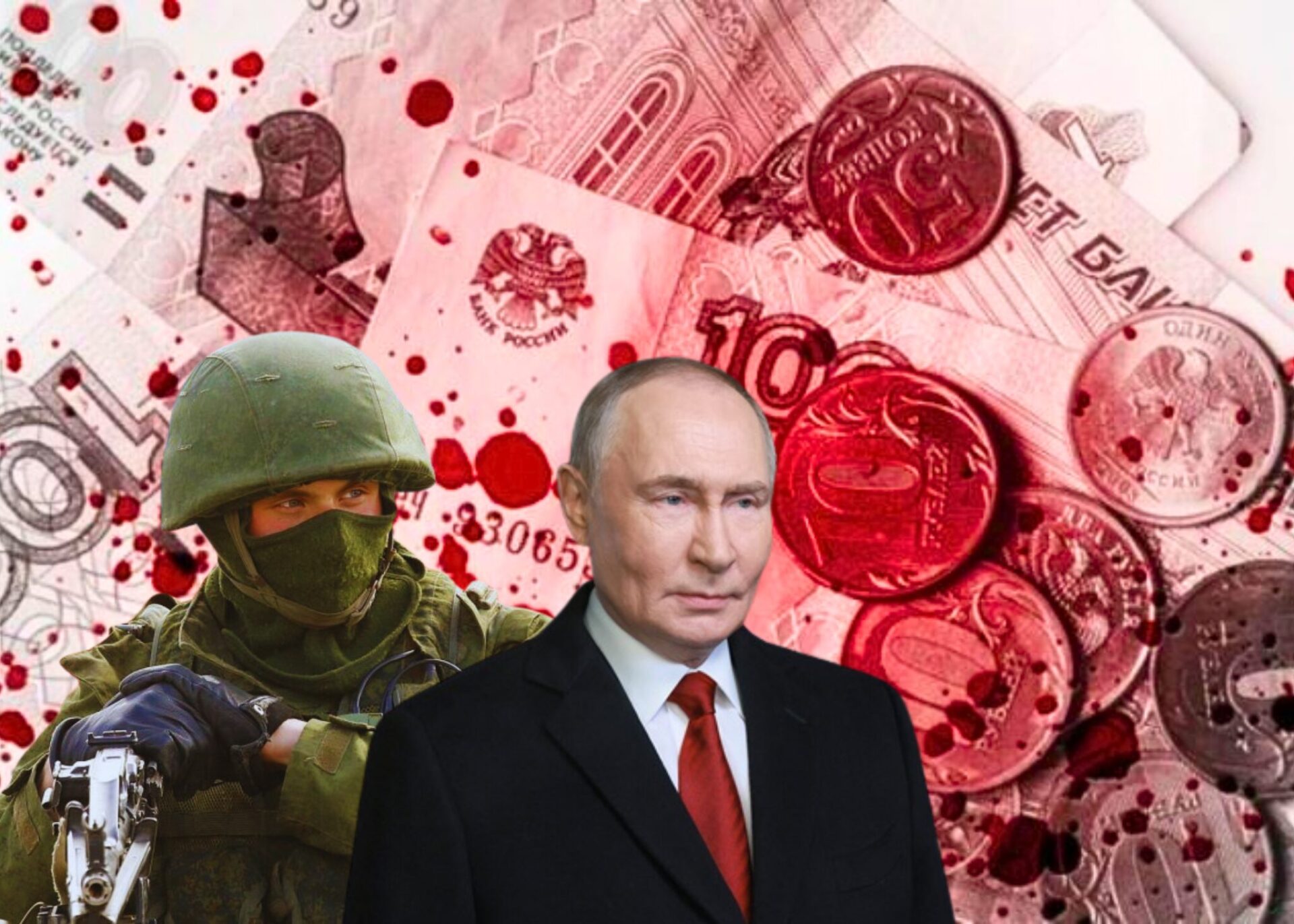
It seemed credible. Kapustin had become a prominent figure in the Russian volunteer movement—a Russian fighting openly against Putin’s regime on Ukraine’s side. Putin himself considers him a personal enemy. In 2023, the Moscow Military Court sentenced him in absentia to life imprisonment. He faced charges of treason, plotting terrorist attacks, forming a terrorist group, and acquiring explosives.
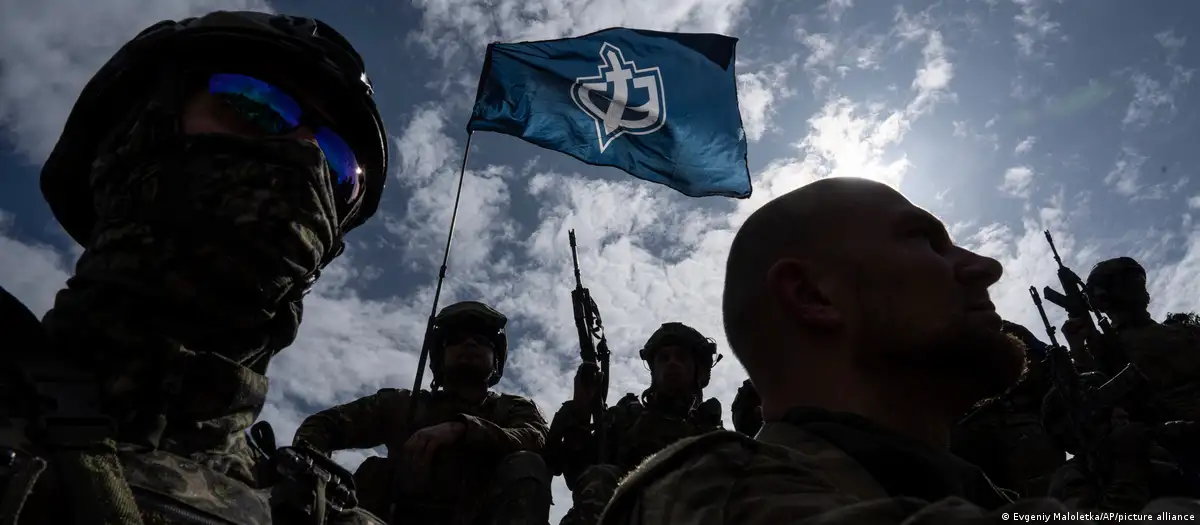
Additionally, in March 2024, units of the RVC, the Freedom of Russia Legion, and the Siberian Battalion entered the Belgorod and Kursk regions of Russia, claiming control over several towns and engaging in battles with Russian forces.
Against this backdrop, news of Kapustin’s “death” looked convincing. Yet it was part of a well-calculated operation by Ukrainian intelligence.
Conclusion
The news that Denis Kapustin is alive surprised many Ukrainians. On social media, people reacted with relief, praised the work of Ukrainian intelligence, and rejoiced the “resurrection” of the RVC commander. For many, it was the first truly good news of the new year—and it felt like a sign.
This case shows that the Russo-Ukrainian war has moved beyond classical combat. Now, careful planning, information, and anticipating the enemy matter more than ever. Ukrainian intelligence acted several steps ahead, saving Kapustin’s life and gaining a strategic advantage.
For Russia, the failure is a public warning: even its intelligence services can make mistakes, and attempts to influence events on Ukrainian soil can backfire.