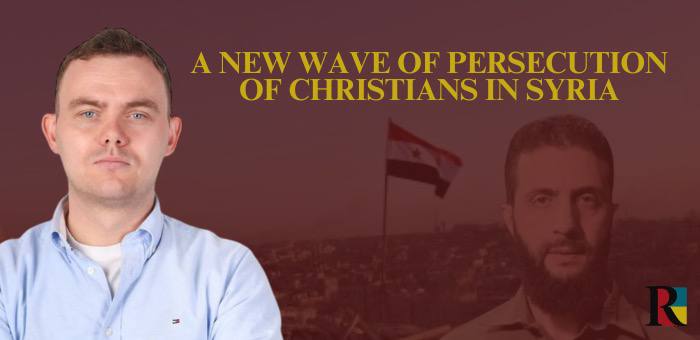


The situation in Syria remains complex and multifaceted, with numerous internal and external players influencing the course of events. The recent successes of Syrian opposition forces, including the capture of Aleppo a week ago and the fall of Damascus yesterday, signify the dismantling of Bashar al-Assad’s regime and a significant weakening of his allies, particularly Russia.
In this period of active events, it is necessary to raise an important topic about religious communities in Syria to avoid persecution and victims. Christians make up approximately 10% of the population in Syria, primarily residing in cities such as Damascus, Aleppo, Homs, and Latakia. Before the civil war, Aleppo was home to about 180,000 Christians, one of the largest communities in the Middle East; their numbers have since dwindled to roughly 30,000.
The Syrian civil war began on March 15, 2011, as part of the Arab Spring demonstrations. Fighting in Aleppo erupted in the summer of 2012, leading to a significant exodus of the Christian population, especially during the intense clashes between 2012 and 2016.
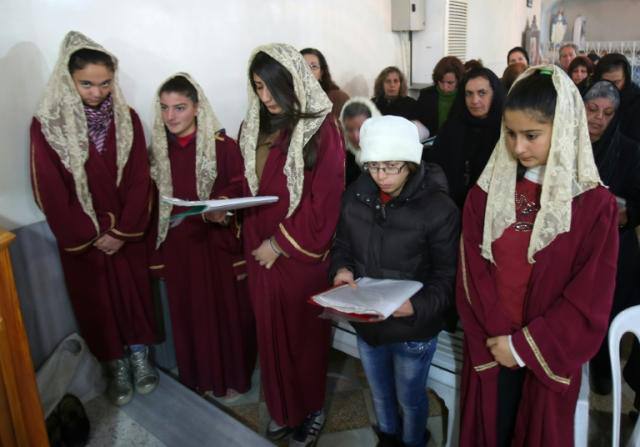
Under Bashar al-Assad’s regime, Christians held certain positions in government and administrative structures, though their representation was limited. Key leadership roles in the military and government were predominantly occupied by Alawites.
Among the opposition groups are organizations like “Hay’at Tahrir al-Sham” and “Islamic State of Iraq and the Levant,” known for their radical ideologies and history of attacks on religious minorities, including Christians. In October 2013, militants from the “Al-Nusra Front” [now known as “Hay’at Tahrir al-Sham”] killed 46 Christian civilians in the town of Sadad, including women and children; this was one of the largest massacres of a Christian community during the conflict. Additionally, in June 2012, Christian residents of Qusayr were issued an ultimatum to leave the town under threat of death.
The protection of human rights, particularly those of religious minorities, is a key issue in international law and the establishment of democratic governance. While the legitimacy of a new government is often determined not only by adherence to human rights but also by its ability to ensure stability, the protection of minority rights remains central to the international community’s assessment of the moral trustworthiness of any government.
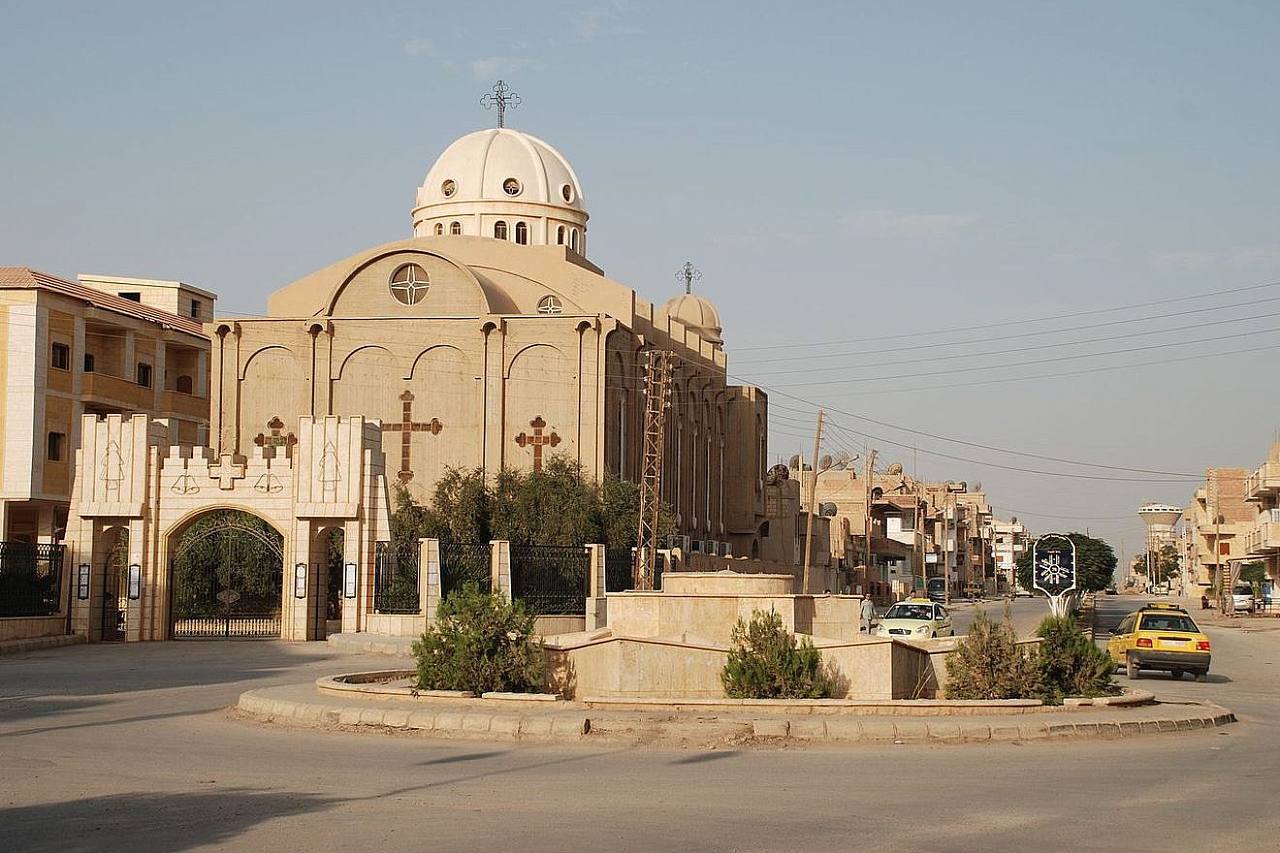
Therefore, the international community must take steps to prevent a new wave of Christian persecution in Syria. It is crucial for new governing forces to safeguard the rights of all religious minorities and adhere to international human rights standards. Only under such conditions can the victory over Assad’s authoritarian regime lead to long-term stability in the region.
Ukraine, which is itself facing aggression and human rights violations, supports efforts to weaken Russia’s influence in Syria. However, we urge all parties to the conflict to respect the rights of religious minorities and ensure the safety of Christian communities. The international community must remain vigilant and ready to act to prevent potential crimes against humanity and protect all Syrian citizens, regardless of their religious affiliation.
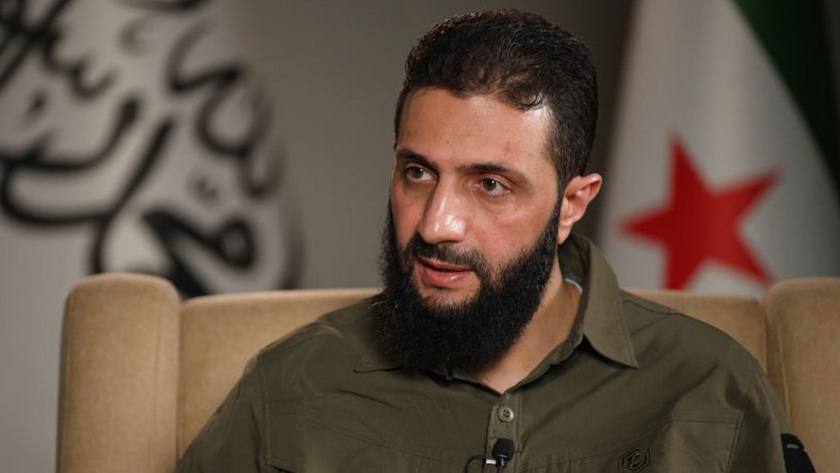
The leader of “Hay’at Tahrir al-Sham,” Abu Mohammad al-Jolani, has stated that the opposition aims to create an inclusive society where the rights of all are protected. We hope that these statements will be supported by concrete actions and that the new government will make every effort to ensure the safety and equality of all Syrian citizens. Protecting Christian communities in Syria will not only contribute to internal stability but also strengthen the credibility of the new government as a potential partner for the international community.
An interesting fact about the town of Sadad, where 46 Christians were killed: most of the population identifies as adherents of the Syriac Jacobite Church. The town’s history spans 4,000 years — it is mentioned in the Old Testament as Zedad. To this day, locals speak Aramaic, the same language spoken by Jesus Christ.
Volodymyr Savchenko, the founder and ideological inspirer of the project “The Ukrainian Review”