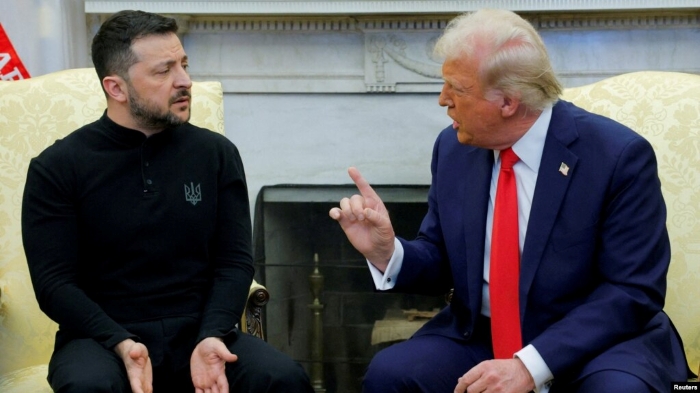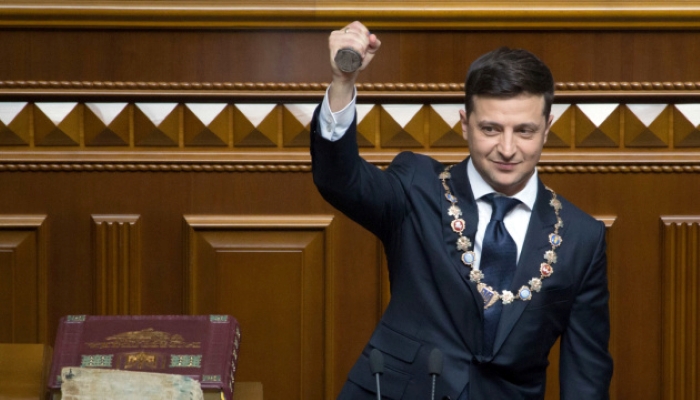


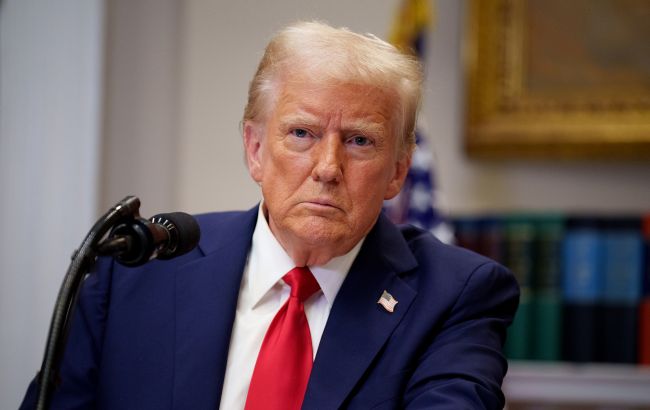
U.S. President Donald Trump, in an interview with Politico, stated that Ukraine needs to hold elections, claiming that the absence of a vote is “antidemocratic.” In essence, he repeated one of Russia’s long-standing excuses to pressure Ukraine and prolong the war without negotiations.
President Volodymyr Zelenskyy has said he is ready to conduct the elections, but that the vote depends on two key conditions: security and changes to legislation.
I am ready for the elections. Moreover, I ask the US, together with its European colleagues, to ensure security for the elections. Then, within 60–90 days, Ukraine will be ready to hold them, he stated.
Election scenarios
Zelenskyy has called on MPs to prepare legislative proposals to amend the election law for the period of martial law. However, real security guarantees remain extremely difficult to ensure.
Online voting is not an option either. Such systems are vulnerable to hacking, and voters may be exposed to pressure or coercion while casting their vote.
Under current wartime conditions, holding physical voting is also dangerous: Russian strikes continue even in relatively safe cities, while establishing polling stations near the frontline is impossible. Ensuring voting opportunities for millions of Ukrainians abroad, dispersed across dozens of countries, is another major challenge.
Beyond physical threats, there are ideological ones. Competitive elections during a full-scale war risk undermining national unity. Russian agents and proxy candidates could attempt to infiltrate the political process and use elections to seize influence.
Moreover, elections are expensive to organize, and wartime conditions drastically increase the cost.
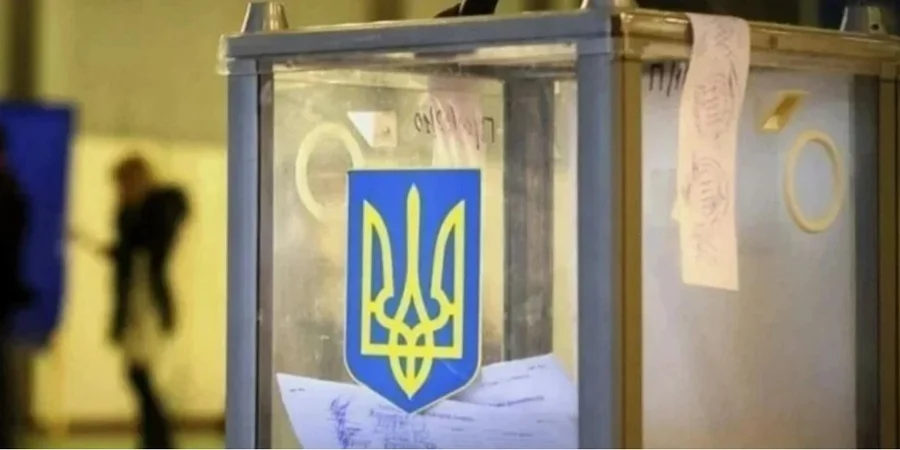
Legal Framework
The Constitution explicitly prohibits only parliamentary elections during martial law. Presidential elections are not banned, although the law on the legal regime of martial law, which can be amended by a vote, regulates the process.
This raises an additional question: how would changing only the president, while the current parliament remains in place, reflect the principle of democratic renewal?
At present, most Trump supporters in the U.S. continue backing Ukraine and support punishing Putin for war crimes. Yet the U.S. President’s decisions do not reflect that stance.
Conclusion
Ukrainians genuinely want elections — in proper conditions. But Russian aggression has left the country with no choice but to continue the war under a government democratically elected before the full-scale invasion. While the Russian dictator rewrites the constitution to stay in power twice as long, Ukraine is paradoxically accused of “antidemocratic tendencies.”
Ukraine’s President has emphasized that partners must not only demand elections, but also help create the conditions under which both the government and citizens can safely participate in them.