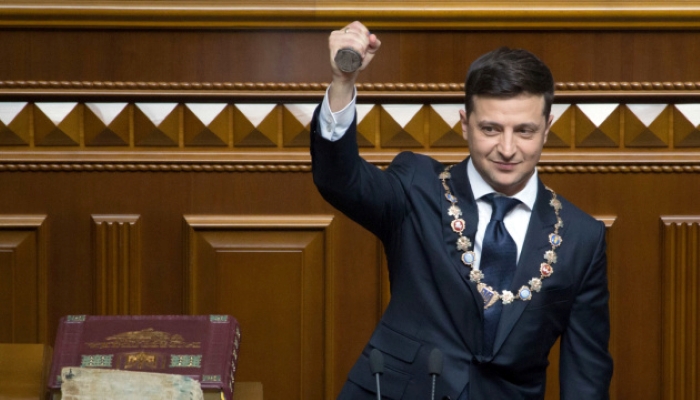
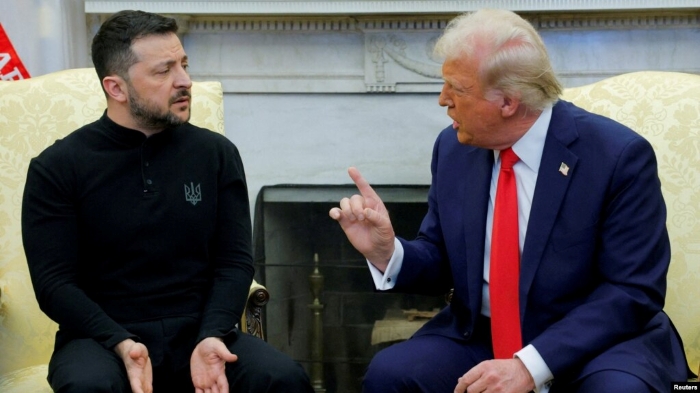


The ambitious plan to sign a peace deal by Thanksgiving has failed. Now President Donald Trump has selected another symbolic date and is pressuring Ukraine to agree to a deal by Christmas. This deadline, again, is unrealistic — and again not because of Ukraine, but due to ongoing manipulations from the Russian side.
Who Is Actually Against the Deal
On December 8, U.S. President Donald Trump claimed that Russia had allegedly agreed to a “peace plan,” while Ukrainian President Volodymyr Zelenskyy had not even read it. In reality, Russia has never publicly confirmed its willingness to sign the deal in its current form. Moreover, the plan has likely been worsened for Ukraine after Steve Witkoff and Jared Kushner visited Moscow.
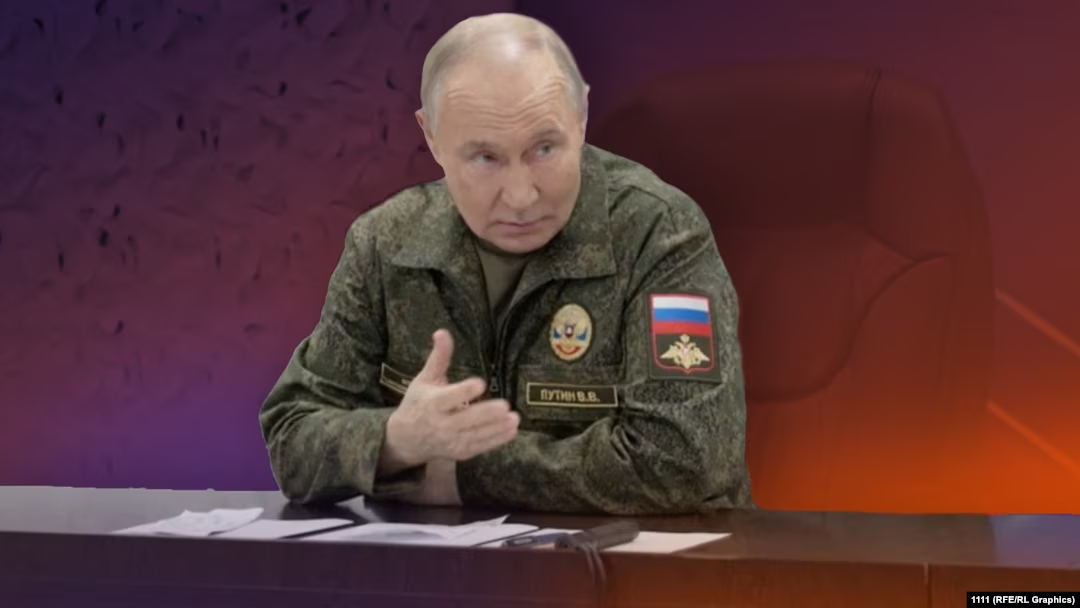
We will definitely bring this matter to its logical conclusion, to the achievement of the goals of the special military operation, Vladimir Putin said on December 9 at a meeting of the Human Rights Council.
The “aims” of the so-called “special military operation”, and in fact, the war, remain extremely vague. They include “demilitarization,” “denazification,” and the “protection of Russian-speaking citizens.” Such Putin’s rhetoric only continues the justification of terror for as long as it is necessary for him. The real objective is the destruction of Ukraine as a sovereign state, the ethnical murders, and the use of those who remain loyal for future offensives against other countries.
Additionally, Putin has signed a decree on the conscription of Russians for military training in 2026 — clearly not “just in case,” but as preparation for the next stage of aggression.
No Illusions in Europe
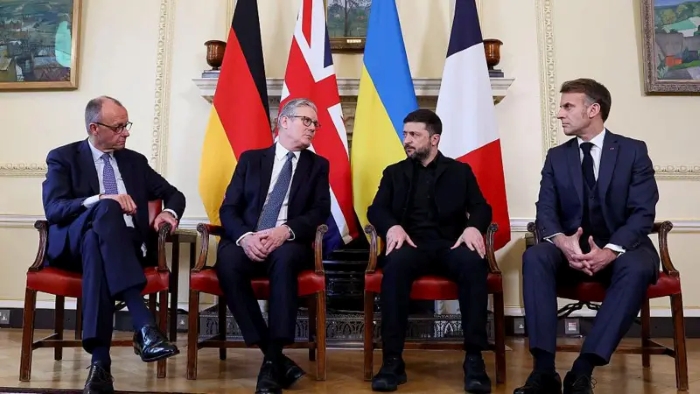
Ukraine’s position, as well as that of its European partners, remains unchanged: a peace deal cannot include any provisions that undermine sovereignty, particularly territorial concessions or a forced reduction in the size of Ukraine’s Armed Forces.
Ukraine and its European partners will soon present the United States with “refined documents” on a peace plan. However, the process essentially amounts to transferring the plan from one side to another without any meaningful compromises from Russia.
Meanwhile, Moldova, for example, has extended temporary protection for Ukrainian refugees until March 4, 2027 — a sign that no one in the region believes peace will come within weeks.
Conclusion
The proposed peace deal has effectively become a trap for Ukraine. If Ukraine signs it, nothing will change on the ground: Russia would continue the war, hoping to defeat Ukraine before facing more serious economic struggles. At the same time, Ukraine would be bound by new restrictions — conditions that only embolden the dictator.
Europe understands the scale of the problem, yet remains reluctant to introduce more decisive measures.