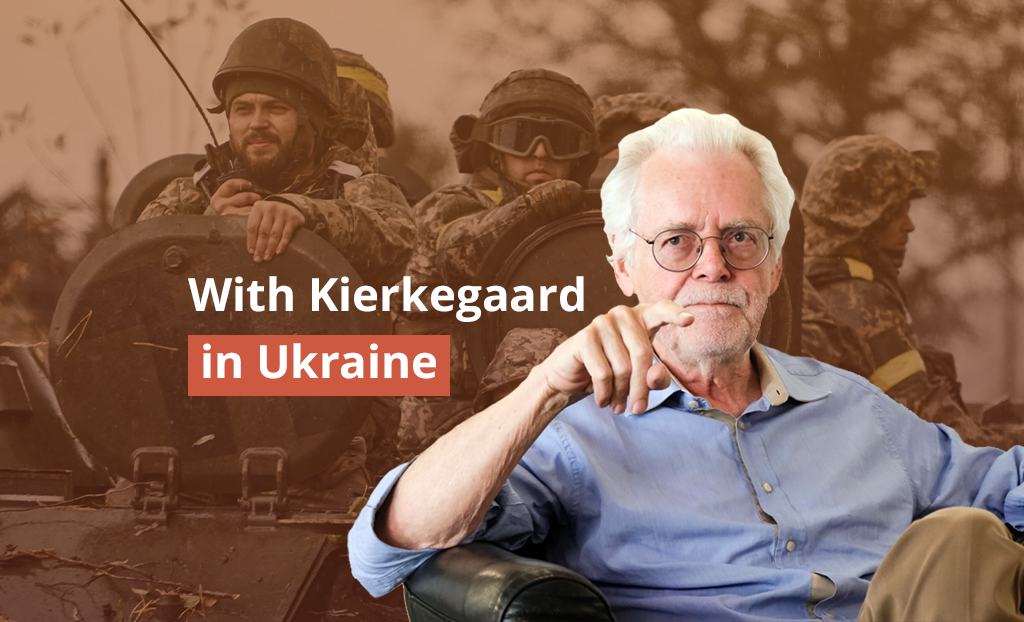


“For now, a peace agreement or just a ceasefire in Ukraine will be aesthetics, satisfying for many, at its core a concession to evil, a deception and a self-deception”.
Odesa / Kherson
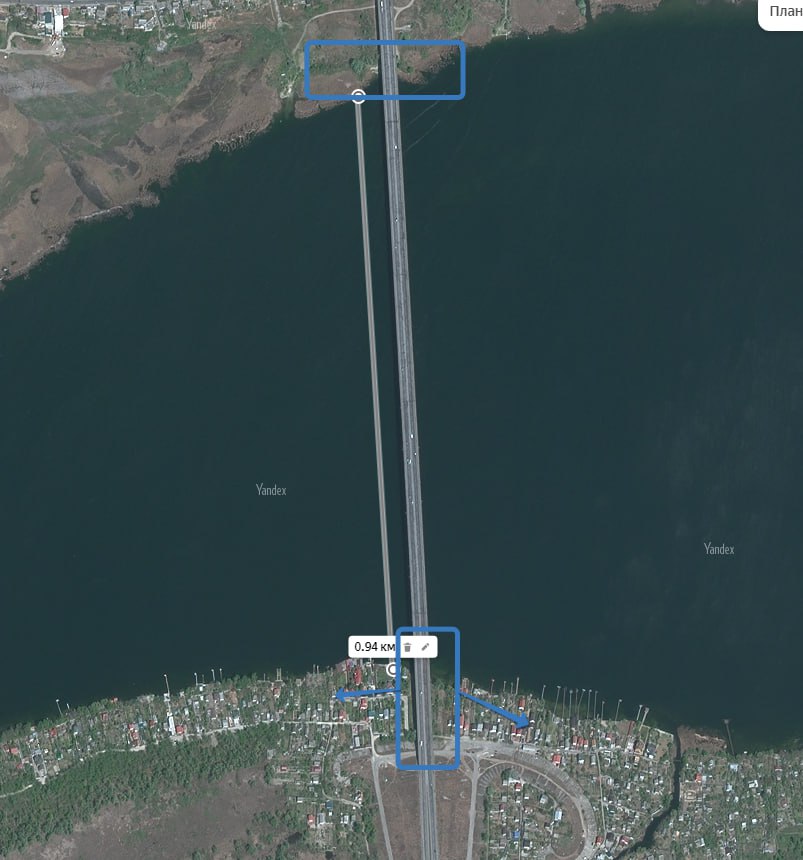
Water, water, water… water as far as the eye can see. A world has ended. Disaster after disaster haunts Ukraine: first Russia’s bloody and devastating war of aggression, then the Russian sabotage of the Kakhovka dam across the Dnipro. The flood covers an area the size of Bornholm Island. Tens of thousands of people have lost what little they possessed after almost a year and a half of Russian occupation, characterized by administrative lawlessness and military terror.
I spend a week on the Black Sea coast. There are meetings and conversations, interrupted by long breaks, which I spend reading Kierkegaard, a difficult gentleman, but also entertaining, sarcastic, arrogant, ironic, on the trail of himself, on the backs of others.
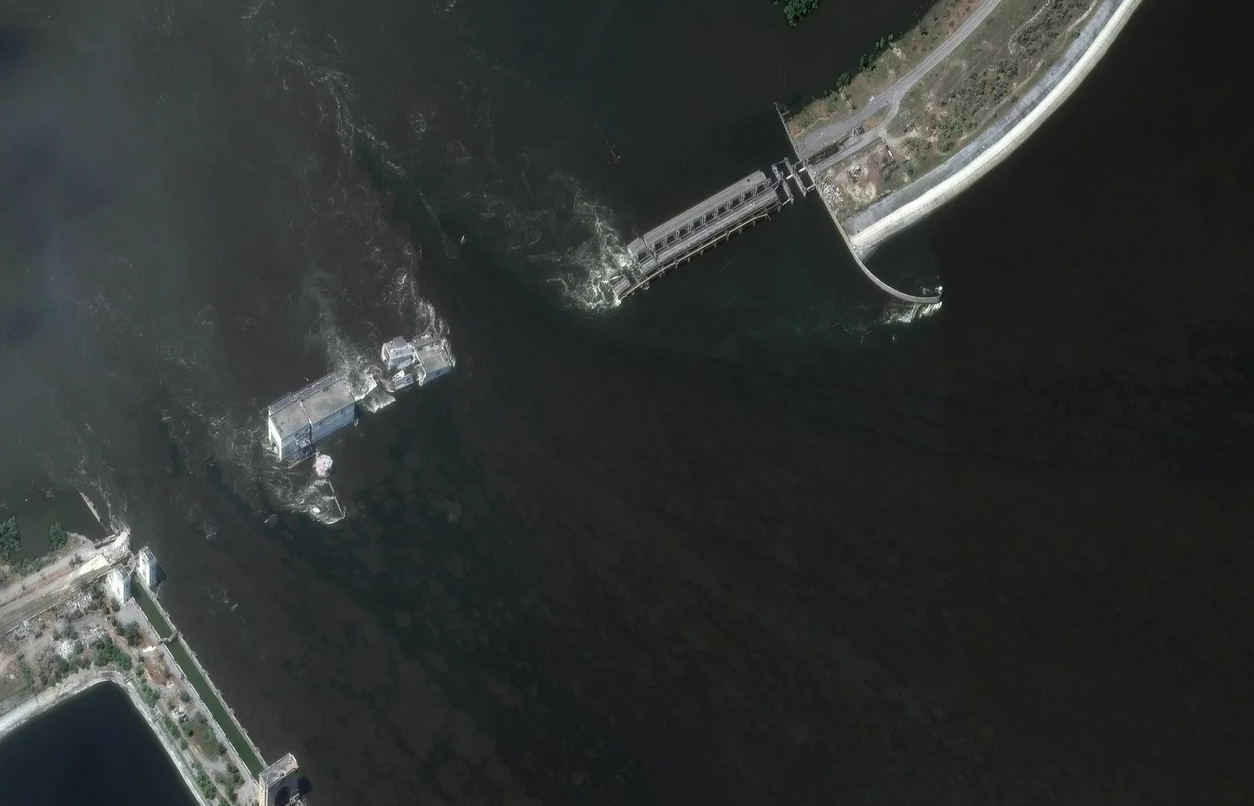
Actually, I had to take a closer look at the Ukrainians’ planned summer offensive. It reportedly runs sensibly further to the east and higher to the north. In the Kherson region, the water masses prevent the legendary General Marchenko from advancing towards the Crimea. Instead, his troops try to save what can be saved: people, animals, and possessions.
The tidal wave has given the Russians a tactical advantage. For now, they need not fear another defeat after the loss of Kherson in November 2022. In the long term, they have weakened themselves. The water masses will disappear and show that the occupying power’s defense lines have been washed away. This is how an army acts in a crisis. It is protecting itself as best it can at the moment. The strategic price? That time, that sadness.
Søren Kierkegaard thought and wrote diligently in the 1840s, just as the situation in the duchies was escalating. The disputes south of Kongeåen were political-ideological and did not involve our philosopher on his walks within the ramparts of the king’s Copenhagen or in the pay chamber at home on Nytorv. He despised the democratic and the national. The dispute occupied him when it was of a moral-ethical or religious nature. Then it was like Purgatory, he wrote: it purified the mind. As far as I know, he had no opinion about War and wars.
Sir Søren was not worldly, just different. He thought in his own universe, which is also — unbeknownst to everyone — our universe, today’s universe, Ukraine’s universe, demanding, a challenge. Again, and again he reinforces to us that we must move away from the aesthetic and towards the existential, towards the truth, which is not always reality, towards the ethical. The aesthetics tempt, he believes. The aesthetic is the easy and inadequate, the unsustainable surface.
For now, a peace agreement or just a ceasefire in Ukraine will be aesthetics, satisfying to many, and at its core a concession to evil, a deception, and a self-deception. Thoughtless, as far as amoral intellectuals and academics — people that the ethicist Kierkegaard despised — are agitating for Ukraine and Russia to be forced to the negotiating table. Forced? How? And why think that Vladimir Putin, this psychopath, this serial liar and poisoner who has broken dozens of other agreements — would respect an agreement on Ukraine? How naive can you be? How criminal can you be in your pacifism?
In Odesa, where the sirens wail every other moment, Kierkegaard tells me that Ukraine has to do with ethics, with the existential. Aesthetics is cowardice and ethical failure.
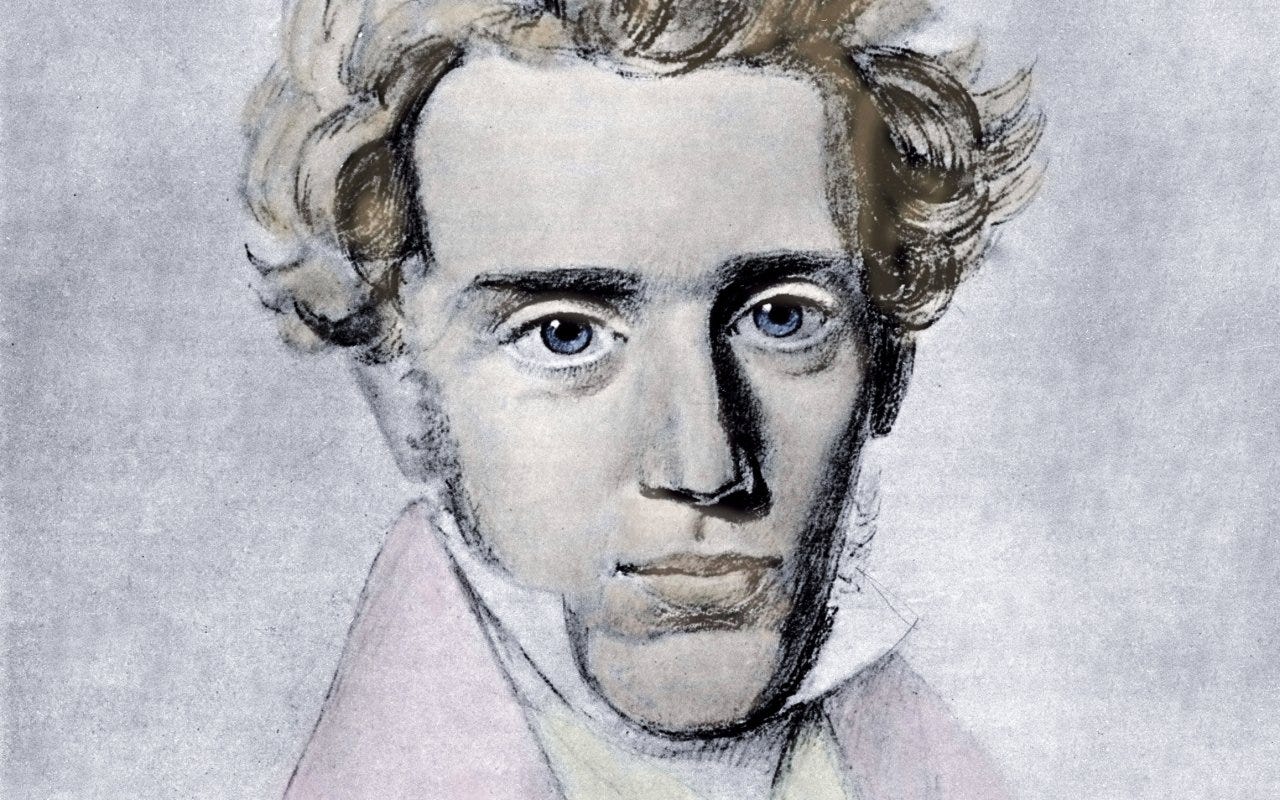
Søren Kierkegaard (1813-1855) Danish philosopher, theologian, poet, social critic and religious writer. He is often referred to as the first existentialist philosopher. He wrote critical texts on institutionalized religion, Christendom, morality, ethics, psychology and philosophy of religion, and was prone to metaphors, irony and parables. Much of his philosophical writing deals with how the individual lives, favoring concrete human reality over abstract thought and emphasizing the importance of personal choice.
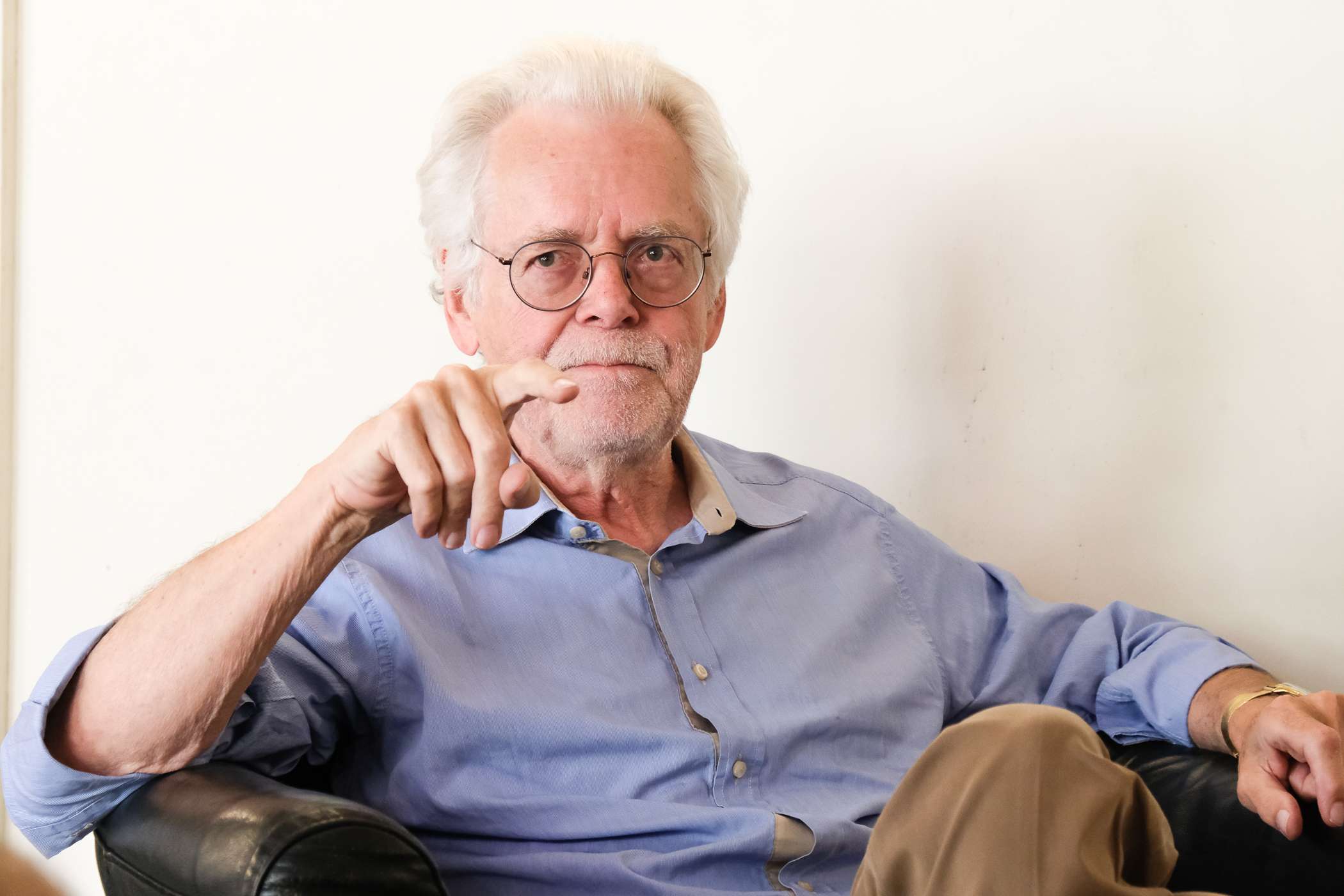
Author: Per Nyholm
Danish journalist since 1960, based in Austria, columnist and foreign correspondent at the liberal Danish daily newspaper Jyllands-Posten. This text was written for The Ukrainian Review.