

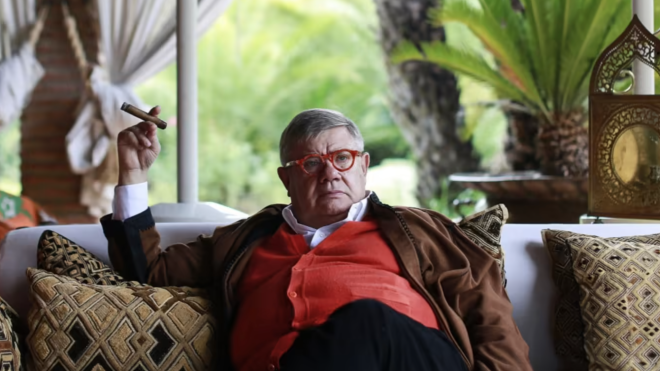
Jean-Yves Ollivier is a French businessman, president of the Brazzaville Foundation [an independent non-profit organization in London whose purpose is to develop initiatives, primarily in Africa, in the areas of conflict prevention and resolution, development, environment, and nature conservation, as well as about “unification of countries in peaceful cooperation” — ed.]. He has previously taken credit for using his business and political connections to secure prisoner exchanges, troop withdrawals, and ceasefires in some of Africa’s worst conflicts. Worked at Rosatom.
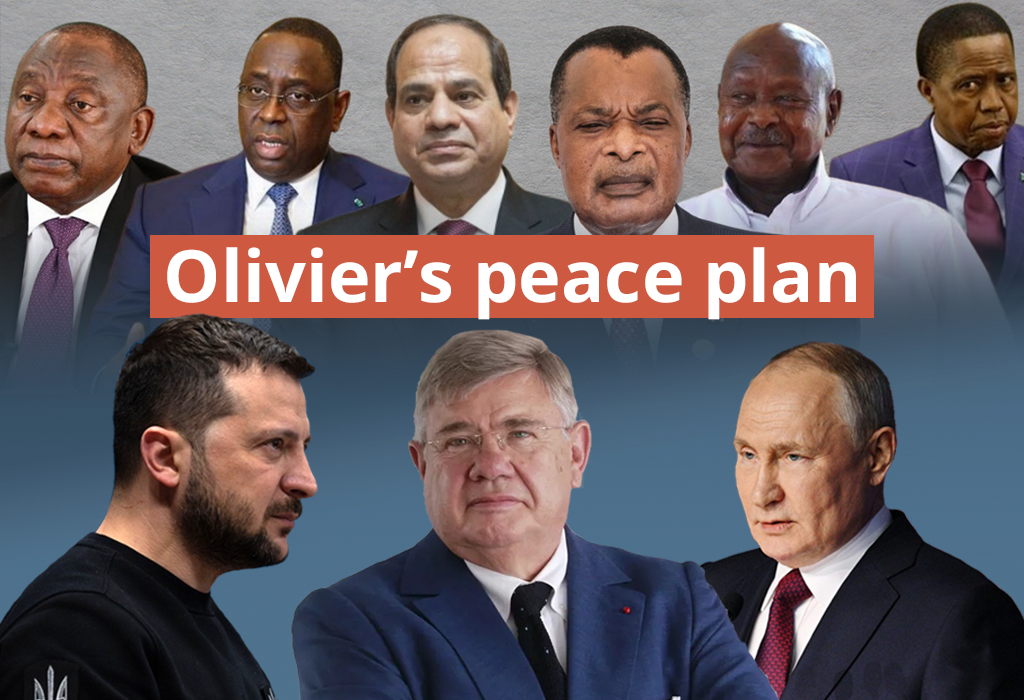
Jean-Yves Ollivier is currently organizing negotiations between Russian President Vladimir Putin and Ukrainian President Volodymyr Zelenskyy. In June 2023, he brought to Moscow and Kyiv a delegation of the leaders of six African countries — the Republic of South Africa, Senegal, Egypt, the Republic of Congo, Uganda, and Zambia.
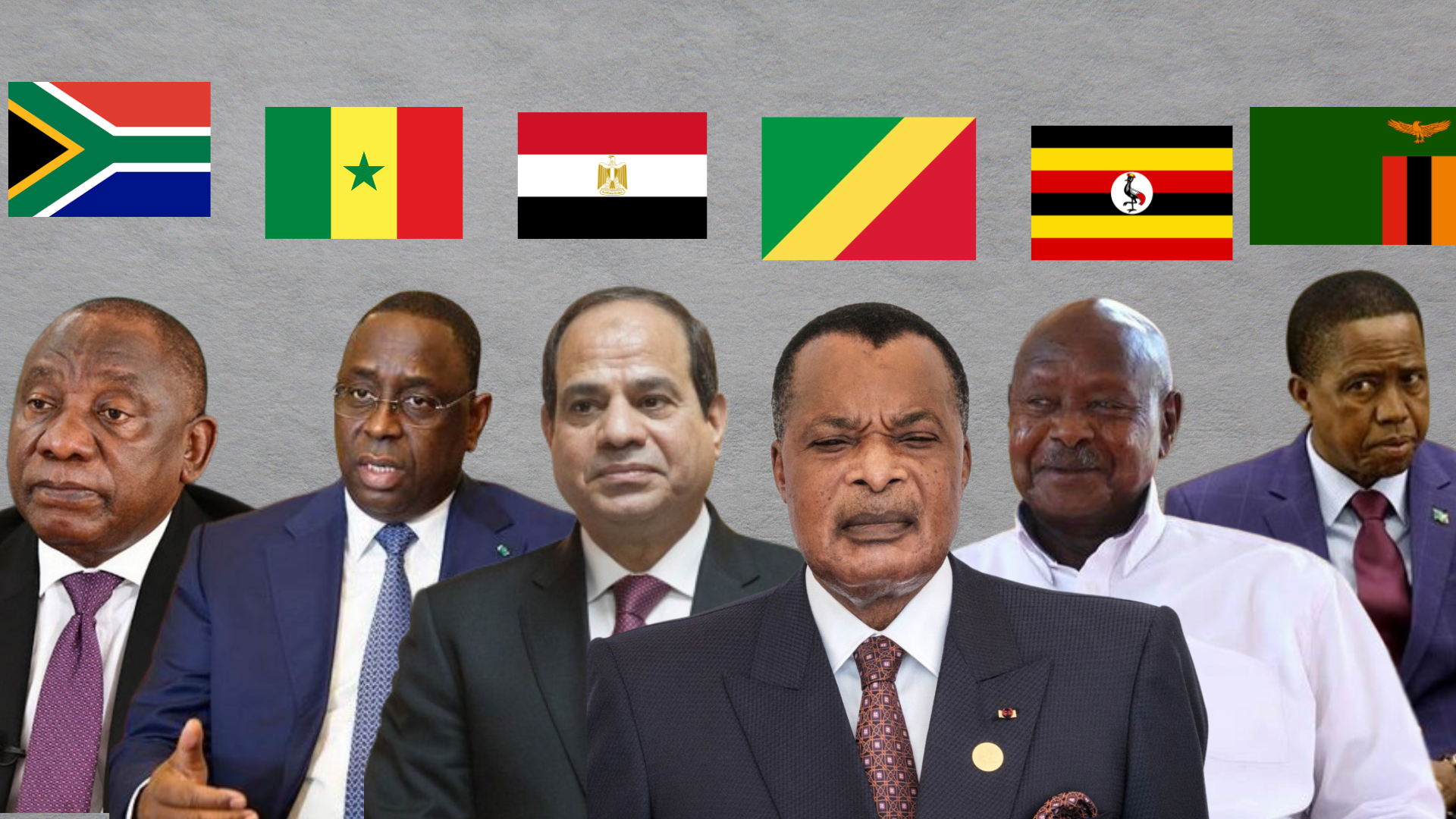
The talks are also endorsed by the United States, the European Union, the United Nations, the African Union, and China.
Jean-Yves Ollivier calls the purpose of the delegations’ visit “the initiation of the peace process.”
What does the French businessman offer?
“Africa is the only continent that is really suffering. I don’t think the US is suffering, I don’t think Europe is suffering, except for a little bit of inflation. But in Africa, if there is no harvest next year due to the lack of Russian fertilizers, millions of people will die,” Ollivier said.
“There is a very big threat that the war will affect Africa directly. This threat has loomed over the disruption of stable grain exports as a result of the conflict and sanctions, which could ultimately lead to mass starvation across the continent.”
The businessman also notes that Russia cannot receive money for exporting fertilizers due to severe sanctions
Ollivier also emphasized that African countries face “strong pressure from the Russians and the Americans, sometimes both, to choose a side [in this war].”
What steps “towards peace” does Jean Yves Olivier suggest?
For the initial stage of the transition to the peace process, Olivier singles out two steps:
- the exchange of thousands of captured Russian and Ukrainian soldiers;
- a long extension of the fragile grain deal.
Let’s analyze these theses and points of the peace plan.
“Africa is the only continent that was really affected by the war in Ukraine. There is only a little inflation in Europe because of the war”
We asked Yevhen Savisko, political expert, resident of the “Cabinet of Experts” of the movement “All Together!”, to comment on this thesis:

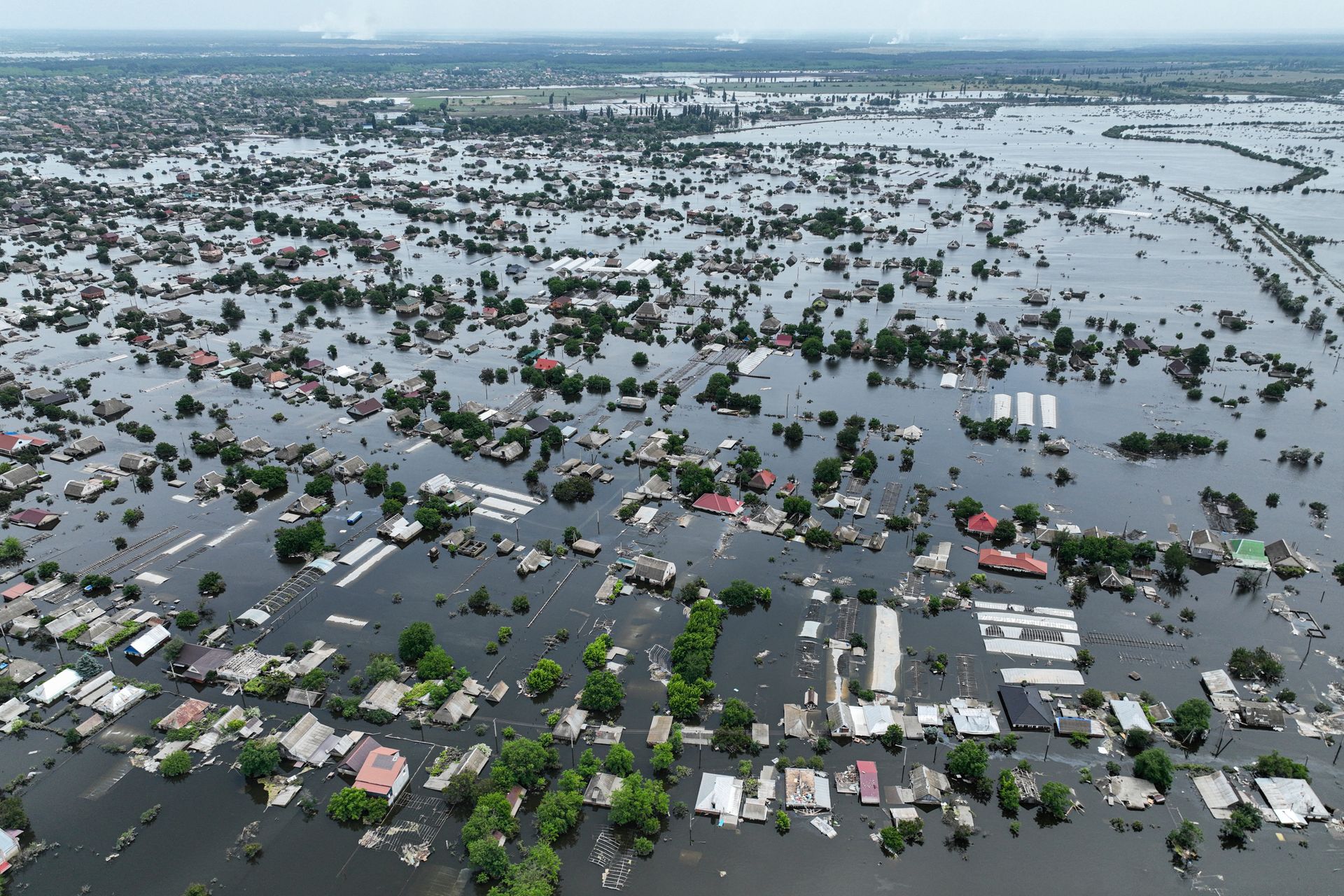
“Jean-Yves Olivier voices a purely Russian narrative that the war in Ukraine poses no threat to anyone, or almost no one. Therefore, there is no need to worry. However, this is completely untrue. Let’s recall at least the last events. June 6, 2023 — Russian military personnel blew up Kakhovskaya HPP. This is one of the biggest man-made disasters in Europe in the last few hundred years. It is still impossible to establish the exact number of dead Ukrainians and the amount of damage caused. The preliminary amount is at least $5-10 billion. And these losses are only for Ukraine. Mass desalination of the Black Sea will harm not only the water area of neighboring states — Romania, Bulgaria, and, of course, the temporarily occupied Crimea, but also all other Black Sea states, including the Russian Federation itself. It is also necessary to take into account hundreds of cubic meters of fuel and lubricants, sewage effluents, cattle burial grounds. We are talking about pollution on a global scale.”
“I agree that the negative consequences of the Russian invasion of Ukraine, the persistently high level of inflation and strict financial conditions, have had a greater impact on poor countries, including African countries, which were directly or indirectly dependent on grain imports and food prices, because they generally found themselves on the verge of impoverishment. However, the situation in Europe is also volatile, although inflation moderated slightly in the first quarter of 2023 due to lower energy prices, easing supply chain constraints and a strong labor market. However, future prospects and forecasts remain extremely uncertain.

After all, economic growth in 2023 could be weaker if the war caused by Russia’s invasion of Ukraine escalates further, food and energy prices rise, interest rate hikes accelerate globally or in the region, or there is a sudden change in the direction of capital flows in the region Current changes in the banking sector in some countries with developed economies may also have a negative impact on economic growth. Therefore, inflation may remain high in many countries”, – adds Iryna Popova, executive director of financial company Aktivitis LLC.
Africa is at risk of starvation due to sanctions and the disruption of stable grain exports
Kateryna Shtepa, head of the strategic planning department of the Institute of Governmental Relations, commented on this thesis:
“Africa is really the most threatened by hunger: the EU countries are developed enough to stabilize the food situation in contrast to developing countries.

Even before the war, Ukraine became one of the largest exporters of grain, in particular to African countries, due to moderate price policy and convenient logistics across the Black Sea. If you deliver grain by rail or river, it will still take a lot of time and the price will be appropriate [higher, author].
However, why were there problems with the transportation of grain crops by sea? Due to the aggression of the Russian Federation. Russia has blockaded Black Sea ports, committed war crimes daily, and recently committed ecocide. The Black Sea Grain Initiative was concluded, but even with an additional treaty, the process remains complex and takes time, which some countries do not have. In general, the signing of the Black Sea Grain Initiative through the mediation of the UN was a difficult step, because Russia tried to negotiate favorable conditions for itself. The Kremlin has said it will unblock Ukrainian ports if the world helps circumvent sanctions. Thus, the Russians from time to time make demands that cover a conditional strategic zone of interests of a non-military nature. The Russian Federation returns with requests for limited use of the global SWIFT transfer network for its banks or abolition of restrictions on the supply of goods and parts of agricultural products.
Also, after the Russians carried out ecocide in the Kherson region, some of the suitable fields were flooded or poisoned with harmful substances and they will remain unsuitable for agricultural needs for many years. Therefore, the situation is becoming more and more complicated, and now the amount of grain may decrease for objective reasons.
Sanctions against the Russian Federation are attempts by the world community to restrain Moscow’s aggressive intentions. These sanctions are definitely not enough, as they do not reduce the level of escalation of the war.”
The expert explains the place of Ukraine in the world grain market.
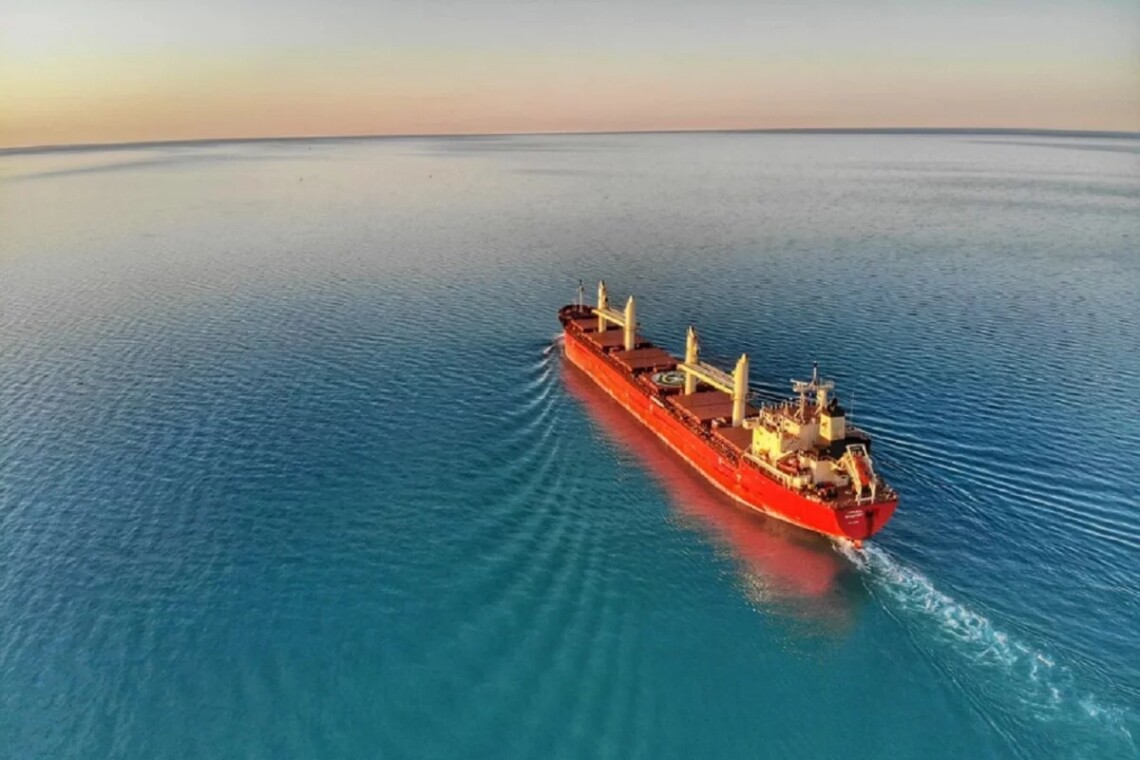
“Before the beginning of the full-scale invasion of the Russian Federation, the share of Ukraine in the world export of wheat was at least 10%, barley – more than 20%. In addition, Ukraine was the largest exporter of sunflower oil in the world, its share was more than 50%.
According to official UN data, corn, wheat and sunflower oil exported from Ukraine were received by countries on all continents. In particular: China, Spain, Turkey, Italy, Netherlands, Egypt, Bangladesh, France, Israel, Portugal, Republic of Korea, Afghanistan. Even from this incomplete list, it is clear that Ukrainian grain is needed all over the world. That is why Russia deliberately provokes and organizes a food crisis in the world, and tries to diminish the role of Ukraine in the world agricultural market”, – adds Yevhen Savisko.
African countries face “strong pressure from Russians and Americans to choose sides”
As the BBC reports, almost from the beginning of the Russian Federation’s full-scale invasion of Ukraine, African countries tried to maintain neutrality, but maintained warm relations with Russia. On the anniversary of the invasion, South Africa hosted the Russian Navy for training.
Ruben Bridgeti, the US ambassador to South Africa, said that, in the opinion of the US, the Republic of South Africa supplies the Russian Federation with weapons: weapons and ammunition were loaded on the Russian cargo ship of the President of the Russian Federation Vladimir Putin and the President of the Republic of South Africa Cyril Ramaphosa, which was moored at the naval Cape Town base.
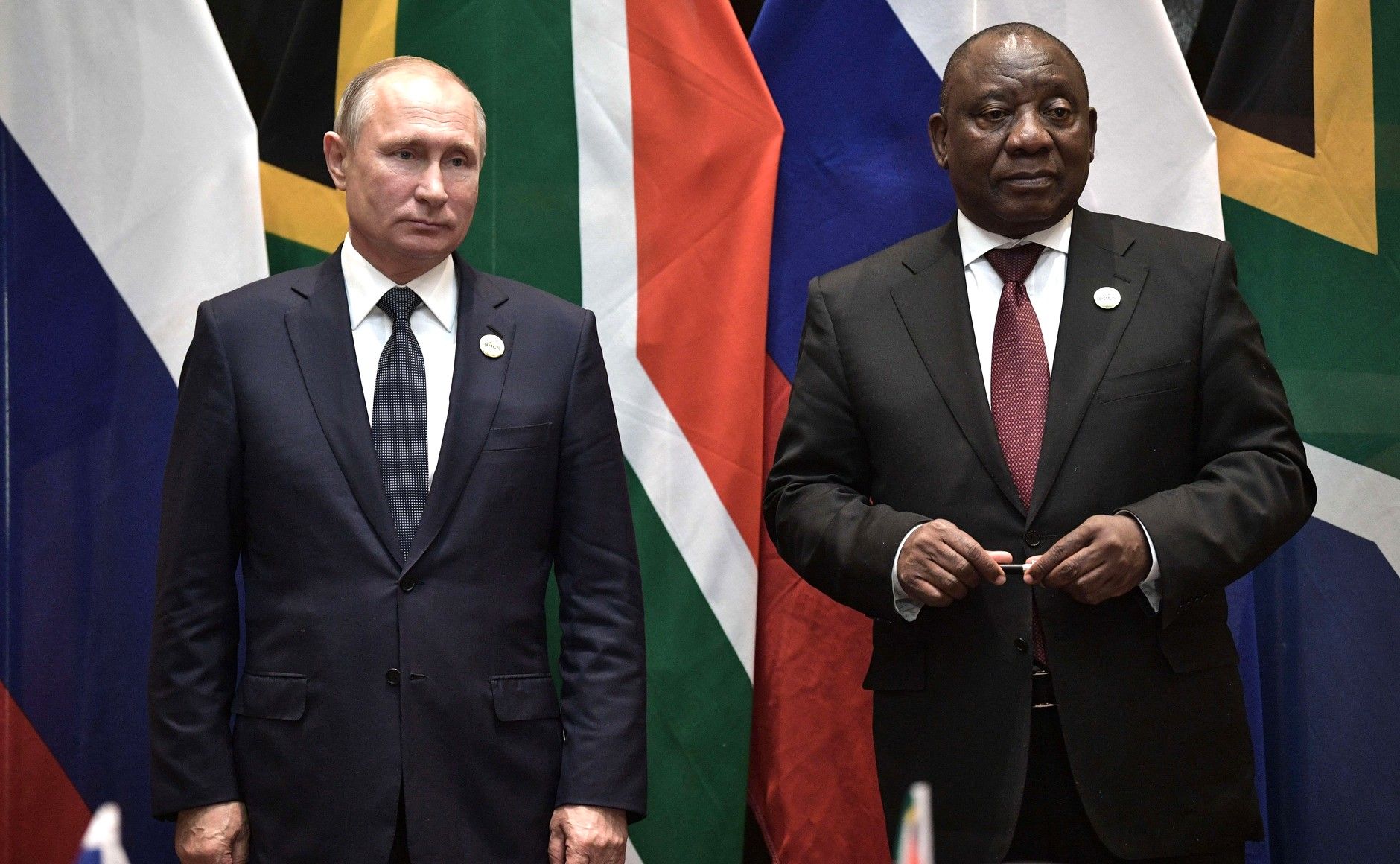
Therefore, it is not surprising that the President of Ukraine, Volodymyr Zelenskyy, called on the President of the Republic of South Africa, Cyril Ramaphosa, “to unite with other countries of the world, all continents and Africa in joint work to implement our peace formula.”
“Africa needs to stop the continuous wars within the continent, start fighting against the influence of private Russian military companies such as Wagner, and most importantly, stop supporting the Russian Federation and believe in the reliability of the partnership with it. After all, she likes to betray her allies so much and organizes a significant part of the confrontations on the African continent”, – adds Yevhen Savisko.
Jean-Yves Ollivier’s peace plan
We asked Stanislav Zhelikhovskyi, PhD in Political Science, international expert, to comment on the peace plan proposed by Jean-Yves Olivier and to analyze the real reasons for the trip of the African delegation:
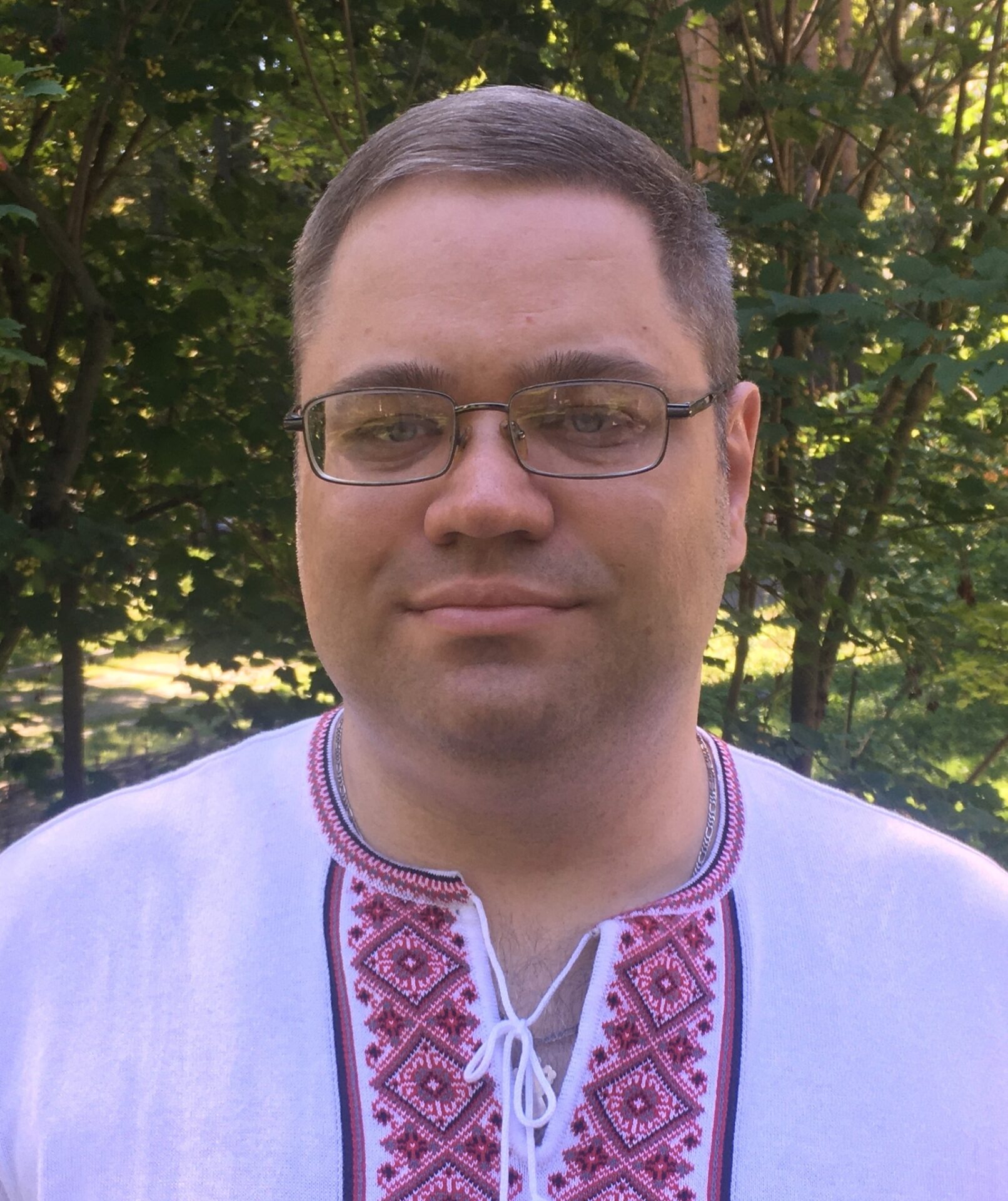
“In my opinion, the purpose of this trip is to support the peace plan proposed by the People’s Republic of China. This is confirmed by the fact that these days the President of the Republic of South Africa Cyril Ramaphosa informed the Chinese leader Xi Jinping about the upcoming visit of the leaders of African countries to Moscow and Kyiv with the aim of ending hostilities. In the statement of the president of South Africa, it is said that during the conversation with Xi Jinping, he noted the peace plan proposed by China and confirmed the support of African leaders for initiatives aimed at a peaceful resolution of the “conflict”.
Parallels can also be drawn: the delegation of African countries names the continuation of grain export as one of the goals of the trip; the Chinese peace plan, in one of its 12 points, provides for the export of grain.
It is important to understand that the Black Sea Grain Initiative exists only because hostilities continue. There will be no hostilities when the Russian Federation withdraws its troops – there will be the usual sale of Ukrainian agricultural products. However, such formulations of the “peace plan” make it clear that we are not talking about the withdrawal of troops, but about the freezing of the war.
The exchange of prisoners, which the leaders of African countries want, is also a proposal of the peace plan of the PRC. But this again does not bring the victory of Ukraine closer.
The game is underway, and I think that the African delegation is heading to Kyiv to propose various initiatives written in Beijing and Moscow.
Why do the leaders of African countries behave like this?
In recent years, China has significantly expanded its economic presence on the African continent. At the same time, Russia was able to create its military and diplomatic influence in certain regions, especially those that are engulfed in civil conflicts or various kinds of rebellions.
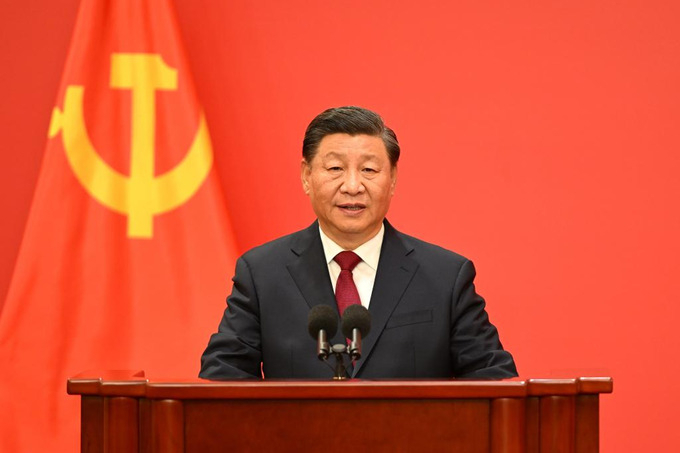
President of the People’s Republic of China
It is also worth recalling that in August 2022, the US strategy for Africa was published. It outlined China’s view of Africa as an important arena for challenging the international order and advancing its own narrow commercial and geopolitical interests, and weakening African countries’ relations with the United States.
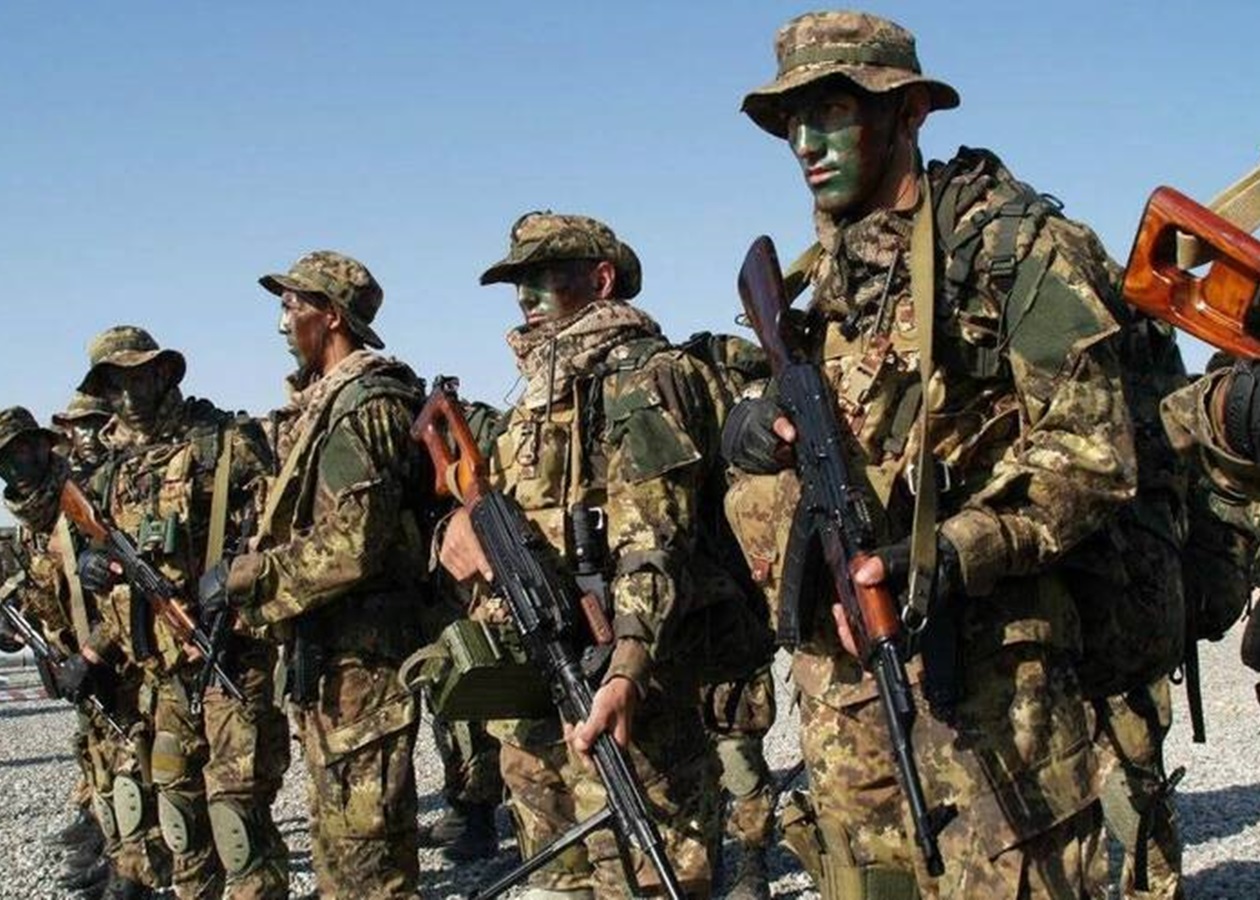
And the Russian Federation views Africa as an environment for parastatals and private military companies, which often incite instability for strategic and financial gain. Among them is the well-known private military company “Wagner”, which is increasingly active in countries such as, for example, Mali, Sudan. That is, both Moscow and Beijing have a very strong influence on the African continent, and they are using it now as a lever that will put pressure on Kyiv to sit down at the negotiating table.”
***
Currently, the peace plan, with which the leaders of African countries are going to Moscow and Kyiv, does not have clear steps to end the war and settle the military conflict and does not correspond to the Ukrainian “peace formula”.
Anna Ostymchuk