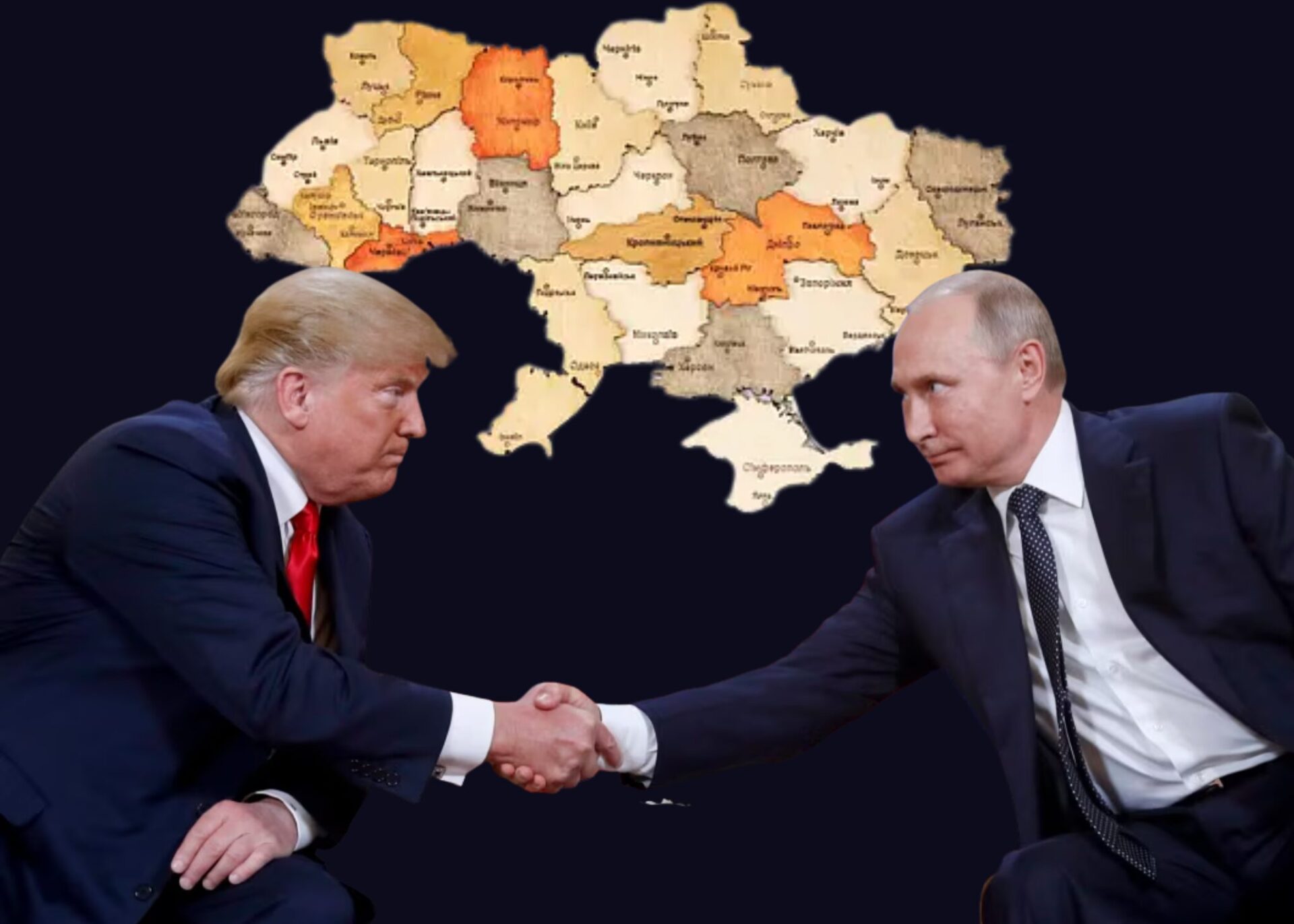


US President Donald Trump is promoting a “peace” agreement on Ukraine, which involves the actual recognition by Russia of control over Crimea and part of the occupied regions. Formally, Ukraine will not be obliged to recognize the loss of territories, but the very fact that the US is ready to consolidate the status quo means a profound change in the entire logic of international support for Kyiv.
Such reports have caused a wide resonance, and according to media and analysts, such a step is an attempt to end the war through a “compromise”. However, what is the threat of such a “compromise” and why Trump is so eager for it, we will analyze below.
Why Trump and his entourage are promoting the idea of recognizing the occupation
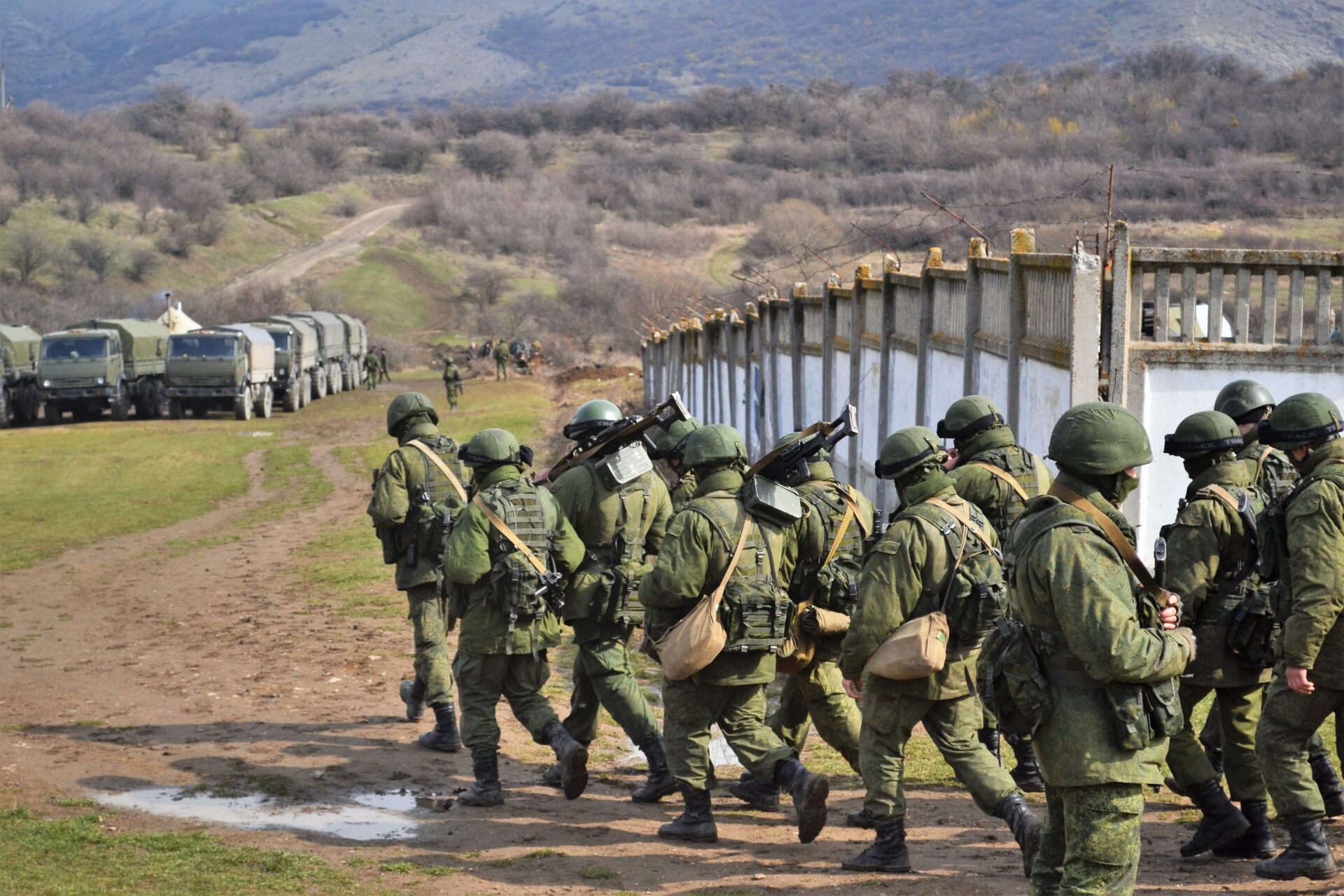
President Trump has directly stated that “Crimea will remain with Russia”. In an interview with Time magazine, he said: “I don’t think they will ever be able to join NATO, and Crimea should remain Russian”.
Explaining his position, Trump argued that on the peninsula “they spoke and still speak Russian, so the peninsula will remain Russian, and the president of Ukraine understands this.”
Thus, the main motive seems to be the desire for a quick political solution – to “close” the war without further delay. In this context, moral and legal arguments fade into the background: a strategic “peace agreement” becomes more valuable than the return of territories.
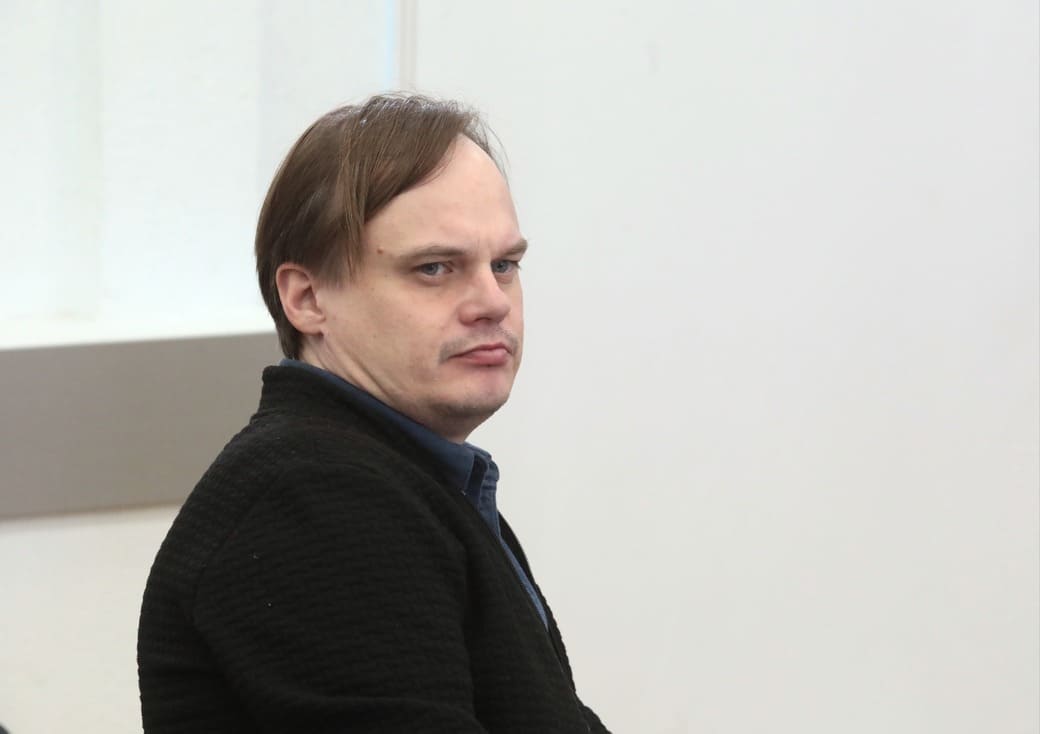
At the same time, as Dmitry Shulga, director of the “Europe and the World” program, warns, “Trump’s Crimean trap” may lead to the legalization of the annexation through international institutions. If the US agrees to the legal recognition of Crimea as Russian, then it will be easier for Moscow and Washington to promote this decision within organizations – for example, in the format of a package for the UN Security Council.
Shulga warns that in this case a “precedent” will be created when the internationally recognized borders of one country are “reformatted” according to agreements of great powers – to the detriment of the principle of the inviolability of borders. And the number of countries that will be ready to make such a recognition will increase.
What global consequences will such a decision have
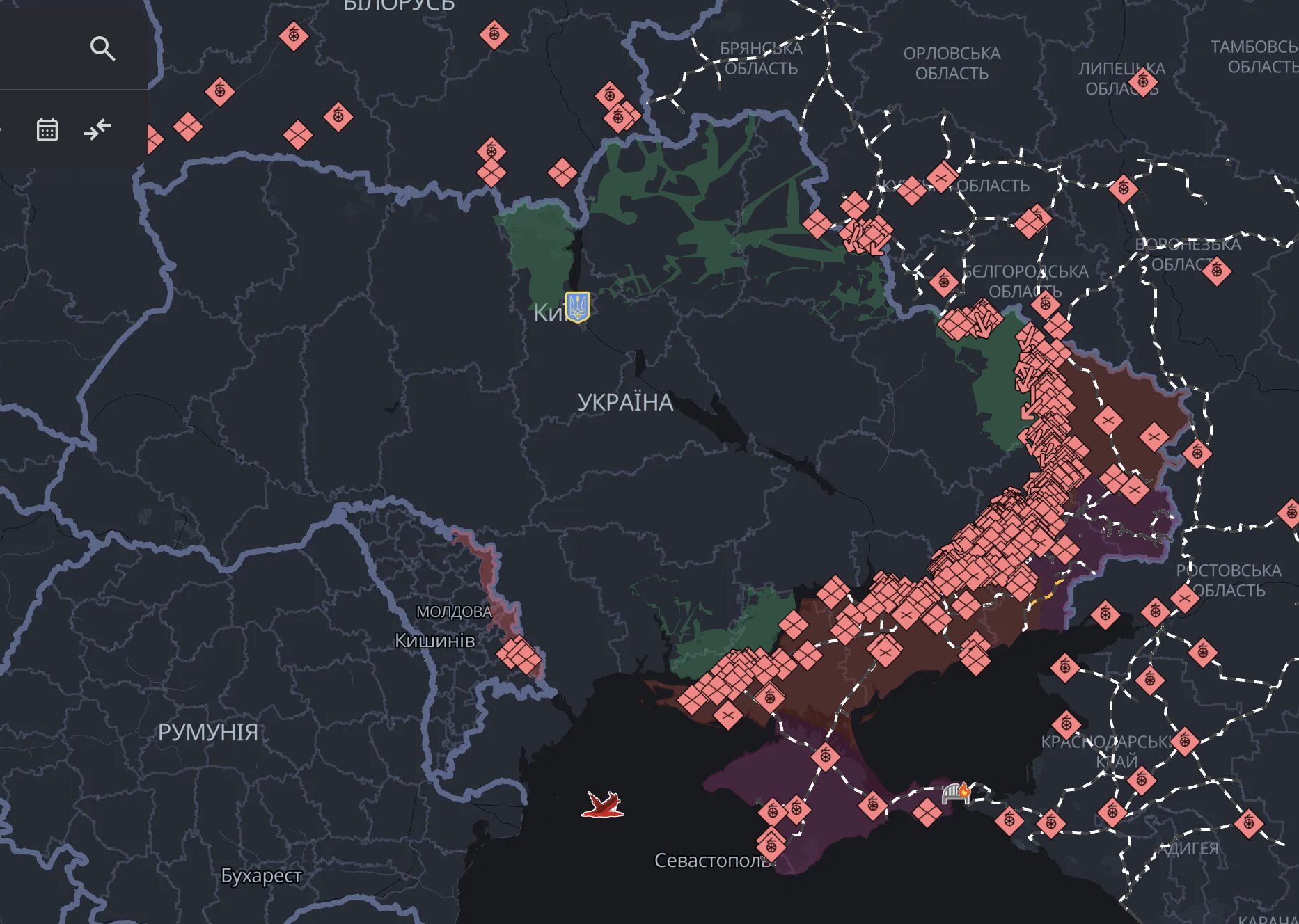
As critics warn, the legalization of Russian control over Crimea and, possibly, other occupied Ukrainian territories is a serious blow to international law. The principle of the inviolability of borders, on which the modern world order is based, will be undermined.
Olesya Lutsevych, an expert from the Ukrainian section of the analytical center Chatham House, warns that such an agreement could give Russia the opportunity to restore influence in the northern part of the Black Sea and create new risks for the security of Ukrainian ports and grain exports.
It could also give Russia the opportunity to redeploy forces in Sevastopol and use Crimea to plan an advance to the south.
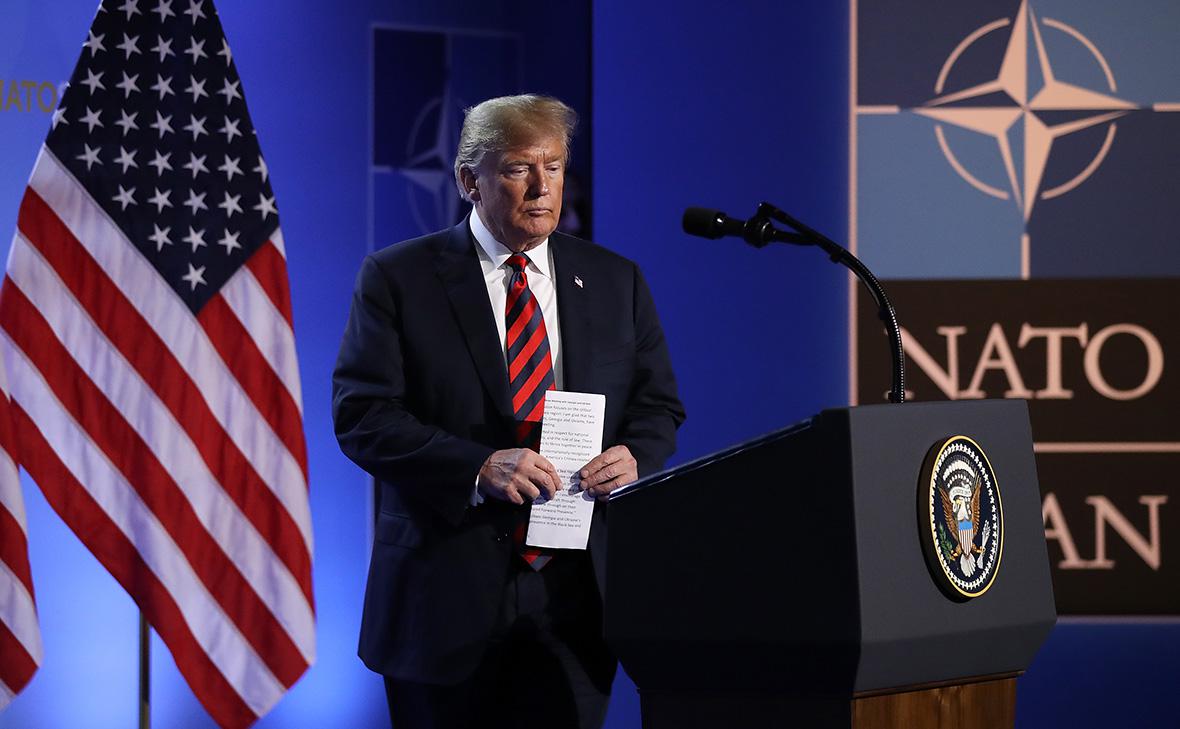
For Europe, this would mean a crisis of confidence in the US as a reliable guarantor of security. If Washington is ready to sacrifice the territorial integrity of an ally for the sake of a “quick peace,” then the arguments for collective defense lose their force. This could lead to a weakening of alliances, a revision of approaches to security, and strategic uncertainty.
The possible economic and sanctions consequences are no less critical. Legalizing the occupation could contribute to a gradual weakening of the sanctions regime – which would in fact become a reward for the aggressor and open the way for the Kremlin to restore its resource and military capabilities.
What this would mean directly for Ukraine
For Ukraine and its citizens in the occupied territories, such a scenario would mean a bitter outcome: the actual consolidation of the loss – not just as a temporary, but as a legally recognized status. Even if Ukraine does not officially recognize these changes, international recognition of the occupation creates circumstances under which the return of Crimea and other regions would become extremely difficult, if not almost impossible.
Experts warn that such a “peace agreement” is not the end of the war, but a pause. Russia will have time to legalize control, regroup, restore its army and resources, while Ukraine will remain in conditions of strategic uncertainty and constant threat. As Dmitry Shulga notes, this is why the draft should not include a clause on legal recognition of the annexation.
***
Trump’s initiative to recognize the occupation is not just a political maneuver. It is an attempt to rewrite international rules for the sake of a quick solution that could have far-reaching consequences. A quick diplomatic victory for Washington is a long-term strategic defeat for Ukraine and for the international order.
In conclusion: the compromise that is being proposed is too expensive. It not only destroys hopes for de-occupation, but also calls into question the fundamental principles of security, human rights, and international law.
Anna Romaniv