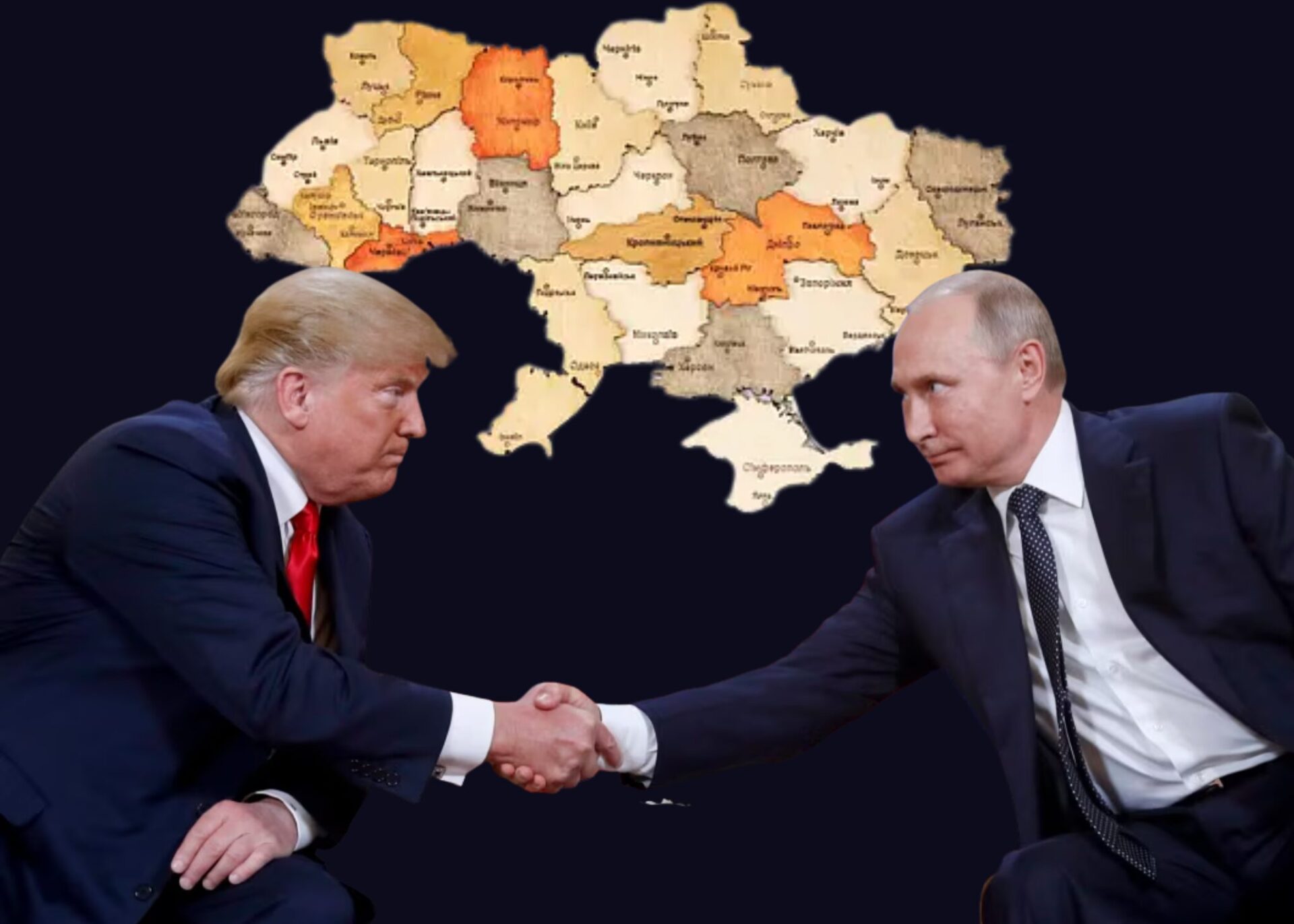
For the first time in nearly four years of full-scale war, the word “peace” no longer sounds like a distant metaphor or a diplomatic ritual. Recent weeks demonstrate a significant acceleration of behind-the-scenes diplomacy — and this shift is impossible to overlook.
Yet none of the actors involved are commenting on the substance of the talks. No public statements. No disclosed documents. No official parameters. The silence is not accidental. In geopolitics, silence is the phase where the architecture of decisions is being built — and that phase is now underway.
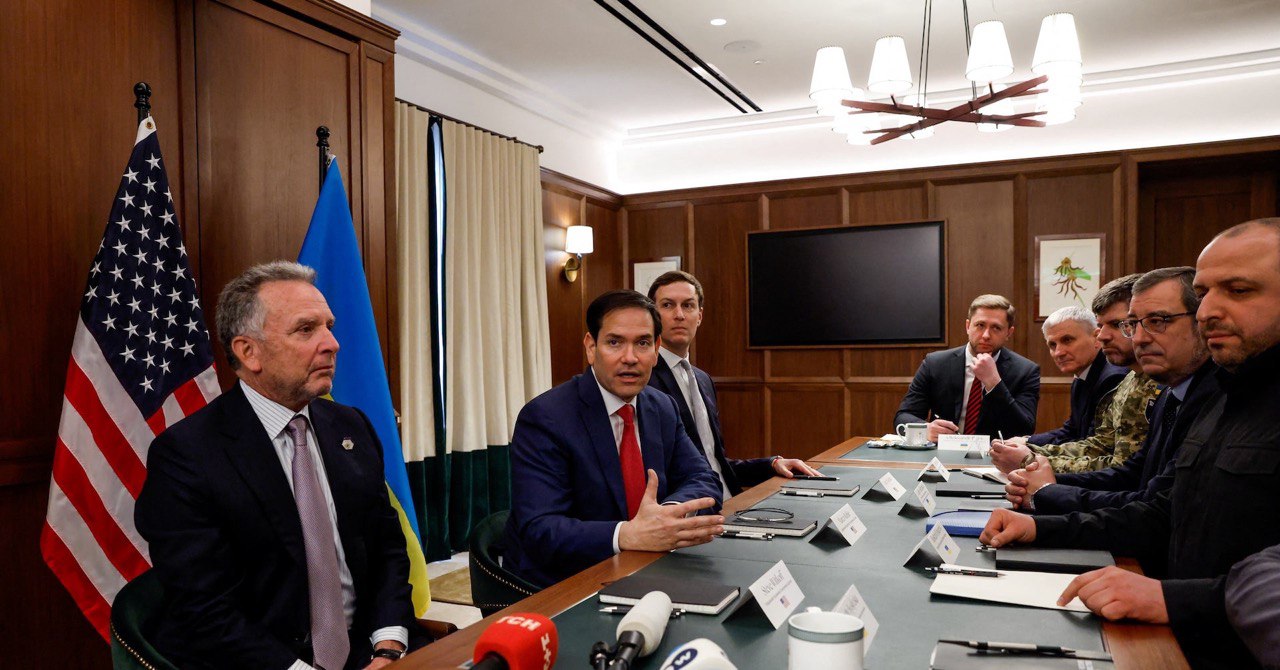
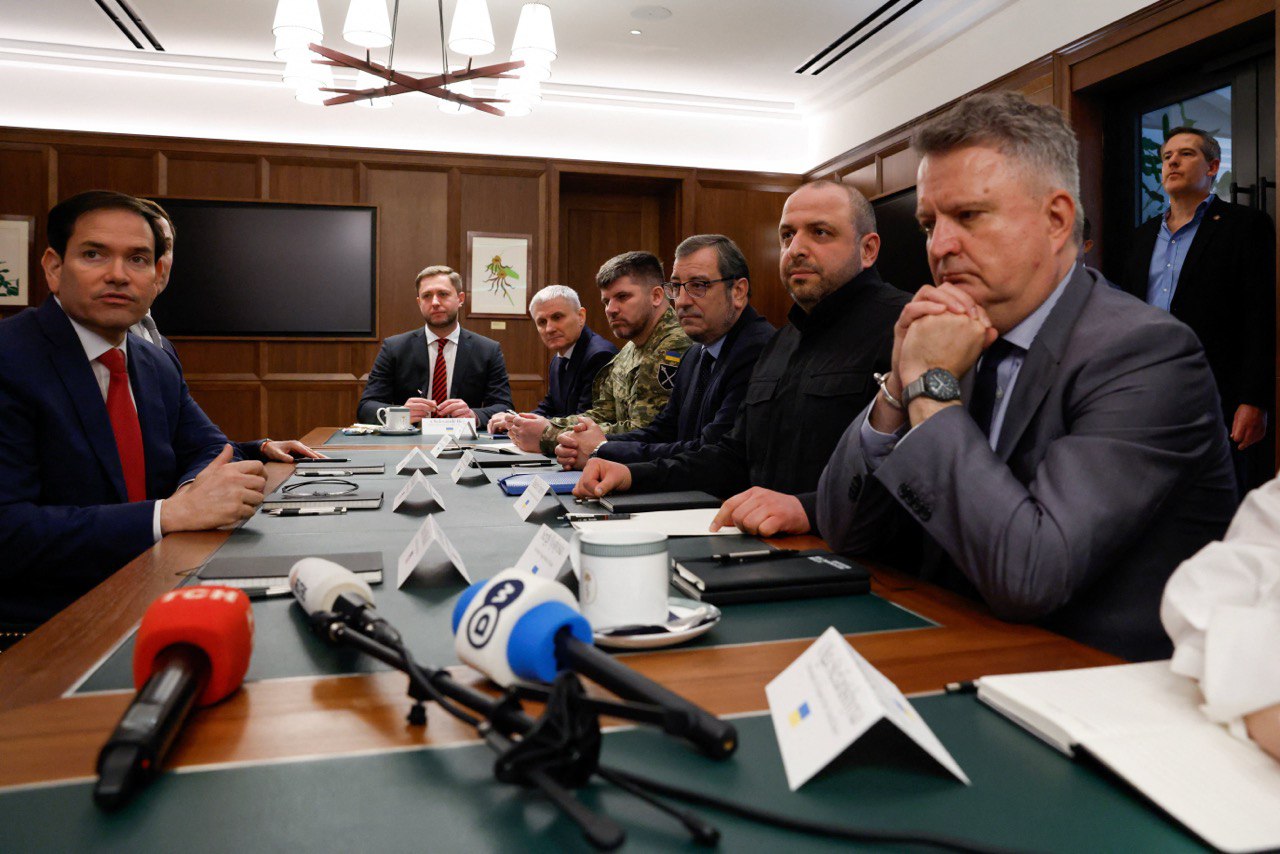
According to available information, the Ukrainian negotiation team — including Rustem Umerov, Secretary of the National Security and Defence Council of Ukraine and former Minister of Defence, together with General Andriy Hnatov, Chief of the General Staff of the Armed Forces of Ukraine — remains in constant direct communication with U.S. representatives Steve Witkoff and Jared Kushner. In parallel, Washington is conducting separate closed consultations with Moscow.
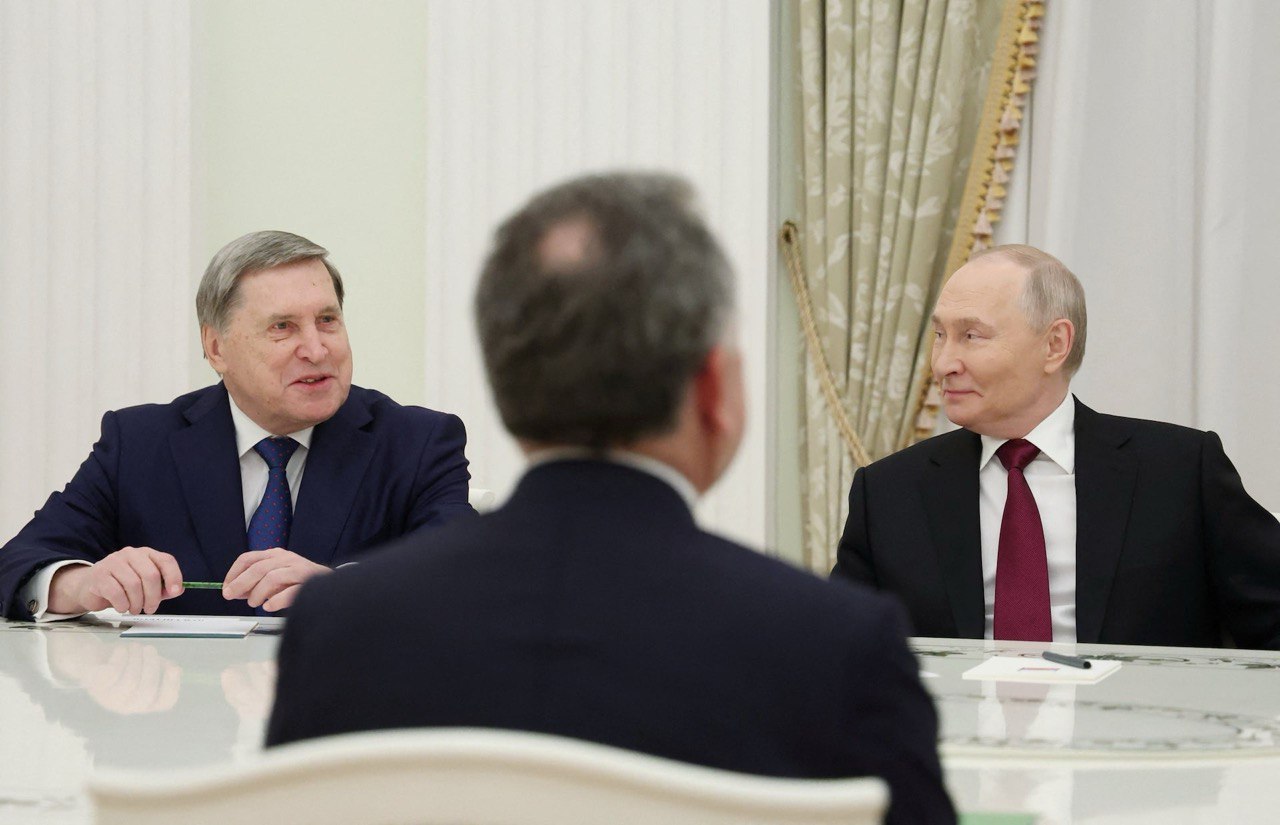
The recent U.S. delegation visit to Russia, including a meeting with Vladimir Putin, marked a signal: the negotiation process has entered a decisive phase.
Negotiation Format: A Triangle, Not a Traditional Conference
This is not “Geneva-II,” not an OSCE platform, and not a formal European-led negotiation process. The real structure looks like this: Ukraine — United States — Russia.
The European Union remains engaged — but primarily as an observing and reacting actor rather than an initiating architect. The war has exposed the EU’s deepest vulnerability: strategic fragmentation. Individual states are pursuing their own positions rather than a unified common line. As a result, it is the United States that is currently shaping the framework of a potential ceasefire.
The Topic No One Wants to Name: Territory
The most sensitive and politically explosive issue remains the status of occupied territories. It is central to the negotiations, even if no party acknowledges it publicly.
According to diplomatic sources, both the United States and Russia are insisting that any territorial terms be put to a nationwide referendum in Ukraine. This is not a democratic flourish — it is a mechanism to:
legitimize the most difficult element of the agreement;
distribute responsibility between the state and society;
prevent internal political delegitimization of the final decision.
Legally and logistically, such a referendum during wartime appears nearly impossible. But the fact that it is being considered as a negotiating tool shows how far discussions have already moved beyond public rhetoric.
The Kremlin’s Position: No Treaty with Kyiv
Another critical element: Moscow currently refuses to sign a final peace agreement directly with Ukraine. Instead, the Kremlin insists on a “U.S.–Russia” format, where Ukraine becomes an executing side rather than an equal signatory. This is not about peace. It is about geopolitical status.
Security Guarantees — or a Pause Before the Next Escalation. Any ceasefire without enforceable, long-term security guarantees is not peace — it is a delayed escalation.
Ukraine requires:
long-term security guarantees from the United States;
joint defence programs and access to Western military technologies;
predictable defence funding from the European Union;
mechanisms to deter Russia in the event of violations.
The lesson of the Budapest Memorandum cannot be repeated. Ukraine Is Not Asking — Ukraine Is the Shield of Europe. For nearly four years, the Ukrainian military has been holding the line where Europe’s security frontier should stand. Ukraine is not pleading — Ukraine is absorbing the greatest military threat to the continent in a generation. This means only one thing: Supporting Ukraine is not charity — it is Europe’s mechanism of self-defense.
European Fragmentation and Ukrainian Diplomacy
Because the EU does not act as a single geopolitical front, Ukraine must construct an internal coalition of allies:
Berlin, Warsaw, Paris, Vilnius, Copenhagen — not the abstract promise that “Brussels will decide.” This is not diplomacy of convenience. It is diplomacy of survival.
Ukraine’s path to EU membership remains a strategic priority. But it must not be accelerated at the expense of negotiating strength. Ukraine has to enter Europe not as a state adapting to conditions — but as a partner possessing leverage. In negotiations, speed is irrelevant. Strength is everything.
If a framework agreement is announced in the coming weeks, it will not signify the end of the war. It will signify a pause. A ceasefire freezes the conflict — it does not resolve it. And in frozen conflicts, the winner is not the side that signs first — but the side that uses the pause to rearm, modernize, and build durable security mechanisms.
If peace emerges now, it will not be a reward. It will be a temporary balance of power — and its longevity will depend not on intentions, but on guarantees, resources, and long-term strategic resilience.
Artem Kasparian