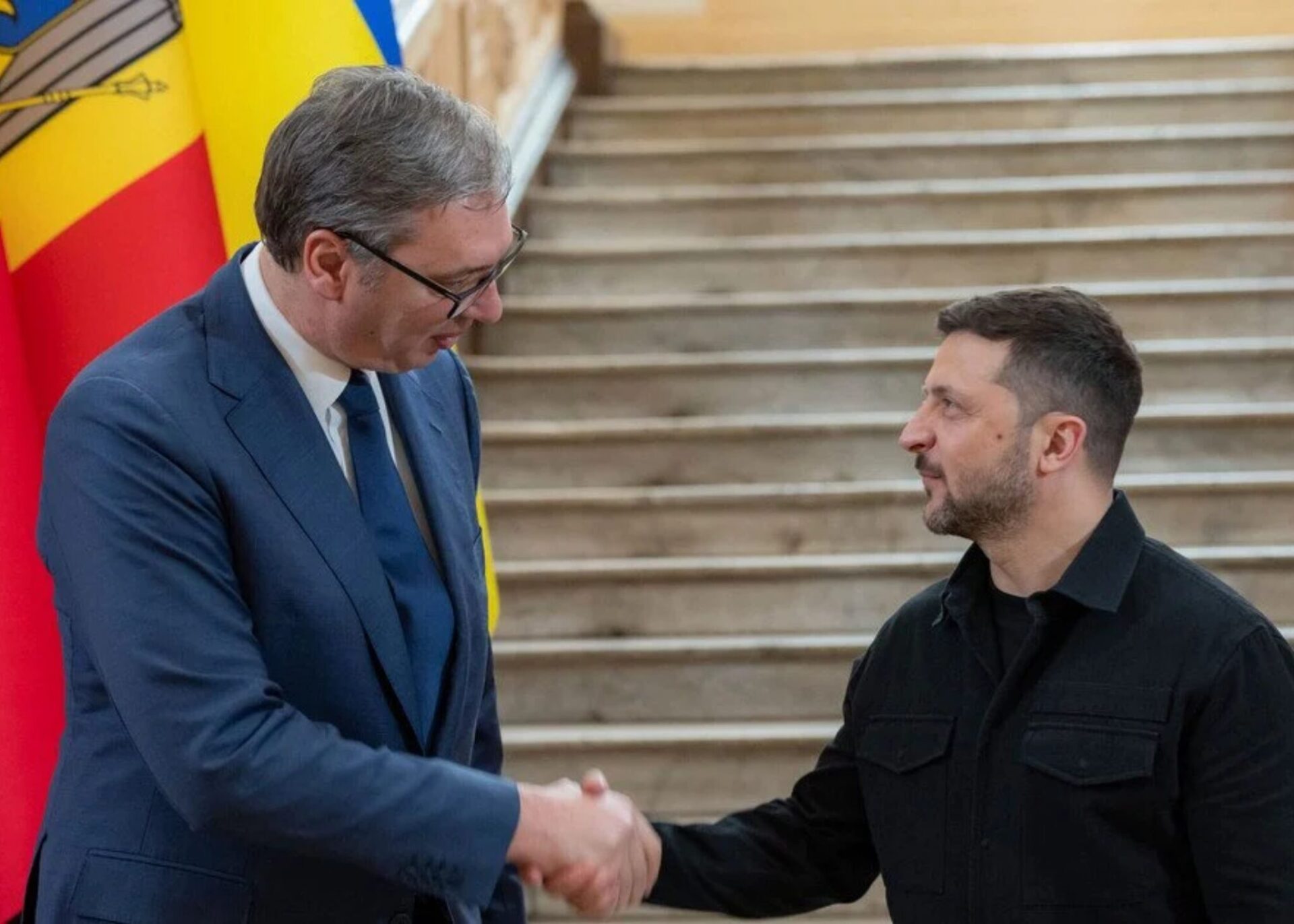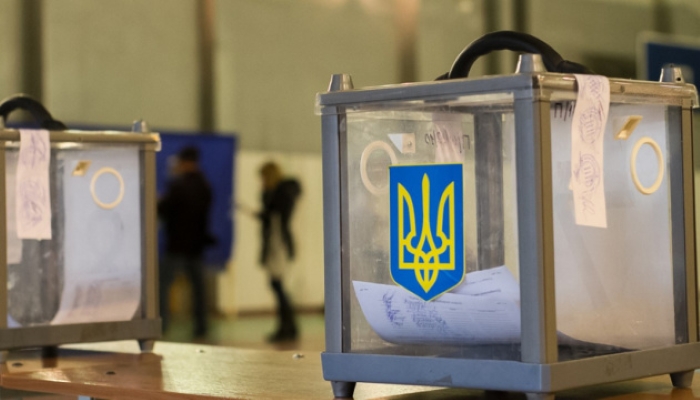


Putin claimed that Ukraine made a strategic mistake by refusing to hold presidential elections. He argued that Ukraine’s president had lost legitimacy, while Russia supposedly held both regional and presidential elections during the war, which they call “a conflict”. In reality, Putin is searching for new excuses to pressure Ukraine, weaken Western support, and create instability.
Meanwhile, elections in Ukraine are objectively impossible, and elections in Russia do not change anything.
Situation in Ukraine
In June 2024, Ukrainian officials reported that about six million people remained in the occupied territories. It is fair to notice that Ukraine has already voted under occupation of Crimea, Lugansk and Donetsk Regions since 2014, but today’s situation is far more severe.
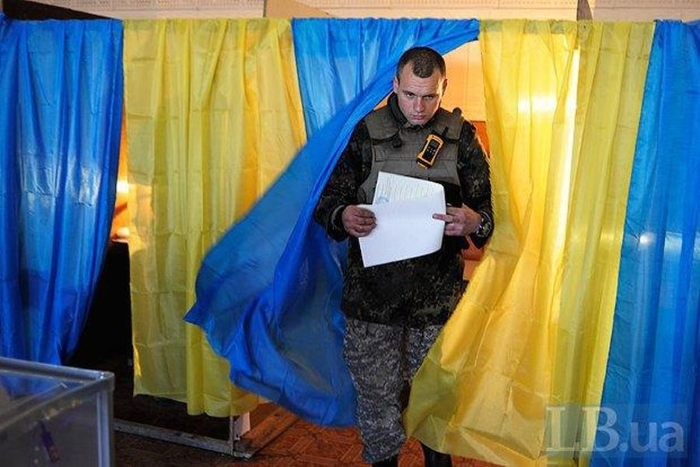
More than 200,000 civilians live in frontline areas under constant fire. Organizing polling stations there is impossible. Ukraine also cannot hold elections without its soldiers. Up to one million Ukrainians may serve in the Armed Forces, and many of them defend the frontline every day. They cannot vote or participate in political debate while fighting for the country’s survival, and it is impossible to decide the political fate of a country without those who risk their lives for it.
Also, election is an expensive process.
Ukraine indeed now faces internal political pressure — from an energy-related corruption scandal to earlier protests demanding protection of independent anti-corruption institutions. Society wants more transparency, accountability, and renewal of inefficient parts of the system. However, most Ukrainians reject the idea of impeaching the president. According to a survey from Kyiv International Institute of Sociology as of the end of 2024, 70% of respondents believe that he should remain in office until the end of martial law.
Both the president and parliament remain legitimate under the 2015 law.
Illusions of the Russian “opposition”
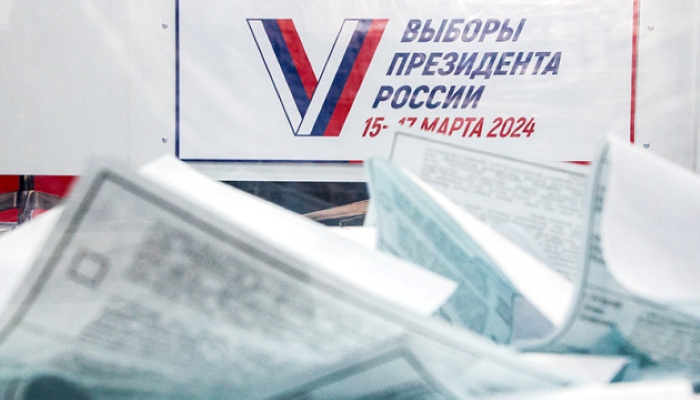
Russia went in the opposite direction. The Kremlin rewrote the constitution to secure Putin’s lifetime rule. In 2020, the government staged a pseudo-referendum that “reset” Putin’s previous terms. The reform included hundreds of amendments, but only one mattered: the one that allowed him to run until 2036 and longer later.
Inside Russia, Putin still is really legitimate because the public approves him. A Levada Center poll from October 2024 shows high support for the Russian military in Ukraine — 78%. This support also appears in voluntary enlistment and continued participation in the war.
So-called Russian opposition tries to separate Russians from the regime. They repeat that “Russia is not Putin” and describe citizens as “hostages” of a dictator. Many exiled bloggers and politicians promote this narrative. They oppose the war but refuse to admit the imperial mindset that dominates Russian society.
They claim that Russians bear no responsibility because the state “deceived” or “intimidated” them. This argument ignores the facts — long-term public support for Putin, active participation in propaganda, collaboration, and voluntary military service during the full-scale invasion.
Conclusion
Putin once again misleads the U.S. and Europe by manipulating the topic of elections and pretending he wants negotiations. He accuses Ukraine of “illegitimacy” while ignoring a basic fact: Volodymyr Zelenskyy did not extend his mandate on his own. Putin did — by rewriting the constitution for himself.