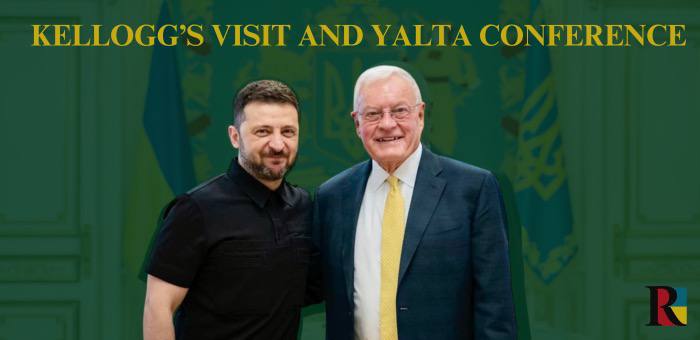


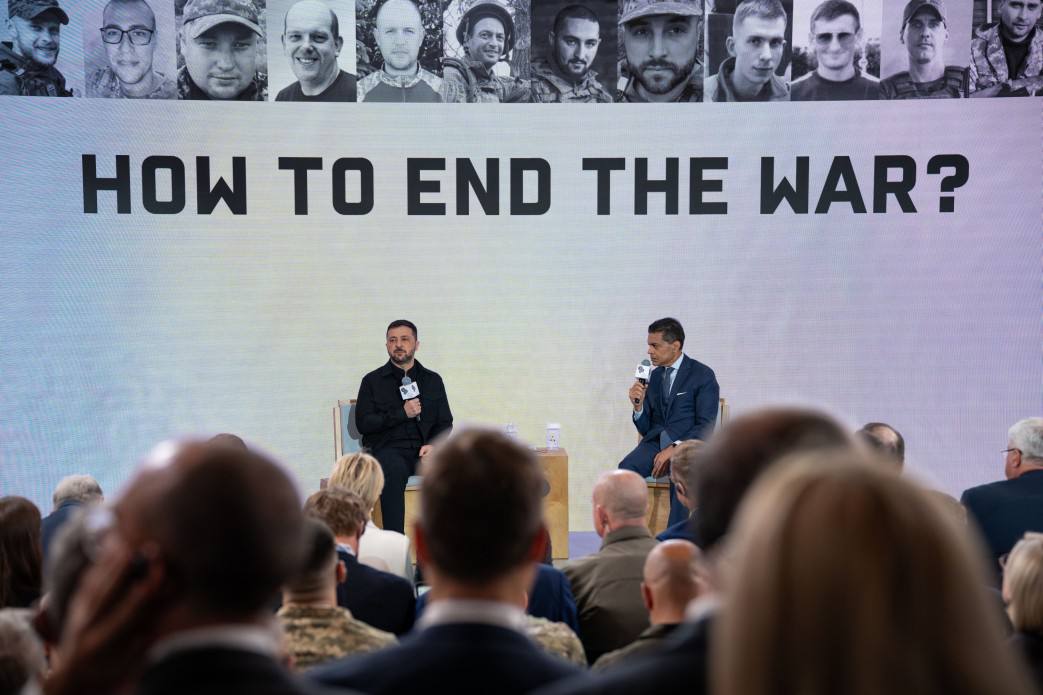
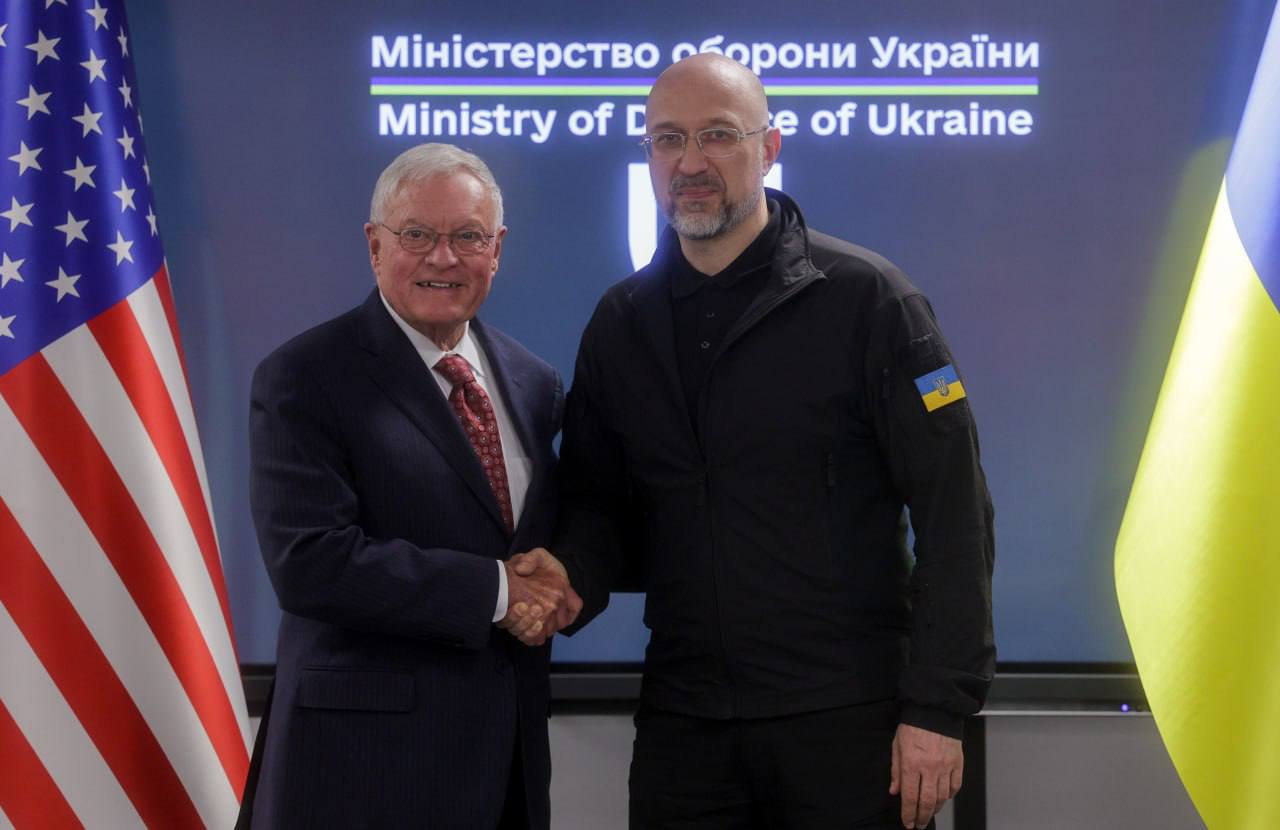
In September 2025, Kyiv hosted a symbolically powerful moment during the annual Yalta European Strategy (YES) conference: the visit of U.S. Special Representative for Ukraine and Russia, General Keith Kellogg. Against the backdrop of constant shelling, air raids, and threats at the borders, his presence was more than a ceremony—it became a factor that, according to President Volodymyr Zelenskyy, forces the aggressor to hold back.
Zelensky noted at YES that each time Kellogg is in Kyiv, massive missile attacks do not occur, and citizens can sleep a little safer. This is not a miracle, but rather an expression of diplomatic power and international prestige. It may well be one of those rare points where battlefield reality, diplomacy, and external support intersect to create a strategic pause.
What is the Yalta European Strategy (YES) and Why It Matters
An international platform: YES is an annual forum gathering politicians, diplomats, business leaders, and civil activists from over 50 countries. A debate about the future of Ukraine and Europe: security, reconstruction, integration, and strategic guarantees are at the heart of the discussions. A time of change: at this stage of the war, each such meeting is an opportunity to mobilize allies and strengthen international unity.
At YES 2025, Ukraine made its stance clear:
1. it will not accept a “half-peace” in exchange for territorial concessions;
2. it demands durable security guarantees, not empty promises;
3. it counts on reinforced support in air defense and sanctions.
The U.S., Kellogg, and the Role of External Pressure
American support is critical at this stage. Pressure and influence: Russia reacts not only to military power but also to diplomatic signals. Guarantees: only under the pressure of strong allies can Ukraine safely consider mechanisms of peace. The danger of concessions: the experience of the Minsk agreements showed that the aggressor uses pauses only to prepare for new offensives.
Realities and Provocations
Russia constantly appeals to “realities on the battlefield,” while itself making unrealistic demands—such as control over the entire Donbas. Moreover, the Kremlin has moved to direct provocations, attacking Polish territory with drones and testing NATO’s readiness to respond. This is no longer a “local conflict,” but a systemic challenge to European security.
Why Only Trump Can Bring Russia to the Table
Observers argue that Donald Trump, if he returns to the presidency, may be uniquely positioned to push Russia into real negotiations. His style and reputation in Moscow could become a factor that halts the prolongation of the war. But success would require strict conditions: Ukraine must retain its defensive capability, the sanctions regime must remain united and firm, Kyiv must not be pressured into a “quick peace” at the cost of justice.
NATO and the Signal That Cannot Be Ignored
The Kremlin’s provocations against Poland and its attempts to expand the war beyond Ukraine must become a turning point. NATO cannot allow Putin to keep testing its limits. At the next Russian drone or missile attack, NATO should move to close the skies over Western Ukraine. This would be a strong and unambiguous signal to Moscow: crossing red lines will bring immediate consequences.
Such a step would not only strengthen Ukraine’s defense but also prove that the Euro-Atlantic community is prepared to act preemptively rather than react after the fact. This is the language of strength, and it is the only one the Kremlin truly understands.
Conclusion
Kellogg’s visit to YES and its symbolic power show that U.S. and NATO support is decisive for Ukraine’s resilience today. The Yalta conference reminded the world that Ukraine is not alone. But to end the war, real action is needed: sanctions, weapons, diplomatic pressure, and, if necessary, demonstrations of strength.
Only then can Russia be compelled to sit down at the negotiating table. And only then can Ukraine hope for a peace that is not an illusion but a true victory.
Artem Kasparian