

In the aftermath of yet another provocation by Russia, NATO has begun active operations to protect its borders. This moment is not just about tactical defense—it is a test of the Alliance’s credibility, unity, and deterrent power. Any weakness now will not be interpreted by Moscow as restraint, but as an invitation to escalate.
The U.S. Role: A Shield That Must Not Be Lowered
At a time when Russia openly tests the patience of the West, the United States must resist calls to roll back security programs in the Baltic States. These initiatives—rotational deployments, training missions, and air policing—are not symbolic. They are the very backbone of NATO’s deterrence posture in one of its most vulnerable regions. To reduce or dismantle them would be to abandon the frontline states at the very moment when Russian provocations are growing sharper and more frequent.
Russia’s Rhetoric as a Warning Sign
Former Russian president Dmitry Medvedev recently wrote that Finland is allegedly “preparing provocations” against Russia. This language cannot be dismissed as bluster. History shows that such accusations are often precursors to aggression: Georgia in 2008, Ukraine in 2014 and 2022. Moscow uses the narrative of “enemy provocations” as both justification and camouflage for its own operations.
This means only one thing: the Kremlin is laying the groundwork for new provocations against NATO, hoping to fracture the Alliance and demonstrate its supposed inability to act as one.
The Shadow of Zapad Exercises
NATO must be especially vigilant during the upcoming Zapad exercises conducted jointly by Russia and Belarus. These drills have historically served as both a rehearsal and a cover for aggressive moves. The Baltic region, Poland, and now Finland all lie within the arc of potential escalation. NATO cannot afford to treat these maneuvers as routine military theater—they are an integral part of Russia’s strategic signaling and operational preparation.
The Cost of Weakness
If NATO hesitates even once—if it fails to respond to a Russian provocation with clarity and firmness—Putin will interpret this as permission. And the next step will not be covert sabotage or border incidents, but open war against individual NATO members. The Alliance must send a clear and united message: Article 5 is not theoretical, and any attempt to test it will be met with decisive force.
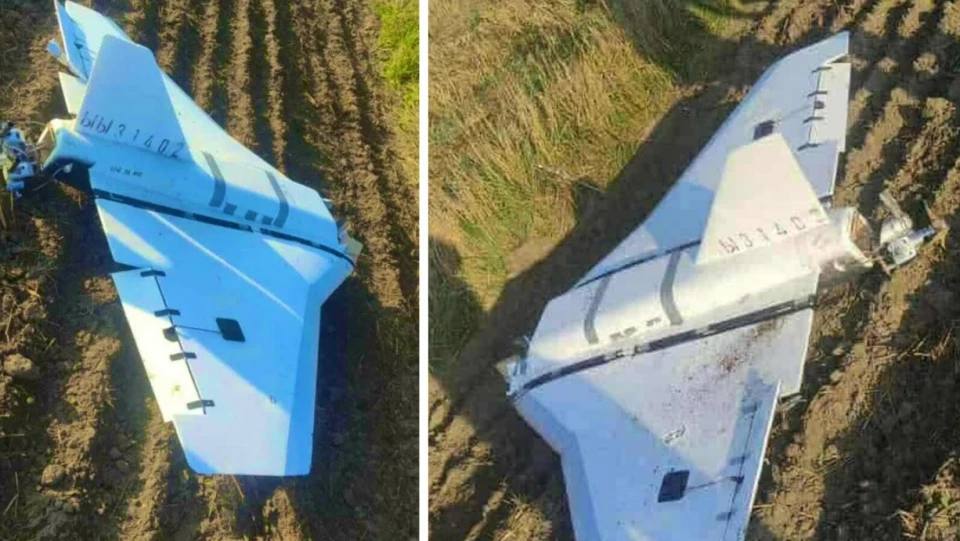
Preparing for the New Face of War
The war in Ukraine has revealed the weapons of choice in today’s hybrid and conventional conflict: drones, Iranian-made Shahed kamikaze UAVs, massed missile strikes. NATO militaries must prepare accordingly.
Systematic training of troops in drone detection and interception is no longer optional—it is vital.
Shared expertise from Ukraine’s armed forces, who have unparalleled battlefield experience in downing drones and neutralizing swarm attacks, must be integrated into NATO doctrine.
Rapid adaptation of procurement and logistics systems is necessary so that front-line states are not caught unprepared.
Conclusion: Unity or Escalation
NATO stands at a historic crossroads. The choice is stark: either it demonstrates unity, resolve, and readiness in the face of Russian provocations, or it risks being dragged into a war on terms chosen by Moscow.
The provocations will not stop—they are part of the Kremlin’s playbook. But their success or failure depends on how the Alliance responds. A strong, coordinated reaction will deter further escalation. Weakness will guarantee it.
Now is the time for NATO to act decisively, to harden its borders, to deepen cooperation with Ukraine, and to ensure that the next test of its unity is passed not with hesitation, but with unmistakable strength.
Artem Kasparian