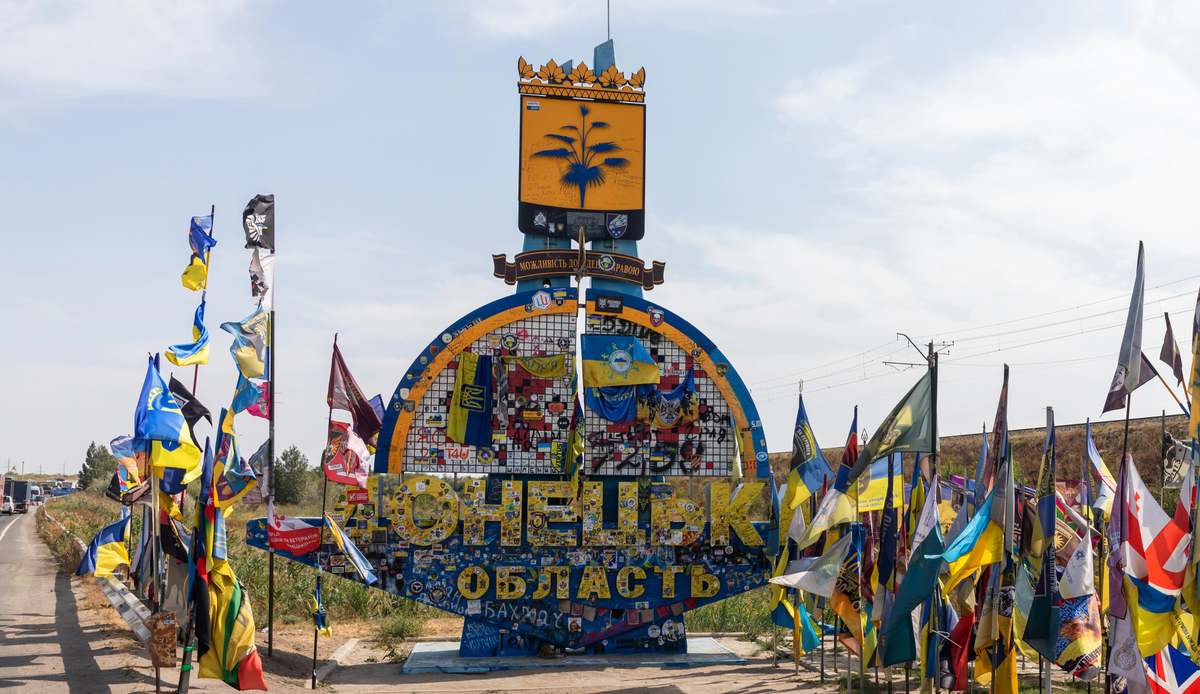


Discussions around possible “peace scenarios” for the end of the war are increasingly going beyond purely military issues. Western media are reporting on options for agreements that allegedly allow Russia to annex the occupied territories, including all of Donbas.
In this case, for Ukraine, it is not just about the loss of part of the territory, but about a strategic turning point – economic, security and political. Donbas is one of the key regions of the country in terms of the concentration of natural resources, industrial infrastructure and defensive lines formed since 2014.
Coal is the basis of an industrial region
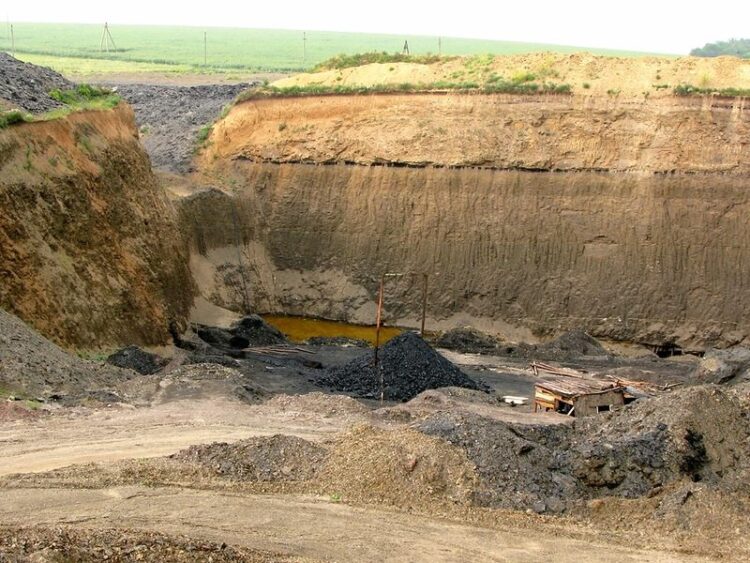
For more than two centuries, Donbas has remained the main coal basin of Ukraine. The first mines appeared here at the end of the 18th century, and the industry itself became the foundation of the industrialization of the region. It is estimated that the proven reserves of hard coal in the currently occupied territories amount to about 27.6 billion tons, with another 8 billion tons considered promising but insufficiently explored.
In the event of the complete loss of Donbas, Ukraine would effectively lose control over about 67% of its coal reserves (excluding the territories occupied since 2014). Most of the almost 150 mines are already under Russian control.
Thus, the loss of Donbas means not only a reduction in the resource base, but also a final break with the traditional model of heavy industry that has shaped the region’s economy for decades.
Lithium and critical minerals
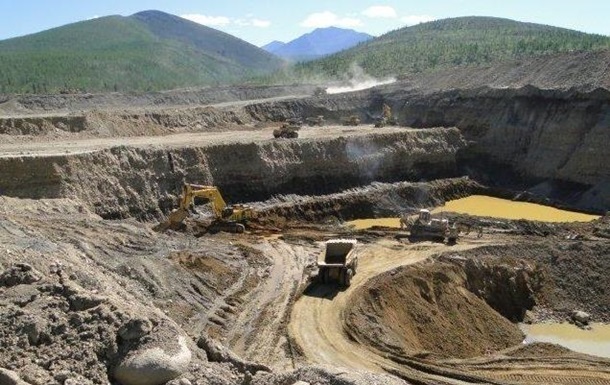
Much more serious consequences are associated with the so-called critical minerals. The transition to “green” energy, electric transport and energy storage is impossible without lithium, graphite and rare metals. Ukraine has one of the largest lithium reserves in Europe – experts estimate that the known deposits would be enough to produce batteries for about 20 million electric vehicles.
At least four lithium deposits are currently known, two of which are located in the occupied territories of Donetsk and Zaporizhia regions. In addition to lithium, deposits of tantalum, niobium, rubidium and cesium are concentrated in Donbas and adjacent regions. In total, 37 deposits of critical minerals have been identified, of which at least eight are already under the control of the Russian Federation.
For Russia, this means potential access to strategic resources of the future, and for Ukraine, the loss of chances to become an important supplier of raw materials for Europe’s “green” transformation.
Gas, oil and uranium
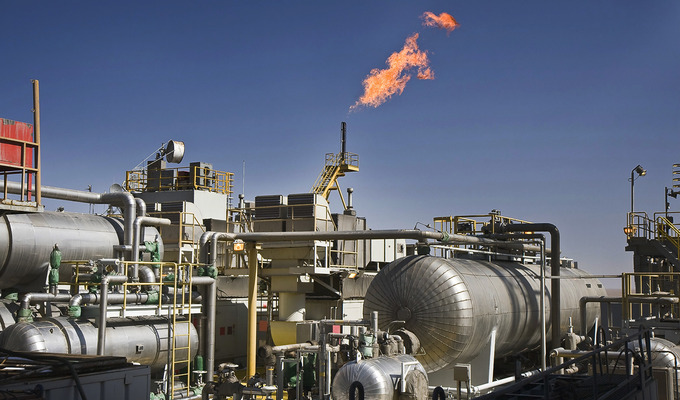
As a result of the occupation, Russia already controls about 20% of Ukraine’s natural gas reserves, as well as the Crimean oil fields on the Black Sea shelf.
At the same time, Ukraine remains the largest holder of uranium reserves in Europe, which provides about half of the country’s electricity needs. However, further reduction in access to gas fields weakens the state’s energy independence and increases vulnerability in the long term.
Agrarian factor and black soil
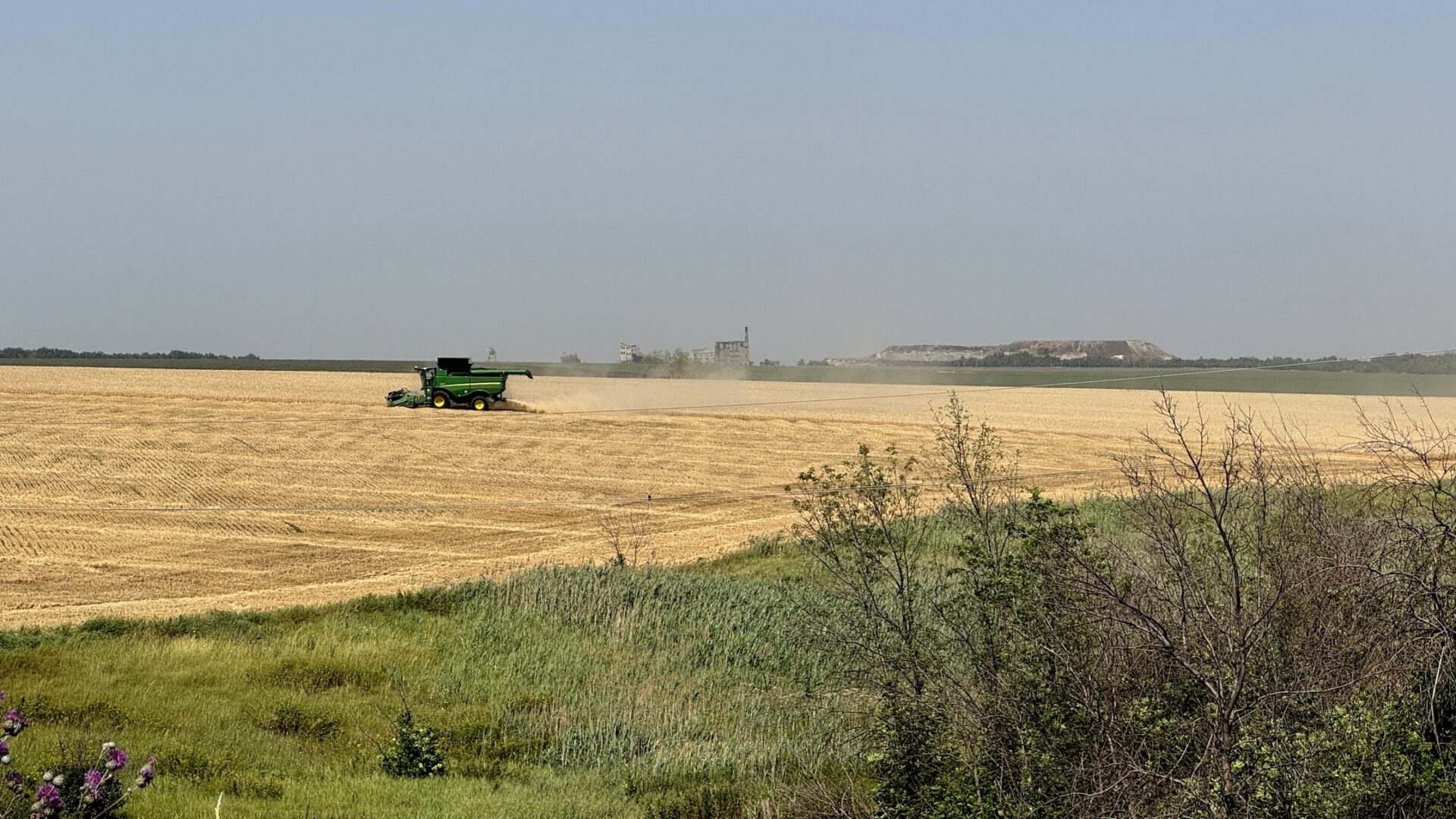
Donbas and southeastern Ukraine are not only an industry, but also a significant agricultural potential. Ukraine owns about a quarter of the world’s black soil reserves, making it one of the key players in the global food market. The occupation led to the loss of about 1.6 million hectares of wheat fields – almost a quarter of all sown areas.
According to some estimates, in 2025, about 7.2 million tons of wheat were harvested in the occupied territories, which is about 25% of pre-war Ukrainian production. Control over these resources strengthens Russia’s position in the world grain market and at the same time weakens Ukraine’s economic influence.
Military aspect: loss of the “belt of fortresses”
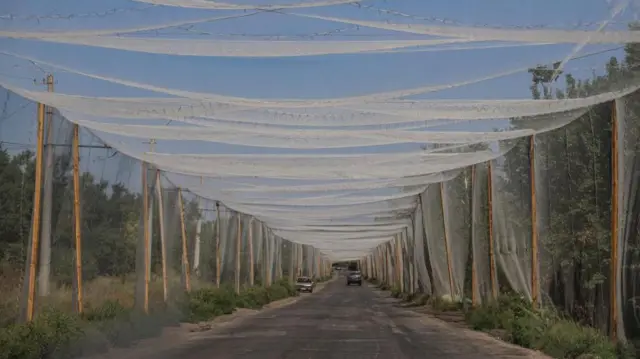
Donbas is not only of economic, but also of critical military importance. Since 2014, Ukraine has systematically built a multi-level defense system here – the so-called “belt of fortresses”. It covers the agglomeration of Sloviansk-Kramatorsk, as well as Druzhkivka, Kostyantynivka and a number of smaller settlements along strategic transport arteries.
These fortified cities are key logistical hubs of the Armed Forces of Ukraine. It was their stability in 2022–2024 that largely restrained the advance of Russian troops. The complete transfer of Donbass would mean the loss of defensive positions in which Ukraine had invested years of time, significant funds and human resources.
In this case, the front line would shift about 80 kilometers to the west – to the territories of Dnipropetrovsk and Kharkiv regions, where the relief and density of buildings are much less suitable for defense. Ukraine would have to urgently build new fortifications, spending large-scale investments on this, while Russia would gain more advantageous positions for a potential new offensive.
Political and humanitarian consequences
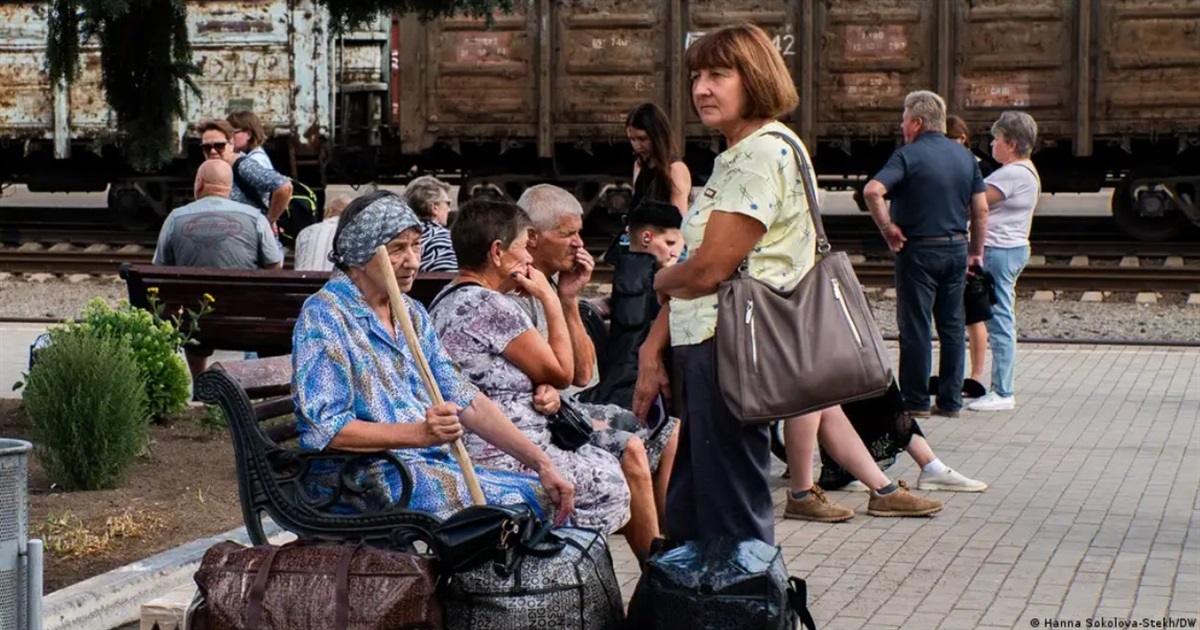
The transfer of Donbas to Russia in exchange for a ceasefire would have serious political consequences. First, it creates a precedent where aggression is rewarded with territorial concessions. Second, such a scenario would deal a blow to public trust in the state and its allies.
There is a separate humanitarian dimension – millions of Ukrainian citizens who either remained in the occupied territories or were forced to leave them. The loss of Donbas would mean the de facto abandonment of these people without clear guarantees of their rights and security.
***
Thus, the complete loss of Donbas is much more than a change in the line on the map. It is about the loss of strategic resources, weakening of defense capabilities, undermining of economic potential and reducing Ukraine’s role in global energy and food security.
For Russia, control over the region means access to resources and more advantageous military positions, for Ukraine – long-term risks that no temporary pause in the war can compensate for without reliable security guarantees.
Anna Romaniv