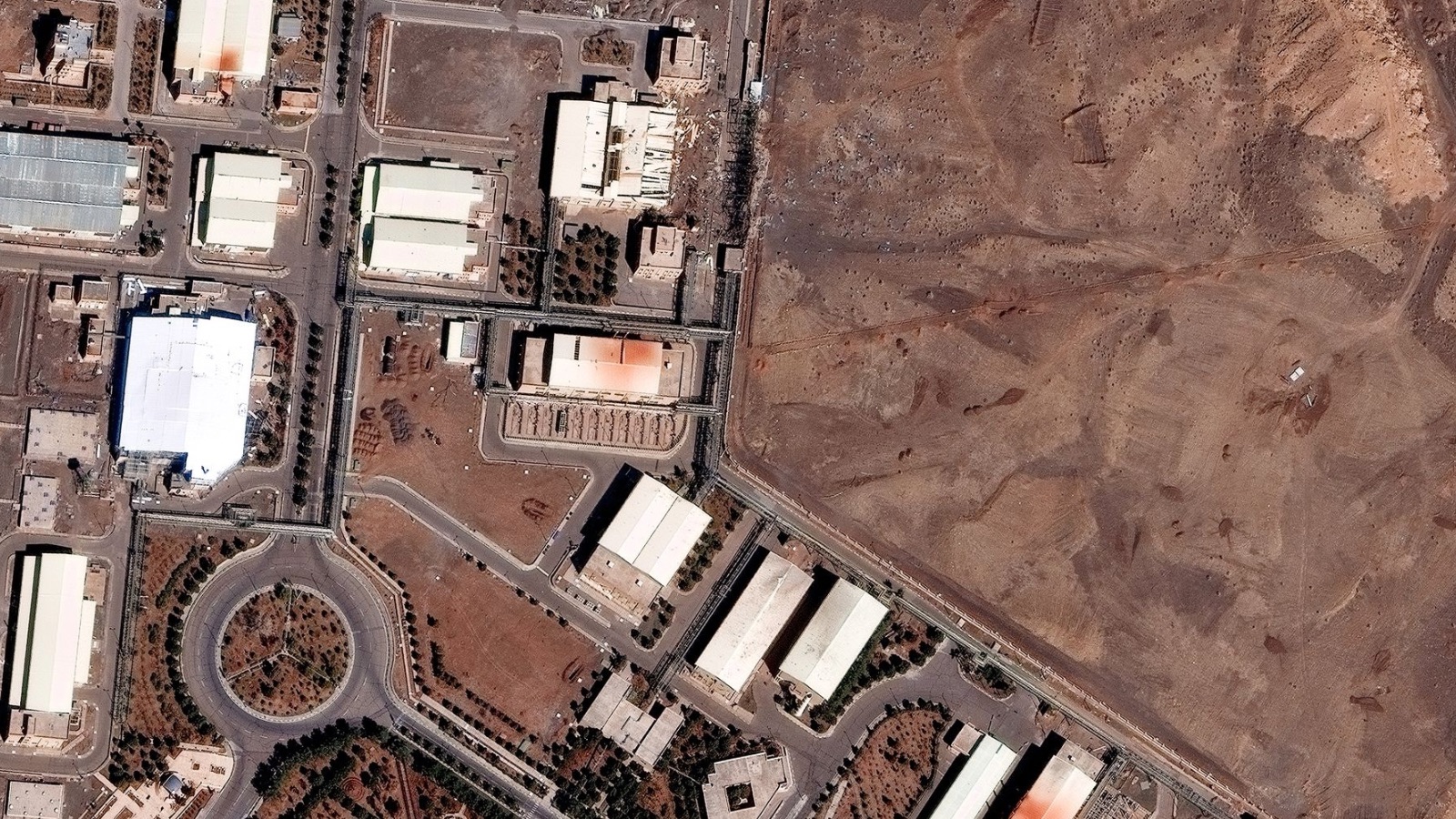
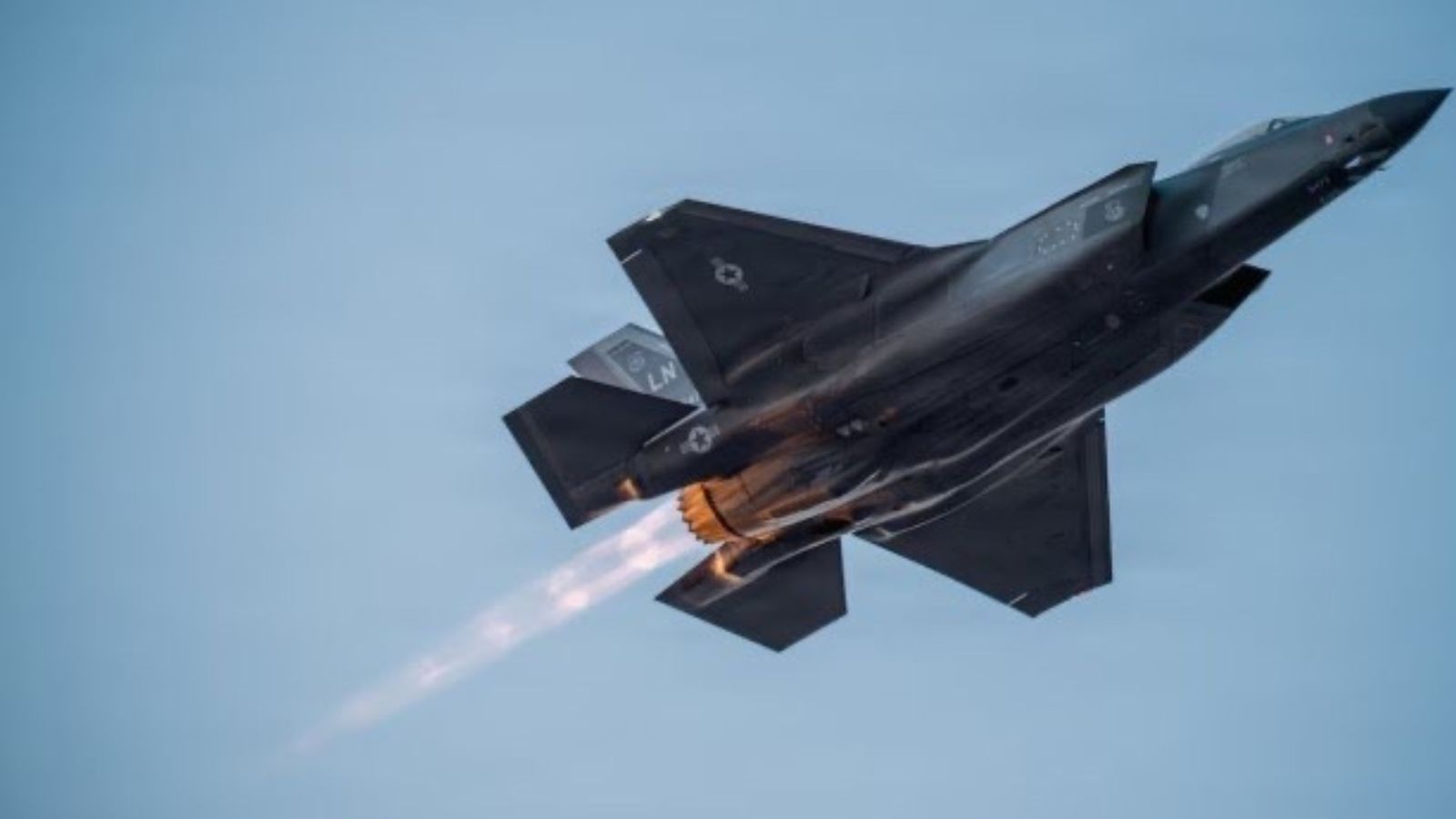


The first week of the U.S. military operation against Iran cost approximately 6 billion dollars. Pentagon officials confirmed these figures during a hearing in the U.S. Congress. Air defense system munitions accounted for the majority of these expenditures. The Trump administration is preparing a request for additional funding for the ongoing conflict.
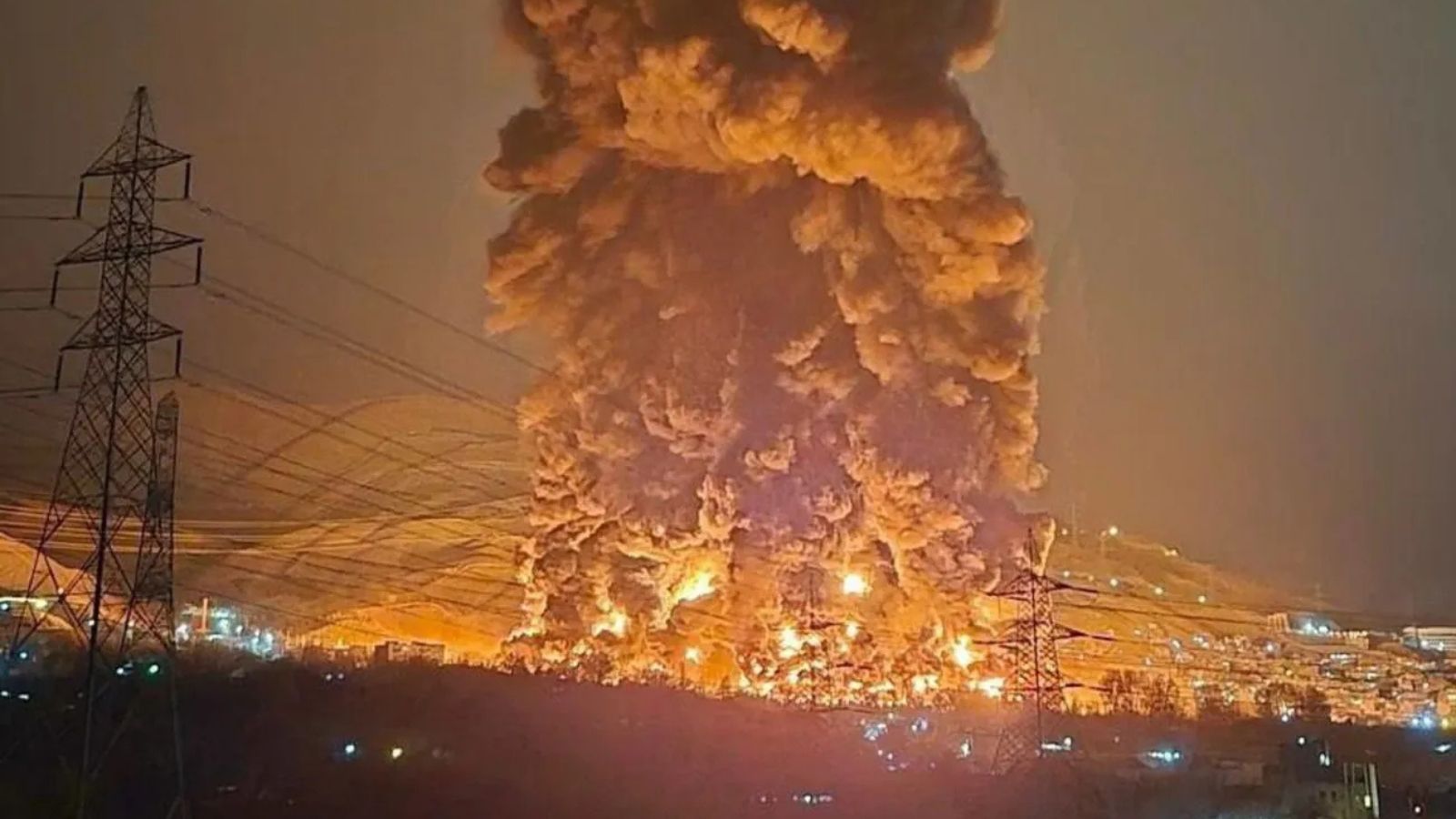
The New York Times reported that about 4 billion dollars went specifically toward interceptor missiles. These systems neutralize Iranian ballistic missiles and drones targeting strategic sites. Admiral Brad Cooper noted that the intensity of Iranian strikes has significantly decreased since the start of hostilities. In particular, the number of missiles launched by Tehran has fallen by 90%.
Economic impact of the conflict: key details
Despite significant losses, Iran retains about half of its missile program. Tehran uses strikes on Gulf countries to exert pressure on global markets. Currently, attacks have led to the closure of the Strait of Hormuz. This remains a key route for oil tanker transportation. Furthermore, strikes on infrastructure in Saudi Arabia and Bahrain have triggered a rapid rise in energy prices. As a result, the average price of gasoline in the United States increased by 27 cents per gallon.
President Donald Trump announced a very strong retaliatory strike on March 7. He noted that the White House is considering options to destroy specific areas. The situation escalated after an Iranian drone killed six U.S. Army reservists in Kuwait. Earlier, the United States and Israel conducted a joint operation against regime targets inside Iran. Tehran responded by attacking American military bases in the UAE, Qatar, and Jordan.
Previously, The Ukrainian Review reported that the United States requested Ukraine’s assistance in defending against Iranian drones. Ukrainian specialists and interceptor drones will deploy to help secure U.S. partners in the region. Global leaders continue to weigh the economic consequences of this significant military escalation.