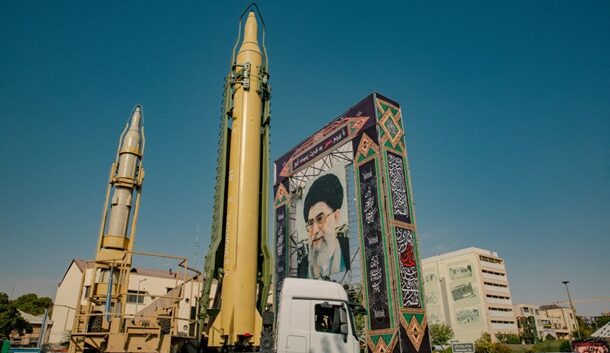
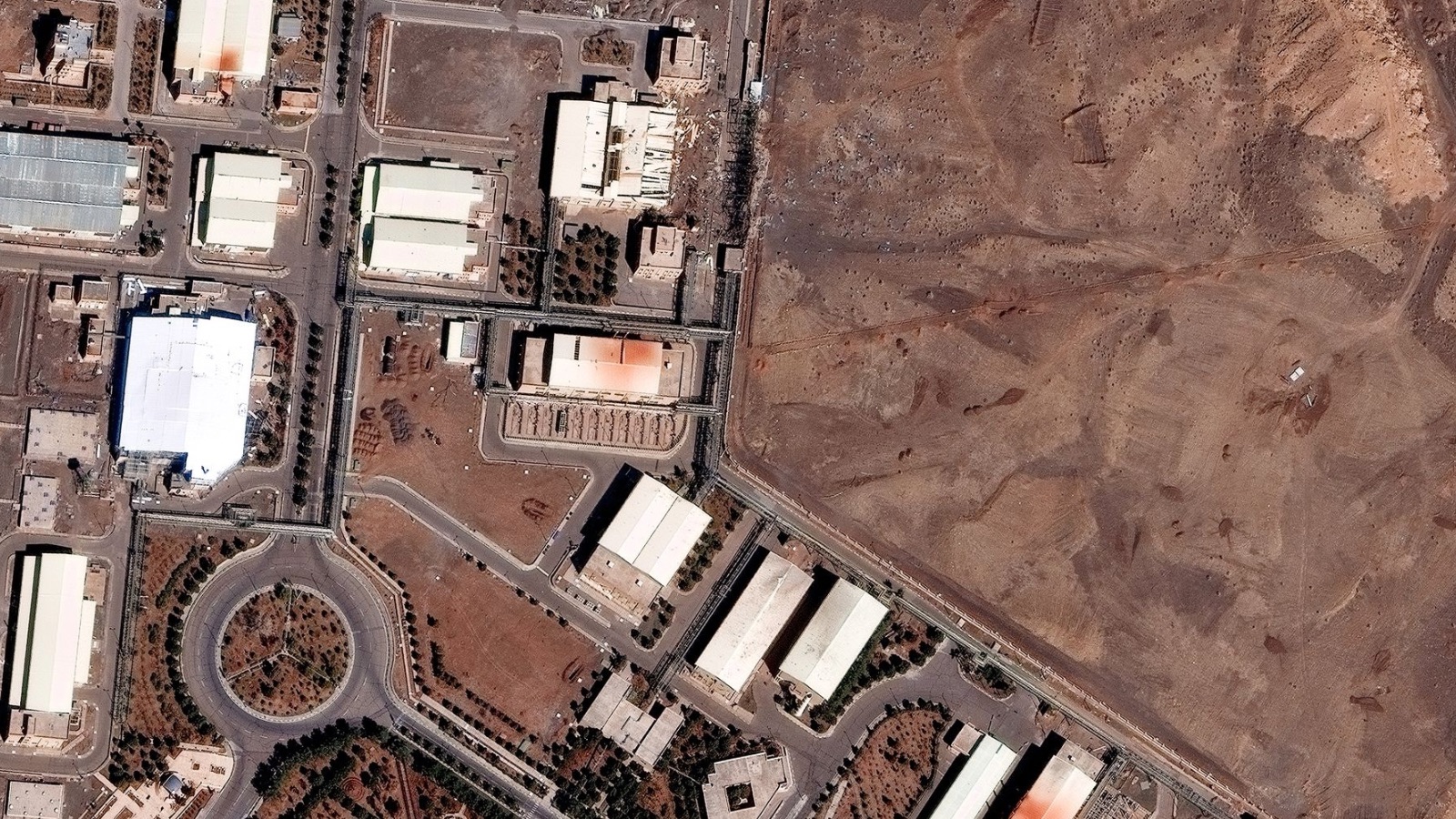


Iran is racing to access highly enriched uranium through narrow technical tunnels in Isfahan. These nuclear materials were trapped under rubble following massive aerial bombings in June 2025. US intelligence confirms that Tehran may now have physical access to these underground storage facilities. Experts estimate that Iran currently holds at least 450 kilograms of uranium enriched to 60 percent.
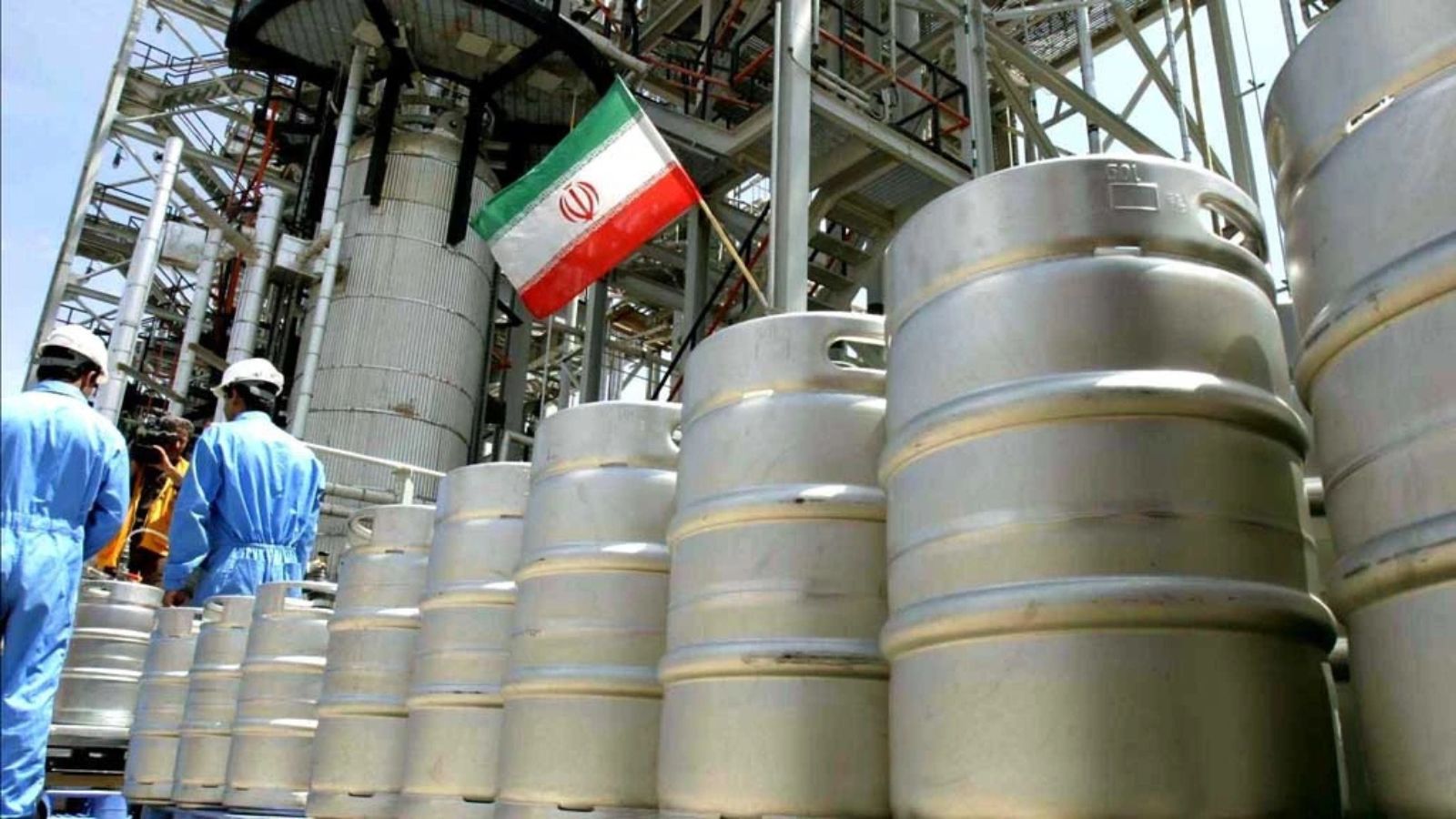
The Telegraph reported that this stockpile could produce up to 11 nuclear bombs. Consequently, President Donald Trump is considering sending special forces to secure the material. Secretary of State Marco Rubio stated that officials must physically retrieve the uranium to prevent further escalation. However, the Pentagon will likely wait until Iranian military capabilities are further depleted before launching a ground raid.
Strategic targets and military options
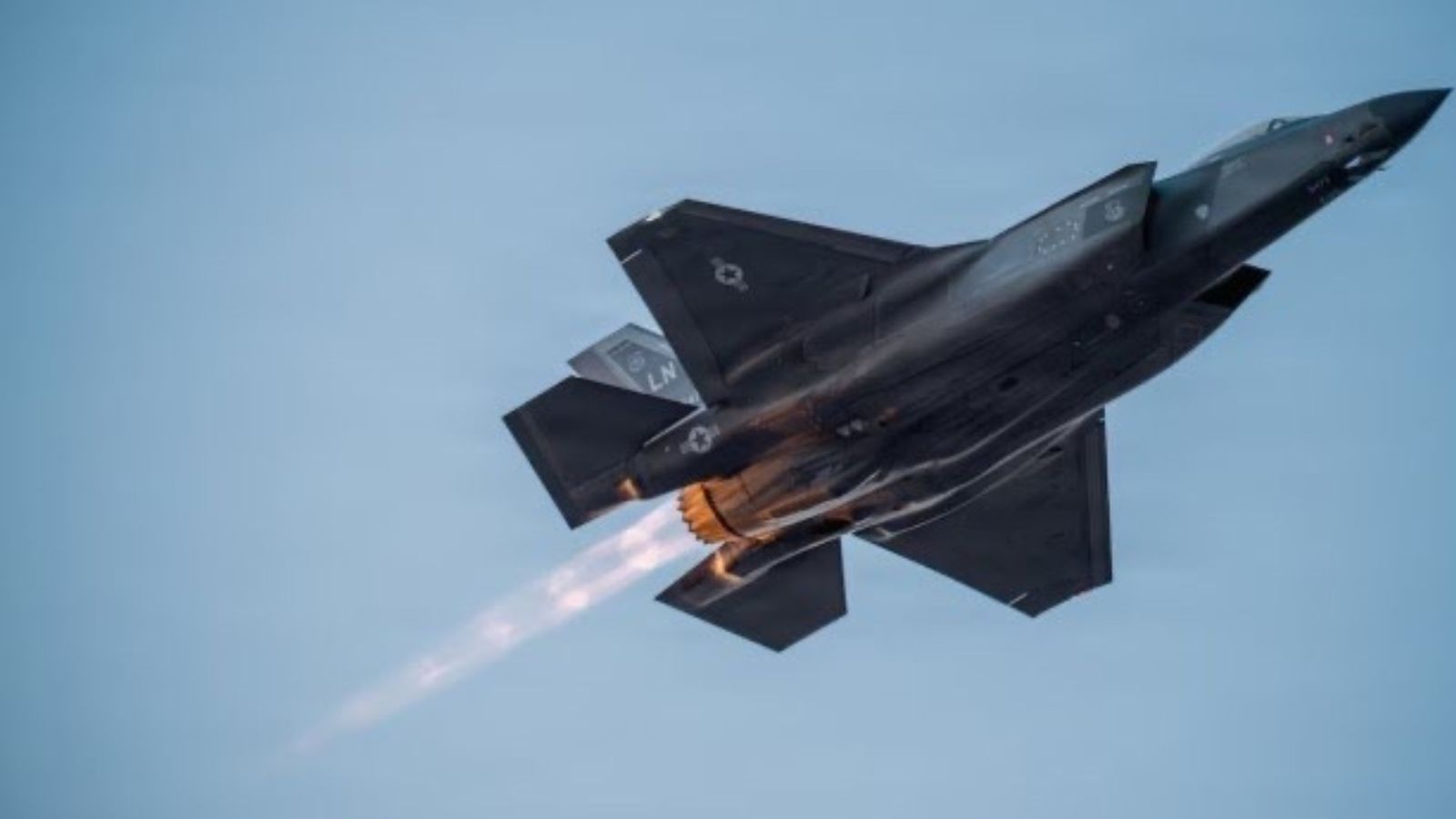
During the 12-day war last year, the US used Massive Ordnance Penetrators and Tomahawk missiles against sites in Natanz and Fordow. Currently, the Trump administration is discussing two primary options. Officials might choose to remove the uranium from Iran entirely. Alternatively, nuclear experts could enter the sites to dilute the material on-site. Any potential operation would likely involve small special operations raids rather than a large invasion force.
Regional escalation and infrastructure strikes
Meanwhile, the conflict in the Middle East continues to expand. Israel recently targeted oil storage sites in Tehran and Alborz for the first time. In response, Iran attacked desalination plants in Bahrain, threatening critical water supplies. Additionally, Kuwait reported fires at government buildings following drone attacks. Saudi Arabia also intercepted a drone heading for the diplomatic quarter in Riyadh, marking a significant turning point in the war.
Previously, The Ukrainian Review reported that the US and Israel may send special forces to Iran. This operation aims to take control of stockpiles of highly enriched uranium. The race to secure nuclear materials in Isfahan remains a critical priority for international security forces.