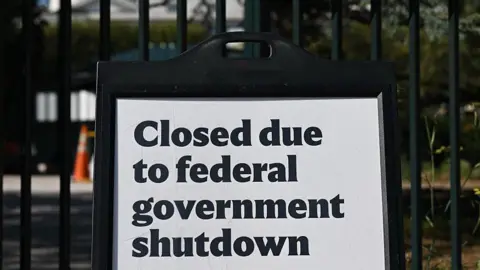


U.S. weapons shipments to Ukraine through NATO have been halted due to the U.S. shutdown, reports Axios. The crisis pause in federal operations has raised serious risks for international defense support and has already lasted 40 days — a record. This is especially critical for Europe and Ukraine. According to the outlet, citing a State Department official, the delay affects billion-dollar contracts and arms deliveries that determine the strategic balance in the region. The situation highlights how vulnerable the system can be, even when resources are available.
Export on Pause
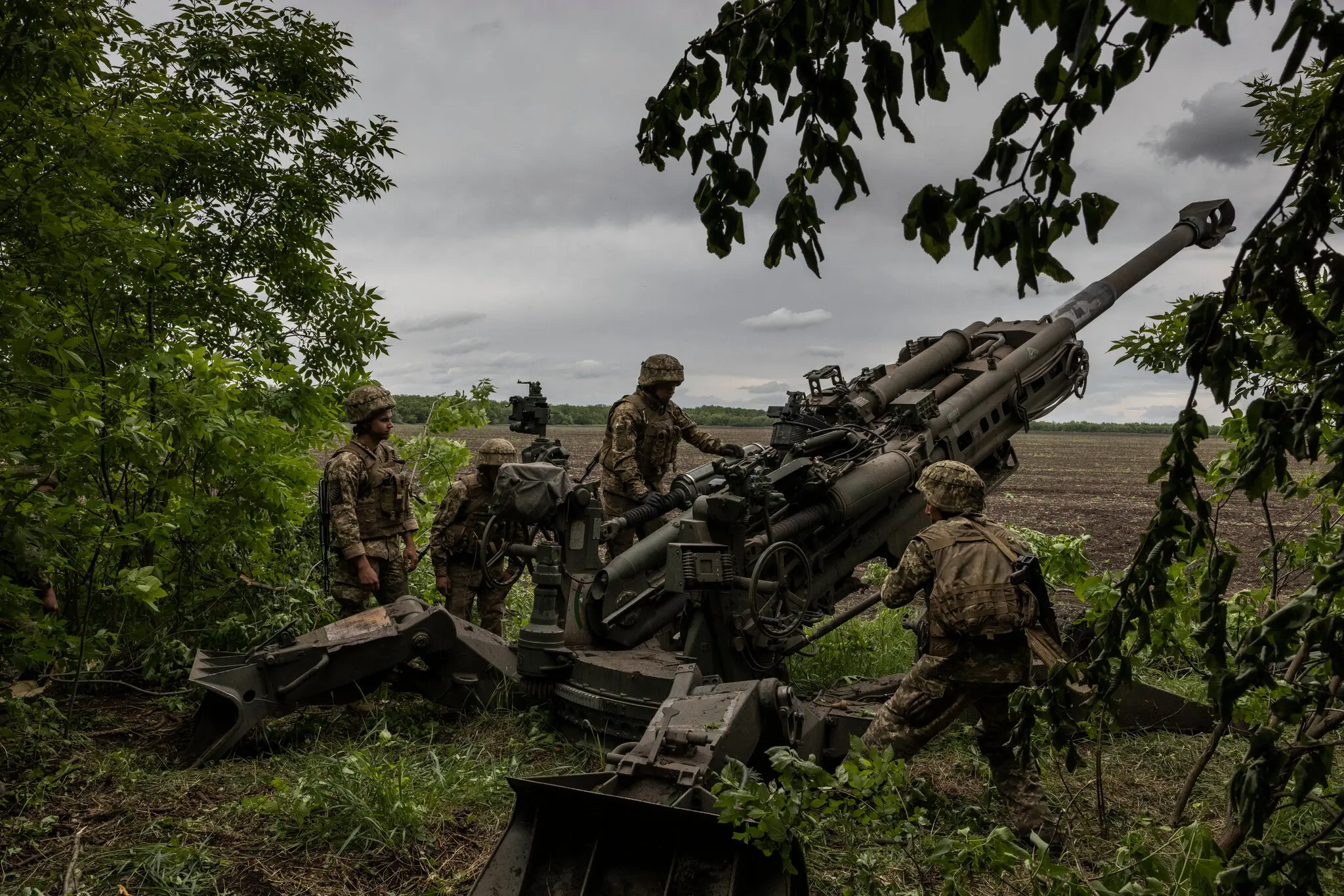
The halt in federal operations has frozen arms deliveries worth over $5 billion. According to an anonymous State Department official, this includes AMRAAM missiles, Aegis combat systems, and HIMARS, intended for Denmark, Croatia, and Poland. Normally, such sales proceed quickly. Now, the State Department units operate with nearly a quarter fewer staff, according to the official. Even routine procedures are taking longer. Arms deliveries have become dependent on internal U.S. political cycles.
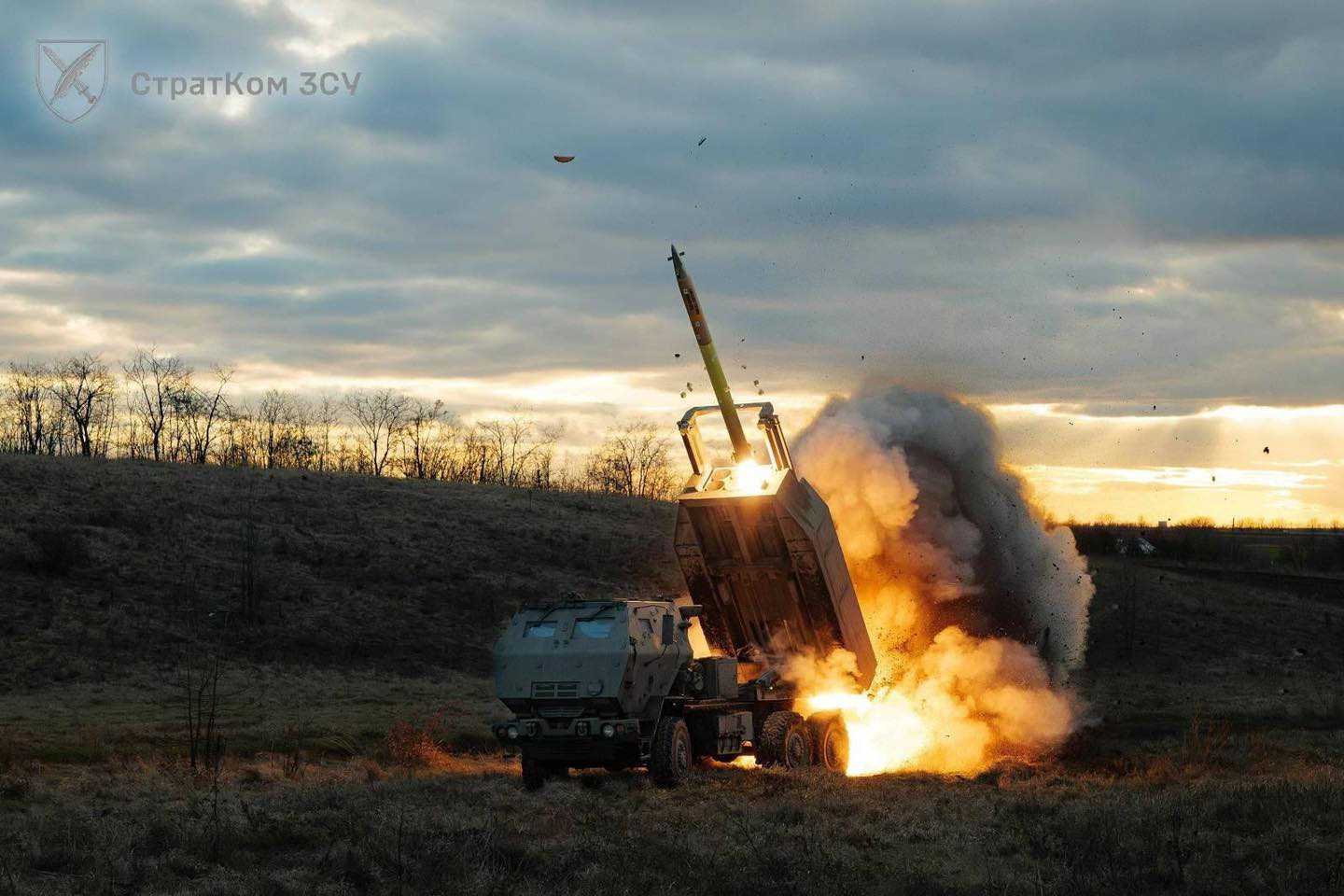
Allies on Hold
NATO partners now have to wait for decisions they cannot influence. The final destination of the weapons often remains unclear. However, much of the equipment sold to allies eventually goes to support Ukraine. An anonymous State Department official told Axios that “this is very harmful to both allies and the U.S. defense industry.” As a result, even a short pause in Washington noticeably slows down defense planning in Europe.
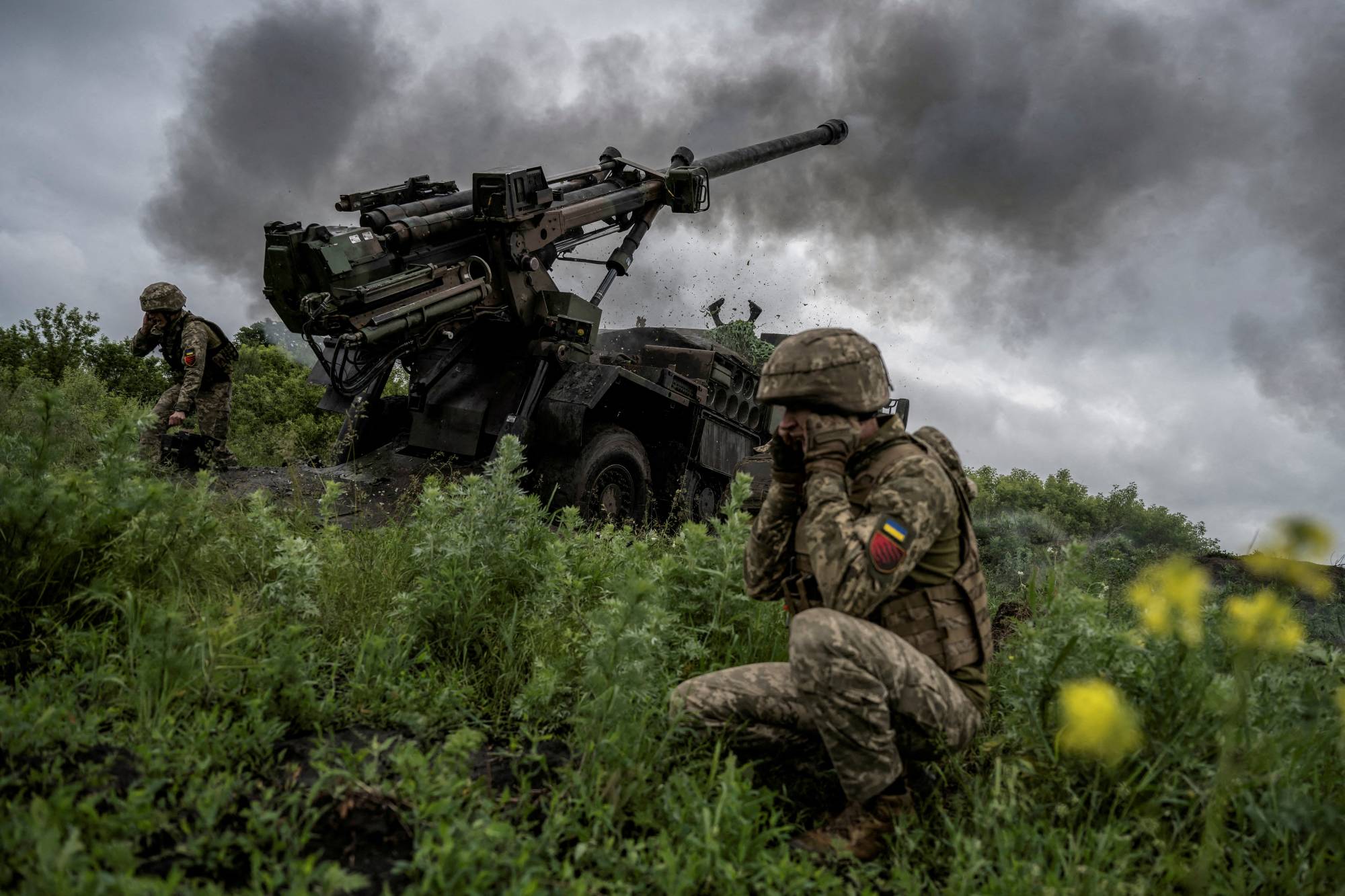
Competitors Keep Moving
Meanwhile, China and Russia continue their actions without interruption. Every Western delay gives them an additional advantage. The $5 billion figure is only part of the story. The greater issue is the system’s vulnerability itself. In modern warfare, the speed of decision-making has effectively become a separate weapon.
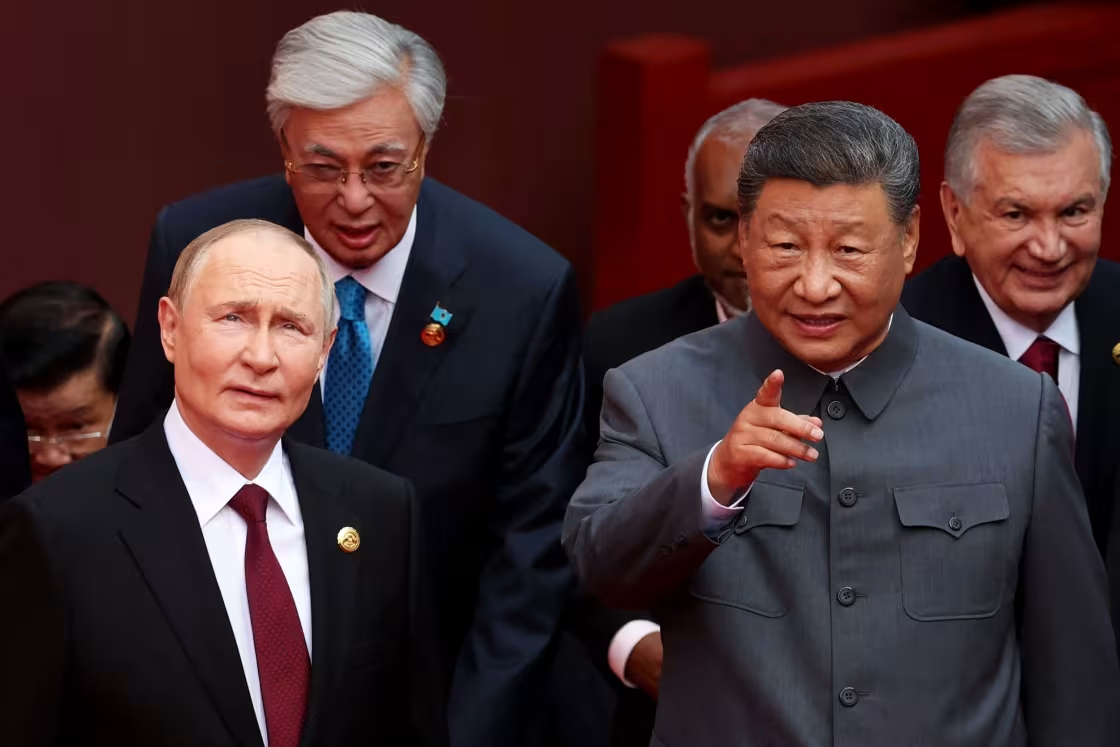
Conclusion
The shutdown highlights that in modern security, time and pace are as important as resources. The U.S. remains a key ally, but even a short pause in government operations affects decision-making speed and the sense of stability among partners. Political “pause” on one side of the ocean automatically triggers a waiting mode on the other.
This is especially important for Ukraine, where the speed of deliveries and the reliability of international support are directly tied to its defense capabilities and the protection of the country in the war against Russia.