

Ukraine continues to respond to Russia’s aggression not only on the battlefield but also through economic and diplomatic measures. On November 9, 2025, President Zelenskyy signed two decrees. The decrees introduce sanctions against senior Kremlin officials and Russian publishing houses involved in propaganda and the plundering of the Ukrainian economy, the President’s press service reported. Ukraine sets the economic sanctions for 10 years and revokes state awards indefinitely. This is a new step in Ukraine’s strategy of applying international pressure on Russia.
Personal Sanctions: Who and Why
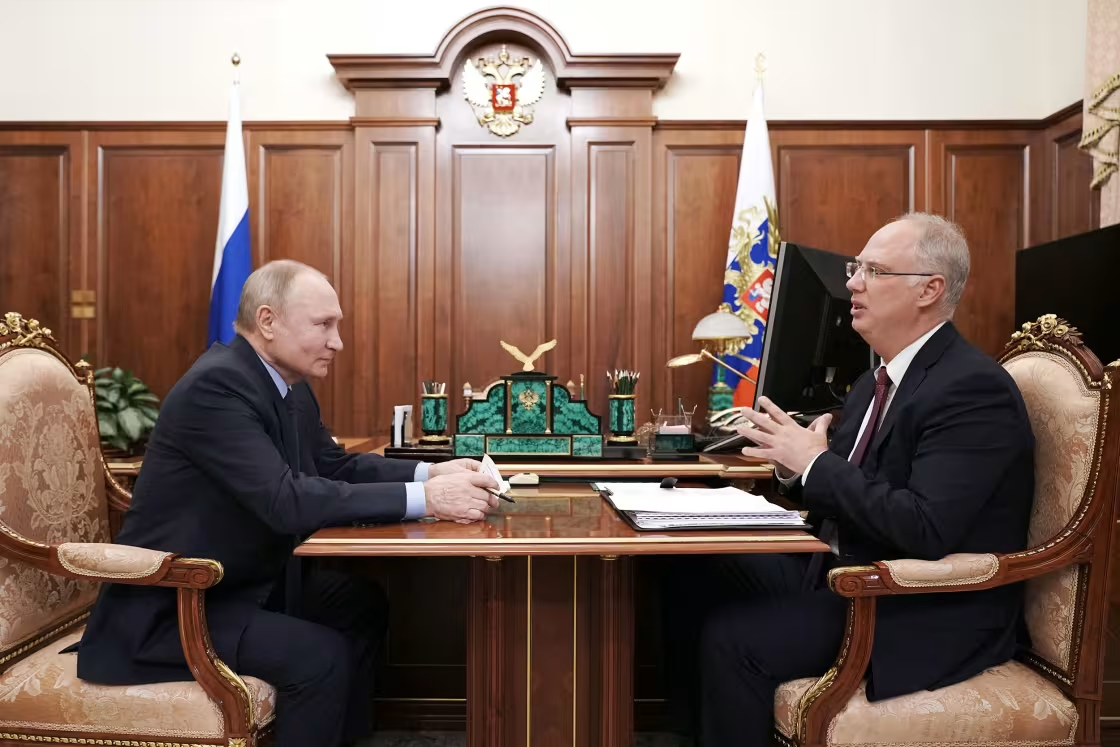
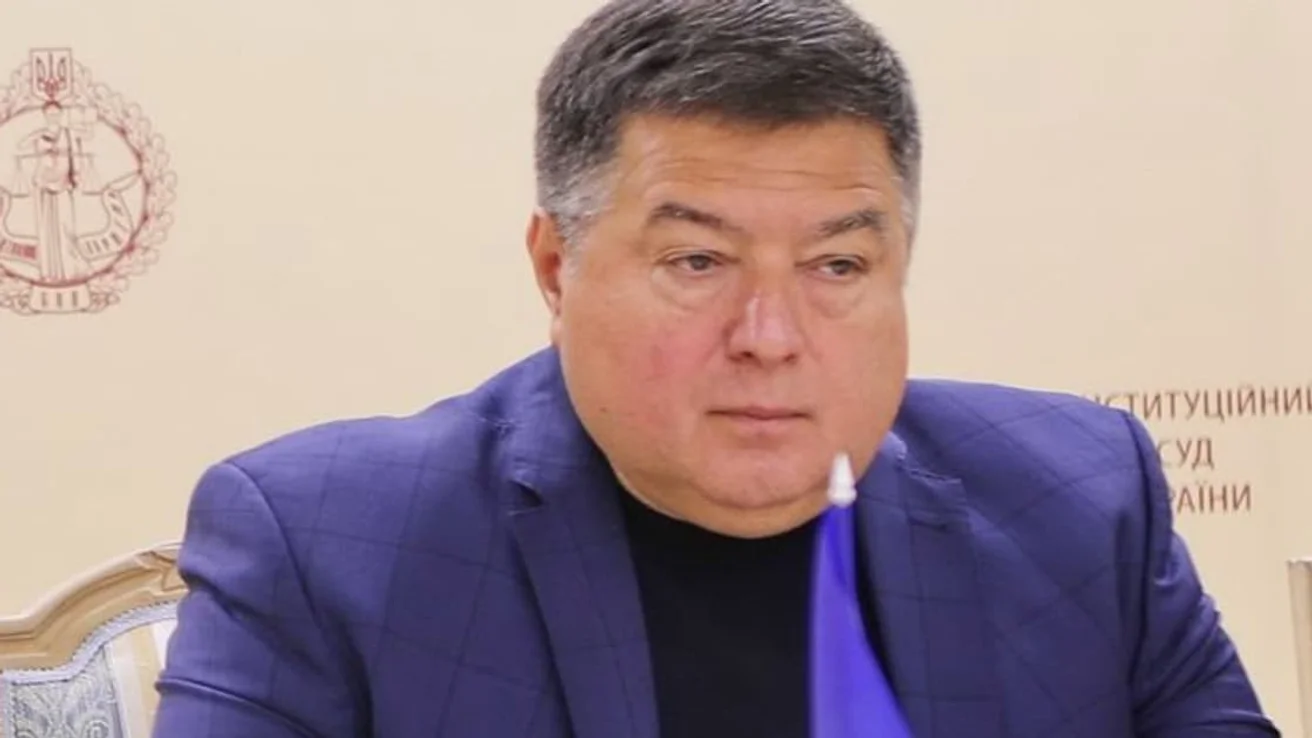
Eight individuals have been targeted. Among them is Kirill Dmitriev, Russia’s special envoy for peace negotiations with Ukraine, a financier and propagandist who channels Russian investments into other countries and spreads propaganda. Sanctions also cover Oleksandr Tupytsky, former head of Ukraine’s Constitutional Court, who illegally left the country in March 2022.
Others include Alexey Komkov, head of the FSB’s Fifth Service responsible for information operations, and Oleksandr Zorin, chief of the Information Directorate of the Main Directorate of the Russian Armed Forces General Staff. Also sanctioned are Russia’s Minister of Agriculture, Oksana Lut, involved in the appropriation of Ukrainian agricultural assets, and three deputy ministers of education, science, and culture, who implement anti-Ukrainian educational standards in temporarily occupied territories.
“Russia is trying to prolong the war, expanding its efforts to justify aggression and normalize the occupation of Ukrainian territories. Such behavior deserves far greater global pressure,” Zelenskyy said.
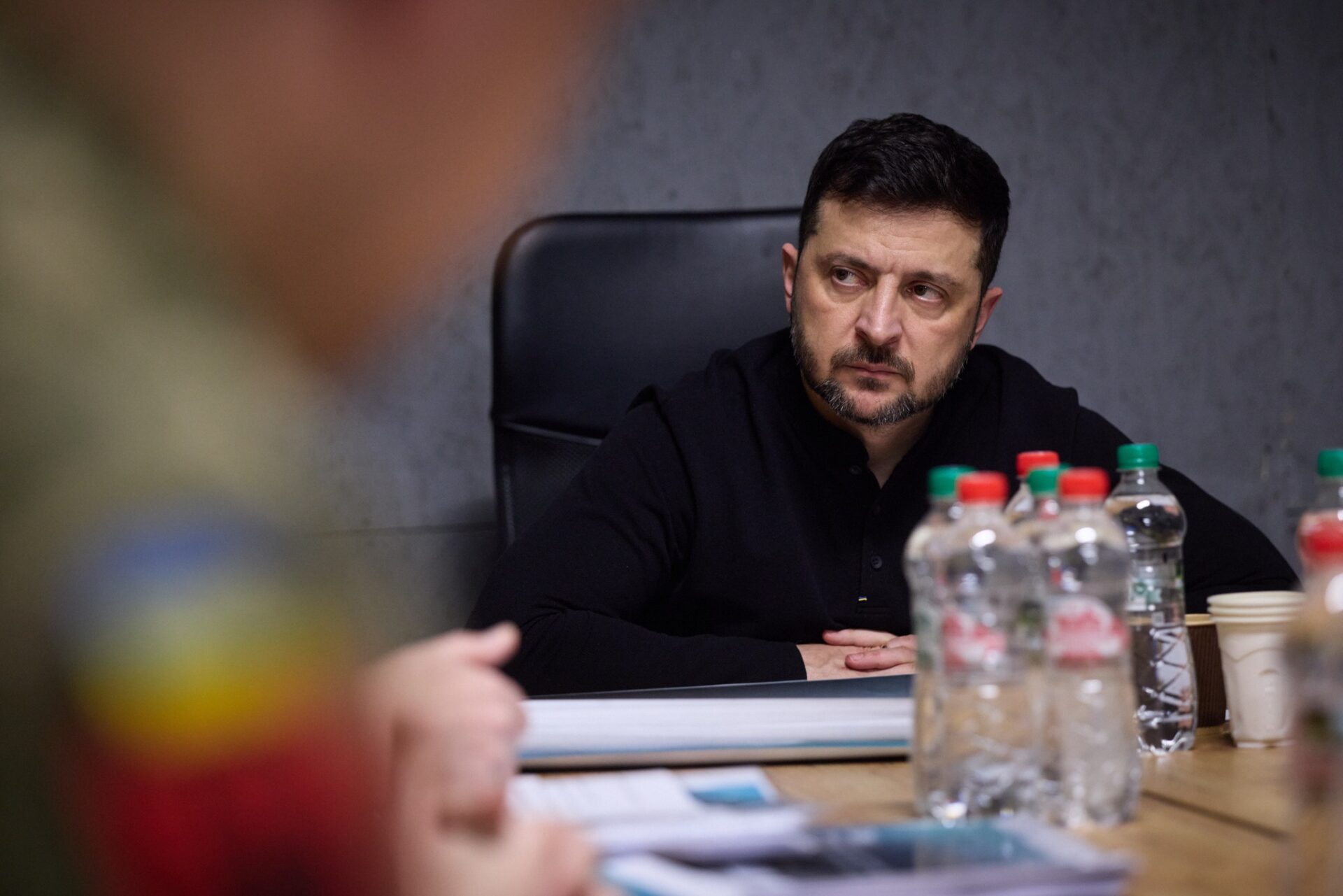
The sanctions target specific individuals and produce both symbolic and practical effects. They limit the ability of these individuals to finance and spread propaganda.
Sanctions Against Propaganda Publishers
The second decree targets five Russian publishing houses. These publishers justify the war and spread anti-Ukrainian narratives, including in the temporarily occupied territories of Donetsk, Luhansk, Zaporizhzhia, and Kherson regions.
This step demonstrates Kyiv’s commitment not only to targeting economic assets but also to countering Russia’s ideological influence.
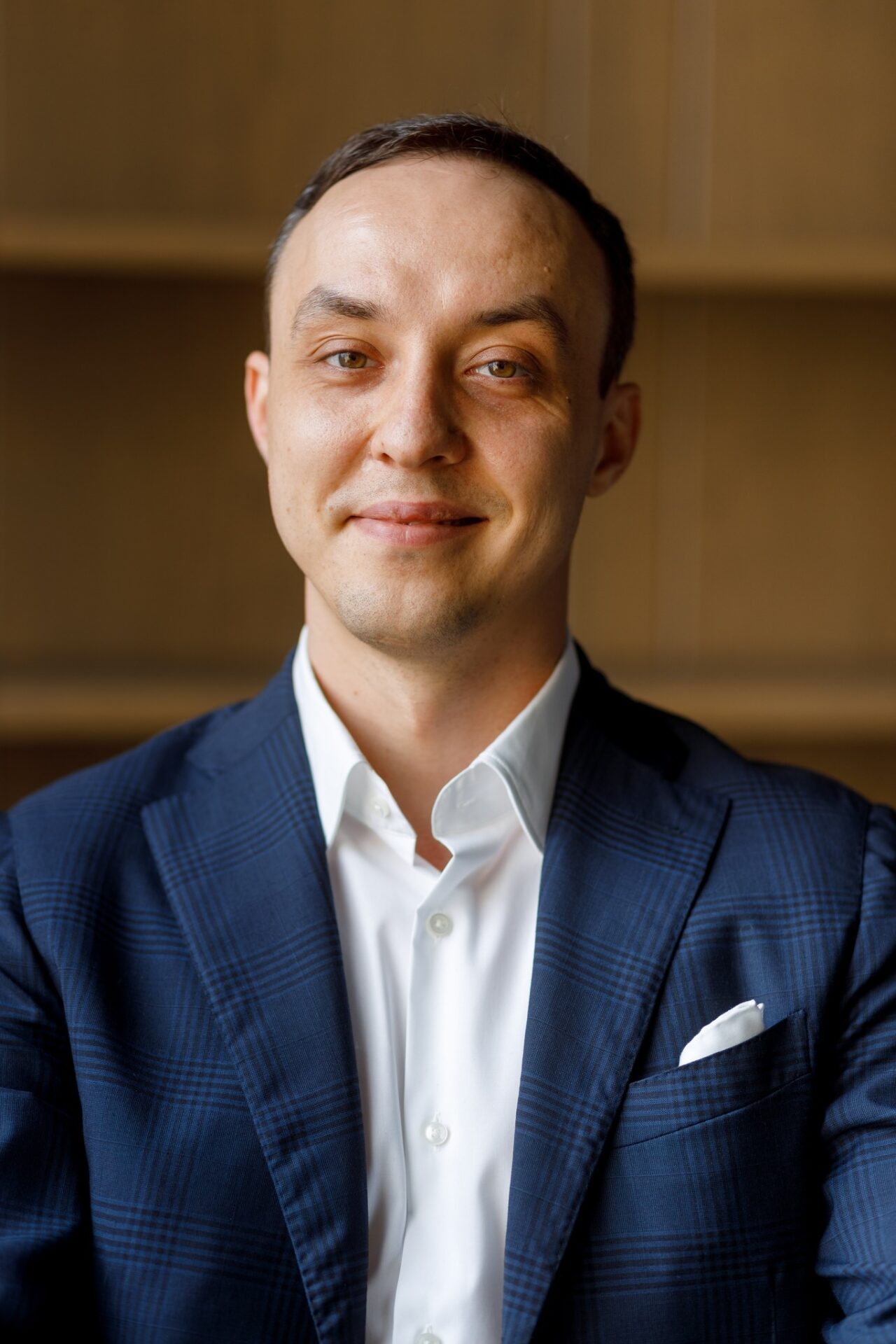
“We will work to ensure that these publishers cannot participate in international book fairs, and that their products are removed from online sales platforms worldwide,” said Vladyslav Vlasiuk, presidential advisor on sanctions policy.
Conclusion
Ukraine’s sanctions are part of a systematic approach to pressure the Kremlin, combining economic, political, and informational levers. Their goal is to halt the legitimization of occupation, limit war financing, and strengthen the international isolation of the aggressor. Experience shows that targeted sanctions, coordinated with international partners, can slow down the aggressor and increase the cost of its decisions.