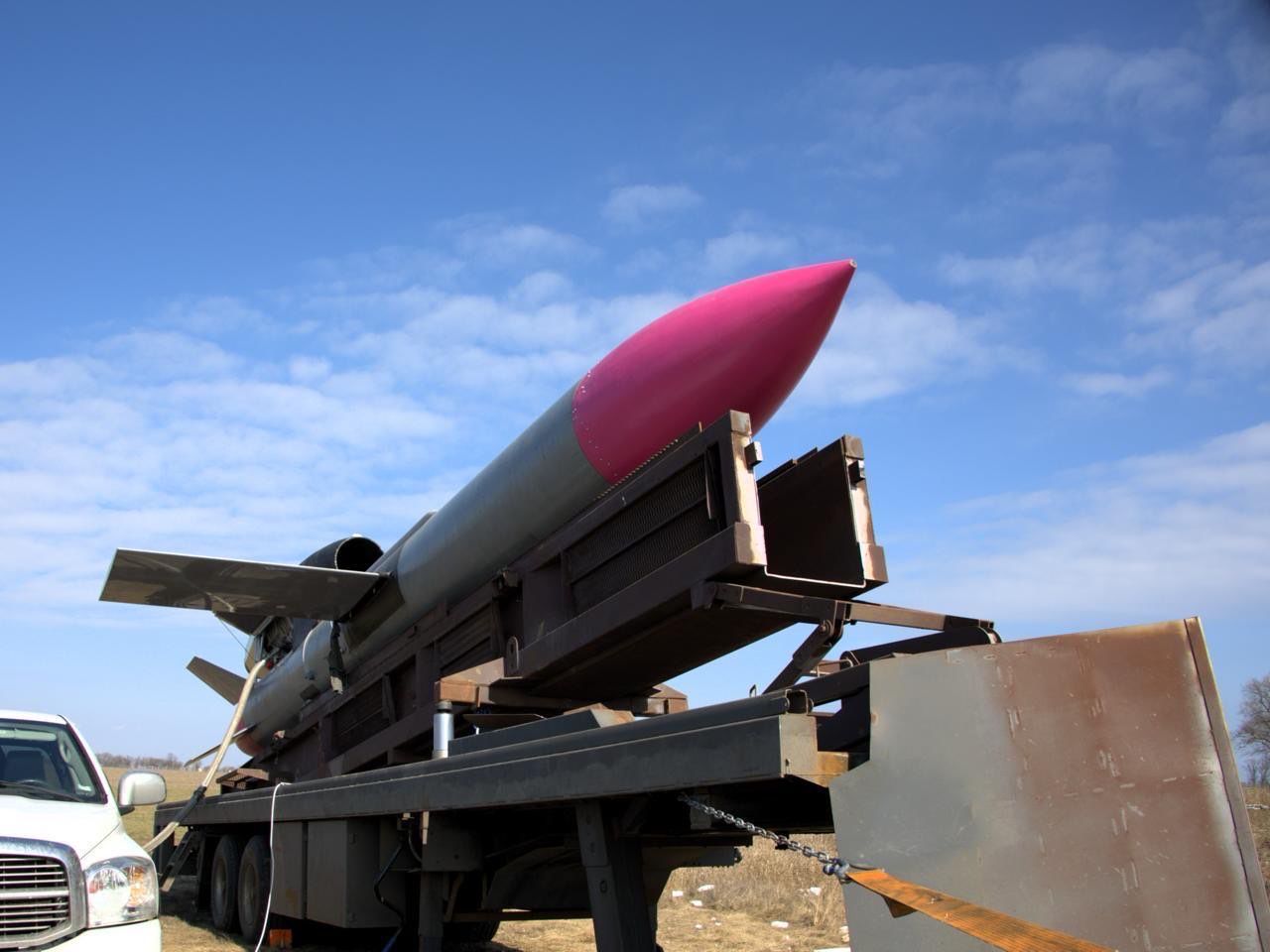


Gift for Putin, a Czech civic initiative, raised enough money in two days not for one, but for two Ukrainian Flamingo cruise missiles. The volunteers announced this on their page on X. The missiles will be handed over to the Armed Forces of Ukraine, which will decide when and against which targets they will be used. And this civic mobilization is happening despite political disputes in Prague — including the scandal around removing the Ukrainian flag from the Chamber of Deputies.
“We are negotiating with the manufacturer of the Flamingo missiles, Fire Point. For the agreed 12.5 million crowns, not one rocket named after Dana Drabova, but two will be created,” said the initiative’s organizer Martin Ondráček in a comment to Novynky.ch.
Flags, ladders, and civic responsibility
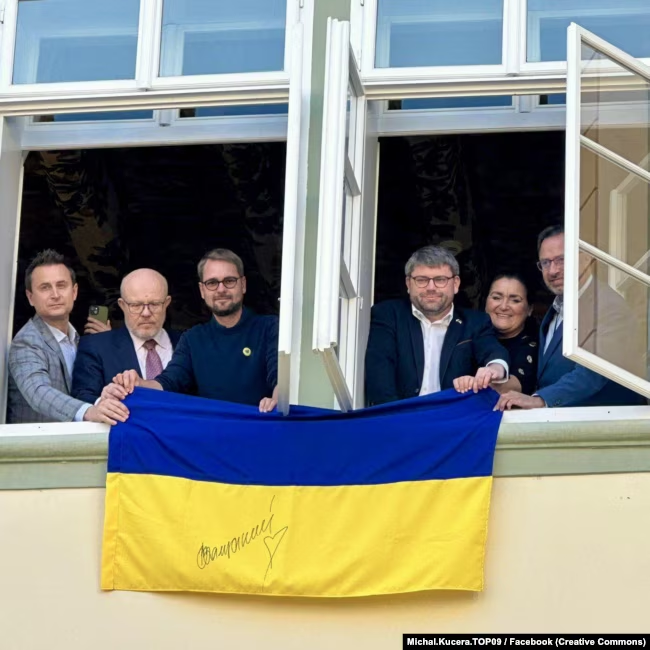
The decision of Speaker Tomio Okamura to remove the Ukrainian flag from Parliament triggered an immediate reaction. The opposition re-hung other blue-and-yellow flags, and Ukraine’s Ambassador Vasyl Zvarych called the flag a symbol of freedom and resilience. Meanwhile, 8,500 donors in the Czech Republic turned symbols of solidarity into material aid, raising roughly 16 million crowns.
What they fund and how it works
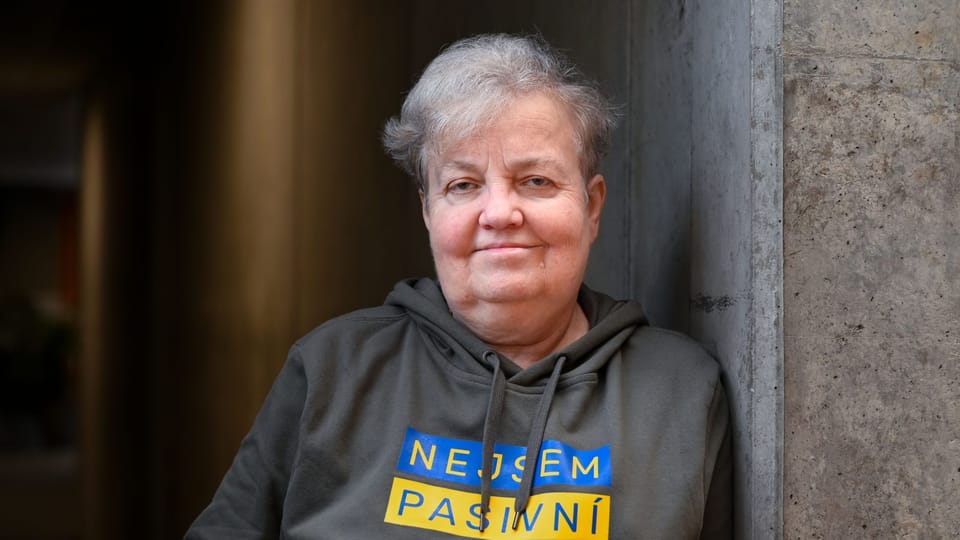
Organizers say the missile will be named after Czech nuclear physicist Dana Drábová, who actively supported Ukraine. Drábová passed away earlier this October. Once paid, the missile will be manufactured and transferred to the Armed Forces of Ukraine. Although donations exceeded the planned 12.5 million crowns, the organizers said the surplus will be used for other needs of the army. Donors will be able to choose where this money goes — for example, to rapid-response vehicles, drones, ammunition, or medical aid.
Flamingo — both technology and symbol
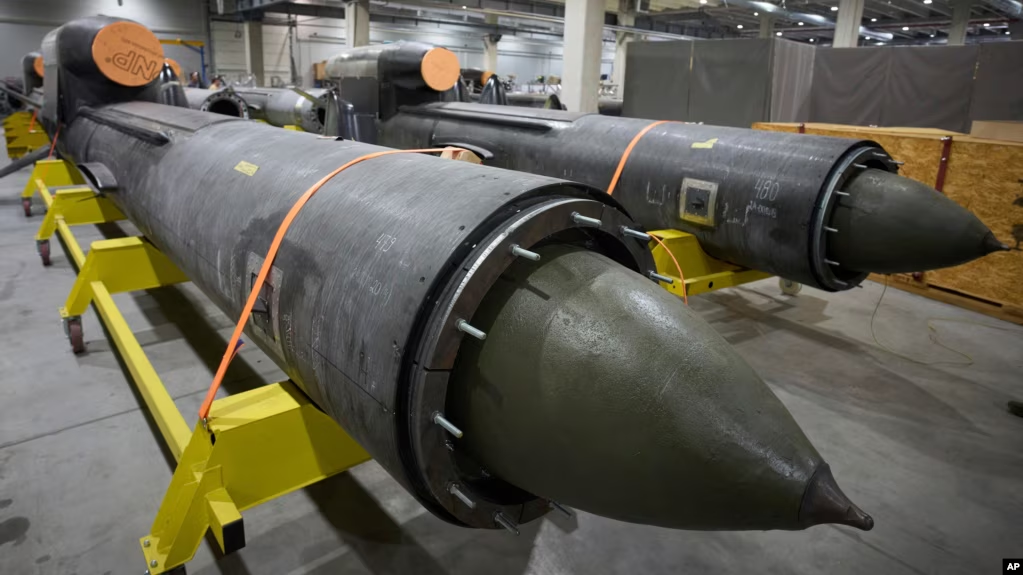
The Flamingo has a range of up to 3,000 km, payload of over one ton, and a speed of up to 900 km/h. It is resistant to electronic warfare and uses special GPS systems with jamming protection. It is a Ukrainian defense industry development that has already been used for long-range strikes. Serial production began in the summer of 2025. Its main advantage is full control by Ukraine.
Of course, a single weapon won’t end the war. But it shifts the balance and increases capability. When society itself funds such technology, it not only expresses solidarity — it actively participates in defense.
Conclusion
This Czech initiative demonstrated two key things. First, civic solidarity can be fast and large-scale. Second, symbols and real action reinforce each other. Even during political turbulence, civic mobilization remains alive. This is a sign that support for Ukraine has a deep social foundation — and it does not evaporate under the pressure of political maneuvering.