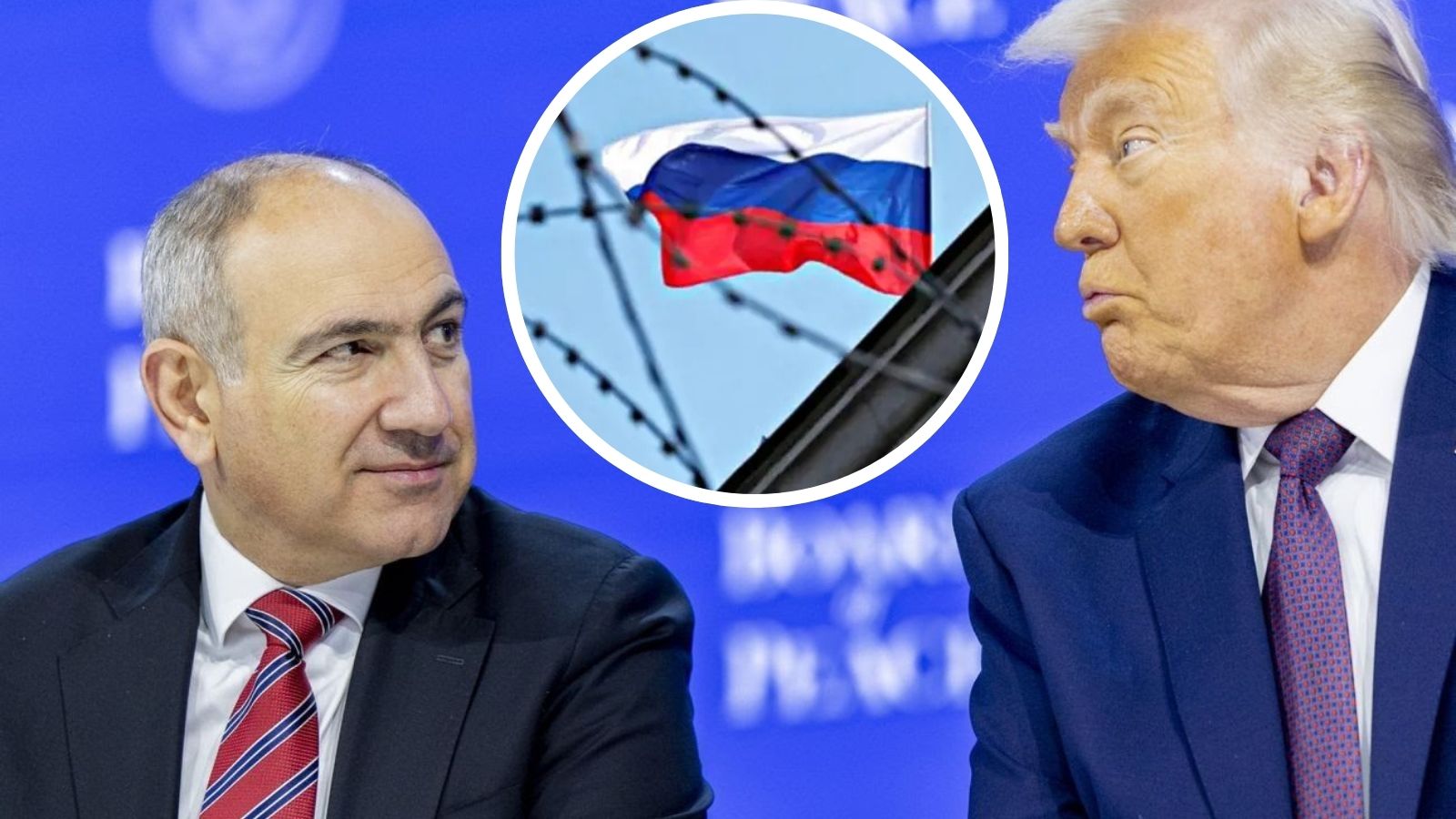


The Foreign Intelligence Service of Ukraine (SZRU) reports a rapid decline in Kremlin influence across the South Caucasus. The primary driver of this shift is the “Trump Route for International Peace and Prosperity” (TRIPP) initiative. This project transforms the region’s diplomatic and logistical landscape by establishing a joint Armenian-American management company. Consequently, Moscow faces exclusion from a strategic hub it controlled for decades. The initiative effectively replaces Russian-led security architectures with a modern Western alternative.
Strategic Infrastructure Bypass
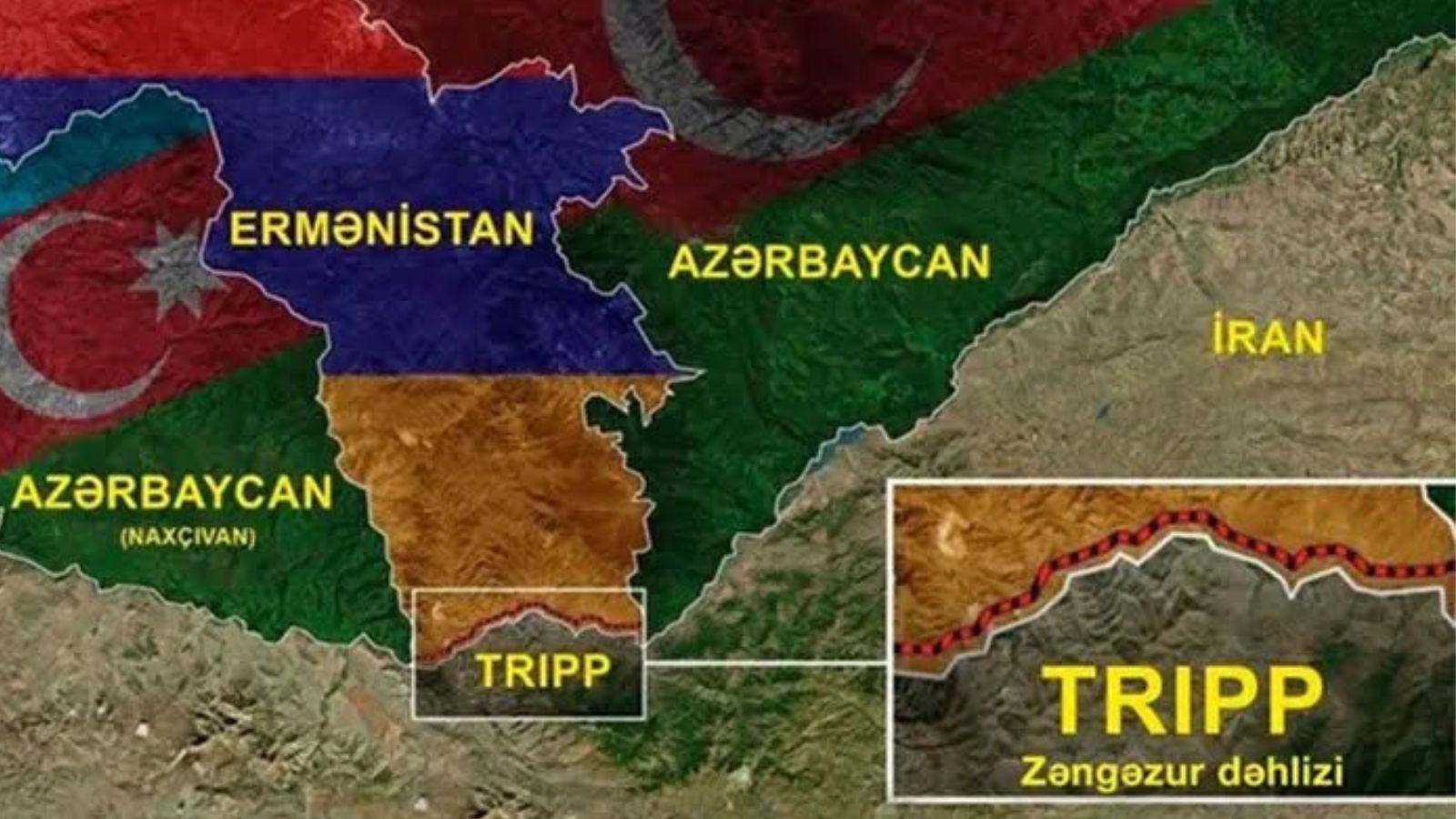
The TRIPP project focuses on developing modern infrastructure along Armenia’s border with Iran. This plan includes the construction of new oil and gas pipelines alongside fiber-optic networks. Furthermore, the project involves building railway and road links connecting Azerbaijan to its Nakhchivan exclave through Armenian territory. Historically, Russia controlled such corridors via FSB units and “peacekeeping” forces. Now, the new corridor integrates into the Middle Corridor, linking China to Europe via Central Asia and Turkey. This shift removes Russia’s leverage over regional transit.
Diplomatic Isolation of Moscow
Armenian officials confirm that Russia’s role in this project was never a subject of discussion. Foreign Minister Ararat Mirzoyan stated that the US and Armenia negotiated the TRIPP route exclusively. Meanwhile, Prime Minister Nikol Pashinyan issued a direct ultimatum to the Russian Railways (RZD), the current concessionaire of Armenian tracks. He demanded the immediate restoration of routes to the borders of Azerbaijan and Turkey. Pashinyan clarified that if Russia fails to act, Armenia will fund the repairs independently. Such a move directly challenges the necessity of a Russian presence in the region.
New Security Architecture
The joint Armenian-American company will manage the TRIPP corridor for the next 49 years. This long-term agreement ensures sustained American involvement in South Caucasian logistics. By granting exclusive development rights to the United States, Armenia officially pivots away from its traditional dependence on Moscow. The project symbolizes a broader geopolitical transition where Western investment replaces Russian military-political control. This infrastructure creates a stable link between Asia and Europe that operates entirely under Armenian law and international standards.
Conclusion
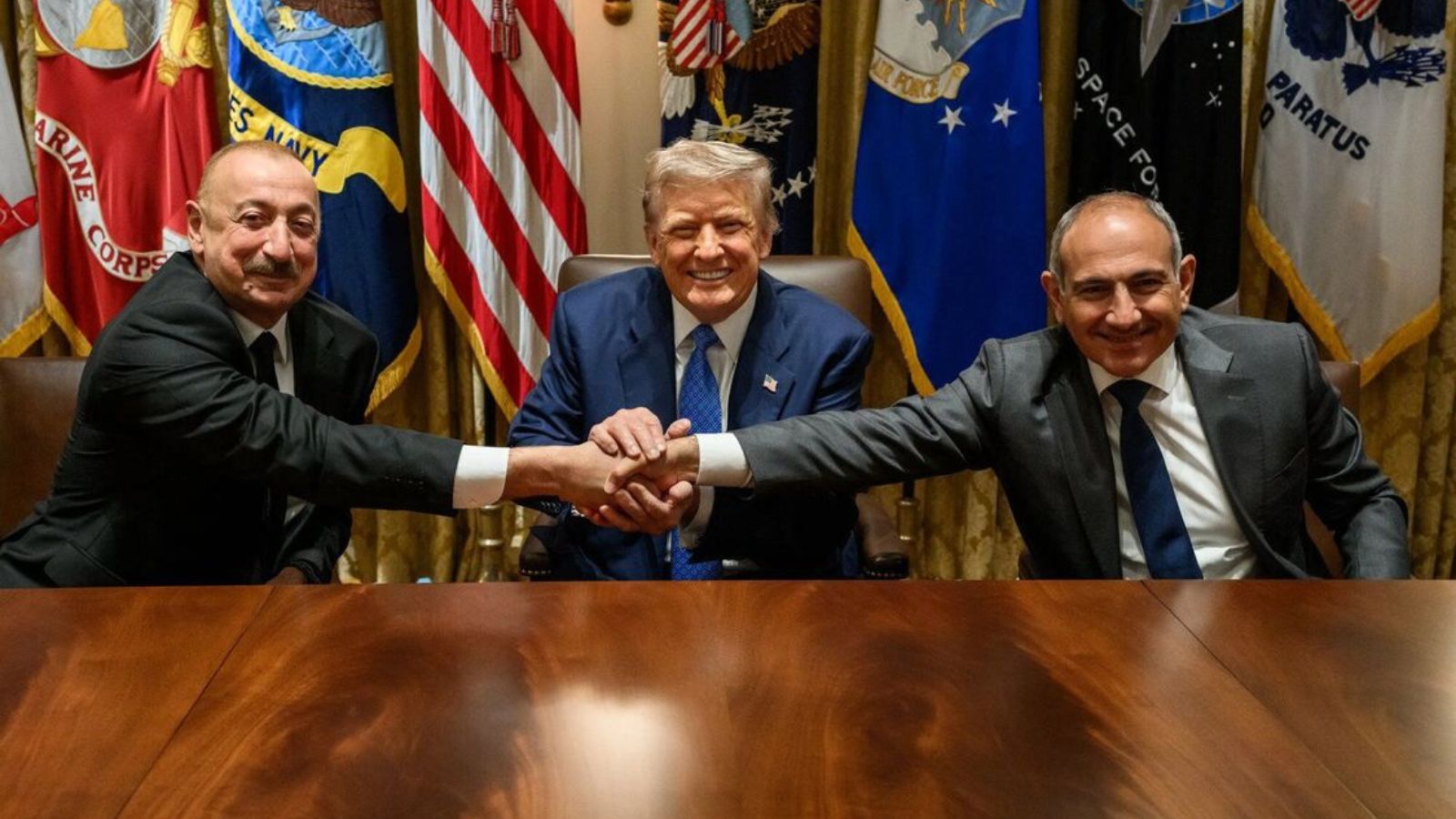
The launch of the TRIPP initiative marks a decisive turning point in South Caucasian geopolitics. By establishing a modern transit corridor under Western management, Armenia and the United States have effectively sidelined Russia from its traditional role as a regional arbiter. This transition not only secures a strategic link for global trade but also builds a new security framework that functions independently of Moscow’s military and political pressure.