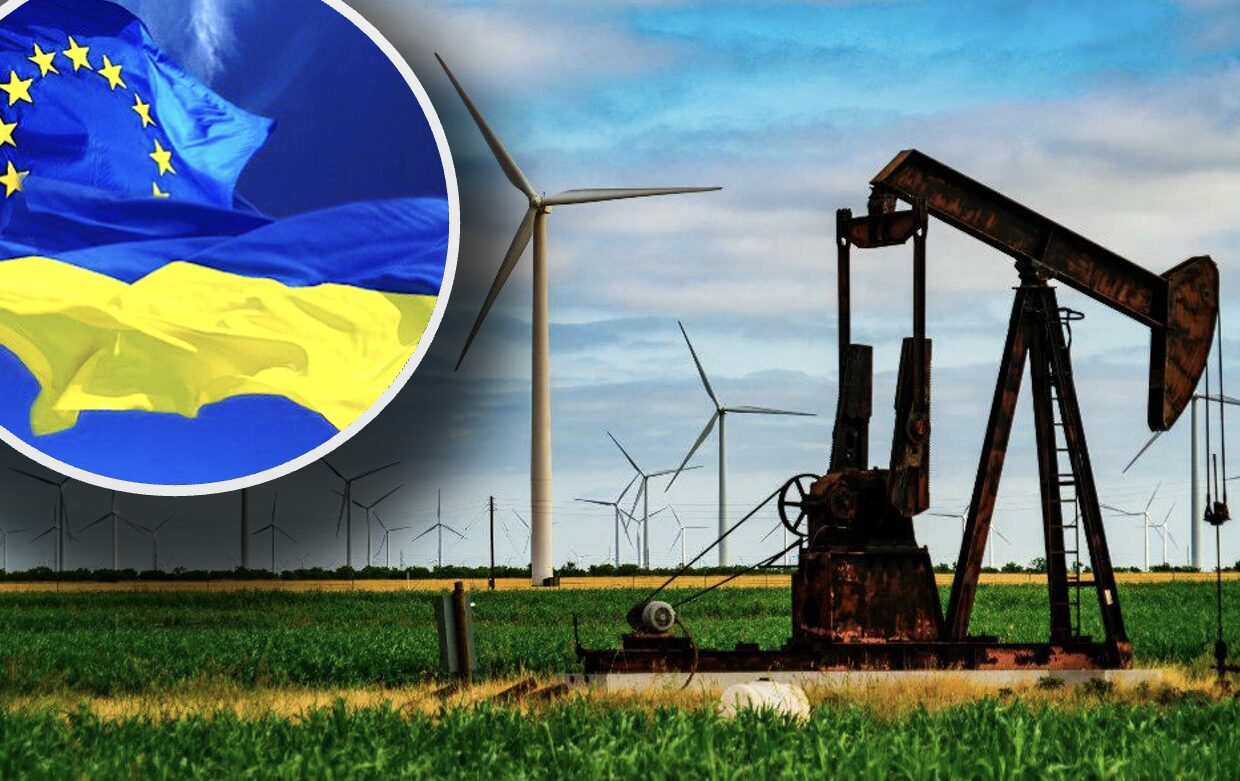


Europe’s real path to energy security and economic growth is clean energy, write UK Energy Secretary Ed Miliband and EU Energy Commissioner Dan Jørgensen in Politico.
Energy as Security Factor
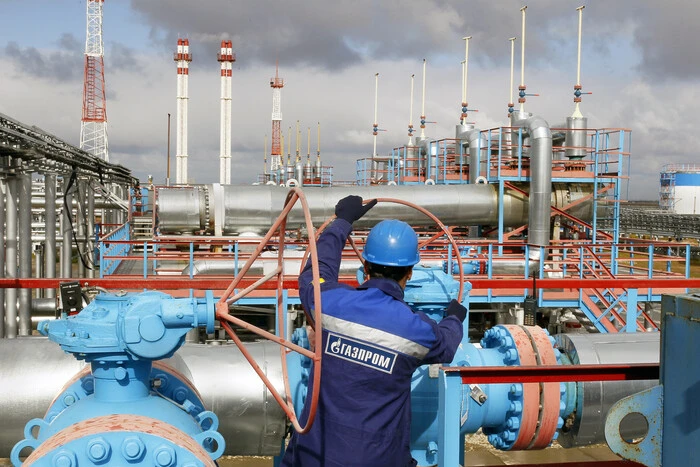
The authors note that the world faces more uncertainty than ever before, and energy has become central to global security. They say that Europe and the UK have already paid a high price for relying on international fossil fuel markets.
Russia’s full-scale invasion of Ukraine in 2022 caused global gas prices to soar. As a result, households and businesses across Europe faced higher energy bills. The crisis triggered the deepest cost-of-living shock in decades.
Although the EU quickly reduced its dependence on Russian gas and is moving toward a complete phaseout, the region remains vulnerable because of its reliance on fossil fuels.
Moving to Homegrown Clean Energy
Miliband and Jørgensen emphasize that heavy reliance on fossil fuels, no matter the supplier, cannot guarantee security or stable growth. It leaves economies exposed to price swings and external pressures.
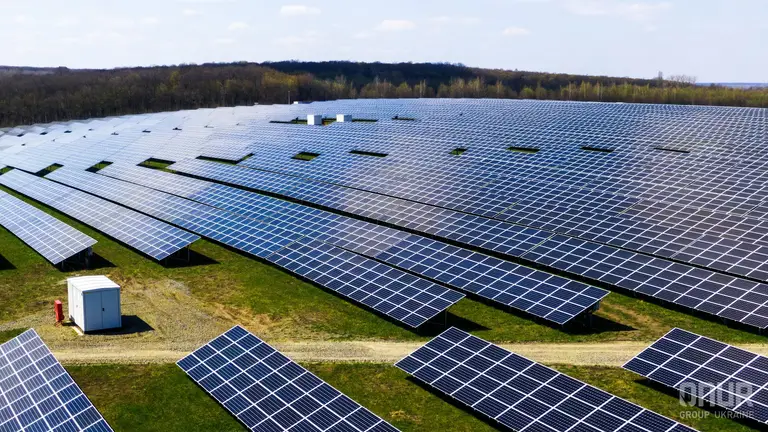
As European Commission President Ursula von der Leyen said, “As our energy dependency on fossil fuels goes down, our energy security goes up.” Therefore, the UK and EU are investing in homegrown clean energy. These investments aim to lower bills, create jobs, and boost industrial competitiveness.
North Sea and Joint Projects
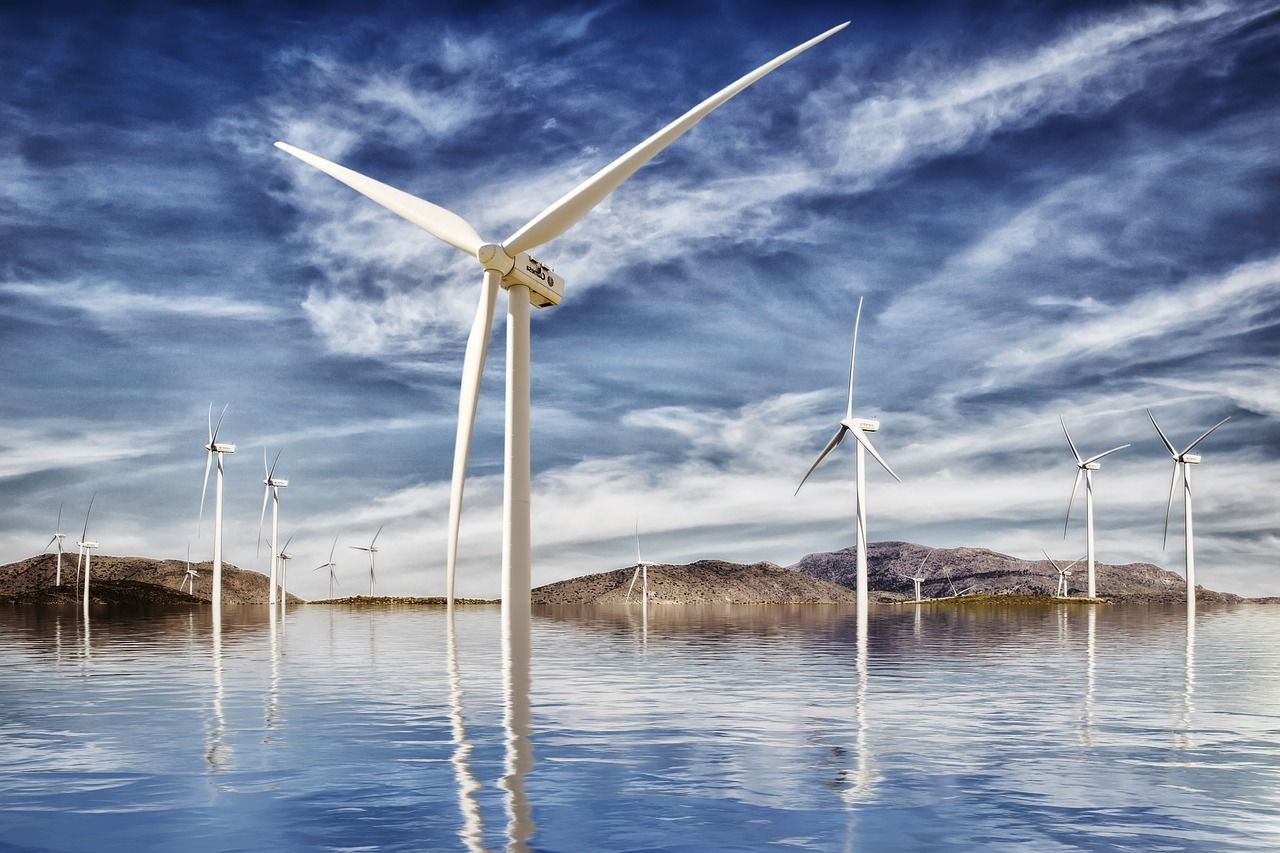
The article reports that nine European countries, along with NATO and European Commission representatives, are meeting in Hamburg for the third North Sea Summit. They aim to strengthen cooperation in offshore wind, hydrogen, and carbon capture technologies.
The countries reaffirm their goal to reach 300 gigawatts of offshore wind capacity in the North Sea by 2050. They also plan to develop shared projects. According to Politico, the EU invested about $360 billion in clean energy last year, and wind and solar power generation exceeded fossil fuels for the first time.
Conclusions
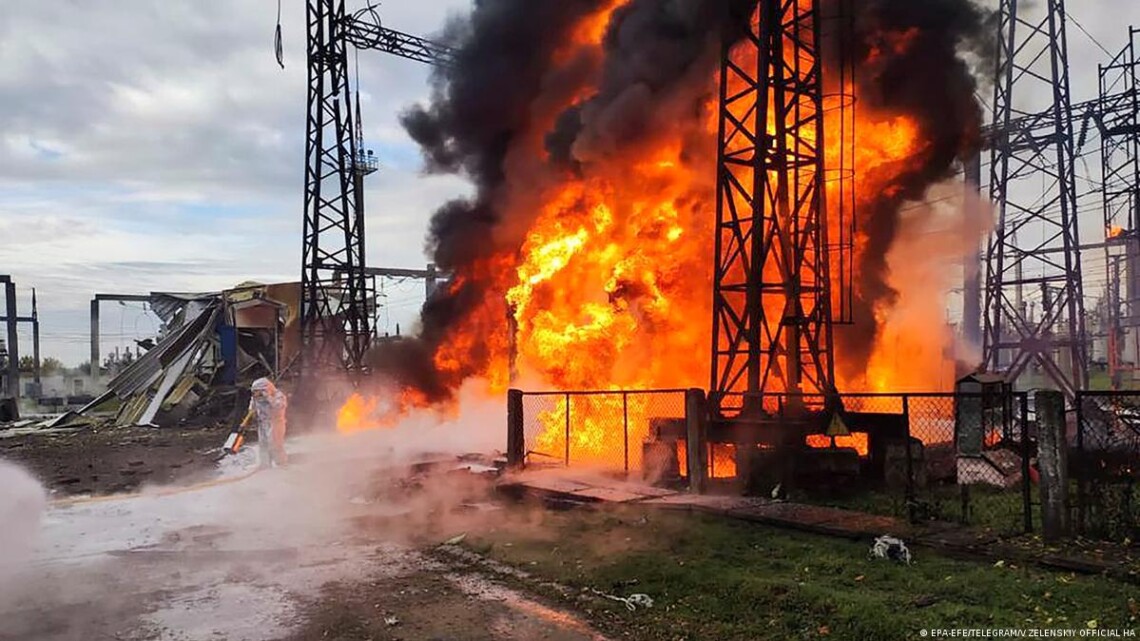
The authors stress that the Russian war in Ukraine shows the importance of energy independence for overall security. Coordinating efforts among European countries and accelerating the shift to clean energy are key to reducing risks and ensuring long-term stability across the continent.