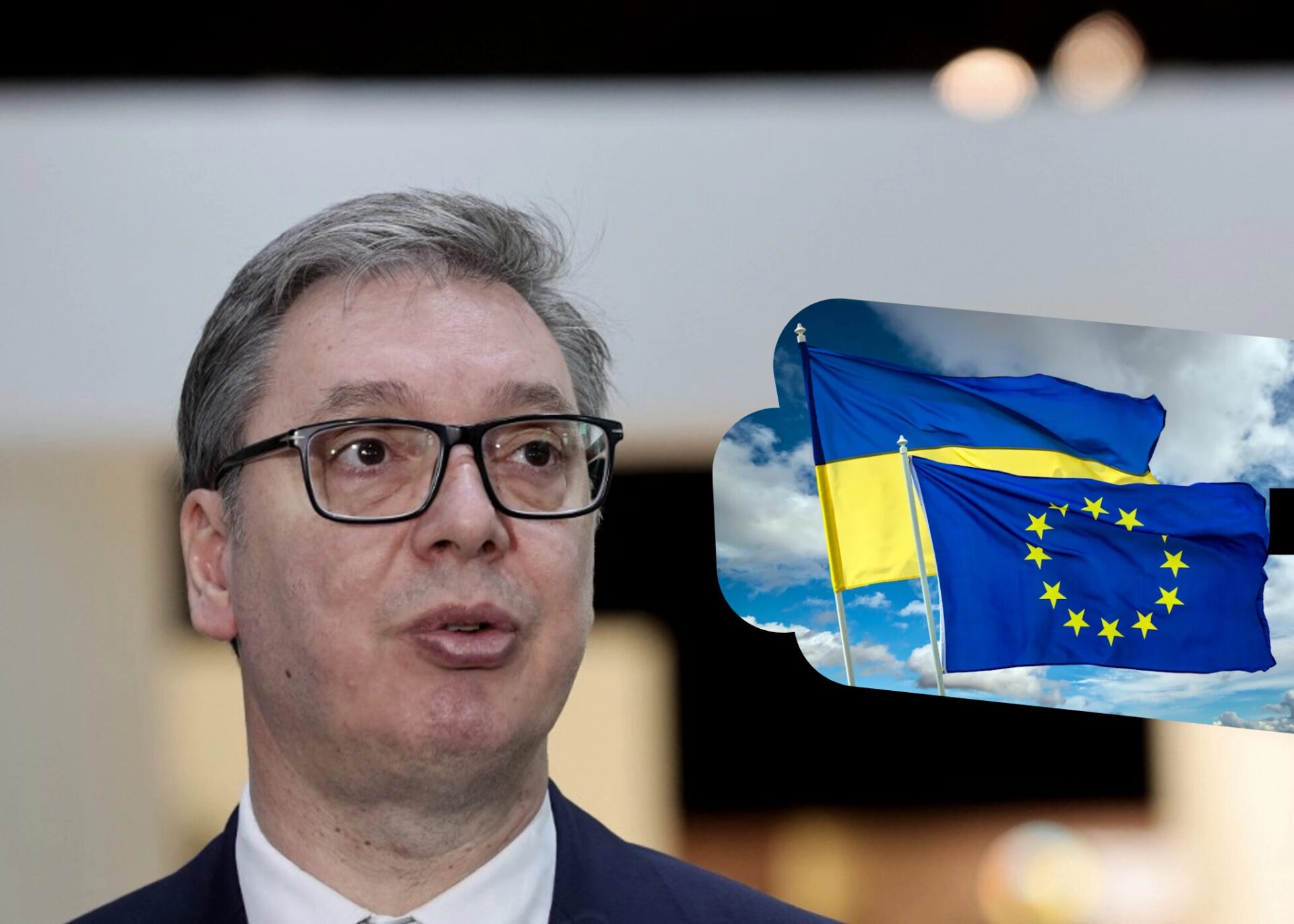


Accelerated accession of Ukraine to the European Union on January 1, 2027, is reportedly one of the key points of a peace plan to end the war between Russia and Ukraine. This was stated by Serbian President Aleksandar Vučić, citing unofficial information received from international sources.
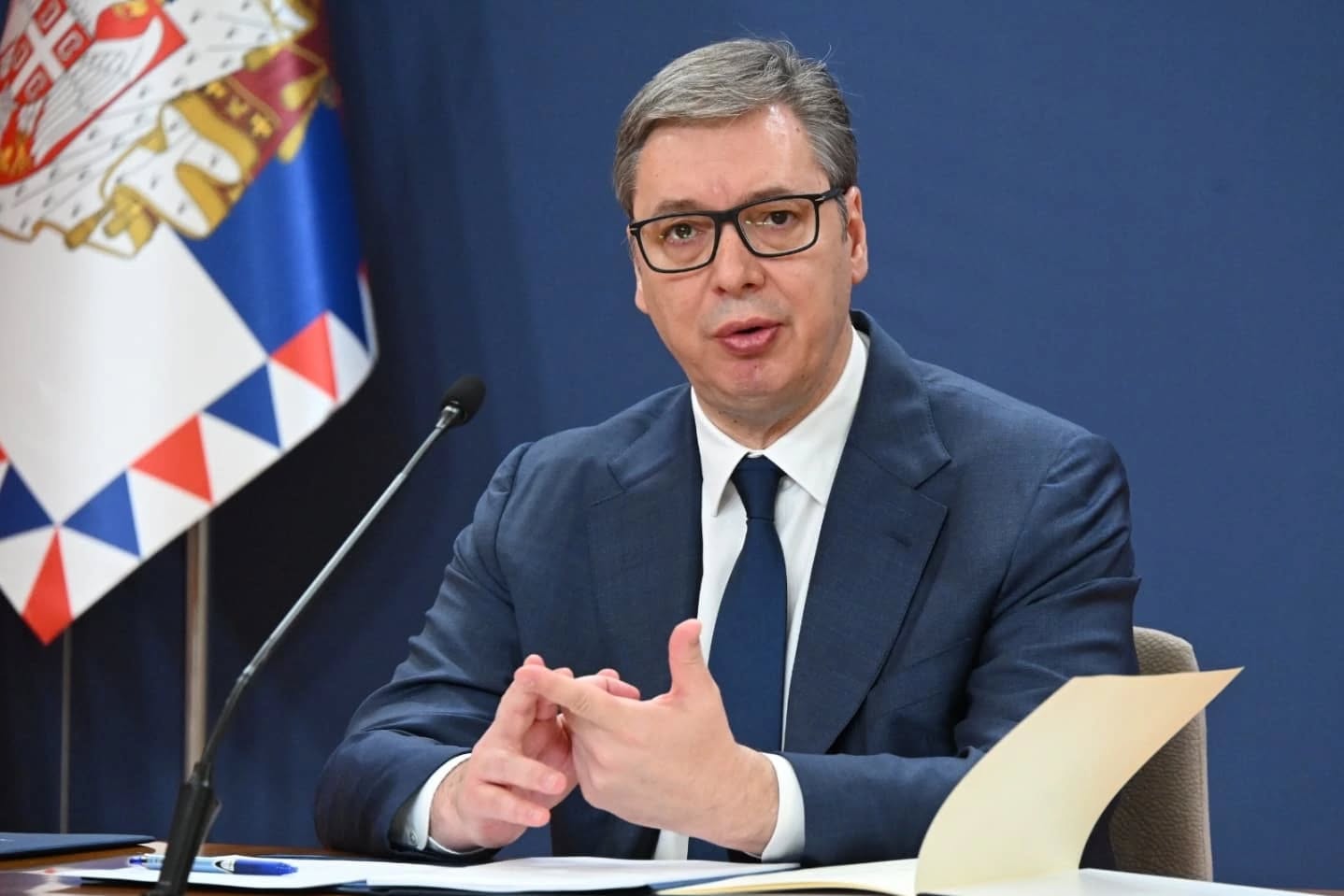
According to him, the potential peace agreement would obligate not only Kyiv and Moscow but also a significant part of the international community. One of the conditions for ending hostilities, Vučić claims, should be Ukraine’s rapid accession to the EU at the beginning of 2027.
Opposition from some EU countries and Orban’s stance
At the same time, the Serbian president noted that such a scenario could face resistance from certain EU member states. In particular, Poland, the Czech Republic, Hungary, and Slovakia may oppose it. He also suggested that if this plan is implemented, Ukraine’s EU accession procedures could be changed forcibly – contrary to the Union’s current rules.
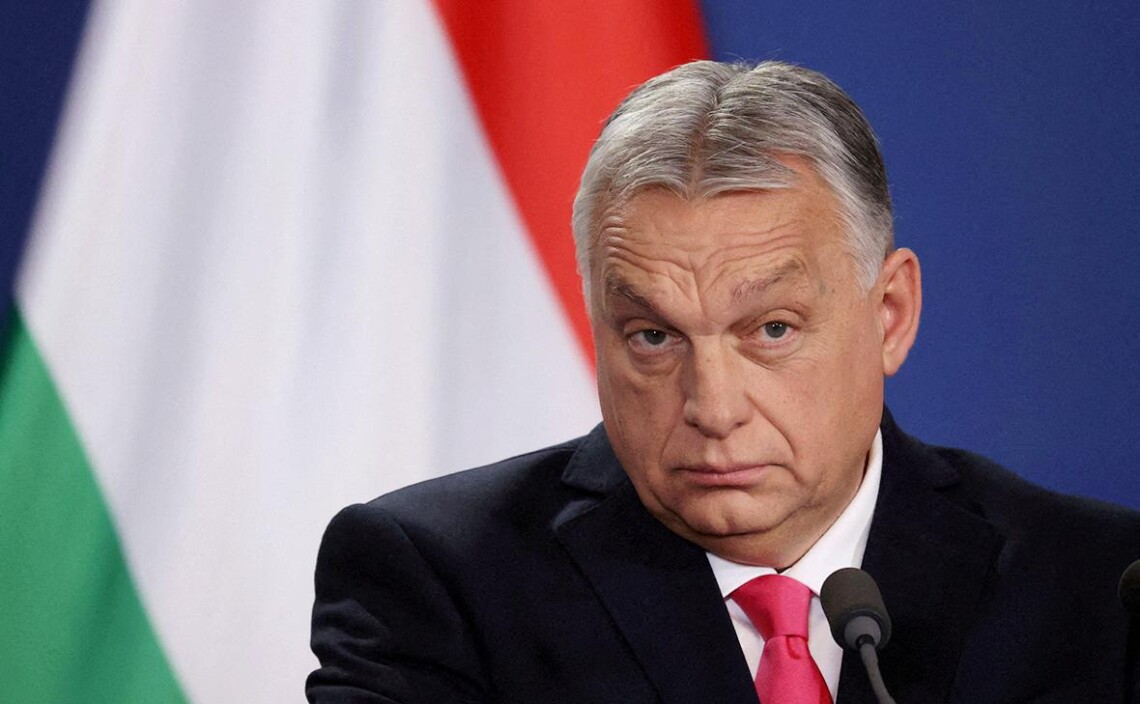
Hungarian Prime Minister Viktor Orban confirmed the existence of such a document but stated that he sees no real prospects for Ukraine’s accession to the EU in the near future and called possible EU enlargement financially burdensome for Europe.
Ukraine’s position and signals from Brussels
Ukrainian President Volodymyr Zelensky, in turn, stated that Kyiv is technically ready to open all negotiation clusters for EU accession already in the first half of 2026 and views full membership in 2027 as part of future security guarantees. He emphasized that the specific accession date should be enshrined in the agreement on ending the war.
However, there are no other official confirmations of these statements, including from the European Union. According to unofficial media reports, the European Commission presented a confidential document at one of the recent summits, which foresees Ukraine’s EU accession in 2027 through a simplified procedure, as well as large-scale financial support for Kyiv totaling over one trillion euros in aid, investments, and guarantees.
Procedural barriers and alternative integration scenarios
Earlier, Brussels repeatedly emphasized that EU enlargement is based on meeting established criteria and formal stages of the negotiation process.
At the same time, alternative integration models are being considered in Brussels, including two-stage membership with limited voting rights, which could allow Ukraine to join European structures faster within the framework of a potential peace agreement.
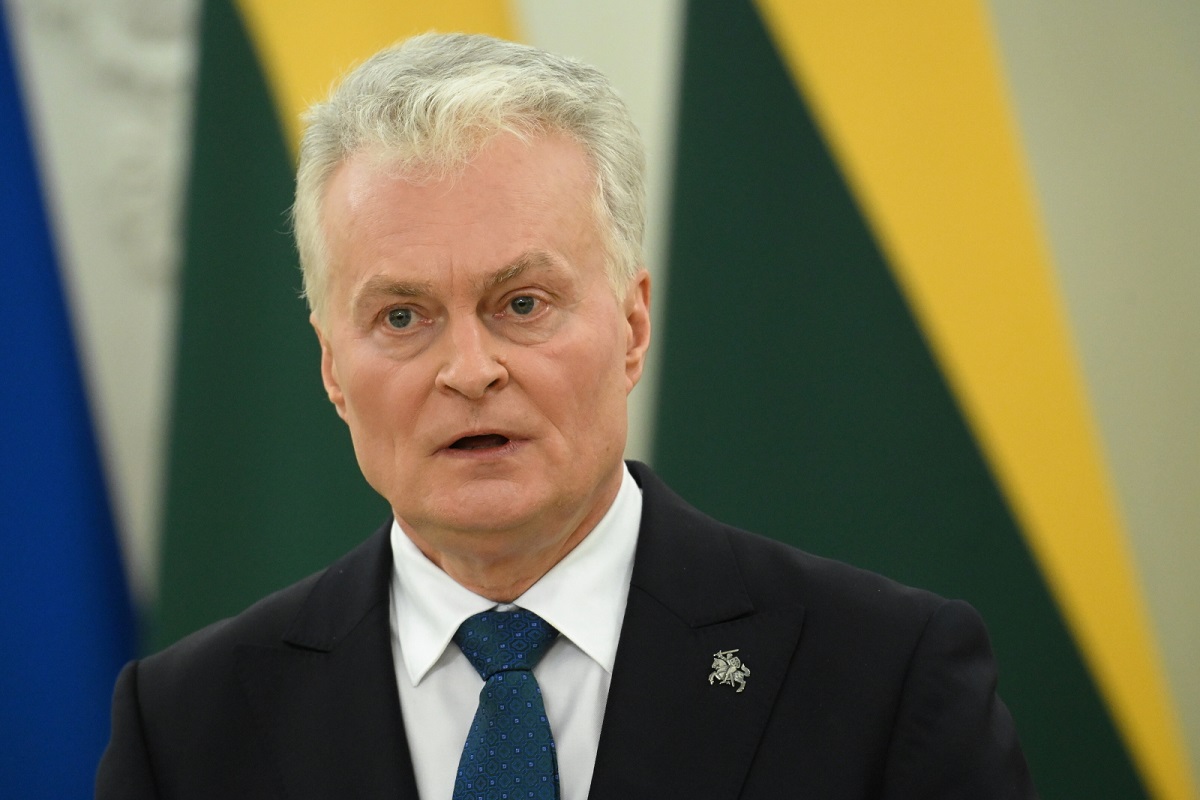
Support for Ukraine’s European perspective is also expressed by some EU leaders. In particular, Lithuanian President Gitanas Nausėda stated that he aims to see Ukraine as an EU member no later than 2030 and promised to promote this during Lithuania’s EU Council presidency in 2027.
At the same time, a number of European officials and analysts emphasize that the current accession procedures involve completing dozens of reform stages, and Ukraine has not yet fully completed any of them.
Conclusion
Thus, the idea of accelerated EU accession for Ukraine in 2027 is increasingly appearing in discussions around a potential peace agreement, but for now remains at the level of unofficial statements and information leaks. Despite Kyiv’s readiness for the negotiation process and support from some European leaders, serious procedural and political barriers remain within the EU, which could complicate the implementation of such a scenario.