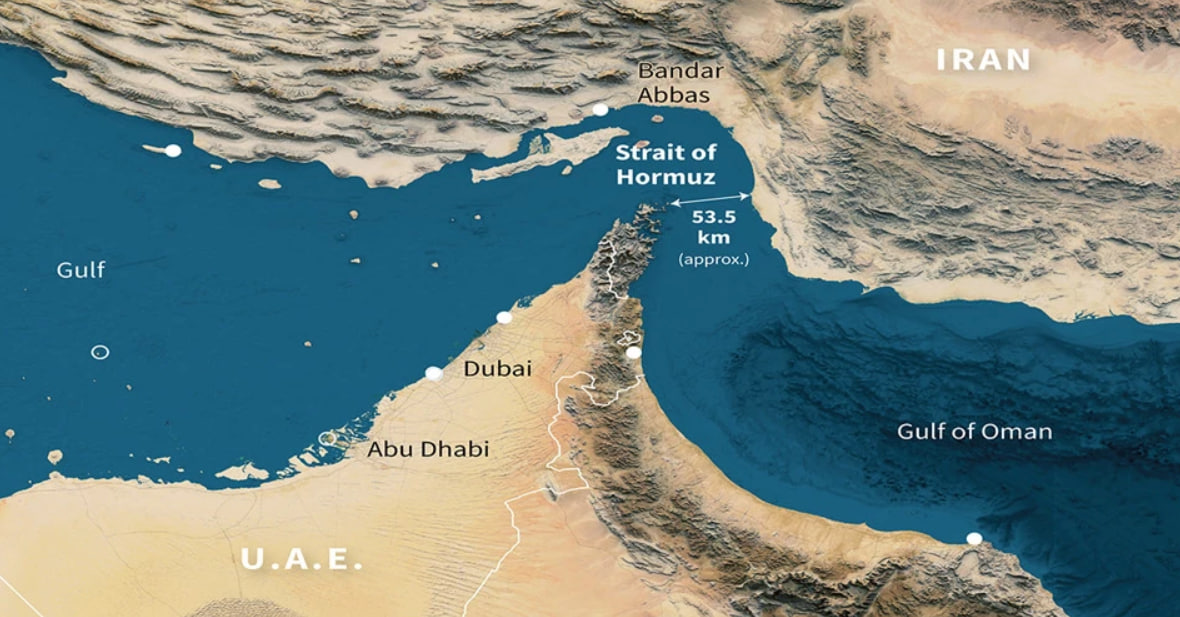


The United States and Iran are discussing a 45-day ceasefire. If successful, the next step could be a broader deal to reopen the Strait of Hormuz and address Iran’s enriched uranium. Meanwhile, Bahrain has suggested opening the strait by force.
Ceasefire Talks
The US, Iran, and regional mediators are negotiating a possible ceasefire. It would last 45 days and could pave the way to ending the war. Axios reports this, citing four sources from the US, Israel, and the region familiar with the talks.
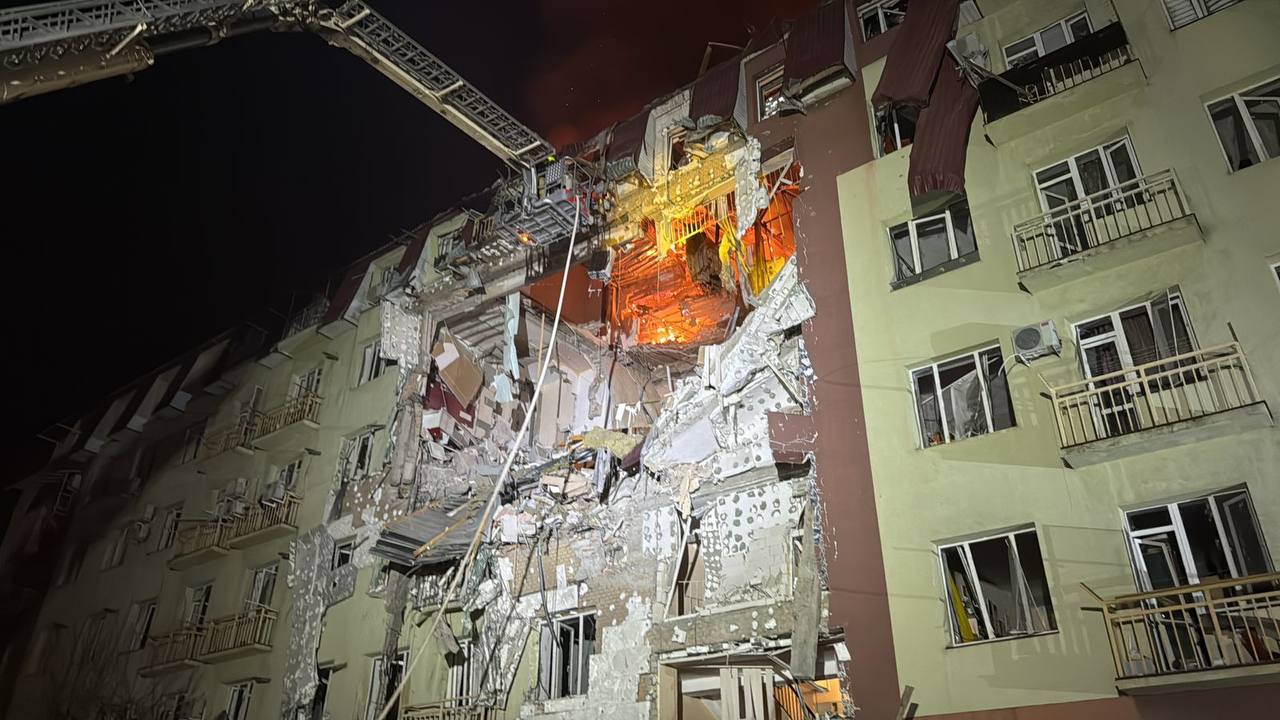
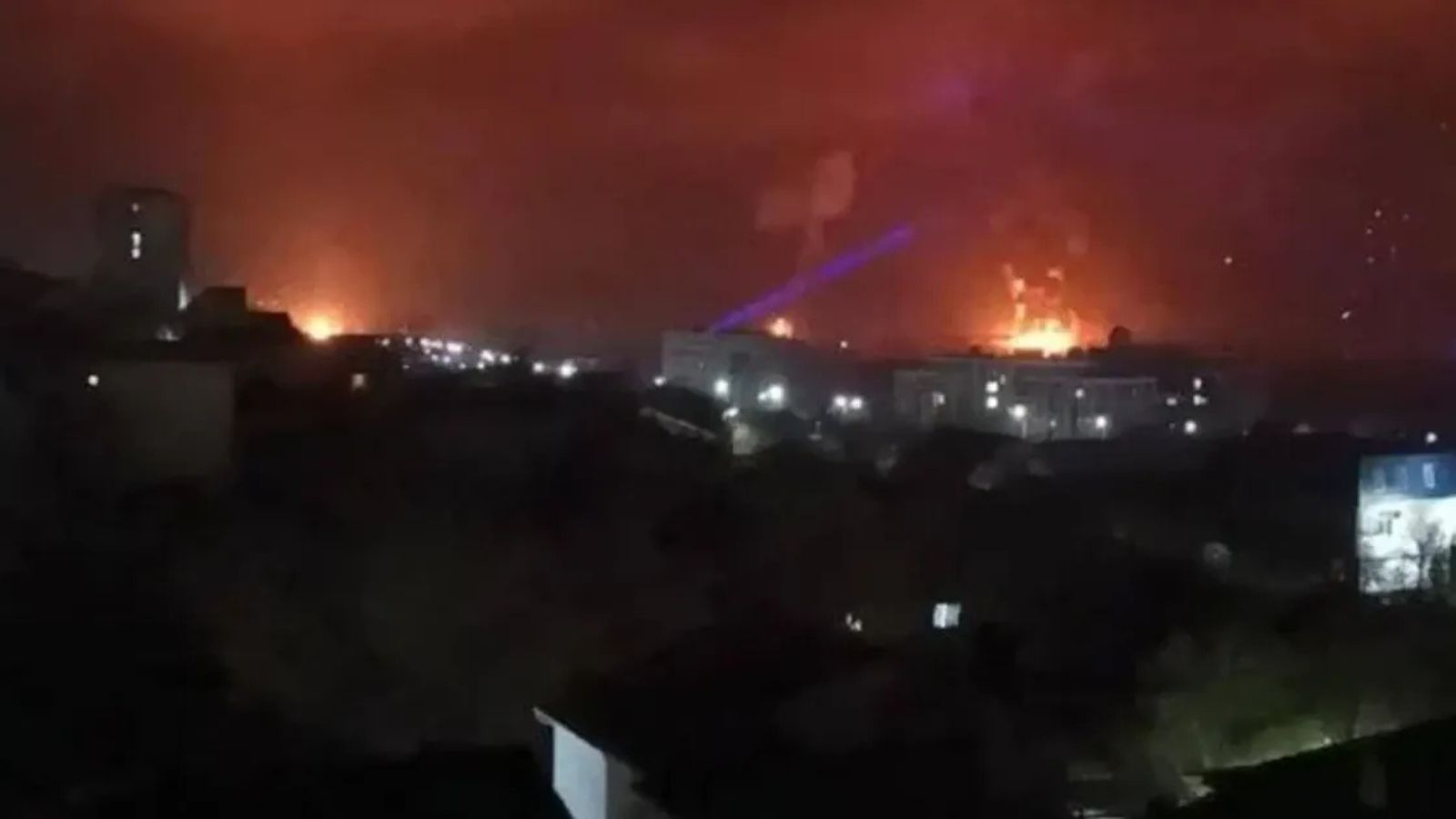
However, a partial deal within the next 48 hours looks unlikely. Still, the talks offer a chance to avoid a sharp escalation. Otherwise, the conflict could intensify quickly. That would likely mean large-scale strikes on Iran’s civilian infrastructure. In response, Iran could target energy and water facilities across Gulf countries.
Earlier, Donald Trump set a 10-day deadline for Iran to decide. It was due to expire on Monday evening, April 6. However, on Sunday, he extended it until the end of Tuesday, April 7. In a comment to Axios, he said:
“There is a good chance, but if they don’t make a deal, I am blowing up everything over there.”
Negotiation Details
According to diplomatic sources, Pakistan, Egypt, and Turkey act as mediators. At the same time, talks continue via text messages between Trump’s envoy, Steve Witkoff, and Iran’s Foreign Minister, Abbas Araghchi. So far, the Trump administration has offered several proposals, but Iran has not accepted them.
The sides are considering a two-phase deal. First, a 45-day ceasefire. Then, a broader agreement to end the war. According to sources, mediators believe a final deal could fully reopen the Strait of Hormuz. In addition, it would address Iran’s stockpile of highly enriched uranium. Options include removing it from Iran or diluting it.
At the same time, mediators are working on confidence-building steps from Iran. These focus on reopening the strait and handling uranium reserves.
“These two issue are Iran’s main bargaining chips in the negotiations and the Iranians will not agree to fully give up on them for only 45 days of ceasefire,” the outlet reports, citing sources.
Meanwhile, mediators are also shaping steps from the US side. These could meet some of Iran’s demands. The White House declined to comment.
Bahrain’s Proposal
On April 2, Abdullatif bin Rashid Al Zayani called on the UN Security Council to back a draft resolution prepared by Bahrain. The document aims to protect commercial shipping in the Strait of Hormuz and nearby waters.
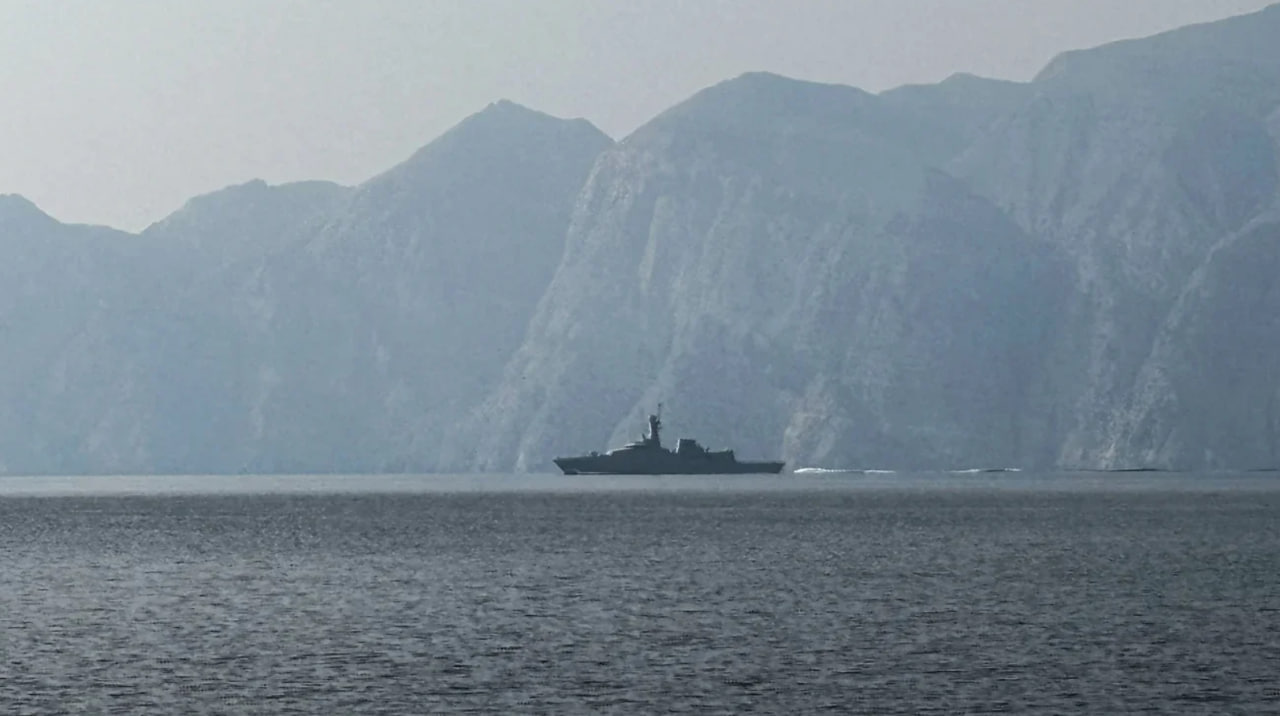
Bahrain proposes allowing the use of “all necessary means” to secure oil tankers. The minister said Iran’s “unlawful and unjustified attempt to control international navigation in the Strait of Hormuz” threatened the interests of nations and peoples around the world and “requires a decisive response.”
Earlier, The Ukrainian Review reported that Trump had set a 48-hour deadline to reopen the strategic waterway. He warned that failure to comply could lead to strikes on key Iranian facilities.