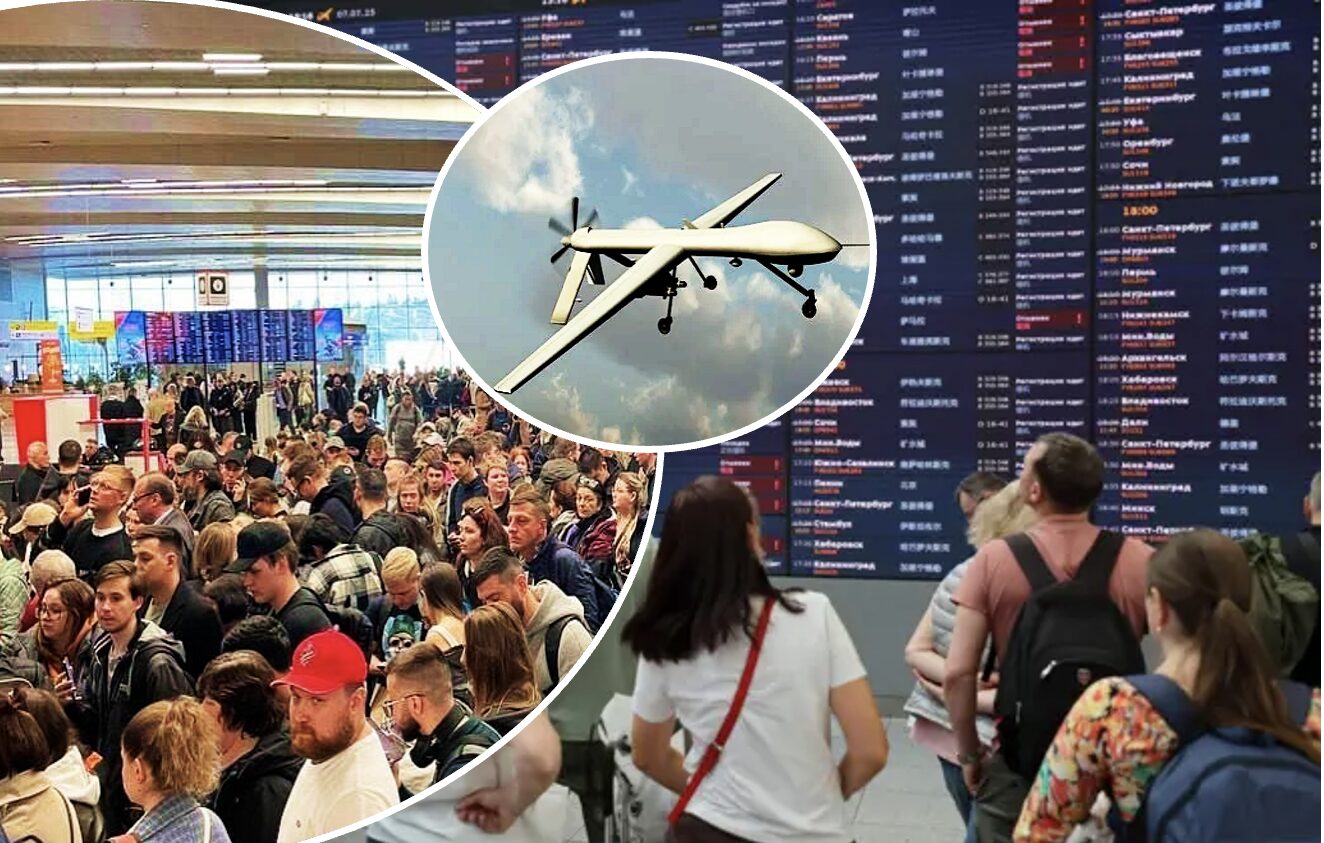


Since the start of 2026, Ukrainian drones have been appearing over Moscow on a daily basis, according to Russian officials. Reuters reports this after analysing statements from Russia’s Ministry of Defence. The ministry claims that in the first days of the year alone, air defence systems allegedly destroyed dozens of drones over Moscow and the surrounding region. This points to a shift in the nature of Ukrainian attacks—from single strikes to systematic ones.
Growing Psychological Pressure
As Reuters notes, earlier Ukrainian strikes on Moscow tended to be isolated incidents. They were often timed to symbolic dates and were largely seen as demonstrative acts. Now, however, the dynamic appears to be changing. Russian defence officials say Ukrainian drones have been detected over the Moscow region every day since the beginning of the year, with air defences allegedly intercepting more than fifty unmanned aerial vehicles in a single day.
Ukrainian authorities have not officially commented on these reports. However, Kyiv has previously explained its rationale for strikes deep inside Russian territory. The goal is to weaken military logistics. Another aim is to damage energy infrastructure. These attacks are also meant to make the war more costly for the Kremlin through economic losses.
Airports, Delays and Empty Skies
The most tangible consequence of the drone attacks has been the effective paralysis of civilian aviation.
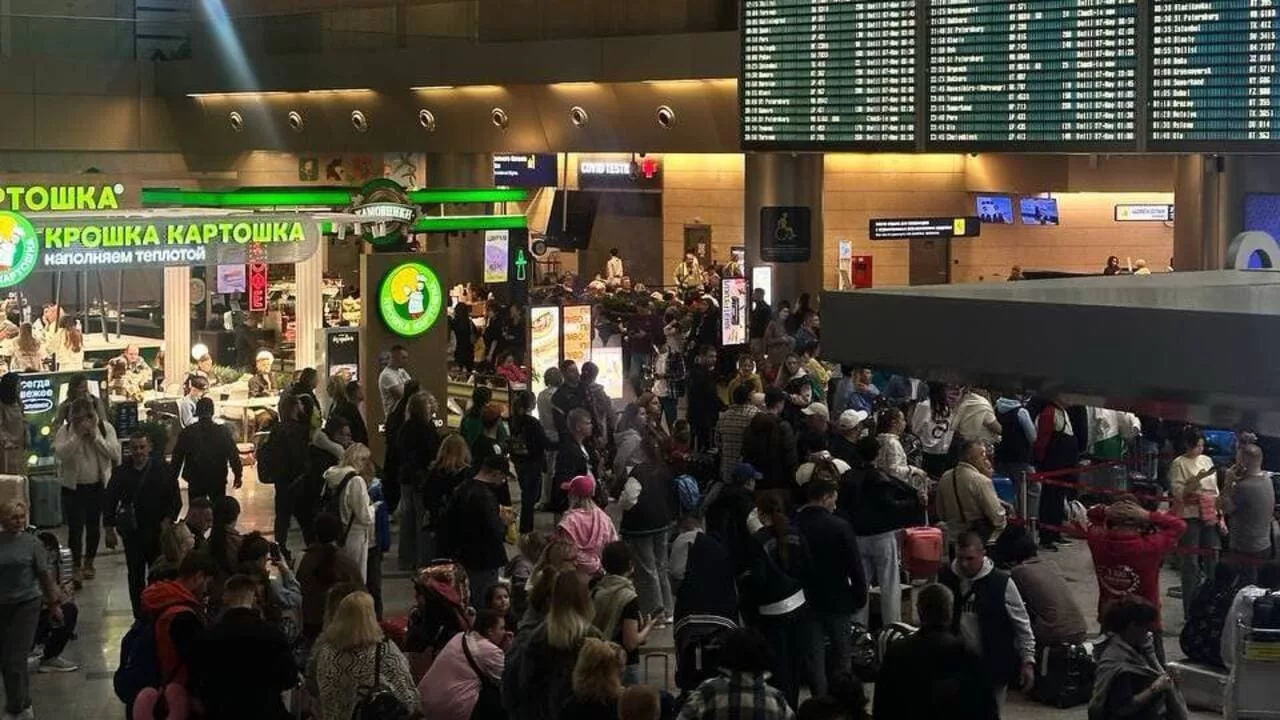
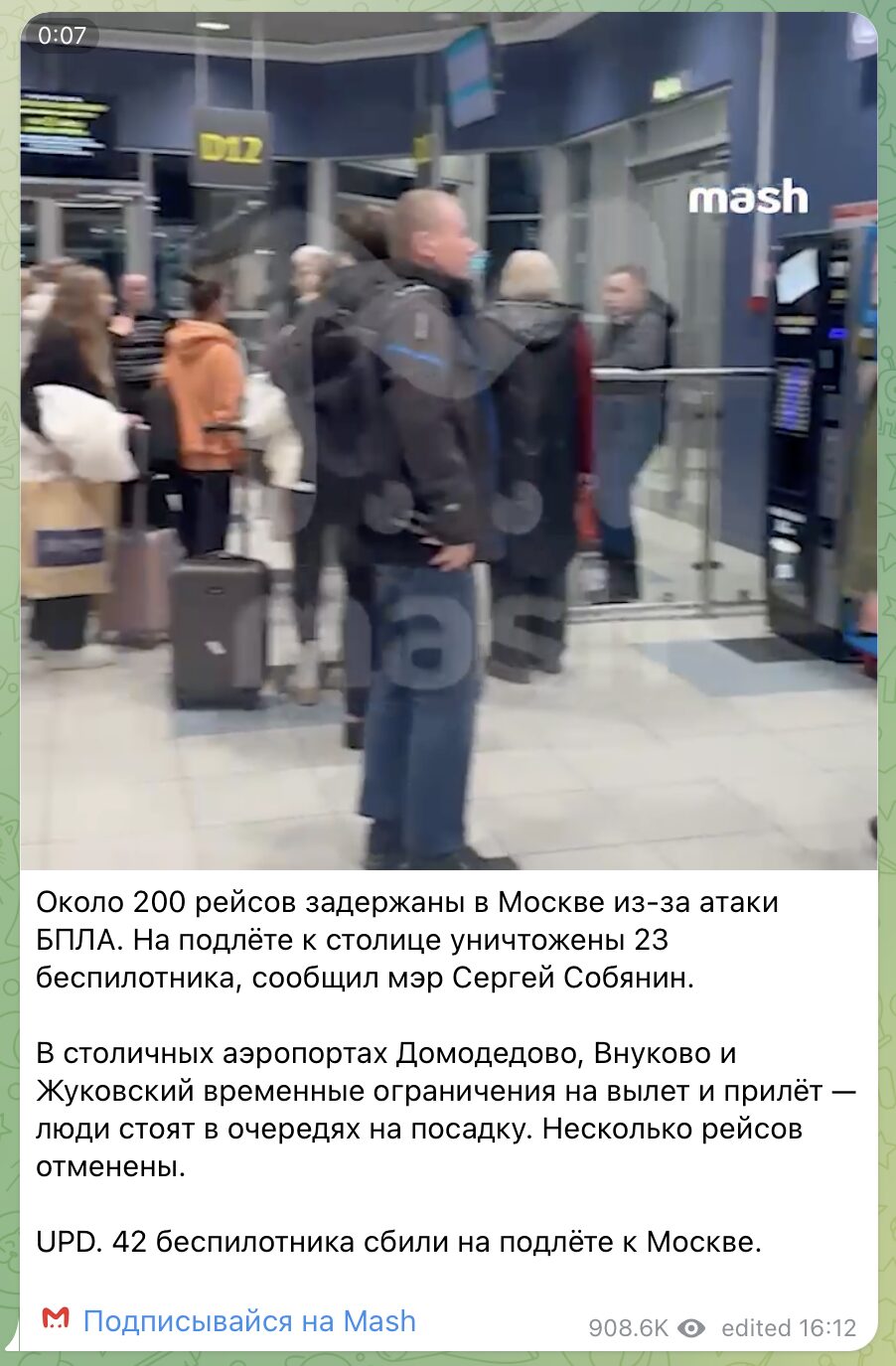
Russia’s Federal Air Transport Agency, Rosaviatsiya, regularly reports temporary restrictions at Moscow’s major airports—Vnukovo, Domodedovo and Zhukovsky. According to Russian media, around 200 flights were delayed in the Russian capital on 4 January alone, with several others cancelled outright.
A similar situation unfolded the day before. Following a drone attack, roughly 50 flights were delayed at Vnukovo, and some aircraft were diverted to other airports. At the same time, flight-tracking services such as Flightradar showed an almost completely empty sky over Moscow.
Holidays Under Sirens
Notably, the surge in attacks has come during one of Russia’s busiest travel periods—the extended New Year and Christmas holidays, which run there until 9 January. Millions of Russians travel domestically and abroad during this time. As Reuters points out, repeated disruptions to air travel are affecting not only passenger convenience but also the economy, tourism and perceptions of security in the capital region.
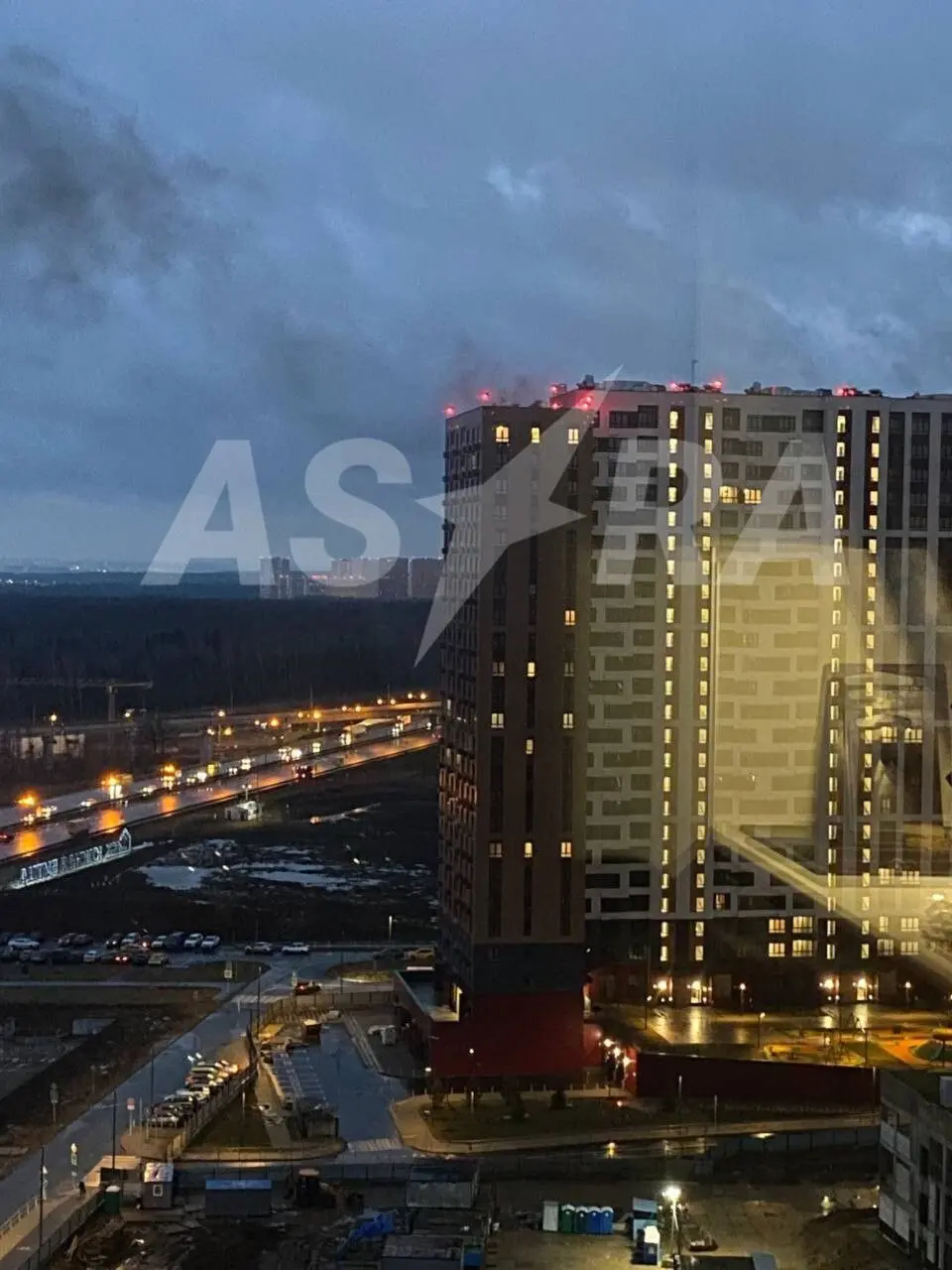
Moscow Mayor Sergei Sobyanin has regularly reported “successful interceptions” of drones in recent days. He has not specified where debris fell. He also has not said whether any damage occurred. Russian authorities usually report only the number of drones they claim to have shot down. They rarely give details about the actual consequences. They do so only if civilians are killed.
Is Moscow Still a Safe Rear?
According to calculations by Russia’s state news agency RIA Novosti, Russian air defences intercepted more than 1,500 Ukrainian drones over Russian territory and the temporarily occupied Crimean Peninsula in just one week. Over the past two years, Ukrainian drones have most frequently targeted Russian oil refineries and energy infrastructure.
Ukraine’s General Staff has previously said such strikes are part of a systematic strategy to reduce Russia’s military potential and pressure Moscow to end its aggression against Ukraine.
Conclusions
Daily drone attacks are gradually reshaping perceptions of security in the Russian capital. Even without official comments from Kyiv, it is clear that for the Kremlin this is less a military blow than a significant psychological challenge. Closed airports, mass flight delays and constant air alerts—especially during the holidays—increasingly demonstrate that the war is edging closer to the everyday lives of ordinary Russians.
At the same time, these strikes are not decisive on their own. Their impact is cumulative: rising costs, pressure on air defences, and a weakening sense of stability. Whether this will prompt Moscow to reconsider its strategy—including at the negotiating table—remains an open question. What is clear, however, is that Moscow is starting to look far less like an untouchable rear.