

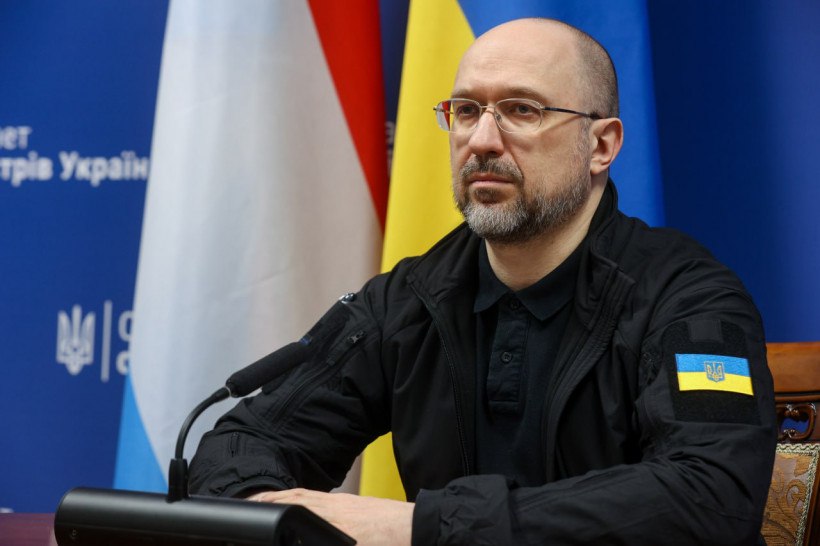
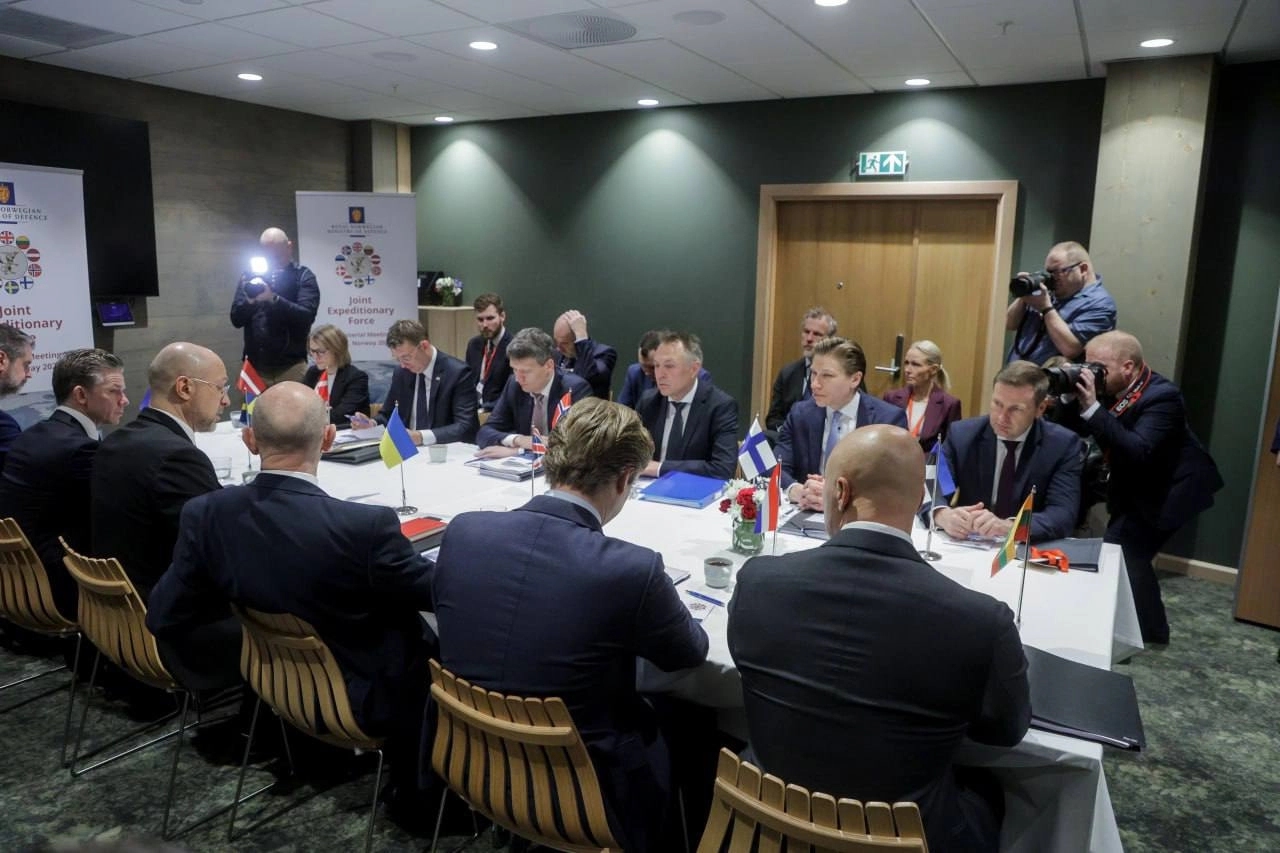
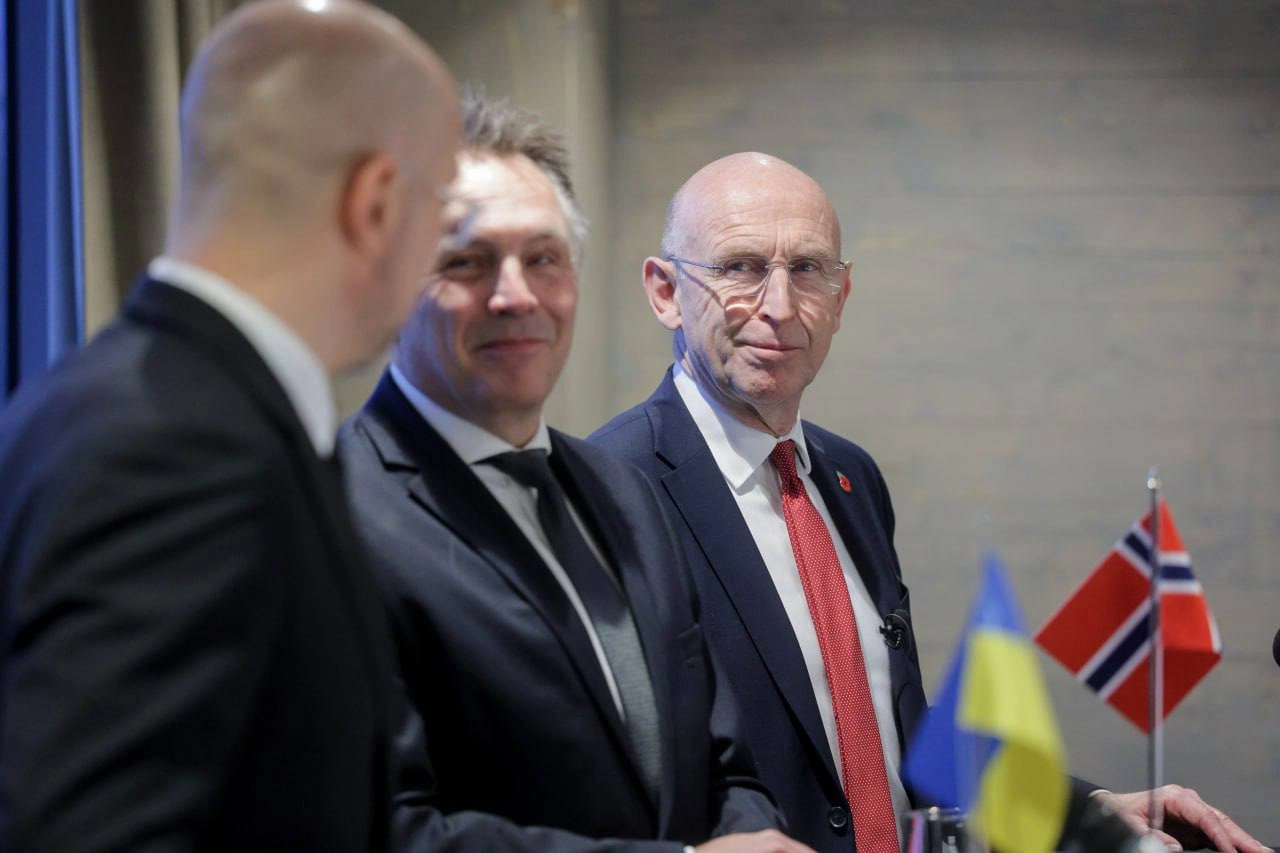
Ukraine has been granted enhanced partner status in the Joint Expeditionary Force (JEF). It is the first time a state outside the alliance receives this level of participation. Minister of Defense of Ukraine Denys Shmyhal announced this the day before. For Ukraine, this marks a new stage of integration into Europe’s security system, where cooperation shifts from symbolic partnership to practical defence interaction.
“I am grateful to Norway for hosting today’s meeting, to the United Kingdom for its consistent leadership, and to all JEF participants for their steady support and commitment to our shared goal. Together, we will be able to deter aggression, protect our people, and ensure a peaceful and stable Europe for future generations,” noted Shmyhal.
JEF and Ukraine: Why This Status Matters
The Joint Expeditionary Force was created with a mission to respond rapidly to threats in critical regions. The format originated in the United Kingdom and officially began operating in 2015. Today, JEF unites nine Northern and Eastern European countries, led by the UK. Initially, the focus was on the Baltic region, the Arctic and the North Atlantic. But Russia’s full-scale invasion of Ukraine in 2022 expanded JEF’s role. The coalition has become a practical component of Europe’s defence architecture.
Ukraine now gains the right to take part in exercises, intelligence exchange, crisis scenario coordination, rapid response mechanisms and operational planning. In fact, it becomes part of the real security environment of Northern Europe, directly exposed to Russian threats. Moreover, JEF is a high-readiness coalition that operates autonomously. Its partnership is not tied to the pace of NATO’s decision-making. This allows for faster action.
Denys_Smyhal / Telegram
What Ukraine Gains — and What It Brings
Ukraine openly speaks about the need for access to technologies and production capacity. Joint European arms manufacturing is a pathway to long-term defence sovereignty. Therefore, extended partnership with JEF can reinforce Ukraine’s ability to operate together with partners in cases of crises, attacks or escalation at sea, in the air, cyberspace, etc.
At the same time, Ukraine enters JEF not as a country “to be supported”, but as a provider of unique combat experience. Over years of resisting Russia, Ukrainians have developed approaches to countering hybrid threats and long-range strikes. They have gained experience in complex air-defence scenarios, drone warfare and protection of critical infrastructure. Now they are ready to share these solutions with partners. Even despite shortages of resources and weapons, Ukraine clearly understands how these instruments work in real combat. Joint cooperation within the coalition creates real opportunities to apply and scale these approaches.
For allies, this means access to proven wartime cases. Therefore, Ukraine’s invitation is also an investment in JEF’s own resilience.

Conclusions
The new format of cooperation with JEF can be viewed as a political signal that Ukraine is becoming a future element of Europe’s new security architecture. The country moves from being a recipient of support to a participant shaping rules and capabilities. This expands the “circle of mandatory defence” around Ukraine and effectively makes Russia’s war a war against a broader regional system.
At the same time, this is not a guarantee of immediate decisions. But it is a strategic step forward, building a system in which Ukraine becomes an integral part.