

Ukraine may find itself in a “forever war” if Europe and NATO do not change their strategy of support. Former NATO Secretary General Anders Fogh Rasmussen and current NATO chief Mark Rutte are calling for decisive action — from deploying troops and air defence systems to actively engaging industry and financial resources.
Building a European Air Shield for Ukraine
As The Guardian writes, Rasmussen proposes creating an air defence system in the countries neighbouring Ukraine. It would help protect Ukrainian cities and infrastructure from Russian missiles and drones.
“We have to help the Ukrainians protect themselves against Russian missiles and drones by building an air shield helping the Ukrainians shoot down Russian missiles and drones. NATO countries neighbouring Ukraine can be the location for a NATO-based air defence and missile system,” Rasmussen states.
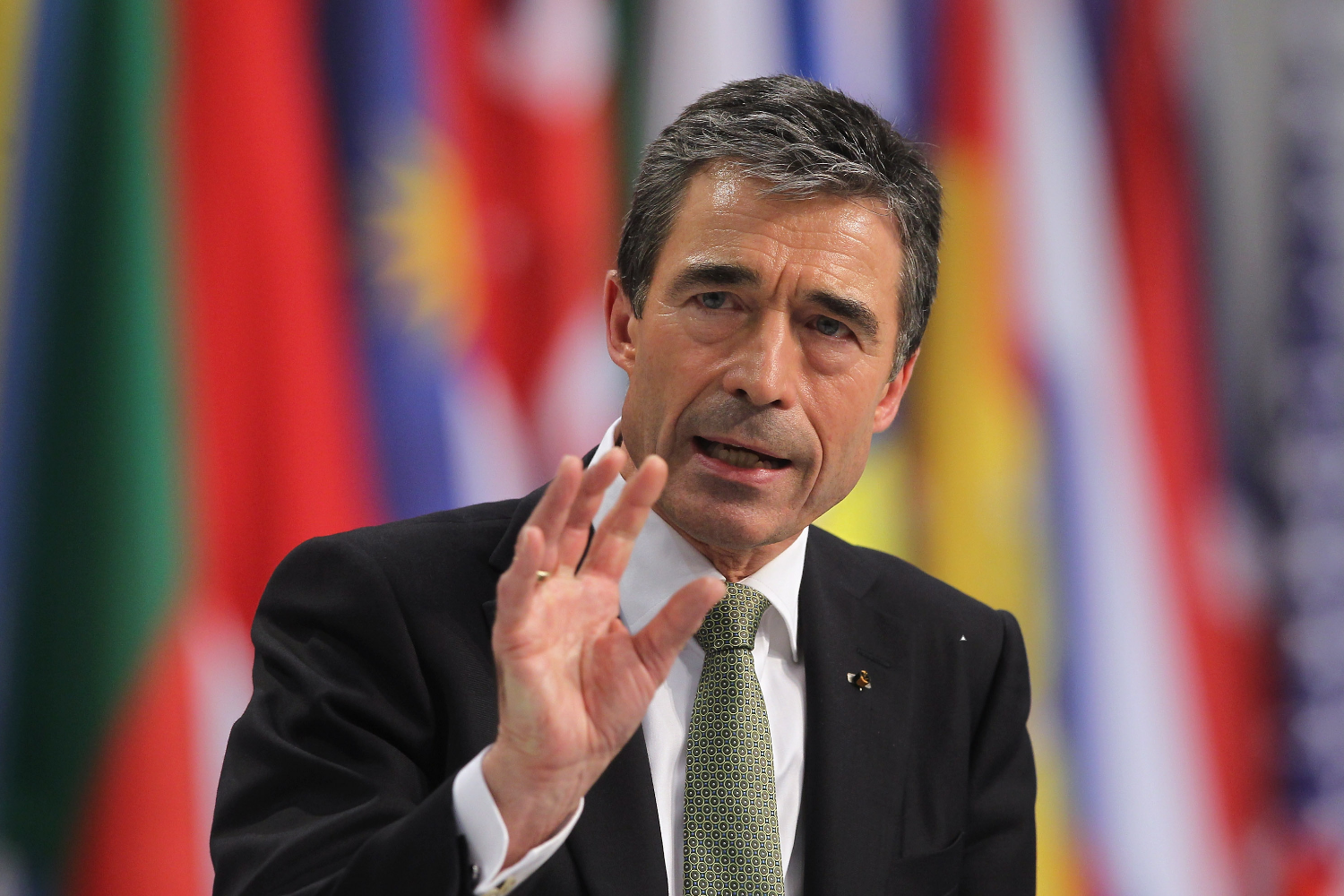
He also calls for deploying European troops on Ukrainian territory before any ceasefire is reached. According to him, as long as Putin believes in victory on the battlefield, peace talks are unlikely. Therefore, without rapid strategic changes, the conflict may drag on for years.
Funding the War Effort and Long-Range Strike Capability
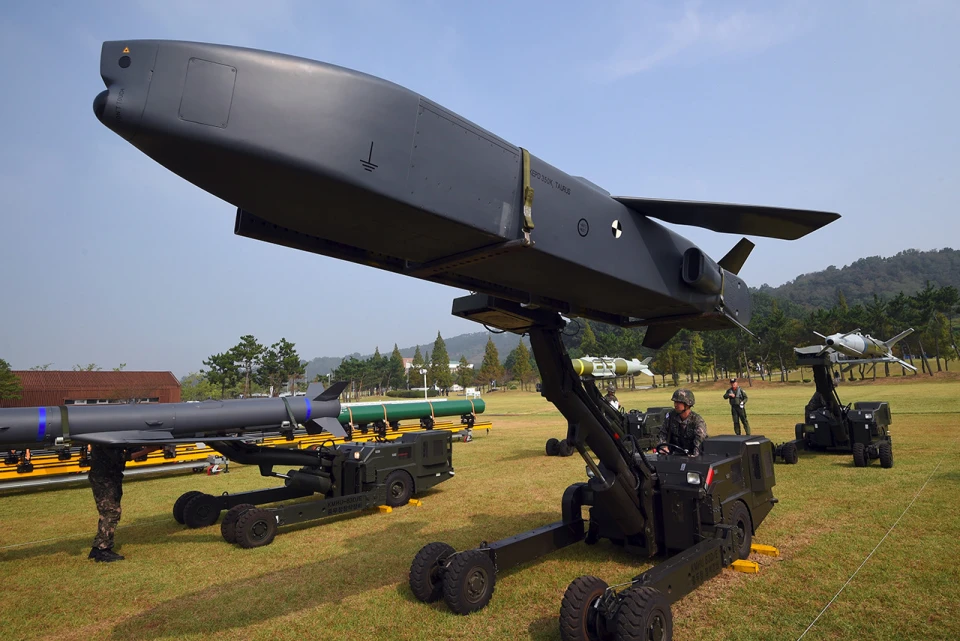
Rasmussen proposes using frozen Russian assets in Europe to fund weapons procurement and Ukraine’s reconstruction. In his view, this will put economic pressure on Moscow and help Ukraine defend itself. He also calls for giving Ukraine long-range missiles, including German Taurus, if Berlin becomes the “trailblazer”.
NATO–Industry Production Ramp-Up
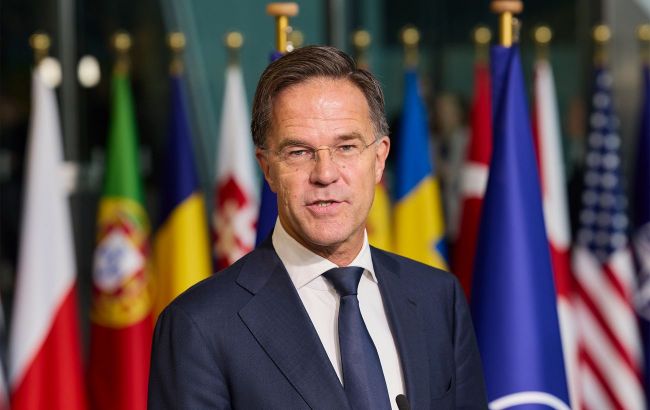
As the official NATO publication reported, NATO Secretary General Mark Rutte stressed the importance of cooperation between the Alliance and the defence industry. Rutte highlighted three key factors of success: quantity, creativity, and cooperation.
He recalled that until recently, Russia produced more ammunition than all NATO Allies combined. But the situation has changed. Dozens of new production lines are being launched in NATO countries, enterprises are being modernized, and weapons production rates are the highest in a decade. The Alliance now has the potential to produce more than Moscow.
“We are making more than we have done in decades. We need to build on this progress in other areas, from high end air defence and low-cost drone interceptors,” Rutte summed up.
Separately, he stressed that Russia is not acting alone. It is strengthening military cooperation with China, North Korea, Iran and a number of other countries that are trying to undermine the world order and are preparing for long-term confrontation. That is why NATO must not simply keep pace, but get ahead. Production of ammunition, air defence systems, drones must be rapidly increased, as well as support for innovative technologies.
This approach not only strengthens security, but also creates new jobs and stimulates the economy.
Conclusions
The current situation around Ukraine, in particular on the battlefield, shows that the threat from Russia will be long-term. Without decisive strategic changes from Europe and NATO, Ukraine risks losing territory, and Europe risks losing stability. The combination of military support, financial resources and technological innovation is becoming the key to security.
As Rasmussen notes, “changes in speed and mindset are needed.” And only bold and swift actions by the international community can stop the “forever war” scenario and create conditions for a real peace in Europe.