

Iraq has publicly refused to purchase Russian crude, and Ukraine has hit another major Lukoil refinery in the Nizhny Novgorod region. Together, these events have weakened one more part of Russia’s wartime energy stability. For Ukraine, this is both a signal and a chance: the Kremlin no longer looks untouchable, and the economic front is becoming a central pressure point. Below, we explain why this matters strategically — and what this shift may lead to next.
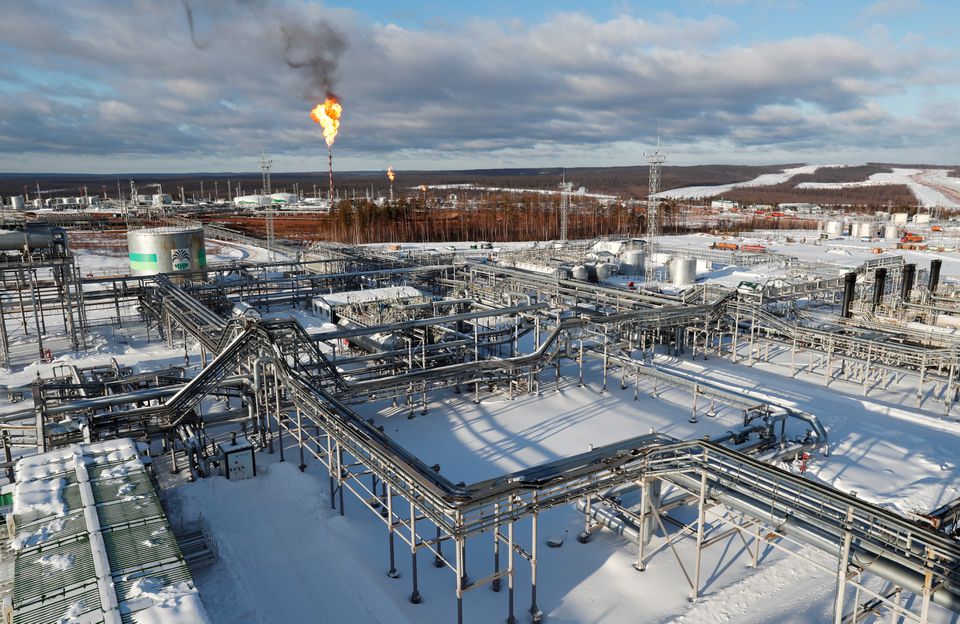
Russia Is Losing Leverage
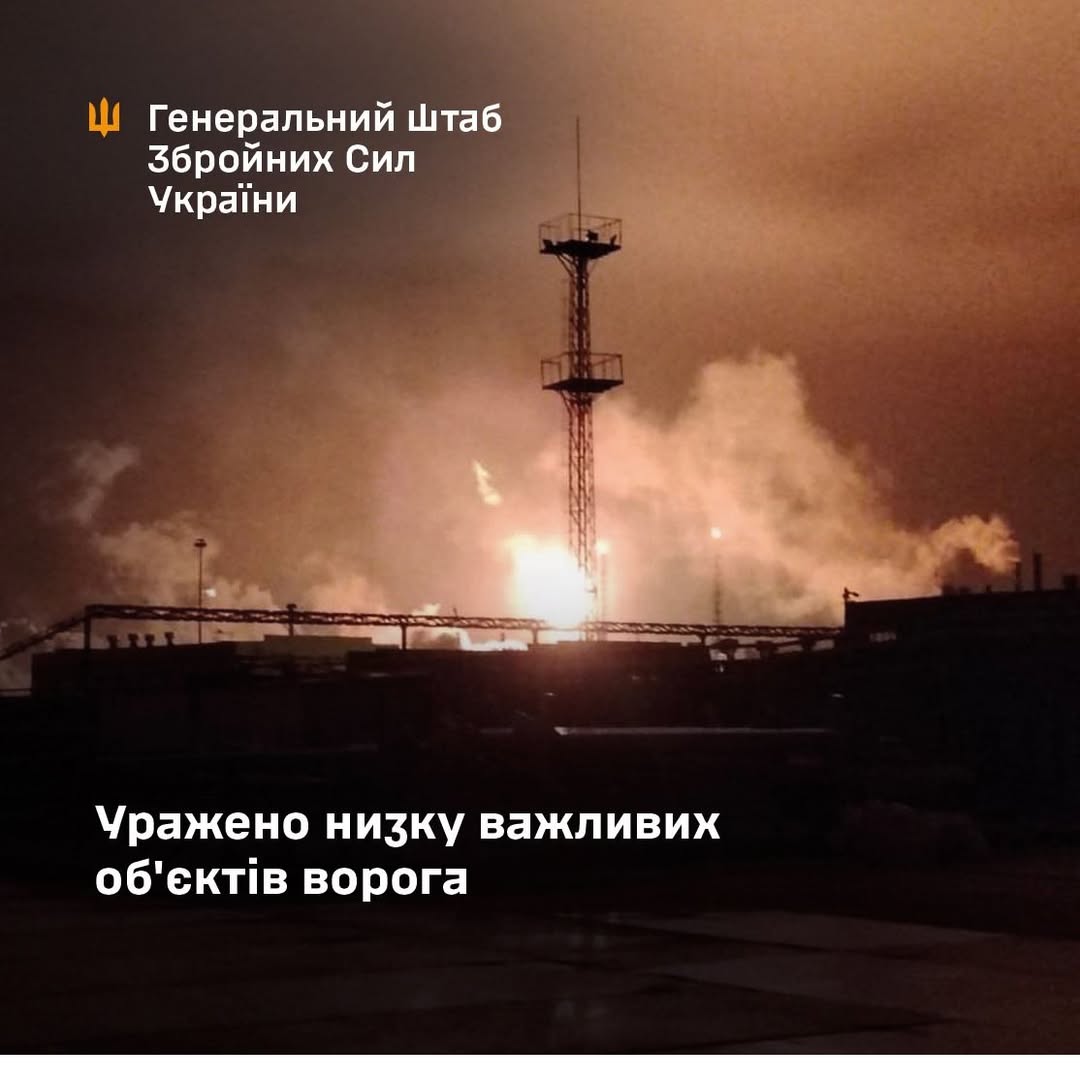
The Geography of Rejections Keeps Expanding
Russian oil exports are also shrinking. Iraq’s state-owned company Somo has refused three November shipments of Lukoil crude from the West Qurna-2 field, Reuters reports. The likely reason is sanctions risk after Lukoil was added to US and UK blacklists. Markets reacted immediately. Rosneft and Lukoil lost more than $5 billion in value in just two days after the new US sanctions were announced. Washington directly calls these companies those that “fund the Kremlin’s war machine.”
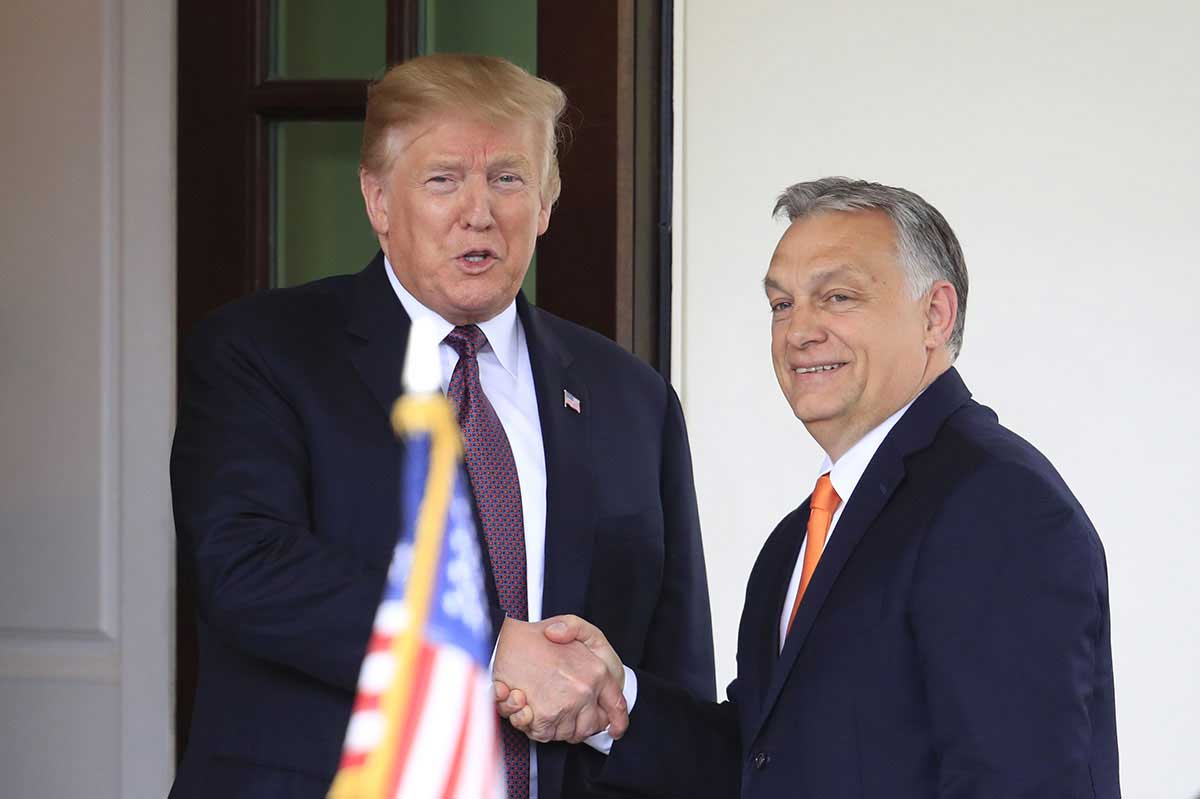
Other buyers are moving in the same direction. Turkish refiners STAR and Tupras are shifting to alternative suppliers to avoid secondary sanctions. Bulgaria has suspended fuel exports because of restrictions. Chinese refineries are already cutting purchases, and both India and Iraq show that the risk of secondary sanctions is now higher than the benefit of Russian contracts. Meanwhile, Hungary, according to The Telegraph, still openly defends its reliance on Russian oil. Budapest remains Moscow’s most comfortable partner inside the EU and criticizes Washington’s tougher sanctions approach.
Conclusions
Sanctions are having a real impact: Russia is losing partners, logistics routes and markets step by step. President Volodymyr Zelensky said that sanctions against just Lukoil and Rosneft could cost Moscow more than $50 billion a year. More sanctions are expected.
The combination of targeted strikes on energy infrastructure and rising external pressure is creating a “double scissors” effect for the Kremlin. Domestic production is becoming less stable. Export routes are shrinking. Russia’s oil leverage, which for years worked as a foreign influence tool, is steadily losing strategic weight. And the longer this continues, the faster Moscow will lose the resources to sustain the war. Still, it is too early to celebrate — because despite economic shifts, the battlefield situation, especially near Pokrovsk, continues to escalate.