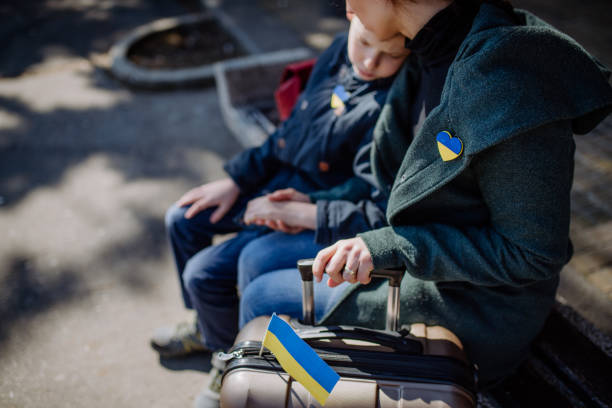


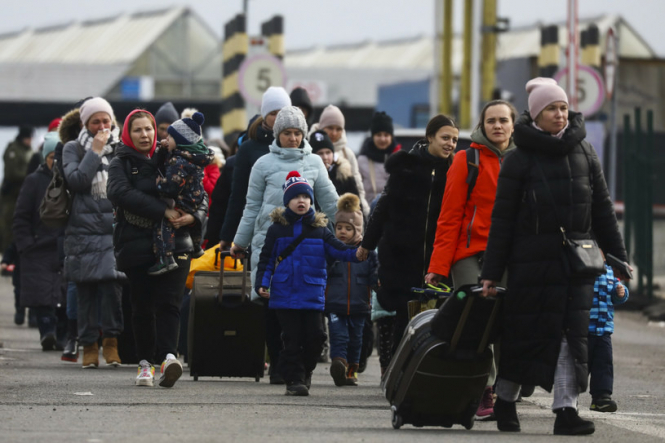
Ukrainians living in the Czech Republic may soon face changes in social support. The new government plans to reduce payments for those who can support themselves. This was reported by Novinky.cz. According to recent data, around 400,000 Ukrainians currently live in the Czech Republic. This makes the country the EU leader by the share of Ukrainian displaced people relative to its population. The outlet notes that since the beginning of autumn, over three thousand people have been arriving every week. This is twice as many as in previous months.
Background of the changes
The Czech Interior Ministry says the main reasons for the reform are high pressure on the budget and Ukraine’s permission for men aged 18–22 to leave the country. Temporary protection has been extended until March 2027. However, the government plans to keep social assistance only for elderly people, persons with disabilities, and mothers with children. For working-age Ukrainians who are not employed, authorities may recommend actively seeking work and supporting themselves financially.
At the same time, this shift is not unique to the Czech Republic. Similar debates and adjustments are happening in several EU countries amid growing budgetary pressure, rising migration flows and a new phase of the war.
New Government’s Political Impact
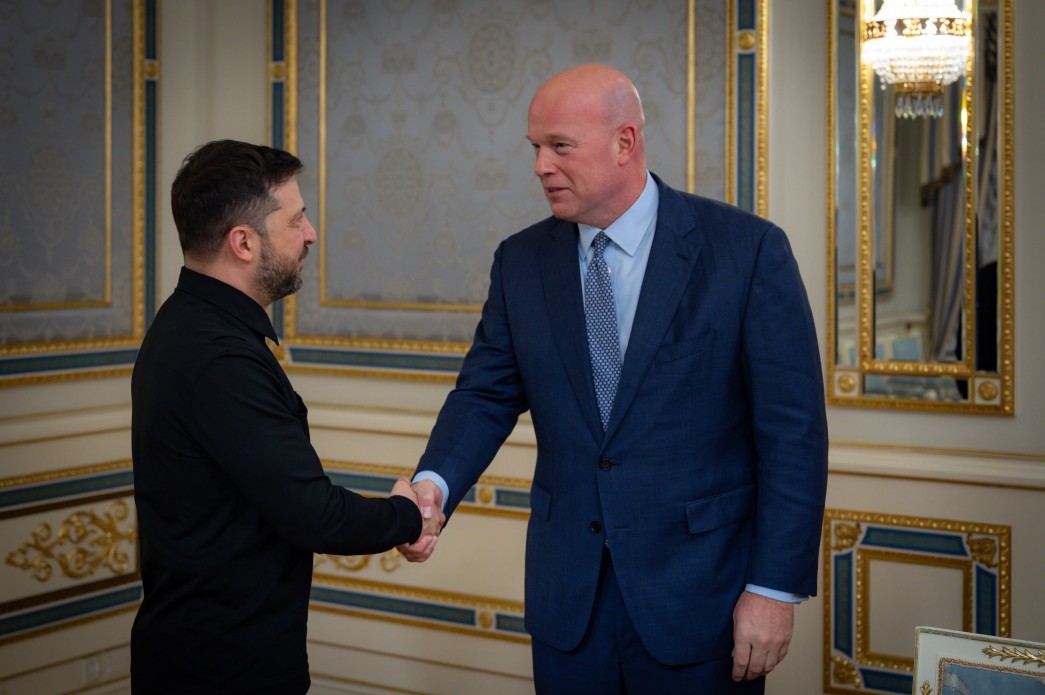
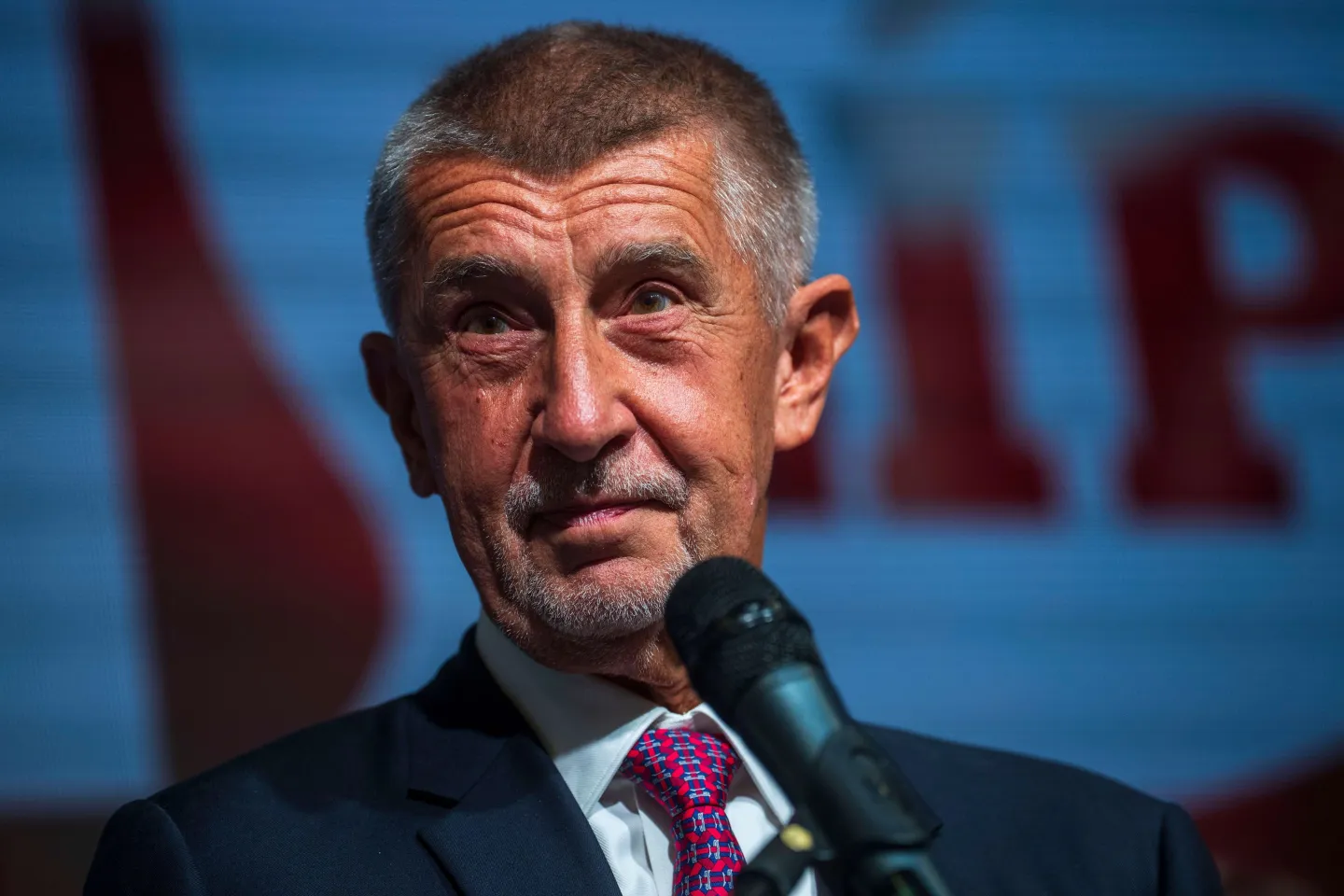
The leader of the ANO movement, Andrej Babiš, who served as Czech prime minister from 2017 to 2021, could return to lead the government after his party’s victory in the parliamentary elections on October 3–4, 2025. President Petr Pavel officially tasked Babiš with forming a new cabinet.
Babiš announced plans to form the government by mid-December and has already signed a coalition agreement with the far-right SPD and the Motorists parties. The cabinet will consist of 16 ministers. The speaker of the Chamber of Deputies could become SPD leader Tomio Okamura, who has been criticized for anti-Ukrainian statements.
In addition, Babiš’s return to power could shape the broader political context regarding the Russia-Ukraine war. He actively promotes the idea that European sanctions against Russia harm the Czech economy, calls for reducing aid to Ukraine in favor of domestic priorities, and supports a more independent policy from the EU. At the same time, at the start of the full-scale war, ANO backed Czech assistance to Ukraine.
Despite high-profile scandals in the past, Babiš still retains support from a segment of the electorate, and the election results show that this group favors more decisive and direct political actions.
Conclusion
Both the reform of social assistance and the formation of the new government show that the Czech Republic is at a crossroads regarding Ukraine. On the one hand, reducing support for able-bodied displaced persons may accelerate integration. At the same time, the new coalition with right-wing partners raises questions about long-term support for Kyiv. Public initiatives and coordinated international aid programs remain key to stability. However, the future policy of Babiš and his coalition will need close monitoring. This is especially important in terms of its impact on support for displaced Ukrainians and on military assistance to Ukraine.