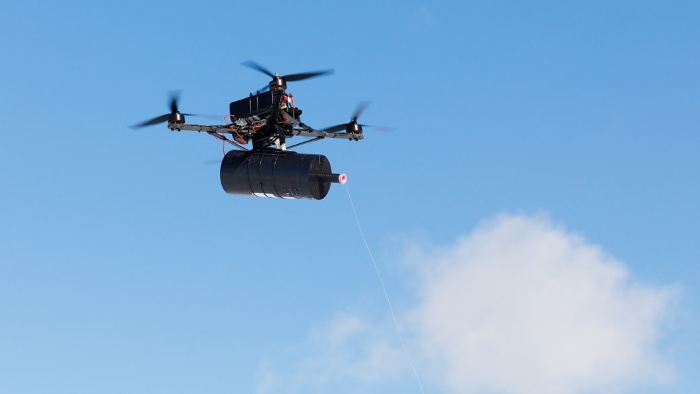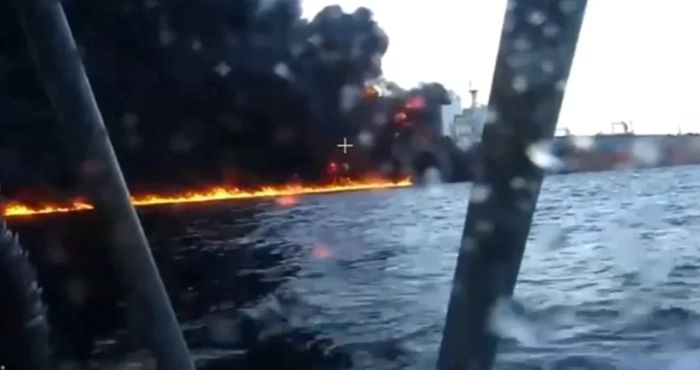


On November 29, Sea Baby naval drones of the Security Service of Ukraine struck tankers KAIRO and VIRAT in the Black Sea. Both tankers belong to Russia’s expanding shadow fleet, which Moscow uses to bypass restrictions and continue exporting oil. The strike sparked a reaction among Kazakhstan’s and Turkey’s foreign ministries. Kazakhstan argued that the incident “damages bilateral relations between the Republic of Kazakhstan and Ukraine” and stressed concerns about the safety of infrastructure connected to the Caspian crude flows. Turkey also reacted quickly. It stated that the event took place inside its exclusive economic zone and created “serious risks to navigation, life, property, and the environment.”
Kazakhstan’s economic dependency on Russia
Kazakhstan focuses on the attack itself, yet it closes eyes on the deeper issue behind its frustration. The country depends heavily on Russian-controlled infrastructure.
In 2024, Kazakhstan produced roughly 88.4 million tons of oil. It exported about 68.8 million tons, and 55.4 million tons traveled through the Caspian Pipeline Consortium to the Russian port of Novorossiysk. Most Kazakh oil physically moves across Russian territory or relies on infrastructure Moscow dominates. Russia benefits from this system because it collects transit fees, keeps control over flows, and influences decisions inside Kazakhstan’s energy sector.
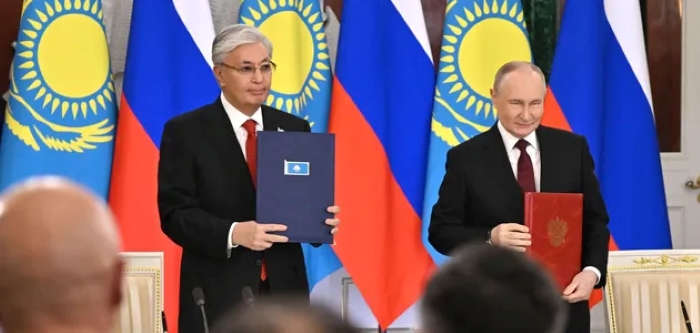
Kazakhstan tries to show balance. Officials often stress that diversification remains a strategic goal and point to the route through Baku–Tbilisi–Ceyhan, as well as growing exports to China. However, real progress remains limited. Russia still holds the strongest position in Kazakhstan’s export geography, and Astana cannot risk a sharp confrontation. After Russia launched its full-scale invasion of Ukraine, Kazakhstan publicly reaffirmed support for Ukraine’s territorial integrity and refused to recognize the so-called “L/DPR.” Still, Astana declined to join most Western sanctions, arguing that strict limits on Russia would damage the Kazakh economy and endanger national security.
Russia’s shadow fleet and its impact
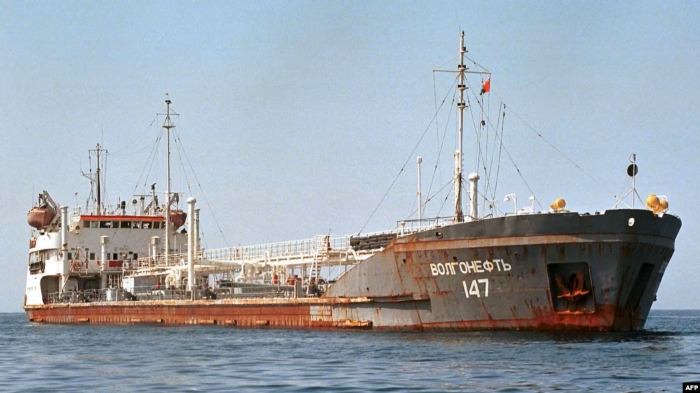
The shadow fleet plays a crucial role in Russia’s ability to continue financing its war. Moscow uses these tankers to evade sanctions, hide ownership structures, and shift oil through alternative routes. By 2025, it is estimated that this fleet accounts for around 17% of the global tanker market. Its size keeps increasing. At the end of 2024 and the beginning of 2025, there are more than 900 vessels in this category. This number is about 45% higher than at the start of 2024 and reflects Russia’s rapid investment in opaque logistics.
More than 60% of Russia’s maritime oil exports in 2024 relied on this fleet. Russia earns more than €80 billion a year from maritime exports, including €57 billion from crude oil and about €26 billion from petroleum products. The shadow fleet brings Moscow tens of billions because it moves the majority of its sanctioned cargo. Many of these tankers are old, poorly maintained, and registered with unreliable insurers. Their average age exceeds 20 years.
Conclusion
Kazakhstan still lives under strong Russian influence. This influence limits its political choices, economic independence, language policies, and cultural development. Yet, Kazakhstan has begun to search for new export routes and reduce reliance on Moscow. After the Ukrainian strike on Novorossiysk on November 29, Astana immediately started examining alternative transit options. This shift will strengthen Kazakhstan’s sovereignty, not only help to reduce incomes, which would be used against Ukraine.
For Ukraine, cutting Russia’s income remains essential. Destroying equipment alone does not weaken Russia if Moscow can quickly replace its losses. Ukraine must pressure export routes, limit shadow fleet operations, and reduce the flow of Russian oil money.