

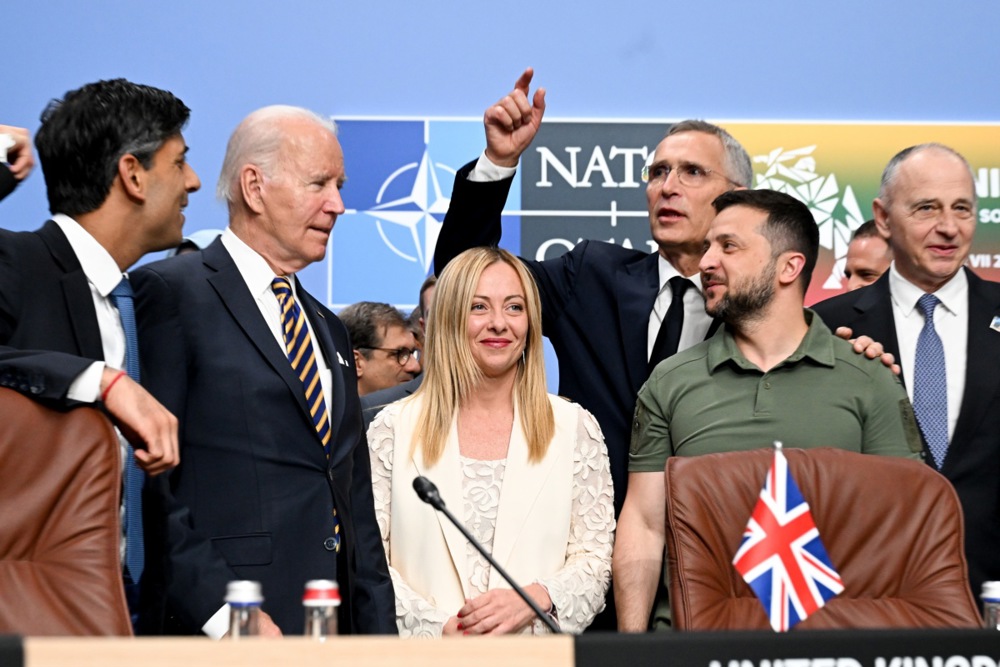
Echoes of the Vilnius NATO summit — Ukraine could not receive an invitation to the Alliance due to Volodymyr Zelenskyy’s tweet. According to The Washington Post, during the congress of the leaders of the Alliance countries on July 11-12, 2023, a decision could be made that would not contain the wording about Ukraine’s accession.
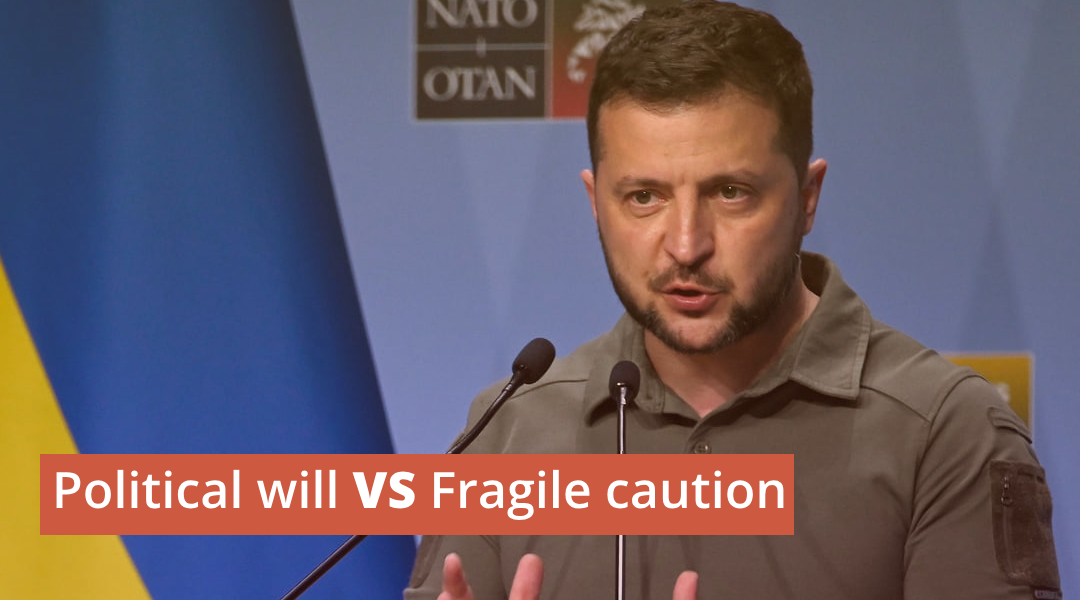
The reason for this was that Volodymyr Zelenskyy criticized NATO the day before for the lack of specifics regarding the terms of the country’s joining the Alliance. This, according to the publication’s sources, outraged some officials.
Emotional diplomacy
The President of Ukraine directly called the lack of specifics about the terms of joining NATO “unprecedented and absurd”. According to the authors of the article, Kyiv’s position also disappointed supporters of Ukraine, who believed that they had secured a diplomatic victory by convincing the USA, Germany, and other hesitant countries of the need to expand the Alliance.
“Ukraine has demanded a definitive timeline for NATO membership that includes specific steps and milestones. But many NATO countries are cautious about risking direct war with Russia, and they have been searching for a way to balance Ukraine’s hopes with pragmatic security calculations,” – writes The Washington Post.
Unnamed NATO diplomats allegedly told journalists of the publication that Zelenskyy uses Twitter as a tool for negotiating pressure. According to sources, it seems that the post of the President of Ukraine surprised Joe Biden, who during the summit wanted to demonstrate the unity of the allied countries in the fight against Russia.
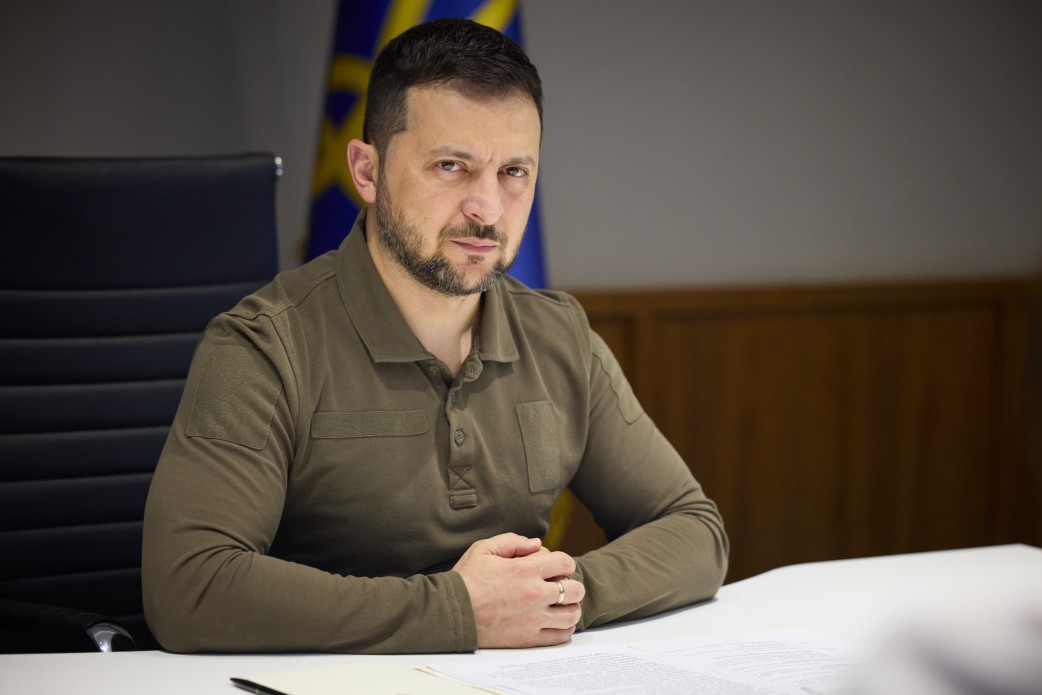
In another material of the publication, it is noted that Volodymyr Zelenskyy uses the diplomatic tactic of blaming NATO for Ukraine, which may not be effective. At the same time, journalists note that the behind-the-scenes games that the president of the belligerent country seems to be playing shows how little the Alliance can do about it, because “NATO nations are all-in on the war effort, and many member states remain deeply sympathetic to Zelenskyy’s demands for a greater level of support”. It is extremely strange wording against the background of the constant statements of the representatives of the Alliance that they will not fight on the side of Ukraine and enter into a direct conflict with Russia.
As a result of the summit, a declaration on the full financial and military support of Ukraine from the NATO countries was adopted, as well as the future accession to the Alliance was agreed upon but without specific terms. That is, a seemingly compromise decision was made.
Volodymyr Zelenskyy reacted restrainedly to the results of the summit, calling them “good”, but noting that in the case of a direct invitation of our country to NATO, “they would be ideal”.
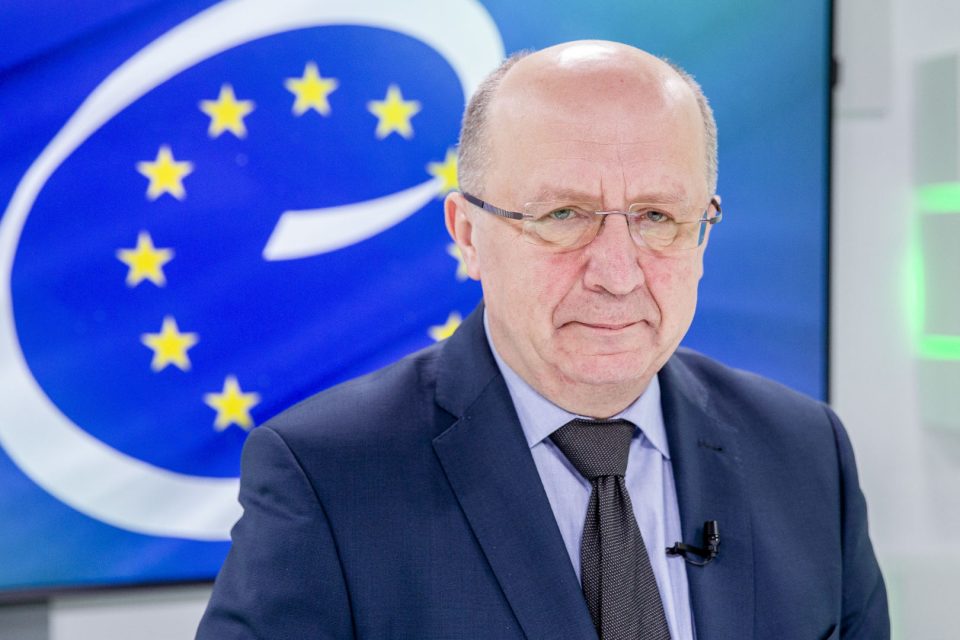
And about the “disappointment” of Zelenskyy’s position in the allied countries, Andrius Kubilius, a member of the European Parliament, ex-prime minister of Lithuania, and member of the Diet of many convocations (1992-2019), expressed himself well. On the air of the Ukrainian national telethon, the Lithuanian politician summarized the NATO summit as follows:
“I think that what could and should have been done was not done. Is this a profound mistake? We will see. But I have a feeling that over the past six months Ukraine has made great progress towards NATO membership. will definitely be done after the war or at the right time”.
Expert opinion
These are the thoughts and insights of The Washington Post journalists. And now let’s discuss with the experts whether a country that restrains the Russian invasion, preventing it from spilling over into Europe, can apply for specific terms of joining the Alliance. And does the president of this country have the right to speak on an equal footing with the leaders of NATO, and not to take a begging position, which for decades did not have any reflection on the part of the Alliance?
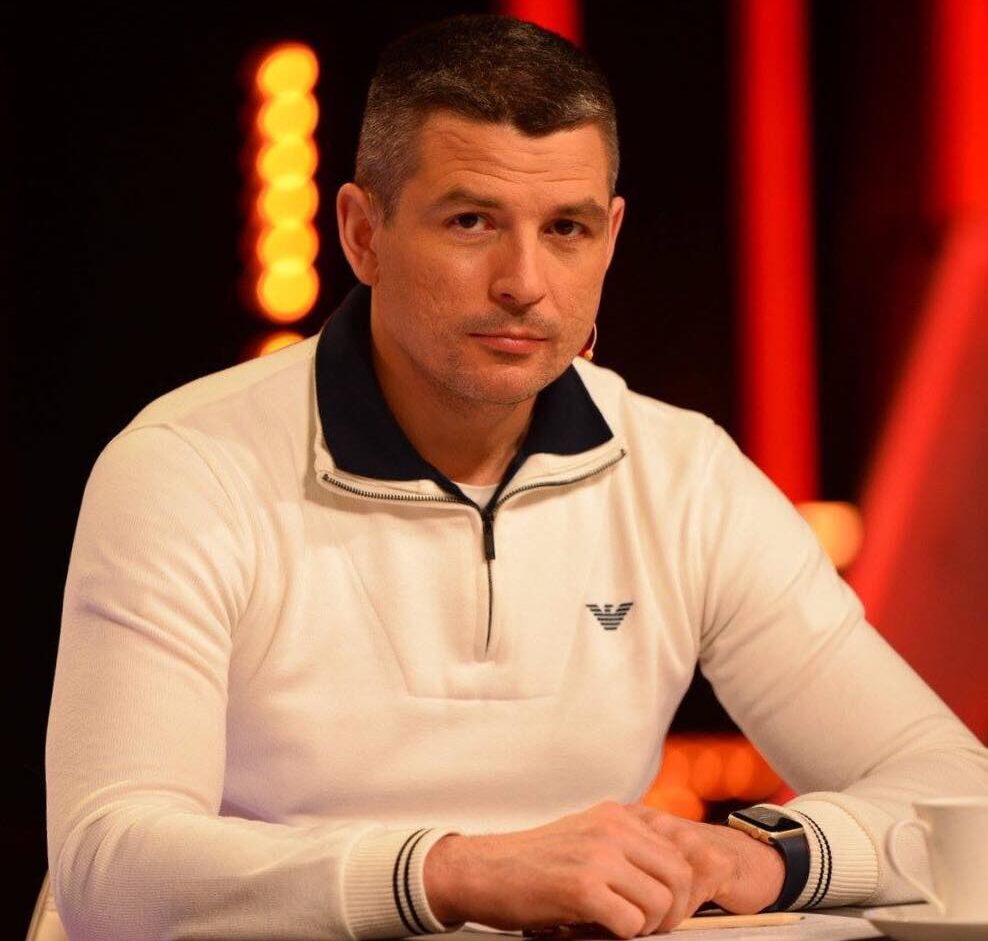
Valentyn Gladkykh, political analyst, candidate of philosophical sciences, and associate professor of Kyiv National University named after Taras Shevchenko believes that such publications are part of informational pressure on Ukraine:
“Earlier, our leaders begged for [membership in the Alliance – ed.] and now we see the result of this. If a certain method does not give the desired results, then it must be changed. If we look at how the statements of Ukrainian presidents were listened to earlier, and how it is happening today, it seems to me that there are positive developments here. Zelenskyy’s influence on public opinion is cross-border, if we are talking about democratic states. And governments in democracies cannot ignore public opinion. Therefore, Zelenskyy is acting absolutely correctly in this matter: he is using public opinion to put pressure on the relevant governments and it is producing results. Does it annoy the American and European political establishment? Yes, it’s annoying, but we don’t exist to satisfy anyone’s whims. In general, I think NATO’s decision is quite acceptable.”
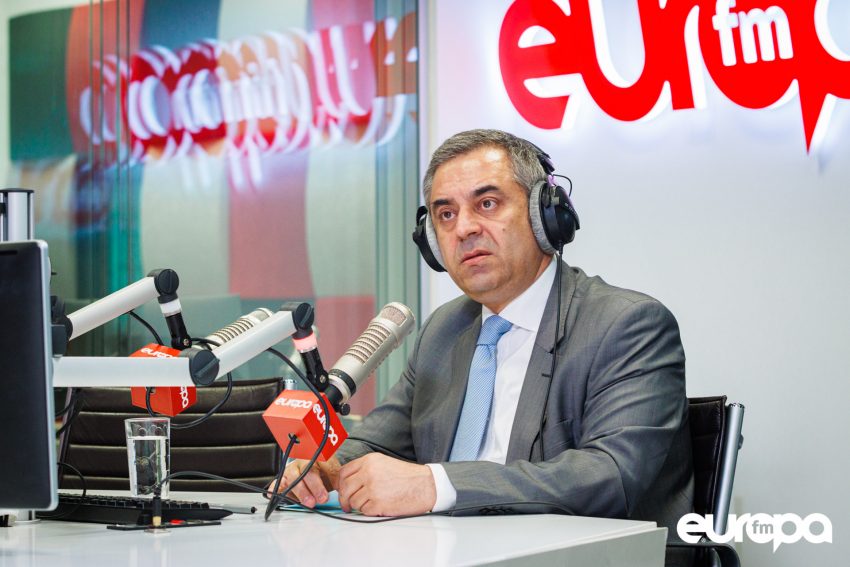
Claudiu Degeratu, independent expert and associate professor of the History Faculty of Bucharest University, holds a doctorate in international relations and European studies from Babes-Bolyai University in Cluj-Napoca. Between 1997 and 2010, he held various positions, including Director General for Defense Policy and Planning, responsible for NATO and EU policies. He was also head of the Defense Section of the Permanent Delegation of Romania at the NATO headquarters in Brussels.
“All allies want Ukraine in NATO, but there is no consensus on when Ukraine should officially receive the invitation. A group of states argued that NATO should extend the official invitation in July, with Ukraine de jure joining NATO after the war’s end. However, another group of states opposed this solution. In the opinion of this group, a candidate should not be invited if he is in military conflict with the Russian Federation because the Alliance would automatically be at war with Russia. Because there was no consensus, NATO did not decide anything in this regard but took other decisions to bring Ukraine closer to the status of a future NATO member.
It must be said that not only at the political level there is the opinion that Ukraine should be invited after the end of the war, but also the public opinion in several NATO countries does not support a quick invitation of Ukraine to NATO. From the perspective of EU member countries, the “pro” arguments are related to the fact that Ukraine has the right to be part of the European family and will have only advantages. An EU member of Ukraine is a win for Europe, and the economic reconstruction project is supported by most European countries except Hungary, especially the position of Viktor Orban. Realistically, Ukraine`s NATO accession will be a long-term goal. Even if it is a complex process, accession to the EU has chances to be accelerated more, but this depends on the performance of the reform path”.
Conclusions
Summarizing, the position of the member countries of the Alliance is as follows: in order to receive specifics on joining NATO, Ukraine must defeat Russia on the battlefield. But in order to defeat the Russian Federation by liberating all occupied territories, Ukraine needs a sufficient number of long-range missiles and F-16 fighter jets, of which we will not have enough this year. Ukraine is not going to cede territories either: it is absolutely senseless to reward the aggressor with new lands for numerous crimes. Therefore, Ukraine’s accession to NATO is being delayed for reasons beyond Ukraine’s control. This causes understandable dissatisfaction of both the country’s leadership and citizens, whose opinion the president relays on the international arena. The joint Euro-Atlantic vision of Ukraine’s future is certainly the correct and virtually no-alternative view of the current geopolitical situation, but it is also important that our Western partners have the political will to speed up this process.
Kostyantyn Grechany