

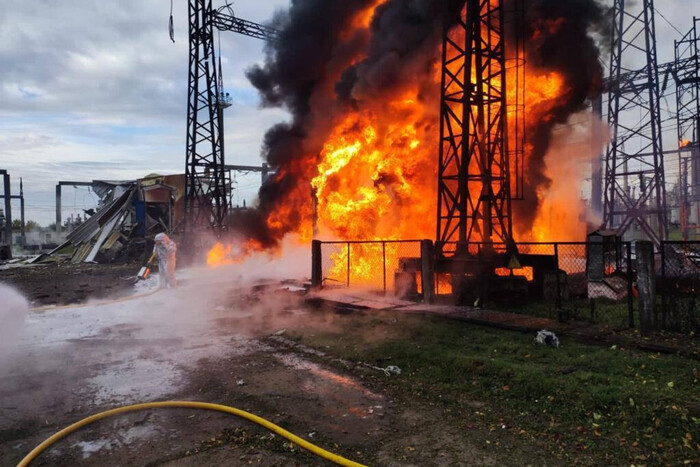
The topic of energy in Ukraine is being discussed especially actively now that the 2024-2025 heating season has started. With the onset of cold weather, Russia has also become more active and launched a new series of missile attacks on our energy system. This affects not only people but also the economy.
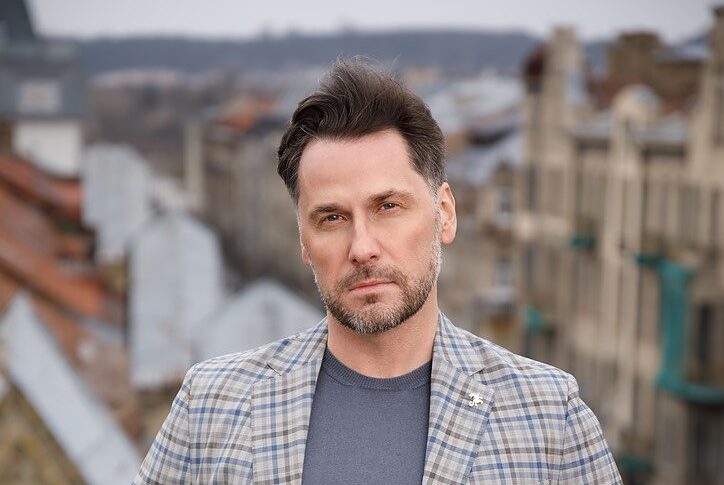
We spoke with Dovydas Vitkauskas whose various high-level consultant roles in Ukraine include being a Team Leader of various EU-funded public and corporate governance reform projects since 2016, and providing advice to the Office of the President of Ukraine since 2021. He spoke about the current problems in the Ukrainian energy sector, why the situation is not as good as it could be, and what to expect from renewable energy.
Q: What is the biggest problem in Ukraine’s energy sector?
D.V.: Ukraine’s energy sector has many issues of economic and political nature. They range from weak energy efficiency in the country’s industry to the ongoing Russian gas transit. And from the need to import diesel to the underdeveloped waste management. But probably the key problem now is a shortage of electricity supply.
Q: What are the roots of the problem?
D.V.: Russian aggression is the cause of various short-term electricity shortages. However, long-term problems are home-grown: the minor role of wind and solar generation, the outdated Soviet electricity grid and plants, the lack of financial incentives to invest in production, and the over-reliance on nuclear energy.
Q: Isn’t nuclear energy the cheapest?
D.V.: Yes [laughing] … But only if you take out of the equation all the capital costs incurred in building, maintaining and, eventually, decommissioning those nuclear plants. Ukraine will have to start decommissioning all its nuclear reactors already within 10 years. The bill? From 1 to 3 billion EUR per reactor … Today we have plenty of cheaper, quicker, and safer technologies in the World. While 80% of the Ukrainian population still believes that nuclear energy is key for the country’s future, not much explanation has been done by local politicians on how much that belief has cost the country in lost opportunities over the decades. The opportunities to properly renew and rebuild the energy system.
Q: But nuclear energy works despite the war …
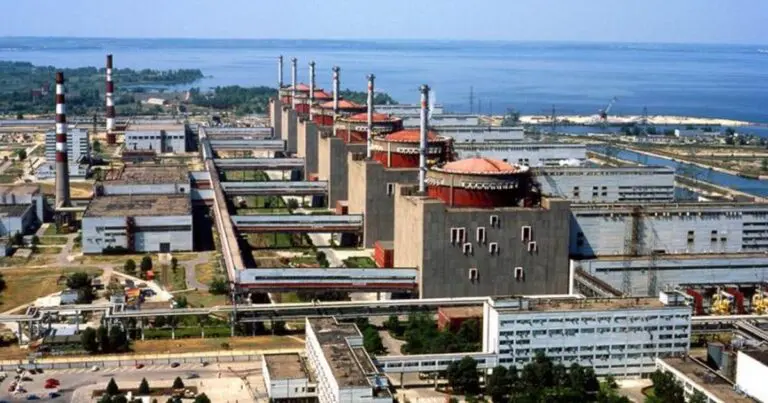
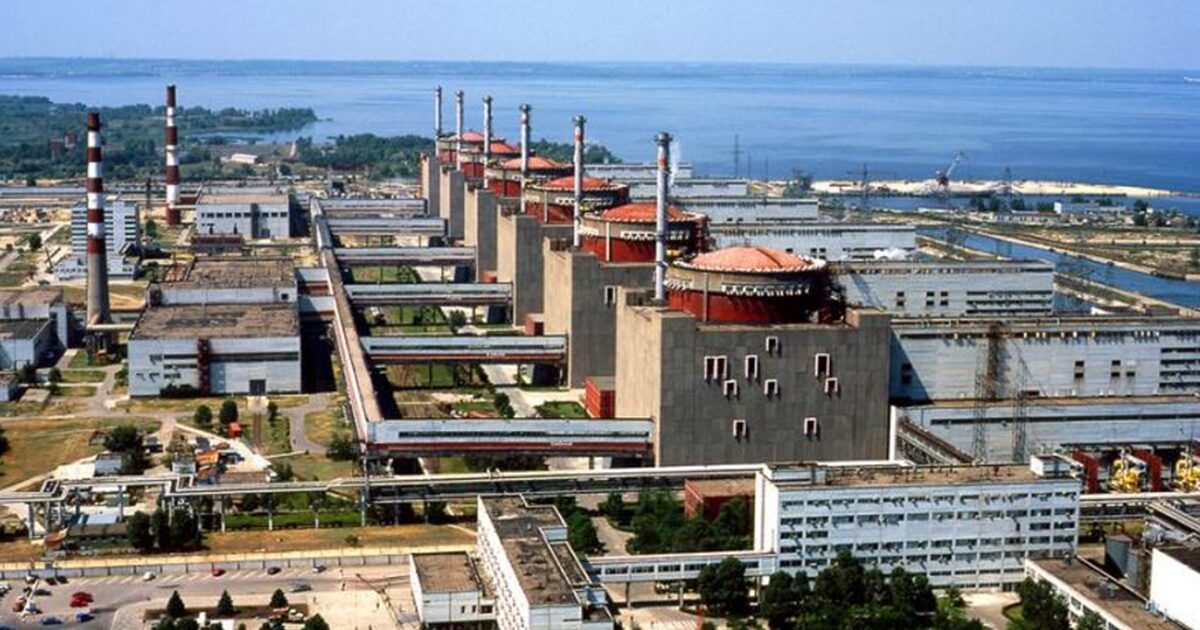
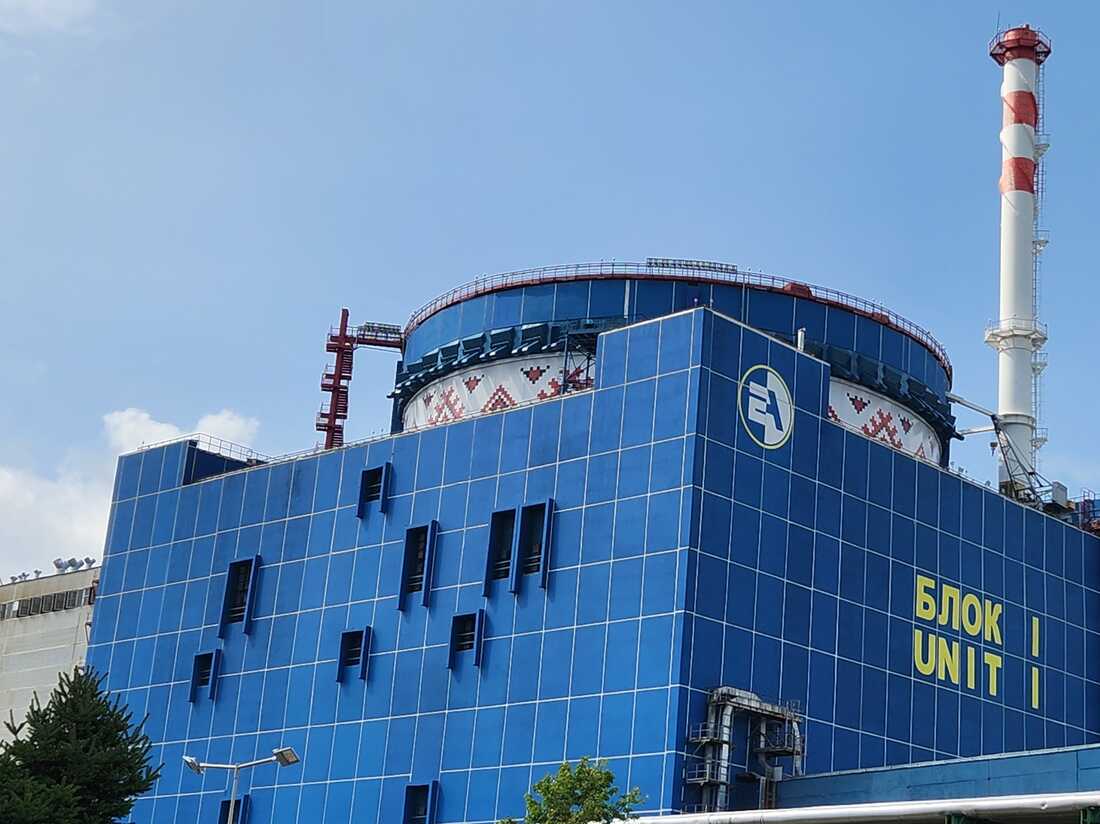
D.V.: Yes. Before the open war in 2022, Ukraine had 4 working nuclear plants and 15 reactors, built in the Soviet era in the 1970s and 1980s. Given the Russian occupation of Zaporyzhia Plant in 2022, Ukraine now operates 3 nuclear plants and 9 reactors, producing 52 tWh of electricity, or 50% of total annual production. Only France produces more electricity from nuclear in Europe.
Q: How much does it cost to produce electricity from nuclear?
D.V.: If we exclude the capital investment, the current operational cost of nuclear electricity in Ukraine is about 2.5 euro cents per kWh without the transportation costs, or 7.7 euro cents / kWh including all the grid operator and seller charges. It is relatively cheap by the European average. But this pie is shared by some players, including State-owned companies, such as Energoatom, the operator of nuclear plants, and Ukrenergo, the high-voltage grid operator. The supply chain also includes private companies – Oblenergo, 25 regional “last mile” grid operators, and DTEK, the seller. All in all, it is hard to tell the real cost, owing partly to the financial engineering by some of these players. It is enough to say that whatever is earned from producing nuclear electricity, is not enough for Energoatom’s balance sheet. The company has earned the title of the biggest loss-maker in Ukraine for the last 2 years.
Q: How much did Energoatom lose?
D.V.: EUR 250 million in 2023. Even more in the year prior. Energoatom incurred millions in losses in all the previous years over the last decade, except in 2021 when the company declared a profit. However, in sync with that profit announcement, directors of 21 Energoatom suppliers wrote an open letter to the Prime Minister, complaining about unpaid arrears and long-term debts to the tune of EUR 70 million. And these are just State-owned suppliers. Energoatom owes tens of millions of euros to smaller private suppliers, including construction, engineering, maintenance and other companies.
Q: Why not go to court to collect debt?
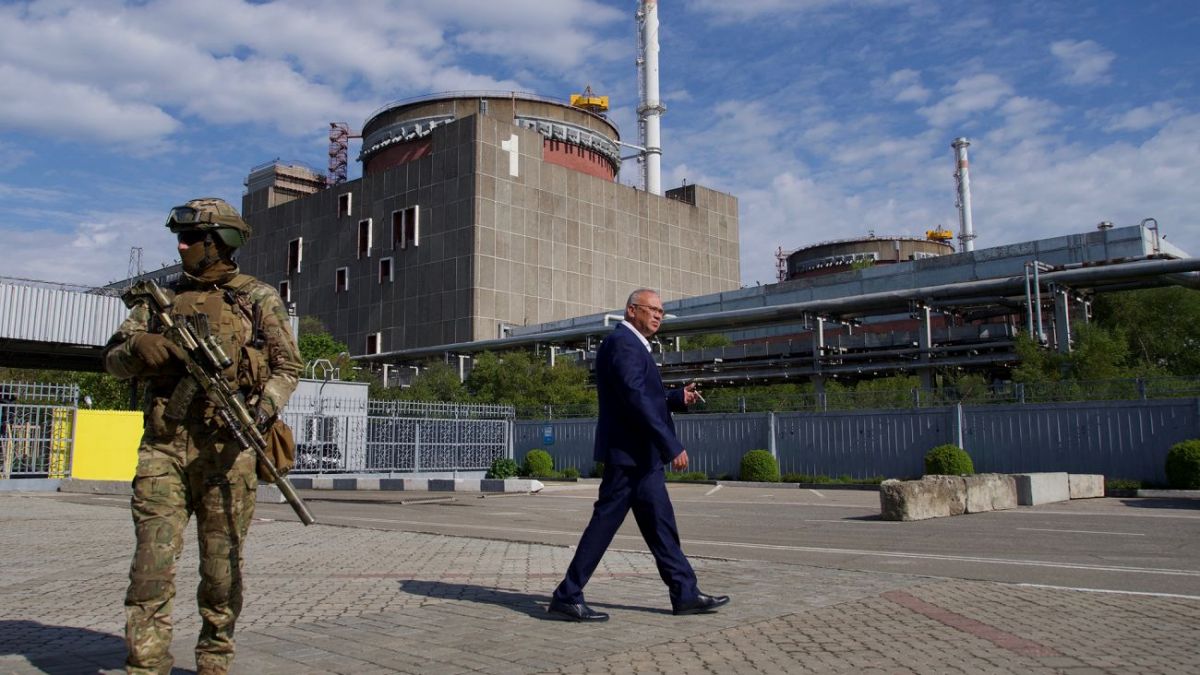
D.V.: Because you can’t. Energoatom benefits from the so-called “moratoria”, which protects the biggest State-owned companies from suit, enforcement or bankruptcy. It is basically a licence by the statute of Parliament to burn debt notices. There were 25 different “moratoria” already before the open war in 2022. Now there are more. If Ukrainian business community was an animal farm, some animals would be “more equal” than others …
Q: Shouldn’t a company be profitable under such generous protection from the top?
D.V.: Most aren’t. The problem is in lack of good corporate governance standards. Energoatom still has no operational Board of Directors or Supervisors. Its annual books are questionable. There is a lack of transparency on questions ranging from management salaries to the choice of sub-contractors. And even where a State-owned company is managed better, political pressure is unfortunately hard to avoid. A recent scandal arose just 2 months ago when Ukrenergo’s boss was fired and two of its foreign directors quit, alleging high-level outside interference. It did not help that Ukrenergo’s management was praised by various experts in helping Ukraine subsist the winter of 2023-2024 without major disruptions to the grid.
Q: Is the retail price of electricity adequate in Ukraine?
D.V.: This is a key question. And answer to most of the problems indicated above. For decades, the promise of “cheap electricity” for retail users was a form of currency, which would be converted into votes at each election by almost every political power in Ukraine. In this policy context, questions such as “How much does it really cost to produce” or “How much investment is needed to provide for tomorrow”, were always secondary. So the price of electricity for retail customers is low, as it is fixed top-down by Cabinet of Ministers Decree. The most recent one, fixed in June 2024, is 9.8 euro cents per kWh, including the transportation costs. Still quite cheap, despite rising by 64% from the 2022 level. But the financial burden from this political maneuvering passes on to State-owned producers and transmitters (Energoatom, Ukrenergo), who have “special social obligations” to ensure low electricity prices. These State players, in turn, pass on that burden to their partners and suppliers. A vicious circle of financial misery.
Q: What about the electricity price for Ukrainian businesses?
D.V.: Ukrainian business is a “less equal animal” than retail consumers. It is buying electricity by market rules by way of longer-term or spot (day ahead) contracts. The electricity price for businesses is varying at up to 17 euro cents per kWh – almost double what retail consumers pay. Not so cheap already, especially compared to Northern European countries with substantive renewable energy generation.
Q: But someone has to make a profit?
D.V.: Interestingly, these are certain private companies, not State-owned ones, who thrive better in this environment. Firstly, 25 so-called Oblenergo in different regions of Ukraine. They are “last-mile” grid operators, delivering power to the people and businesses. Each Oblenergo is the de facto monopolist in each region. Second, DTEK, is the cross-country monopolist in the final electricity sales component. Half of Ukrainian Oblenergos, and DTEK, have the same beneficiary owner, the famous oligarch Rinat Akhmetov. DTEK became notorious last year, when it made a 30M EUR profit during only one month by buying electricity from the State-owned Energoatom and Ukrhydroenergo at cheaper night prices and selling at daytime. DTEK also owns 70% capacity of all gas and coal-powered co-generation plants, which produce heat alongside electricity. In 2023, gas and coal accounted for 30% (30 tWh) of total annual electricity production in Ukraine.
Q: What about renewable energy?
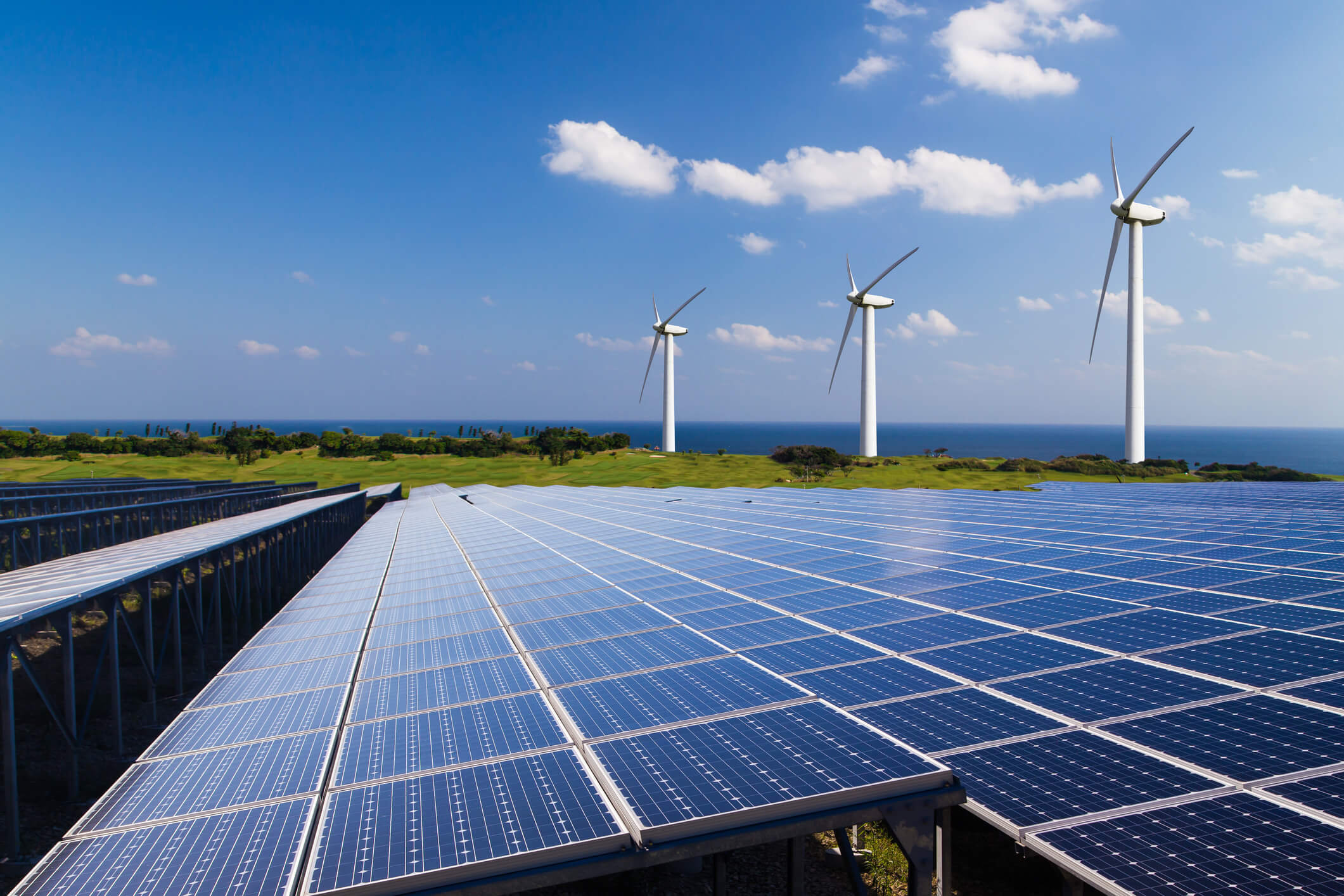
D.V.: Only 20% of total electricity production (20 tWh annually) in Ukraine comes from renewable resources. However, half of the renewable production comes from the Soviet-era 1930s-1960s hydroelectric plants. Wind and solar production makes up only 10% (10 tWh per year) of the total electricity output. Ukraine needs more green energy not because EU bureaucrats are asking for it. But because it is cheaper and more efficient – and can guarantee long-term energy independence for the country. Non-renewable electricity (gas, coal, nuclear) is unavoidable in the medium term, but its proportion in the overall mix must and will decrease over time. Betting, as the government appears to do now, on the goal of nuclear power generation still making up as much as 50% of the total electricity output in 2050 is unrealistic. If all currently working 9 nuclear reactors are decommissioned by that time, new ones will have to be built. How much will it cost – 10, 20 billion EUR per reactor? And at least 20 years of implementation? Comparable practice in the UK, France, and Finland says so. A much wiser long-term option would be installing more green energy capacity coupled with synthetic fuels.
Q: What are the biggest obstacles to renewable energy generation?
D.V.: The actual monopolisation of control of who and how connects to the grid by private players, such as Oblenergo and DTEK. There is an inherent conflict of interest in a policy that allows one private player to decide whether or not to give access to new competitors on the market. One thing that is worse than a monopoly is a private monopoly. Ukraine must make painful decisions to demonopolise the grid connection, allowing for more simple, transparent, non-bureaucratic and automated methods of allowing thousands of big and small electricity producers to enter, using as an example the Northern European countries.
Q: Some Oblenergos have now been taken back into the possession of the State …
D.V.: I am not advocating nationalisation but rather competition and transparency in each region of Ukraine. The very fact that the location and condition of the transmission systems are still deemed as “business secret” (of Oblenergos / DTEK), shows a certain lack of understanding of what is in the public interest. Otherwise, how does a prospective investor – in energy or any other sector – know if the bill by Oblenergo is adequate? There have been cases where prospective investors were presented with a EUR 1 million or larger bill simply for the connection to the grid. Open data as a State policy is still largely underdeveloped. It would also help if the State made good on the promise to pay in full the current green electricity producers. Significant arrears on paying the “green tariff” (State subsidy) have been a factor in reducing the appetite for new wind or solar generation. The good news is that the “green tariff” may soon no longer be necessary. But that will happen only if a market price is paid by all electricity users, including retail customers and not just businesses. The electricity market price will inevitably go higher in the short term.
Q: Isn’t that a bad trend?
D.V.: Energy should be cheap, but not too cheap. Otherwise, one is sawing off the branch on which one is sitting. There will be no investment, innovation and technological breakthrough if the electricity generation business remains unprofitable. This is why the policy emphasis should not be focused excessively on short-term targets, such as regulating the retail price of electricity (for prospective voters), but on the need to generate more electricity. The more, the better. Some Nothern European countries are planning for a 500% or bigger target of electricity production from today’s baseline over the next decade. Ukraine should follow their example. More than a hundred years ago, Nicola Tesla emphasised the link between the degree of electricity production on the one hand, and civilisation on the other.
Q: What about the role of donors and international partners of Ukraine?
D.V.: Frankly, they have so far executed their role of “helping” Ukraine in a rather short-sighted manner. Firstly, Ukraine is suffering a tremendous structural dysfunction of the economy, to which the donors have directly contributed. While last year’s GDP rose by 5%, the electricity production (-9%) and consumption (-6%) fell further. It might be a surprise for Nicola Tesla, but not so much for modern “financial alchemists”. There is a very simple secret of this “growth”, owing largely to the World Bank and European Commission loans and grants – namely, since the start of the open war in 2022, the role of government spending almost doubled to more than 50% of the country’s annual GDP. But Ukraine is not Denmark or Norway – it has no history or culture to absorb such a role of government in the economy. The result is that almost all donor money is “eaten” by the rising public sector salaries (EUR 1,200 per month), which are already 3 times higher than the average salary in the country (EUR 400 per month). Second, the big winners here are Ukrainian commercial banks, which are getting low-interest resources in the form of hard currency (USD and EUR) from the country’s Central Bank for the first time ever. The State-owned commercial banks control 80% of the Ukrainian deposit market, so it is a bonanza for them. Filling yet another pocket in the State budget, in other words. But credit for end-customers, the people and business, hardly remains accessible or cheap. In the meantime, the public debt is ballooning towards 100% of GDP. It will be much more than that next year. More money in the public coffers also means more public procurement. So don’t be surprised to hear more stories of corruption or embezzlement next year. The Western Partners should be fully aware that they are directly complicit in this structural dysfunction.
Q: What is expected of Western partners then?
D.V.: Ukraine dramatically needs investment rather than “gifts”, such as cheap loans and unaccountable money, only to be swallowed by the public budget. This is true of the energy sector as of any other. Investment means a long-term commitment to the country and local Ukrainian partners and a taking of responsibility for their financial and management decisions. Unfortunately, any significant investment from Western partners is nowhere to be seen. On the contrary, some Western partners appear to be selling Ukraine’s last-century technologies, including new nuclear capacities, which might cost the Ukrainian tax-payer tens of billions of euros in the long term, with a very uncertain timing and result. In the meantime, investment in Ukrainian energy and industry appears to be coming from the so-called Global South. Do not be surprised that, come the end of the war, Ukraine will also start leaning geopolitically towards those who invested rather than those who gave expensive “gifts” …
Q: But the country also has short-term needs, such as surviving the winter of 2024-2025?
D.V.: The more electricity producers there will be, the better. Decentralised power and distributed generation will also be safer, and less susceptible to Russian rocket attacks. This principle should guide both the policy and financial decisions of Ukraine’s Western partners and the authorities. This applies to both new green (wind and solar) as well as “gray” (gas-powered mobile co-generation gensets with 1-4 mWe output) electricity capacity, which can be installed relatively quickly. Secondly, any material or financial “gifts” to the Ukrainian energy system should benefit the Ukrainian end customers and not private monopolists. Otherwise, I am convinced the Ukrainian people and businesses will survive as they already have until now – by using small diesel-run generators and rationing electricity, and controlled “black-outs”, continuing to show their tremendous resilience in the face of the Russian aggression. However the Ukrainian people and businesses have the right to expect much more from the government and the donors.
Artem Kasparian