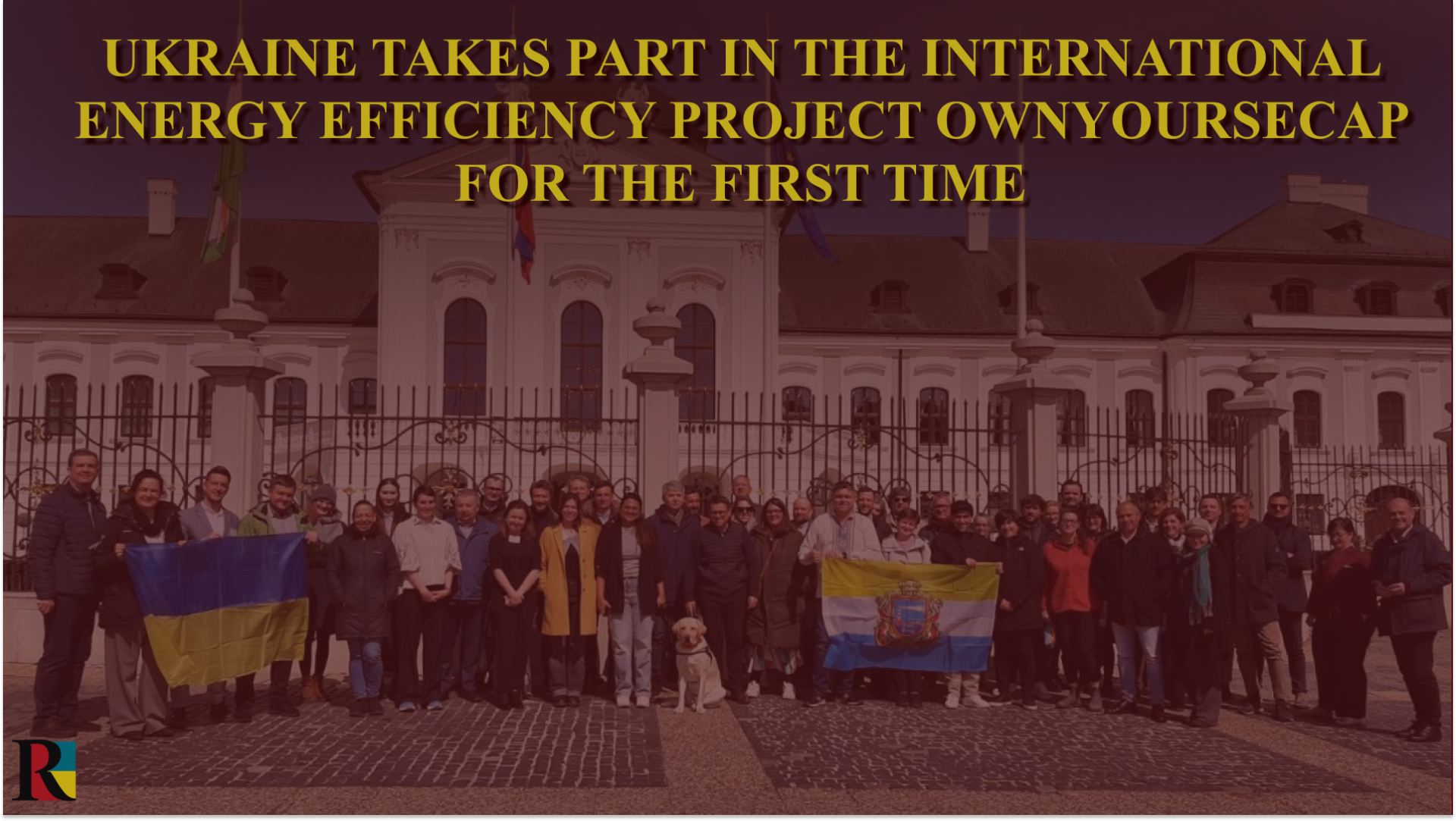


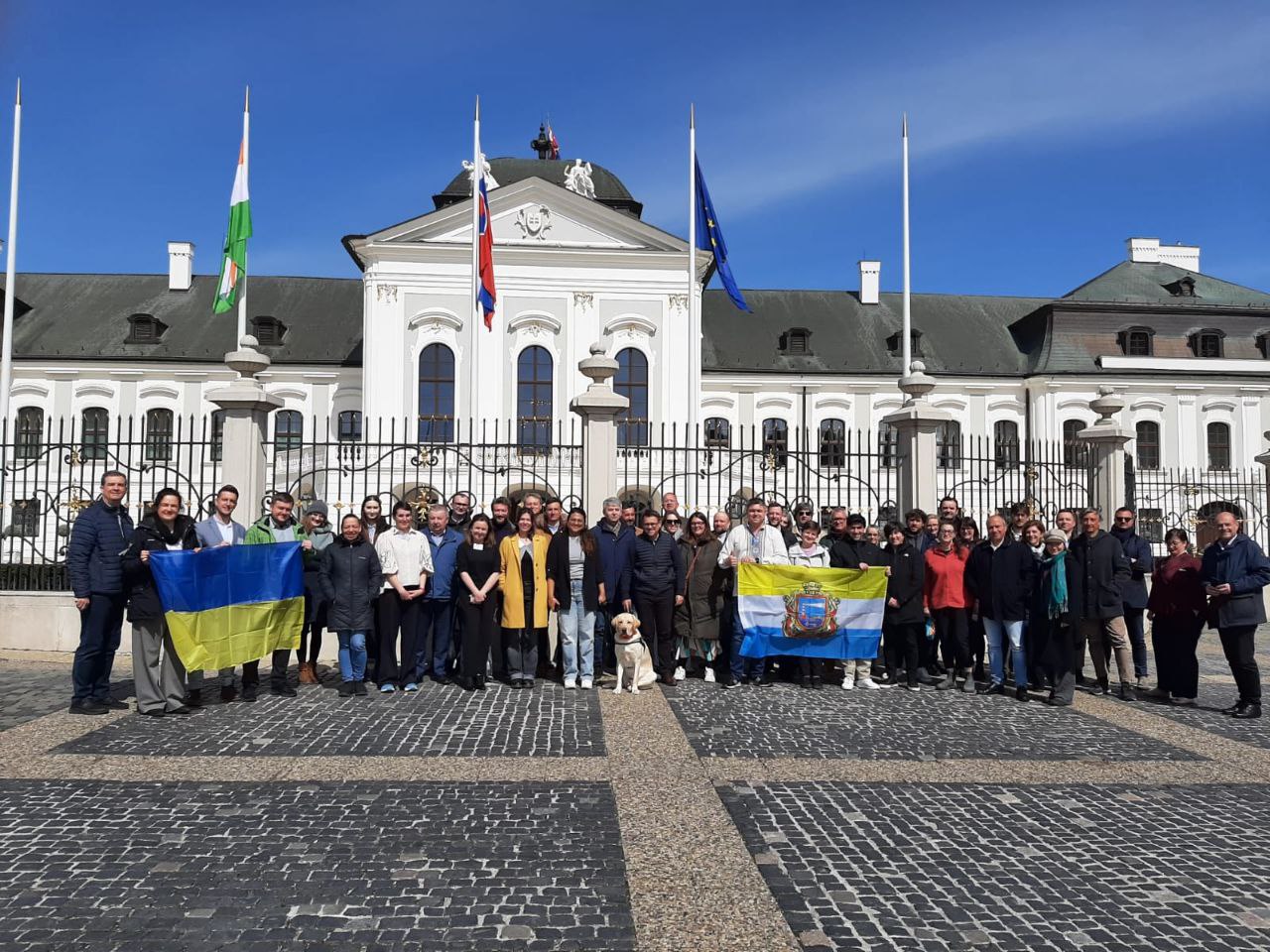
A regular meeting of European countries on the OwnYourSECAP (Own Your Sustainable Energy and Climate Action Plan) project took place in Bratislava (Slovak Republic) on April 8-9. This is a long-term project under the LIFE program, which aims to implement energy and climate action plans in municipalities in the European Union (these plans are mandatory under European law).
LIFE is a financial instrument of the European Union for the implementation of environmental protection and climate change measures, which has been in place since 1992. Ukraine joined the Program in June 2022.
The project covers 11 EU countries, including Austria, Spain, France, Italy, Slovakia, Portugal, Sweden, Czech Republic, Latvia, Poland, Iceland, and Ukraine (as an EU candidate country). The total implementation period is 2022-2025.
Ukraine, which joined the project for the first time, was represented by delegates from Chornomorsk.
During the two-day seminar, community representatives took part in thematic discussions, working sessions and workshops on energy planning, the use of digital tools to monitor SECAP implementation, financing climate and energy efficiency measures, etc.
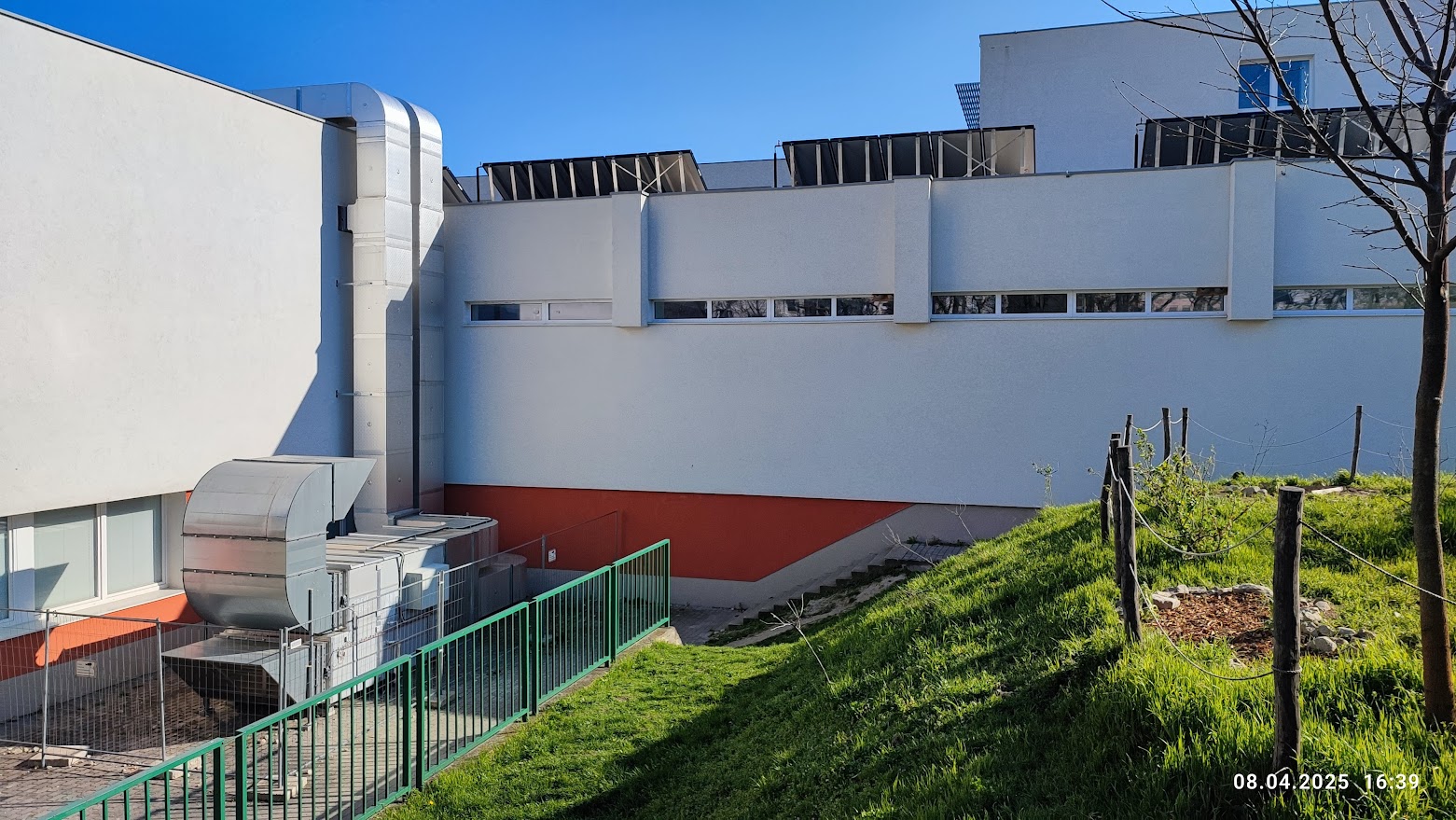
The participants of the seminar got acquainted with the successful practices of implementing energy-saving technologies in Bratislava on the example of heat pumps, energy storage systems, green roofs and energy-efficient modernized lighting in the A. Dubcek School in Bratislava and the National Football Stadium of Slovakia.
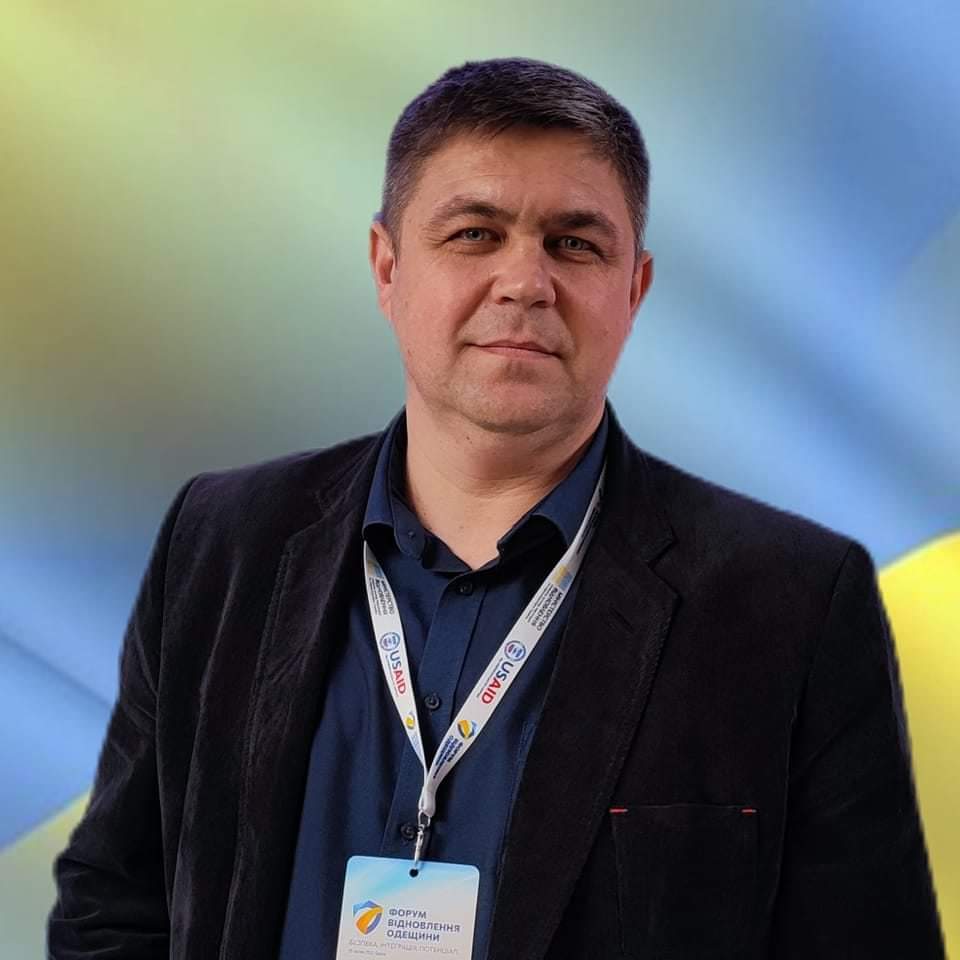
Oleksandr Korchma, Head of the Energy Efficiency and Grants Department of the Executive Committee of the Chornomorsk City Council of Odesa Raion, Odesa Oblast, who represented Ukraine at the meeting in Bratislava, shared his experience with The Ukrainian Review.
Yevhen Dzhumyha: How did Ukraine get into the Own, Your SECAP project?
Oleksandr Korchma: In Ukraine, there is a public organization called the Center for Community Development and Cooperation, which has signed an agreement with the Czech energy company Seven and the Slovak Energy Center Bratislava. Together they applied as partners to the European project “Own Your SECAP”. After that, a competition was held in which 38 communities from 17 regions of Ukraine took part. The winners were the Nikopol community of the Dnipro region and the Chornomorsk community from the Odesa region.
And as part of this project, communities, together with the Center for Community Development and Cooperation, Czech, Slovak and other partners, as well as municipalities from 11 European countries, have the opportunity to receive support for the implementation of sustainable energy action plans.
Yevhen Dzhumyha: Why is participation in this project important for Ukraine?
Oleksandr Korchma: Ukraine has undertaken a number of international commitments in the energy and climate sector, in particular as part of its association agreements with the European Union. In recent years, Ukrainian communities have been developing sustainable energy and climate action plans based on the European methodology and voluntarily joining the Covenant of Mayors East initiative.
The Covenant of Mayors – East is a leading initiative launched by the European Union, which involves local and regional authorities that voluntarily commit to improving energy efficiency and increasing the use of renewable energy sources in their territories.
As of today, about 250 communities in Ukraine out of 1471 have developed sustainable energy and climate action plans. In general, these plans help attract additional investment and international support for climate-oriented projects in their communities. That is, the participation of Ukraine and Ukrainian communities in the Own Your SECAP project is an important step towards fulfilling international obligations and integrating into the European space.
Yevhen Dzhumyha: How far is Ukraine behind the European Union in implementing energy plans?
Oleksandr Korchma: The EU countries started actively implementing sustainable energy action plans much earlier than Ukraine. The first steps in Ukraine were taken around 2011. As of today, approximately 20% of Ukrainian communities have plans. In 2019, the Law on Energy Efficiency in Ukraine was adopted, which obliges Ukrainian communities to adopt and approve municipal energy plans by November 2025. This means that today in Ukraine there is a voluntary consent of communities to join the European initiative and compulsory obligations regarding municipal energy plans. These documents are similar by about 60%. International projects, such as GIZ (Deutsche Gesellschaft für Internationale Zusammenarbeit), UNDP (United Nations Development Program), and USAID (United States Agency for International Development), have been helping Ukrainian communities develop both action plans and municipal energy plans until January of this year.
Yevhen Dzhumyha: How is the SECAP plan being implemented in Chornomorsk?
Oleksandr Korchma: The Chornomorsk community joined the European Covenant of Mayors – East initiative at the end of 2017. According to the agreement, each community that joins has to develop and approve a sustainable energy and climate action plan until 2030 within two years and submit it to the European Commission for review and approval. Before the full-scale invasion, I lived and worked in Sloviansk, but I had to leave my hometown and move to Chornomorsk. Here I was actively involved in the development of the SECAP, which was approved in 2024. According to it, the Chornomorsk community has committed itself to reducing carbon emissions by 37% and replacing traditional sources with alternative ones by 2030.
In recent years, Chornomorsk has established an energy management department, introduced daily automatic monitoring of energy consumption across all budgetary institutions of the community, and installed solar panels on the roofs of administrative buildings in accordance with international projects, etc.
Yevhen Dzhumyha: What are the main challenges in implementing SECAP plans in Ukraine? How does the war affect this process?
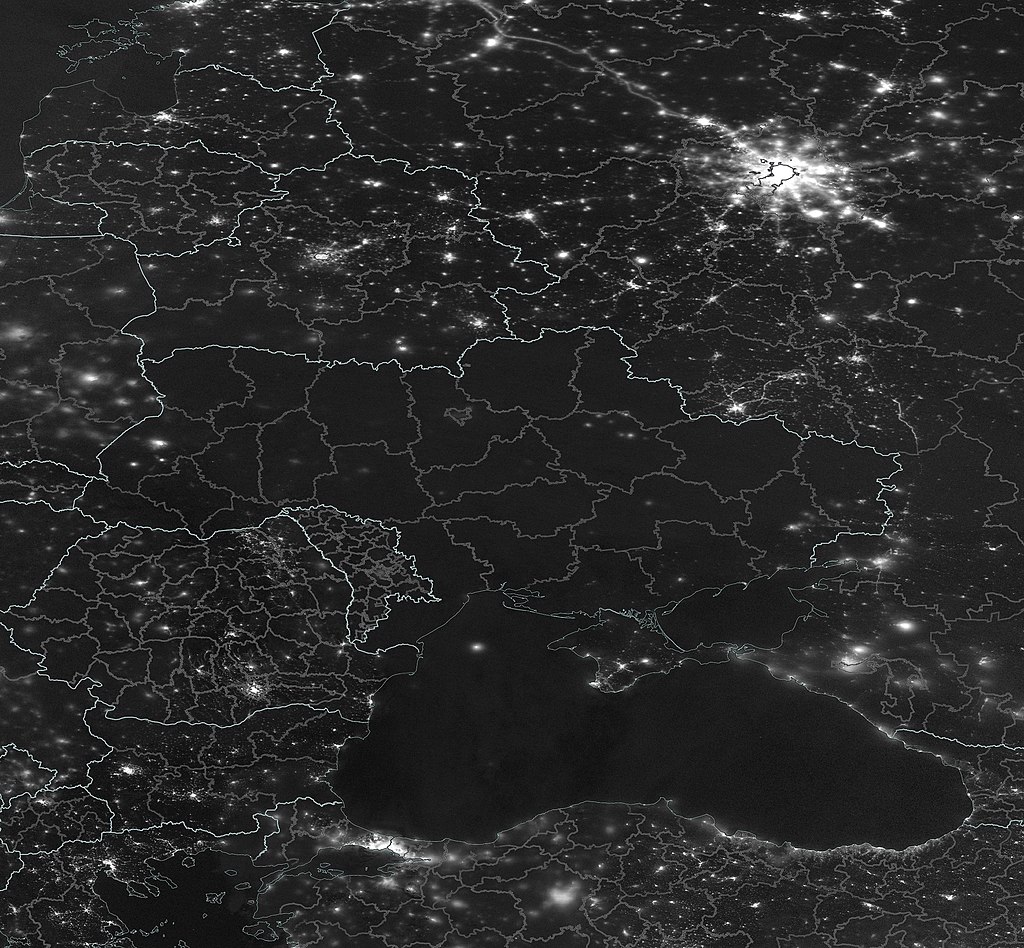
Oleksandr Korchma: The war directly affects the implementation of energy plans. It has led to significant destruction of energy infrastructure, residential buildings, and industrial enterprises. Priorities are changing, and the planned implementation of energy efficiency measures is becoming more complicated.
There is also the problem of internal and external migration of our population, which also affects energy consumption and community needs. The priorities of communities are changing, i.e. part of the budgets is directed to defense and humanitarian issues, and this limits the ability to finance projects and activities outlined in the action plans.
Another very big problem is the loss of qualified specialists who should be involved in the implementation of energy efficiency measures due to mobilization and migration. On the other hand, the war has sharply demonstrated Ukraine’s vulnerability due to its dependence on age-old fossil fuels and the need to move to decentralized energy supply. International partners can and do provide financial and technical assistance to rebuild the infrastructure. Analyzing all these issues gives rise to new ways to ensure a sustainable and resilient future for the energy sector in Ukraine in the post-war period.
The interview was conducted by Yevhen Dzhumyga.