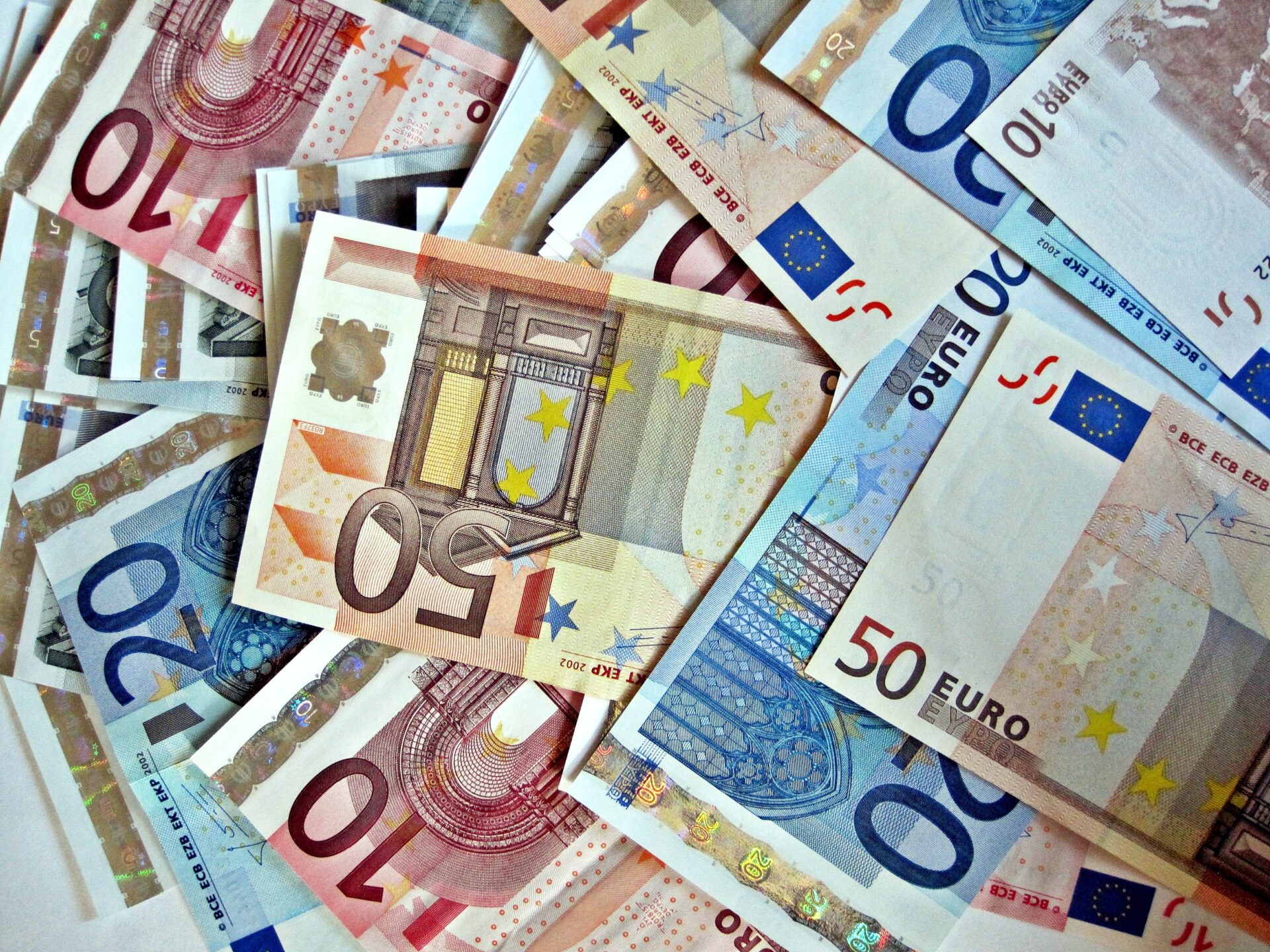


€5.9 billion from the European Union has been transferred to Ukraine’s state budget, the Ministry of Finance reported on Thursday, November 13. Part of the sum comes through the G7’s Extraordinary Revenue Acceleration for Ukraine (ERA) initiative, while the rest is a loan under Ukraine Facility. The funds will support the country’s social, defense, and recovery needs.
European Support: Unprecedented Decisions and Trust in Ukraine
€4.1 billion is the final tranche of the €18.1 billion provided under the ERA initiative. This mechanism allows Ukraine to receive up to $50 billion in loans backed by future profits from frozen Russian assets. Overall, G7 and EU countries have already contributed around $35 billion through this instrument.
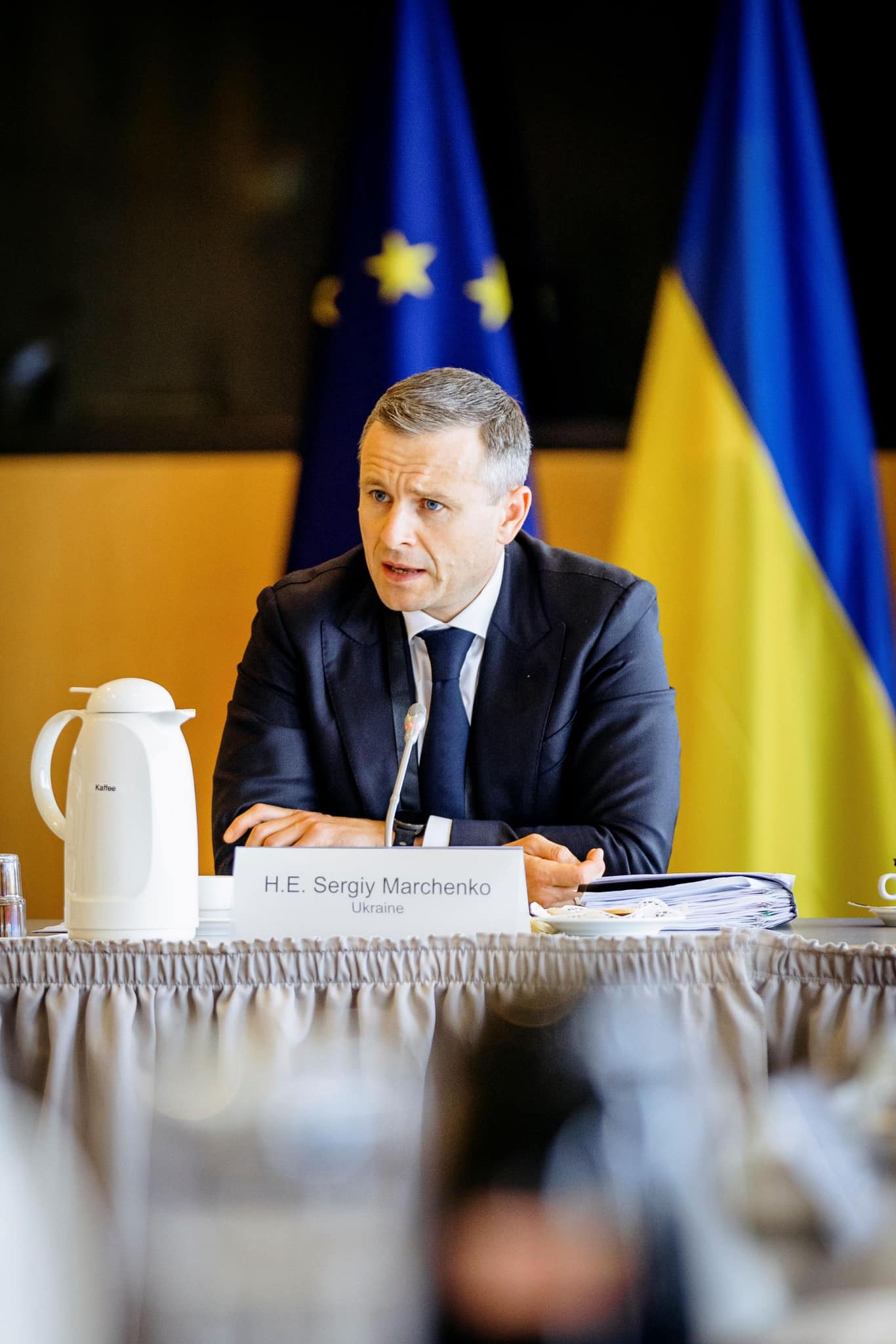
Finance Minister Sergiy Marchenko emphasized that the decision to use revenues from Russian assets is “unprecedented and fair.”
“€18.1 billion in 2025 helped maintain financial stability and strengthen our resilience against the enemy. We are actively working with the EU on new initiatives for 2026–2027,” Marchenko said.
Another €1.8 billion was provided through Ukraine Facility, a program that has delivered over €24 billion in direct support since 2024. To qualify for new tranches, the government is implementing reforms in the areas of anti-corruption, public administration, digitalization, agriculture, and environmental protection.
‘Russia Is Paying for Its Aggression’
President Volodymyr Zelenskyy called the new funding an important step by Ukraine’s partners and stressed that the mechanism effectively holds the aggressor accountable:
“ERA loans are financed from the profits of frozen Russian assets — and this already makes Russia pay for its aggression. Only pressure can lead to peace,” the president said.
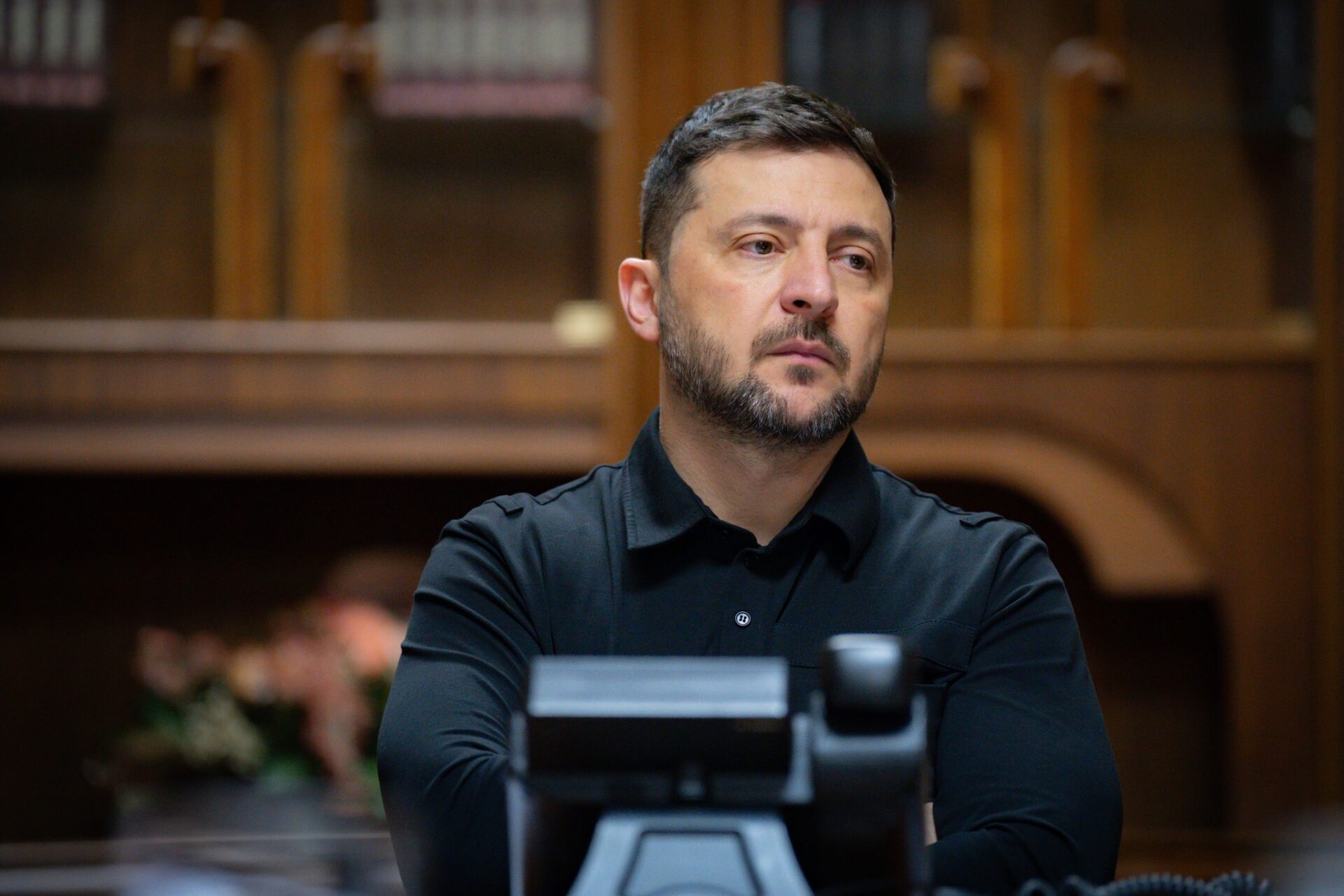
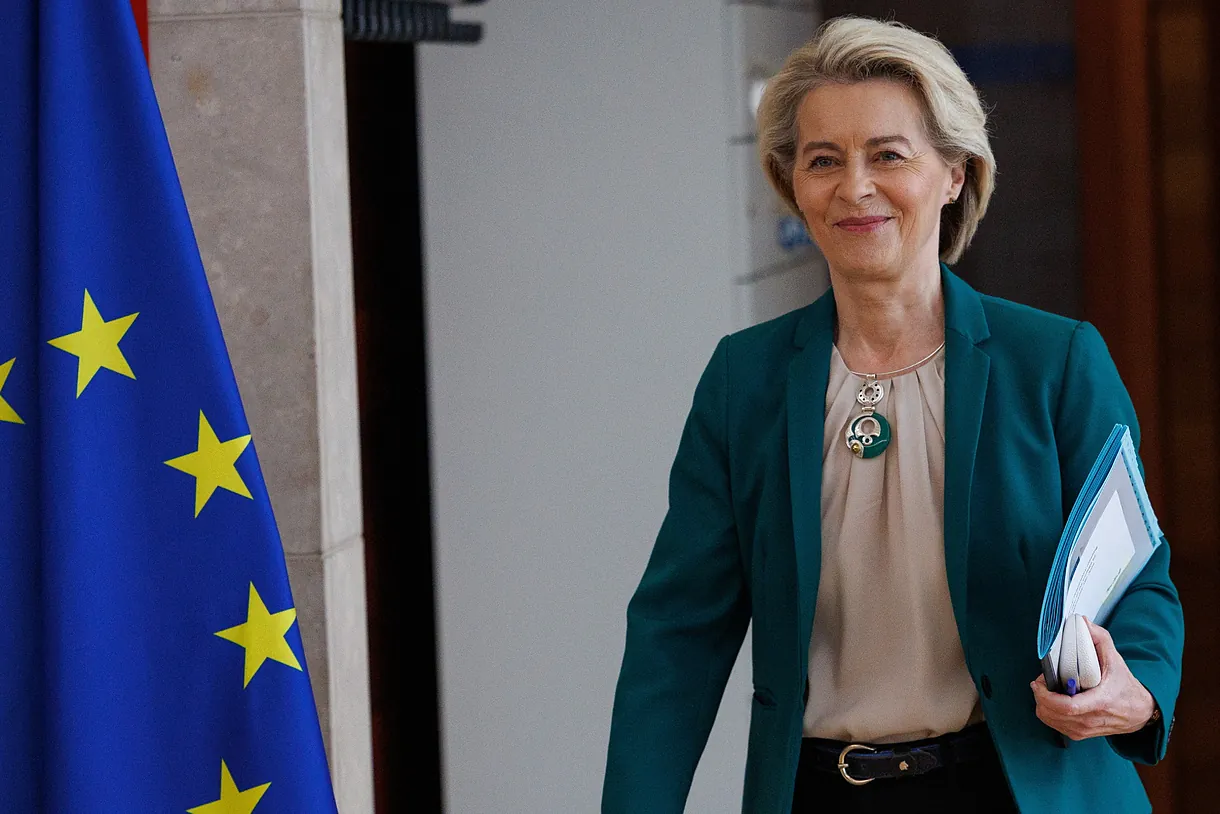
Zelenskyy also thanked European Commission President Ursula von der Leyen for her leadership and continued support for Ukraine.
Signal of Trust and Challenge Ahead
The €5.9 billion package represents not only financial support but also the EU’s confidence in Ukraine’s reform progress. European partners recognize the progress made in meeting commitments and are ready to continue cooperation.
At the same time, such assistance is a temporary resource. It must be reinforced by internal changes. These include effective financial management, spending transparency, and continued reforms.
Channeling profits from Russian assets to support Ukraine is a powerful political message. This is not merely aid, but a form of justice, where the aggressor begins to pay for the consequences of its own war.