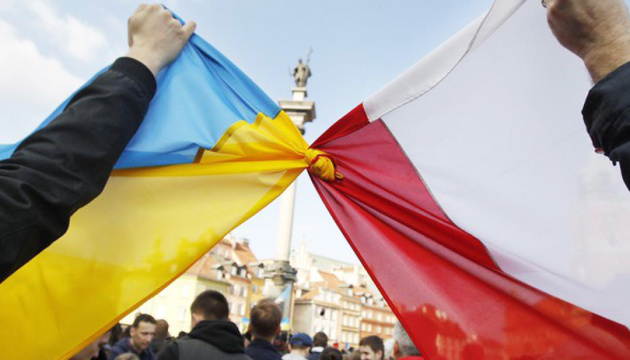


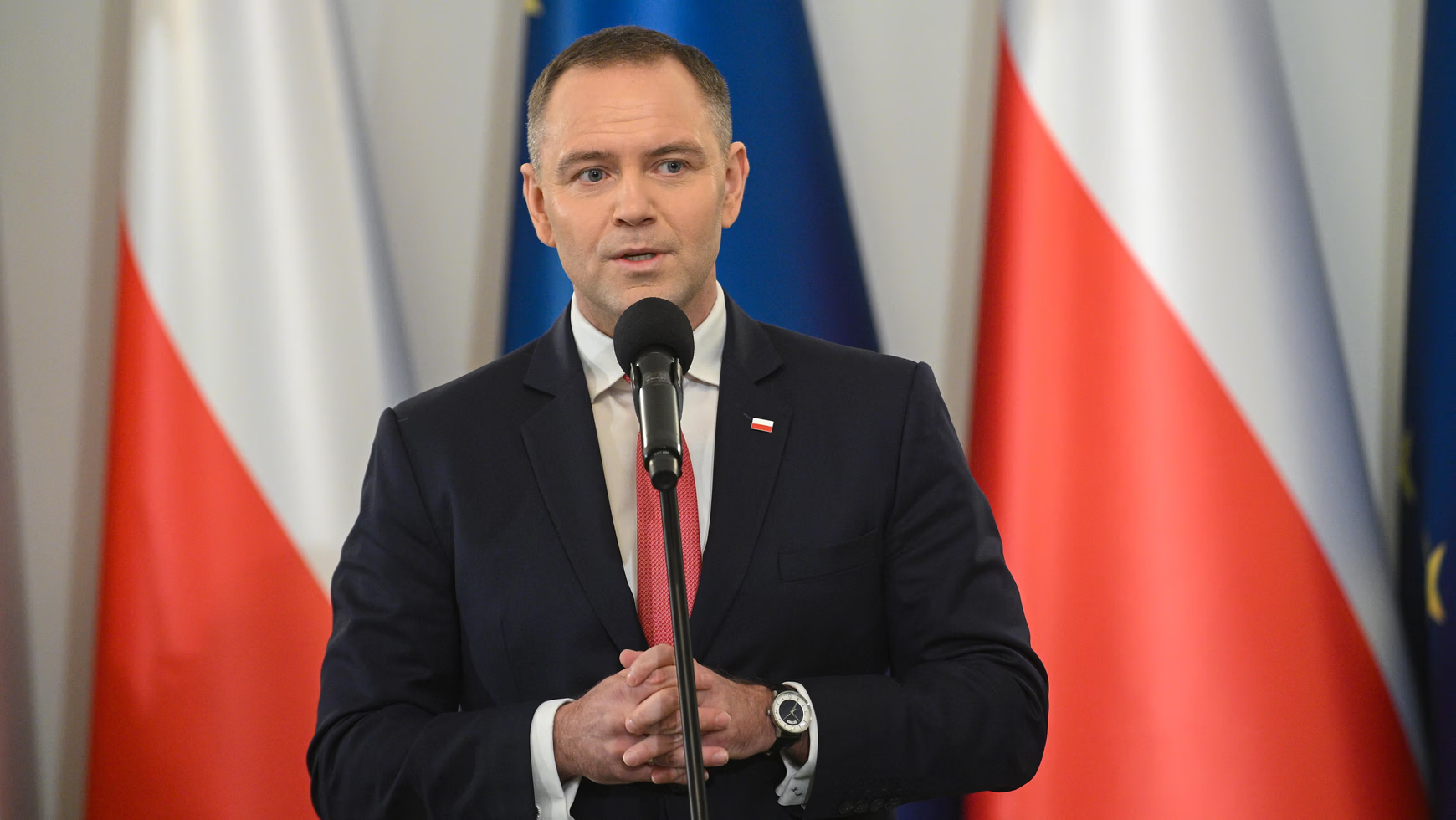
On Poland’s Independence Day, President Karol Nawrocki outlined his vision of Polish-Ukrainian relations. In an interview with wPolsce24, he said that partnership between the two countries should be “real” and “symmetric.” His remarks signal Warsaw’s intention to maintain support for Ukraine while more clearly defining its own national interests.
New Tone from Warsaw
Nawrocki emphasizes that Poland will continue to support Ukraine but will do so while taking into account the expectations of its own society.
“We want to help, but we know how much we have already helped, and we want to raise issues that are important to us,” the president said.
This position reflects the current mood in Polish politics after three years of extensive assistance to Kyiv. Warsaw seeks to preserve the strategic partnership but insists that Ukraine’s interests cannot be pursued without considering Polish public opinion.
This is not a retreat from Poland’s allied role, but rather an effort to create a more balanced dialogue. The Polish leader aims to move from emotional solidarity to a model in which both sides have equal weight.
Symbolic Invitation
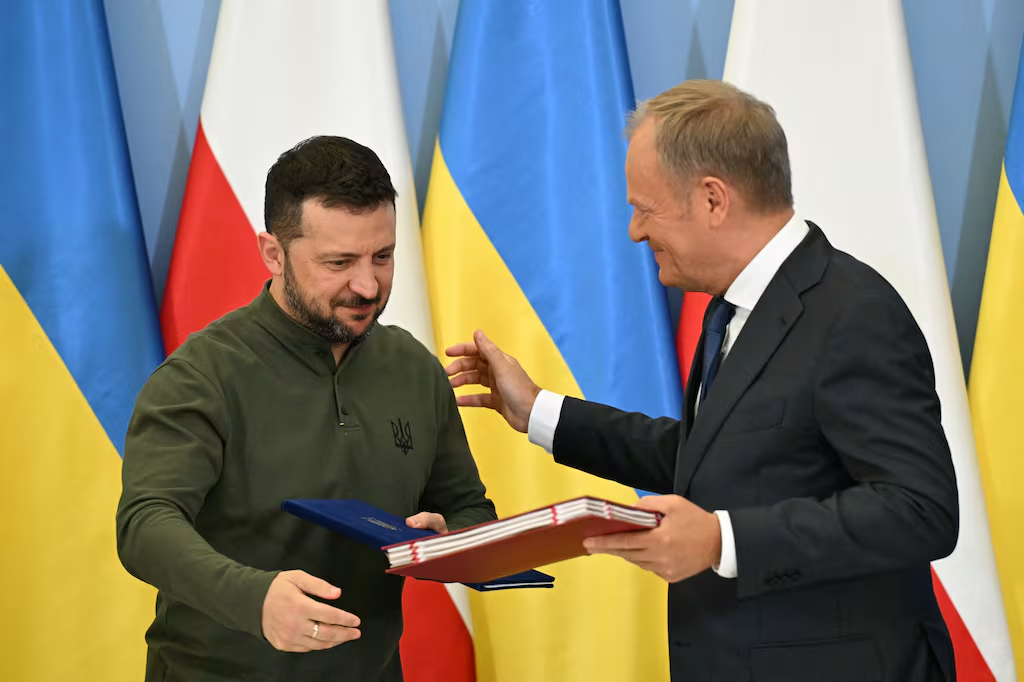
Nawrocki invited Volodymyr Zelenskyy to Warsaw, stressing that “the president of Ukraine will be warmly welcomed.” The invitation is a public gesture of openness but also a signal that Warsaw expects the first move from Kyiv. Earlier, Ukraine had proposed a visit by the Polish president to Kyiv, yet Nawrocki has not confirmed his readiness to travel there.
At the same time, he mentioned the issue of exhumations in Volhynia, which remains symbolically important for Poland. For Nawrocki, a historian by training, this topic carries not only political but also moral weight. It shows that the new stage in Polish-Ukrainian relations may involve a more direct conversation about the past.
Looking Toward a Shared Future
Poland remains one of Ukraine’s key partners in resisting Russian armed aggression. However, the change in political tone in Warsaw indicates a desire for a clearer balance in bilateral relations.
The demand for symmetry could form the basis of a new format of cooperation — calm, pragmatic, and built on mutual respect. For Kyiv, it is essential to preserve this dialogue, even if it becomes more complex. The strength of Europe’s eastern security flank will depend on how well Ukraine and Poland can find balance between history, emotion, and shared interests.