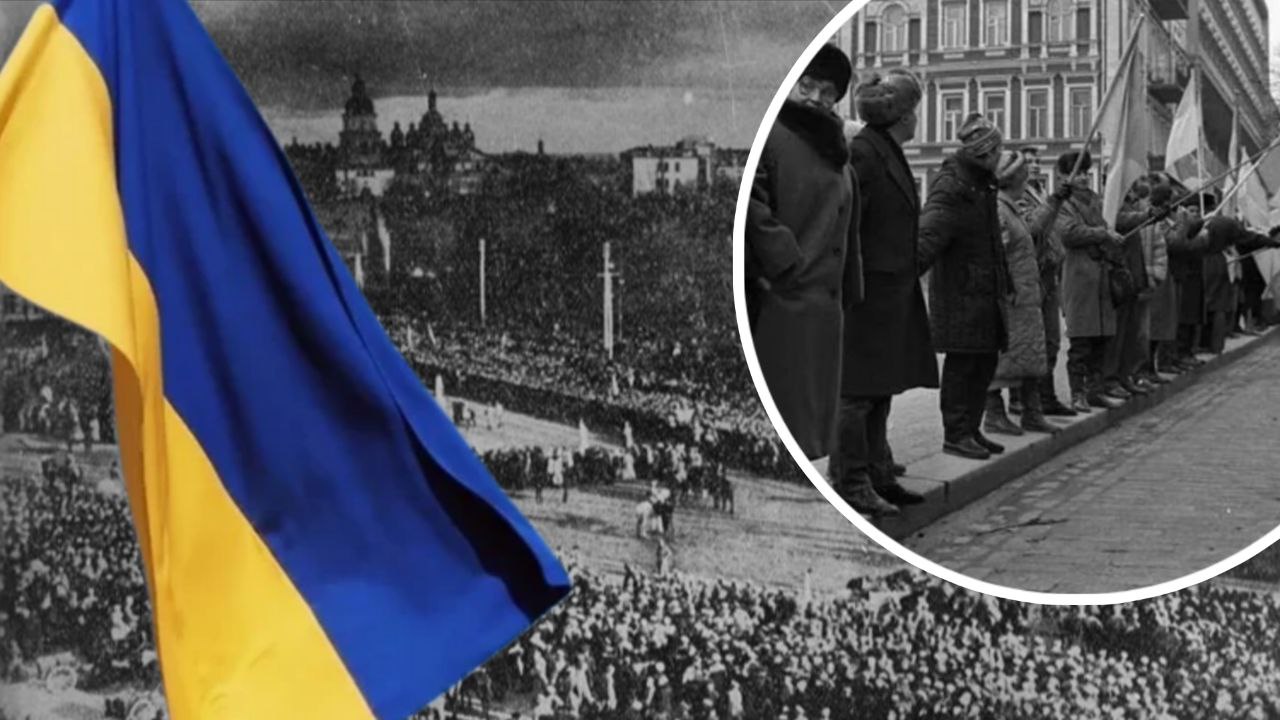


On January 22, Ukraine celebrates Unity Day – a date that symbolizes the country’s long-standing aspiration for national unity. On this day in 1919, two parts of a once-divided nation, separated because of occupation, were united on St. Sophia Square in Kyiv. However, the Act of Unification was not the only milestone in Ukrainian history to occur on January 22.
History: The Path Toward Unity
January 22 is one of the most significant dates in Ukrainian history. On this day in 1918, the Ukrainian Central Rada adopted the Fourth Universal, proclaiming the independence of the Ukrainian People’s Republic (UPR). At the time, Bolshevik troops were advancing on Kyiv.
The declaration of independence carried immense national importance and provided Ukraine with international legitimacy. As an independent state, the UPR was able to seek military support from its allies in the fight against the Bolsheviks’ aggression.
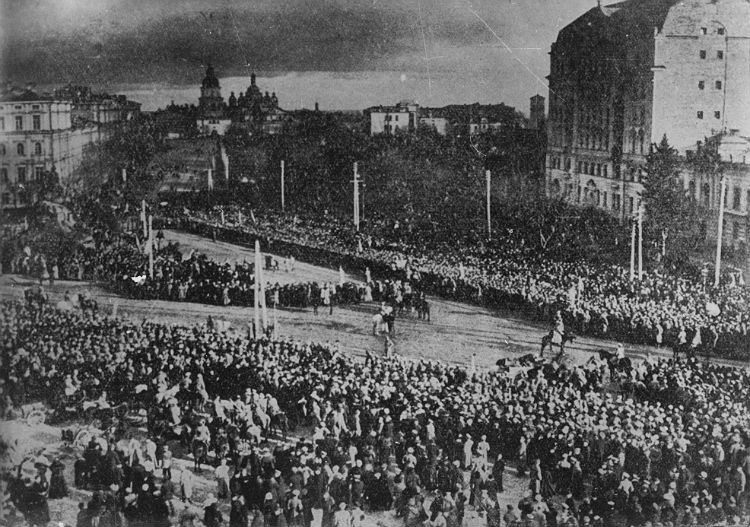
Exactly one year later, on January 22, 1919, the Act of Unification of the Ukrainian People’s Republic and the West Ukrainian People’s Republic (WUPR) was proclaimed on St. Sophia Square. Central Ukraine, long dominated by the Russian Empire, and western Ukrainian lands, previously part of Austria-Hungary, formally declared their intention to live within a single, unified state. The Act testified to the shared desire of Ukrainians across regions to exist as one nation.
The Human Chain: A Symbol of Unity
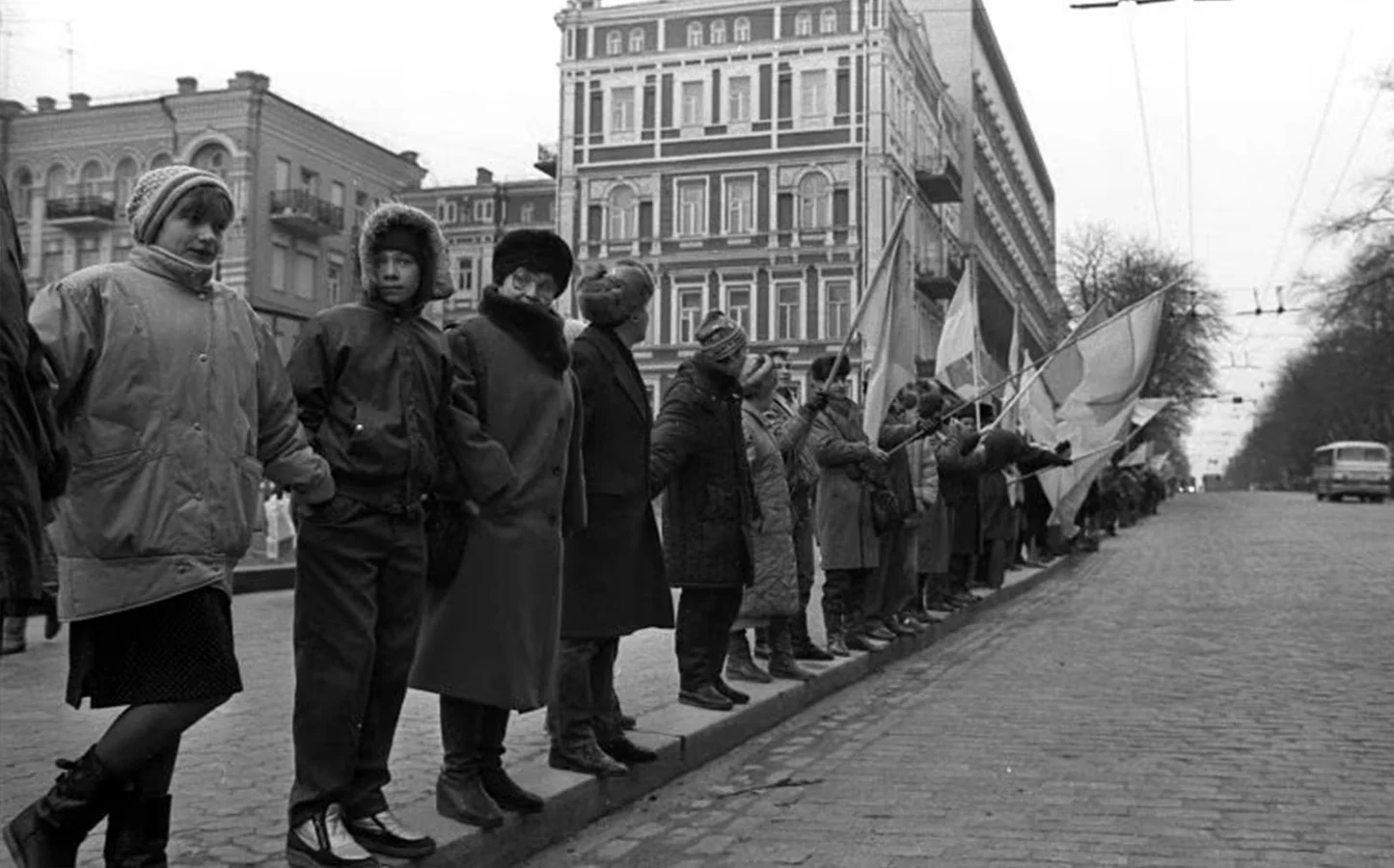
The most recognizable symbol of Unity Day is the “Human Chain”. It was first formed on January 21, 1990, 71 years after the Act of Unification. Nearly one million people, holding hands, created a living chain stretching from Ivano-Frankivsk to Kyiv. This chain was a symbolical linking of western and central Ukraine.
This peaceful act of unity became a powerful precursor to the restoration of Ukraine’s independence in 1991.
Revolution of Dignity: Unity Sealed with Blood
In 2014, Ukraine experienced another defining moment of unity during the Revolution of Dignity, which began in late 2013 with the Euromaidan protests. Ukrainians took to the streets after then-President Viktor Yanukovych suspended preparations for signing the Association Agreement with the European Union.
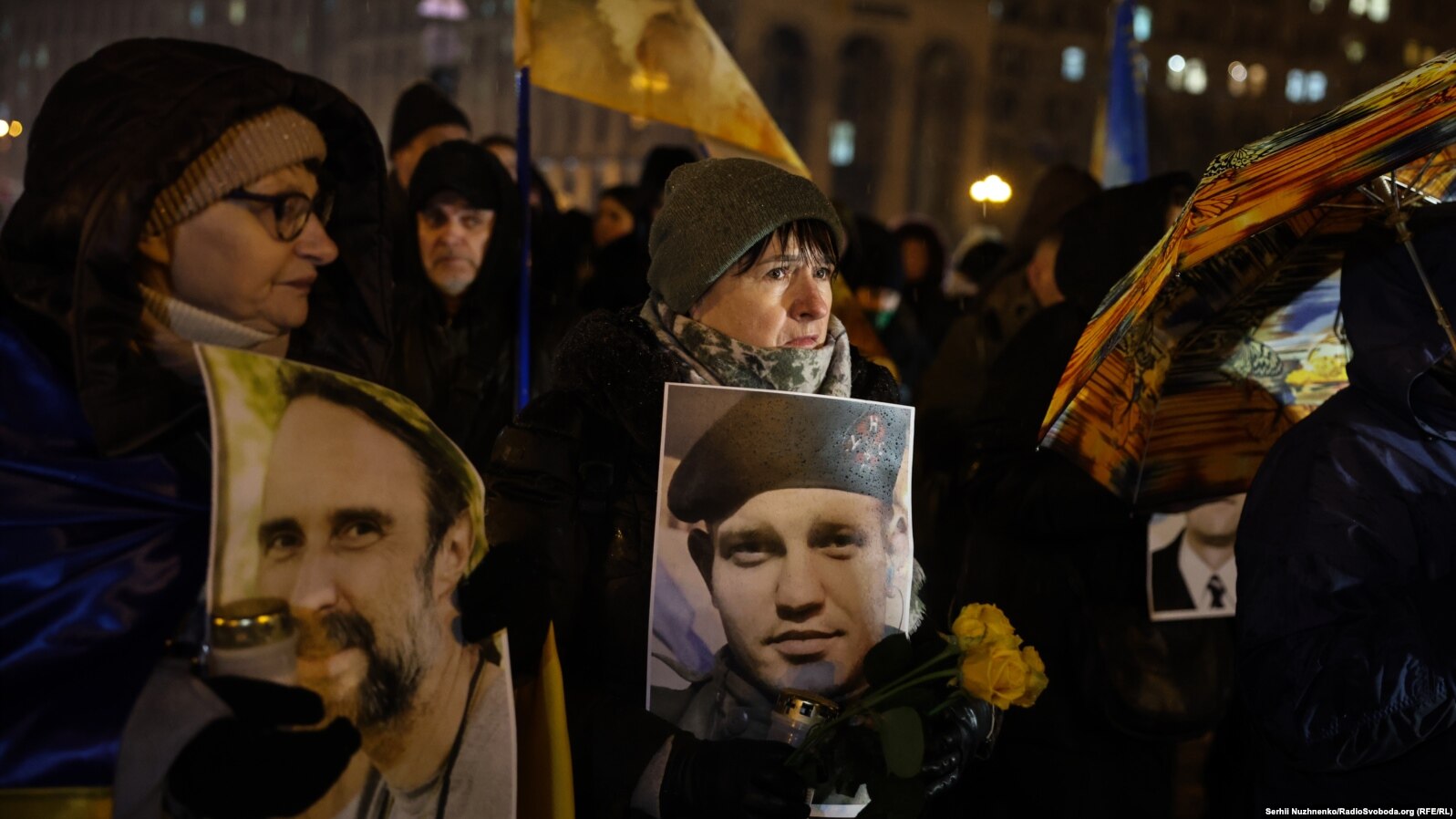
The protests escalated after authorities ordered the use of force against demonstrators. On January 22, the first activists of the Heavenly Hundred were killed on Kyiv’s Independence Square – Serhii Nihoyan and Mykhailo Zhyznevskyy.
The Struggle for Unity Continues
Today, Ukraine continues to fight for its independence against Russian aggression. As of 2026, approximately 20 percent of Ukraine’s territory remains temporarily occupied by Russia. This is roughly one in every five square kilometers. The information comes from the DeepState monitoring map.
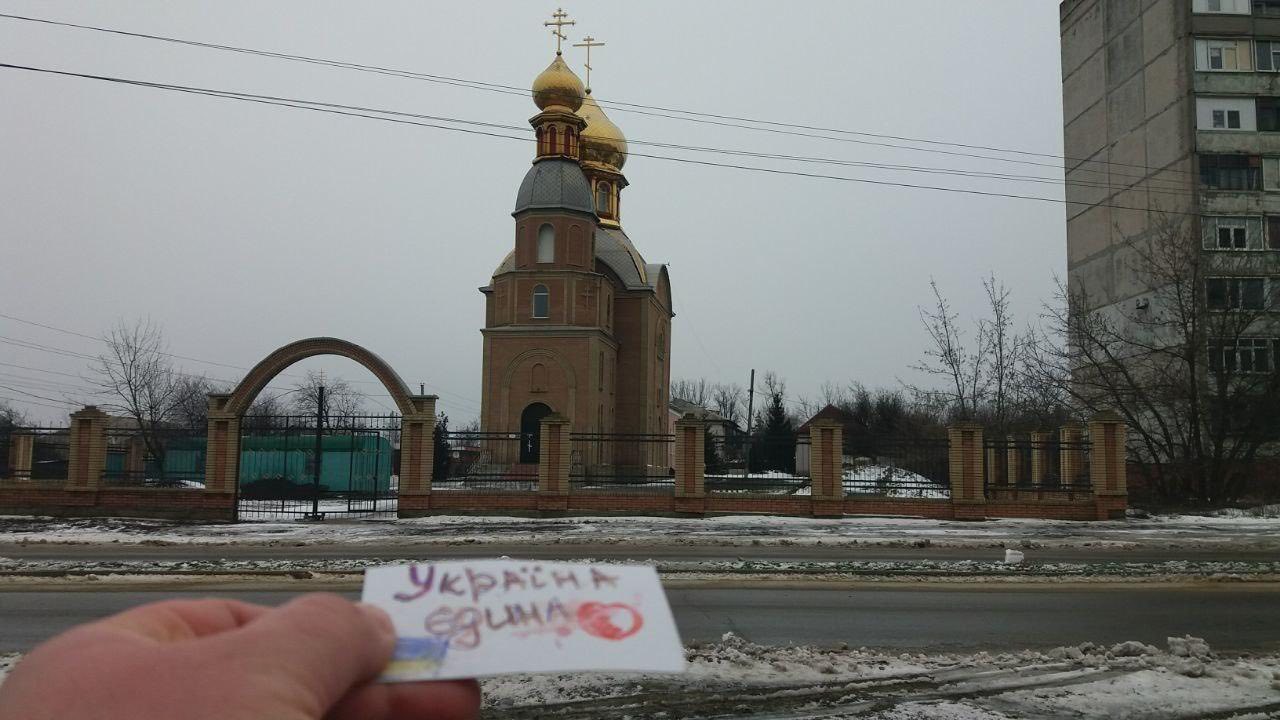
Despite occupation, Ukrainians in these regions continue to celebrate Unity Day, reminding the world that their struggle for freedom and national unity is far from over.
Ceremonial Address by the President of Ukraine
President Volodymyr Zelenskyy also addressed the nation on Unity Day. He emphasized that only a strong nation can remain united, and only a united nation can be strong.
“Ukrainians prove this every day – for 1 429 days now. When millions of us are truly united on both banks of the Dnipro, when the concept of “native land” does not end at the borders of one’s own yard. When East and West stand together not on posters, but on the front lines and across the entire country, where every Ukrainian fights for every Ukrainian. When we are a family, a team, an army. And when we have learned to unite not only against someone, but first and foremost for ourselves – for Ukraine, for our future,” the President said.